ASPHALT SHINGLE VALUE
Why Asphalt Shingles Remain a Popular Roofing Choice
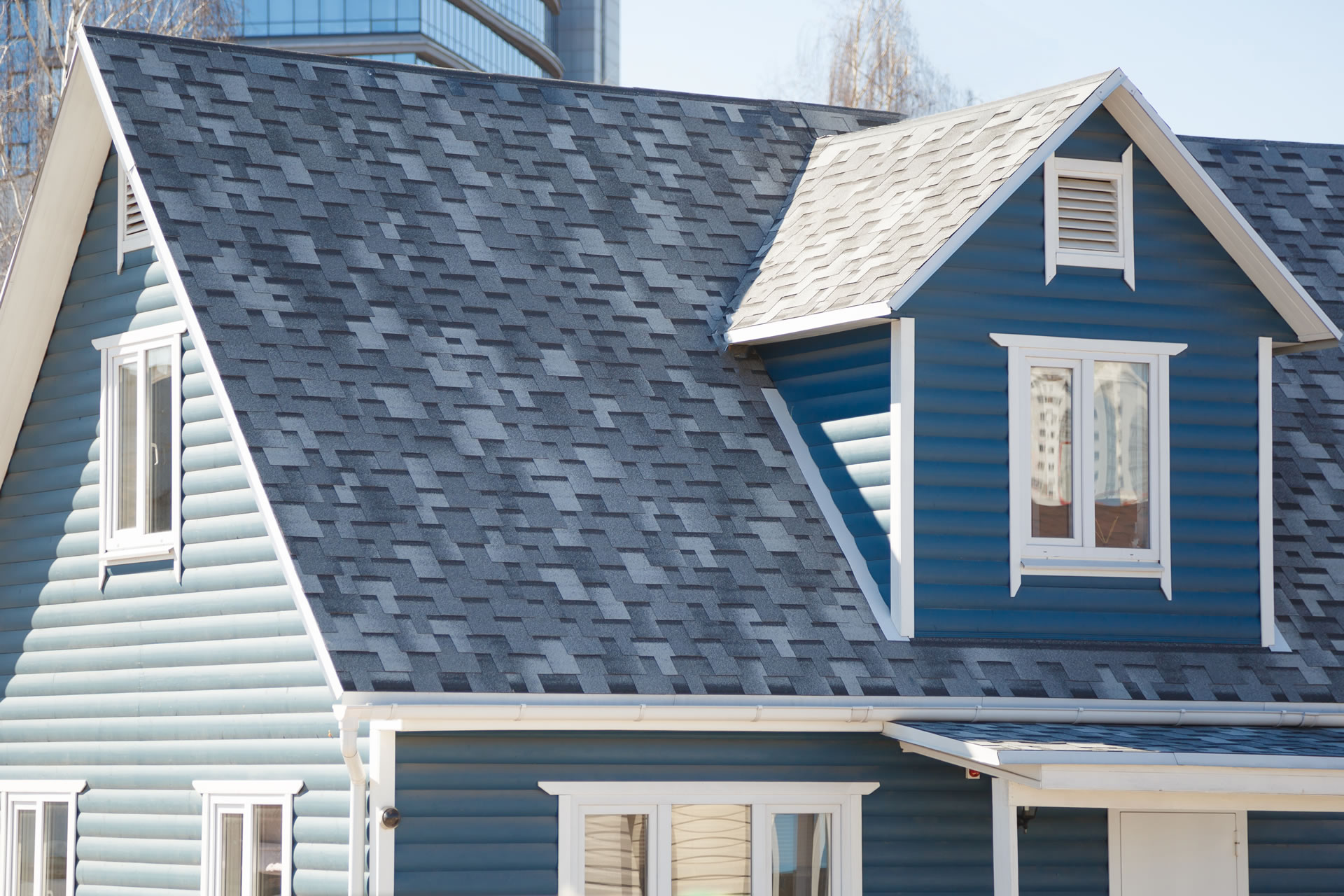
Asphalt shingles are one of the most familiar roofing materials for residential homes. They offer a strong mix of value, style flexibility, availability, and dependable protection when they are properly selected and installed.
For many homeowners, asphalt shingles make sense because they come in multiple styles and performance levels. A basic 3-tab shingle may fit one project, while architectural, impact-resistant, Class 4, or luxury shingles may be a better fit for a home that needs stronger curb appeal, storm resistance, or a more premium finished look.
CTI Roofing helps homeowners compare asphalt shingle options clearly so they can choose a roofing system that fits the home, the climate, and the long-term goals of the project.
For many homeowners, asphalt shingles make sense because they come in multiple styles and performance levels. A basic 3-tab shingle may fit one project, while architectural, impact-resistant, Class 4, or luxury shingles may be a better fit for a home that needs stronger curb appeal, storm resistance, or a more premium finished look.
CTI Roofing helps homeowners compare asphalt shingle options clearly so they can choose a roofing system that fits the home, the climate, and the long-term goals of the project.
MATERIAL OVERVIEW
What Are Asphalt Shingles?
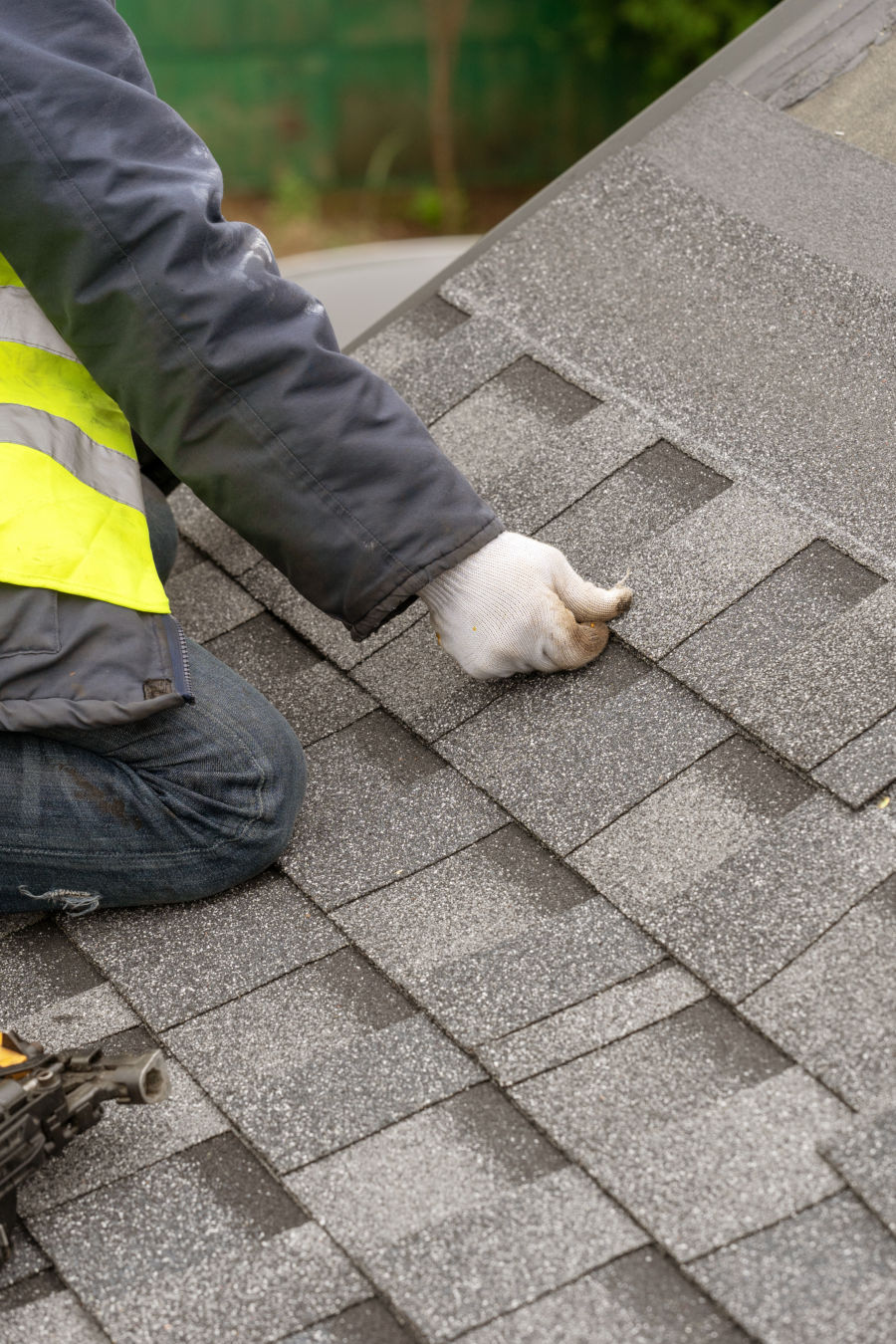
Asphalt shingles are roofing shingles made with layers of material designed to help protect the home from weather exposure. They are commonly made with a base mat, asphalt for waterproofing, and protective granules on the surface.
You may also hear asphalt shingles called composition shingles. These terms are often used to describe the same general roofing material because asphalt shingles are made from multiple components working together.
Asphalt shingles are available in different styles, grades, profiles, and colors. That variety is one of the reasons they remain a common choice for homeowners comparing roofing materials.
You may also hear asphalt shingles called composition shingles. These terms are often used to describe the same general roofing material because asphalt shingles are made from multiple components working together.
Asphalt shingles are available in different styles, grades, profiles, and colors. That variety is one of the reasons they remain a common choice for homeowners comparing roofing materials.
WHY ASPHALT SHINGLES
Why Asphalt Shingles Can Offer Strong Value
Asphalt shingles can be a strong value because they give homeowners several practical advantages in one roofing material: reasonable material options, broad style selection, familiar installation practices, and multiple performance levels to choose from.
Instead of thinking about asphalt shingles as one single product, it helps to compare the different options available.
Practical Material Options
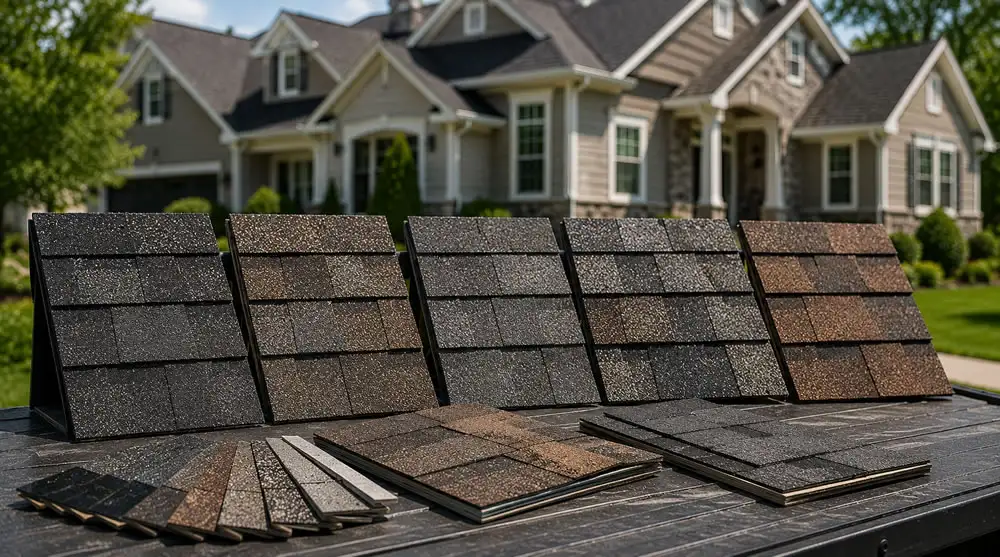
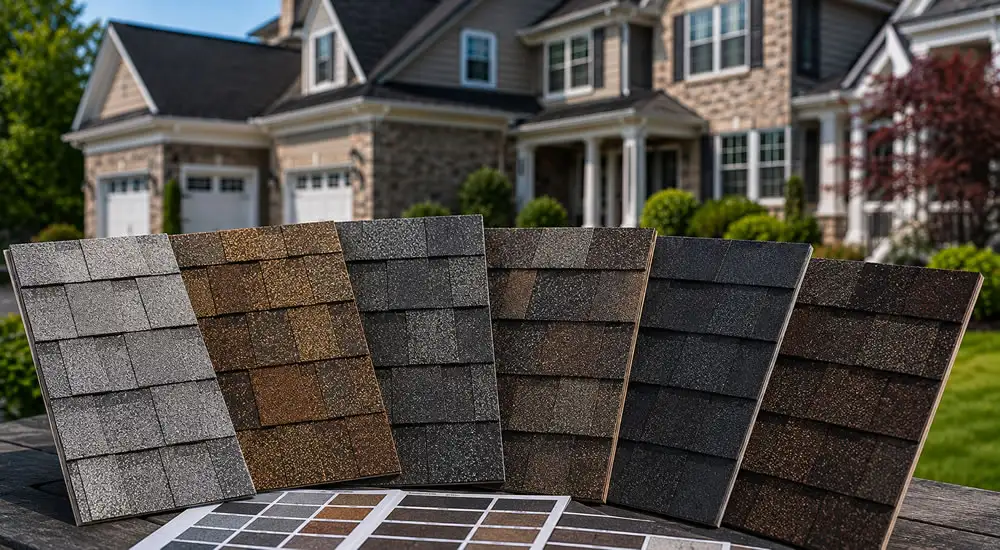
Asphalt shingles are available in several categories, from simple 3-tab shingles to architectural, impact-resistant, Class 4, and luxury shingle options.
Broad Style Selection
Homeowners can choose from different colors, profiles, and dimensional styles to better match the look of the home.

Flexible Performance Levels
Some asphalt shingles are designed for basic value, while others are built for stronger curb appeal, impact resistance, or premium appearance.
Familiar Residential Roofing Choice
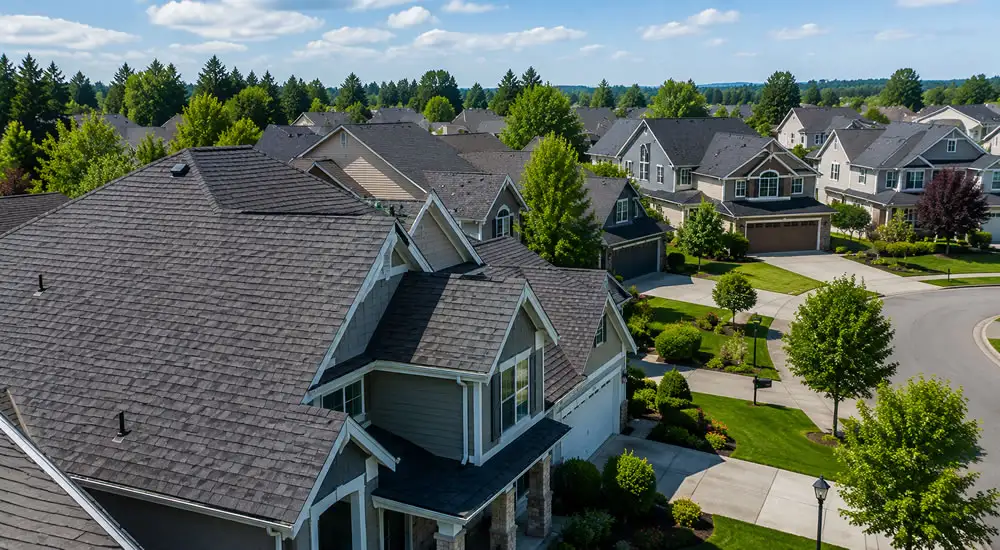
Asphalt shingles are widely used in residential roofing, which makes them a familiar option for many homeowners comparing roof replacement materials.
Good Fit for Many Homes
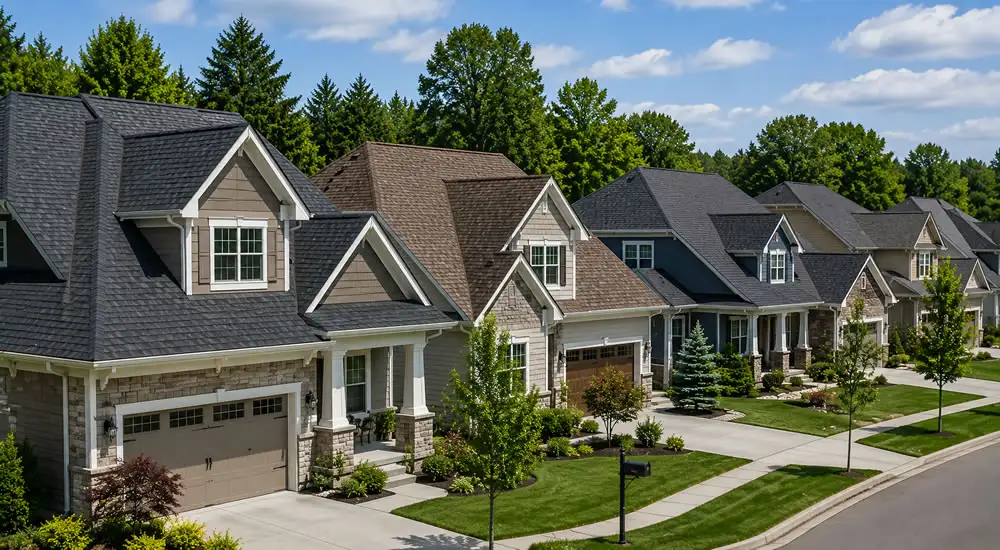
Because asphalt shingles come in multiple styles and price points, they can work for many roof designs, neighborhoods, and project goals.
COMPARE SHINGLE OPTIONS
Different Asphalt Shingles Offer Different Levels of Value
The best value depends on what your home actually needs. A lower-cost shingle is not always the best long-term choice, and a premium shingle is not always necessary. CTI Roofing helps homeowners compare options based on condition, curb appeal, weather exposure, and long-term expectations.

3-Tab Asphalt Shingles
A simple, uniform asphalt shingle option that can work for practical, value-focused roofing needs.

Architectural Shingles
A dimensional asphalt shingle option that offers stronger curb appeal and a more substantial look than 3-tab shingles.
Impact Resistant Shingles
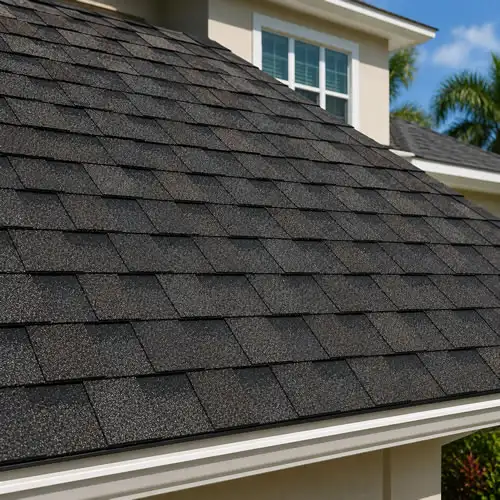
A stronger shingle option for homeowners concerned about hail, debris, and storm-related impact.

Class 4 Shingles
A high-performance impact-rated shingle option designed for added storm resistance.

Luxury Shingles
A premium asphalt shingle option for homeowners who want elevated curb appeal and a more distinctive roof profile.
WHY IT MATTERS
The Best Value Shingle Is the One That Fits the Home
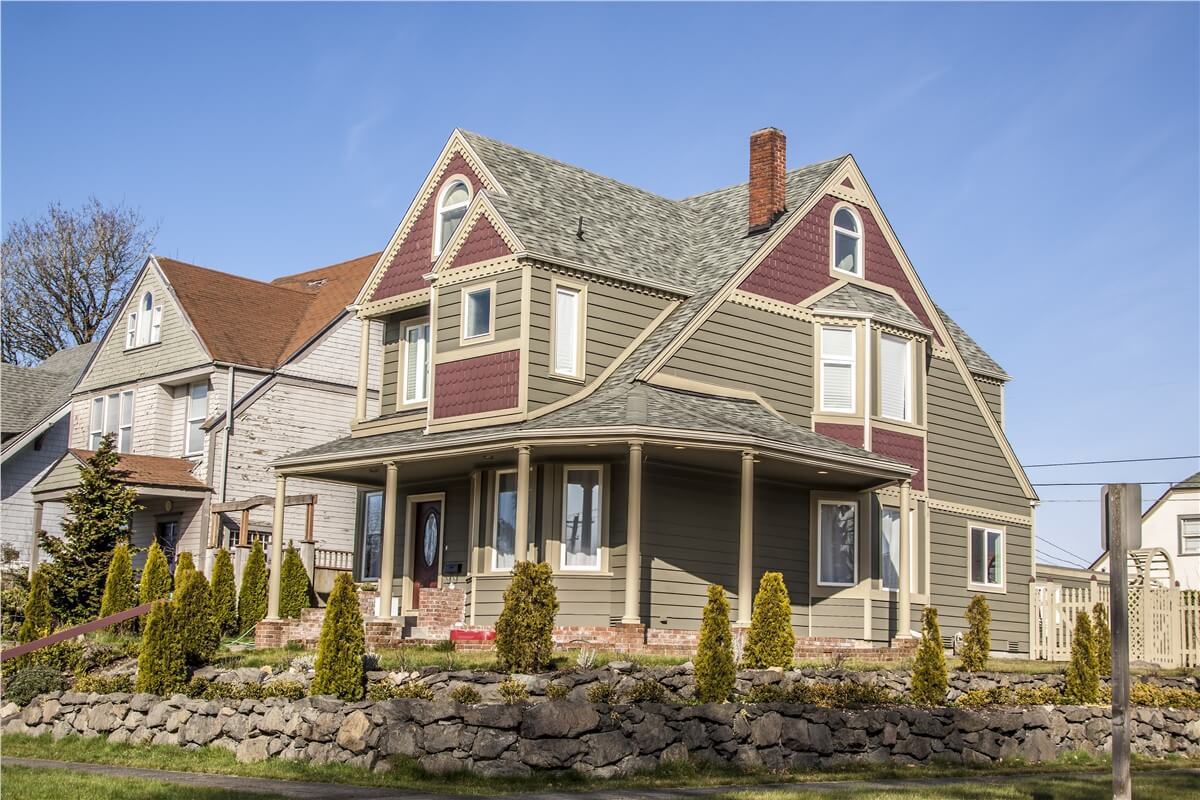
The best roofing material is not always the cheapest option, and it is not always the most expensive option either. True value comes from choosing a roofing system that fits the home, performs well in local conditions, supports the homeowner’s goals, and is installed correctly.
For some homeowners, a practical asphalt shingle may be the right fit. For others, architectural shingles, Class 4 shingles, impact-resistant shingles, or luxury shingles may provide a better balance of protection and curb appeal.
CTI Roofing helps homeowners look beyond the label and compare what matters most: roof condition, material performance, installation quality, warranty options, storm exposure, and long-term protection.
For some homeowners, a practical asphalt shingle may be the right fit. For others, architectural shingles, Class 4 shingles, impact-resistant shingles, or luxury shingles may provide a better balance of protection and curb appeal.
CTI Roofing helps homeowners look beyond the label and compare what matters most: roof condition, material performance, installation quality, warranty options, storm exposure, and long-term protection.
CHOOSE WITH CONFIDENCE
What to Consider Before Choosing Asphalt Shingles
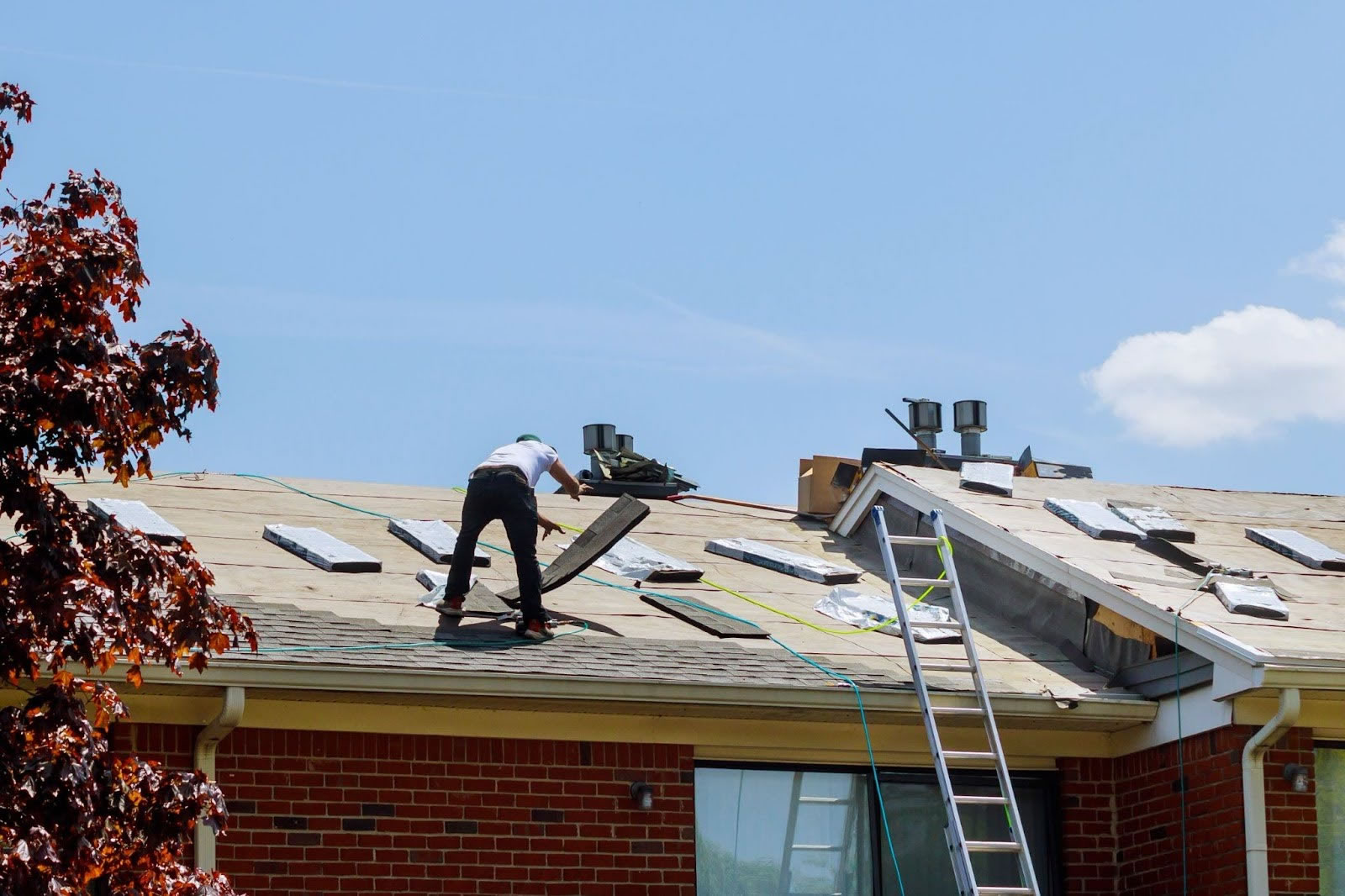
Before choosing a shingle, it helps to look at the roof as a full system. The right choice depends on the condition of the existing roof, the structure of the home, the local climate, the homeowner’s style preferences, and the expected life of the roofing system.
Current roof condition
Impact resistance needs
Roof slope and design
Warranty options
Local weather and storm exposure
Repair versus replacement needs
Desired curb appeal
Long-term plans for the home
Shingle profile and color
Budget and financing options