
Introduction
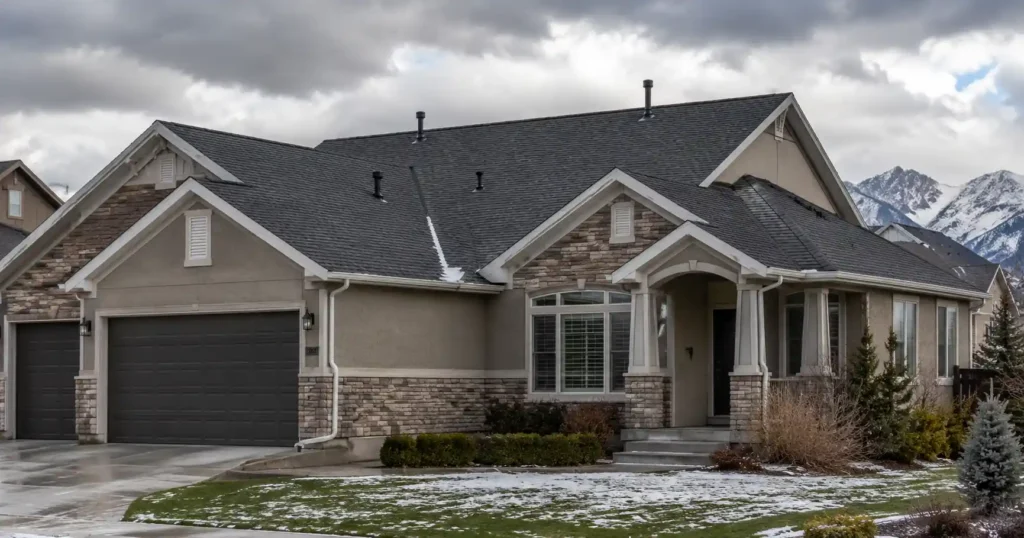
If you’re looking for the best roofing system Utah homeowners trust, you need to understand how local weather affects roof performance. Utah’s extreme conditions—heavy snow, damaging hail, high winds, and intense summer UV—demand a roofing system built specifically for these challenges.
Choosing the best roofing system Utah offers means prioritizing performance over appearance. Your roof must shed snow efficiently, resist hail impacts, handle freeze-thaw cycles, and withstand powerful summer heat.
This guide covers everything you need to know: roof design, materials, insulation, ventilation, and the weak points that cause premature failure in Utah’s climate.
Roof Design: Critical for the Best Roofing System Utah Needs
Roof design changes how water and snow move off your home. In Utah, that movement matters because snow load and ice buildup can create damage even when shingles look fine.
Roof Pitch and the Best Type of Roof for Utah Winters
Roof pitch refers to how steep your roof is. Steeper roofs shed snow and water faster, which reduces the chance of moisture sitting on the surface and working its way into seams.
When evaluating the best roofing system Utah contractors recommend, pitch is always a primary consideration for snow management.
Lower-slope and flat roofs can still work in Utah, but they require stronger membranes, precise drainage planning, and careful installation. If the drainage is weak, small problems turn into big ones quickly.
Overhangs and Roof Protection in Utah
Overhangs help push water away from siding, windows, and the foundation. They also help block summer sun from hitting exterior walls all day, which can reduce heat gain.
Good overhangs won’t “solve” Utah weather, but they add protection and reduce the wear and tear caused by wind-driven rain and snow melt.
Simple Rooflines Last Longer
Complex rooflines create more valleys and intersections. Those areas concentrate water flow and collect snow, which increases risk.
If your roof has dormers, multiple valleys, or skylights, you can still get the best type of roof for Utah. You just need excellent flashing and high-quality installation.
Best Roofing System Utah Materials: What Actually Works
Material selection is a big part of choosing the best roofing system Utah homeowners need. The right material depends on budget, slope, and how long you plan to stay in the home.
Asphalt Shingles in Utah
Asphalt shingles remain the most common roof in Utah. They are affordable, widely available, and perform well when installed correctly.
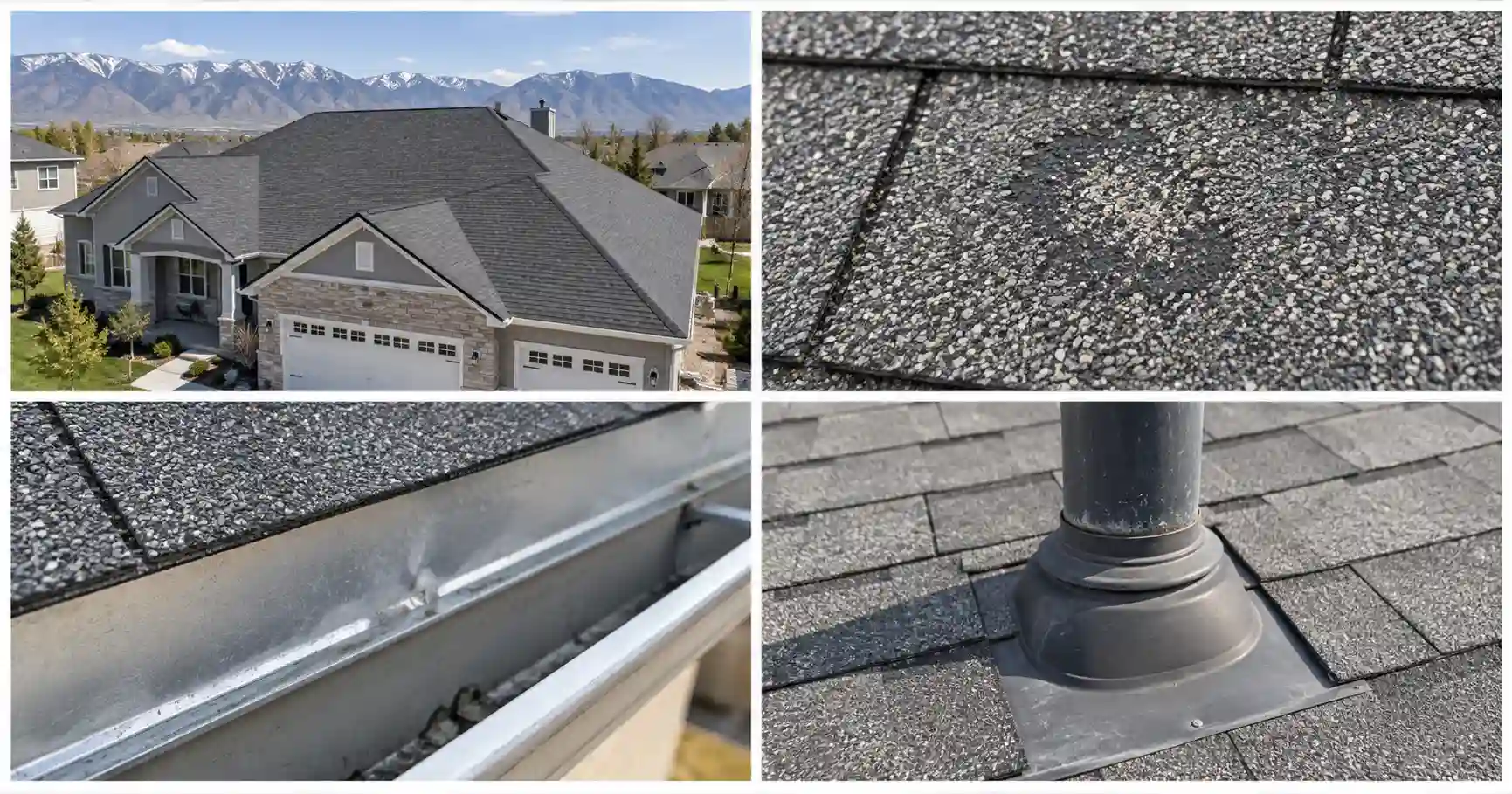
Shingles can struggle when attic ventilation is poor. Heat buildup can shorten shingle life and increase curling and granule loss over time.
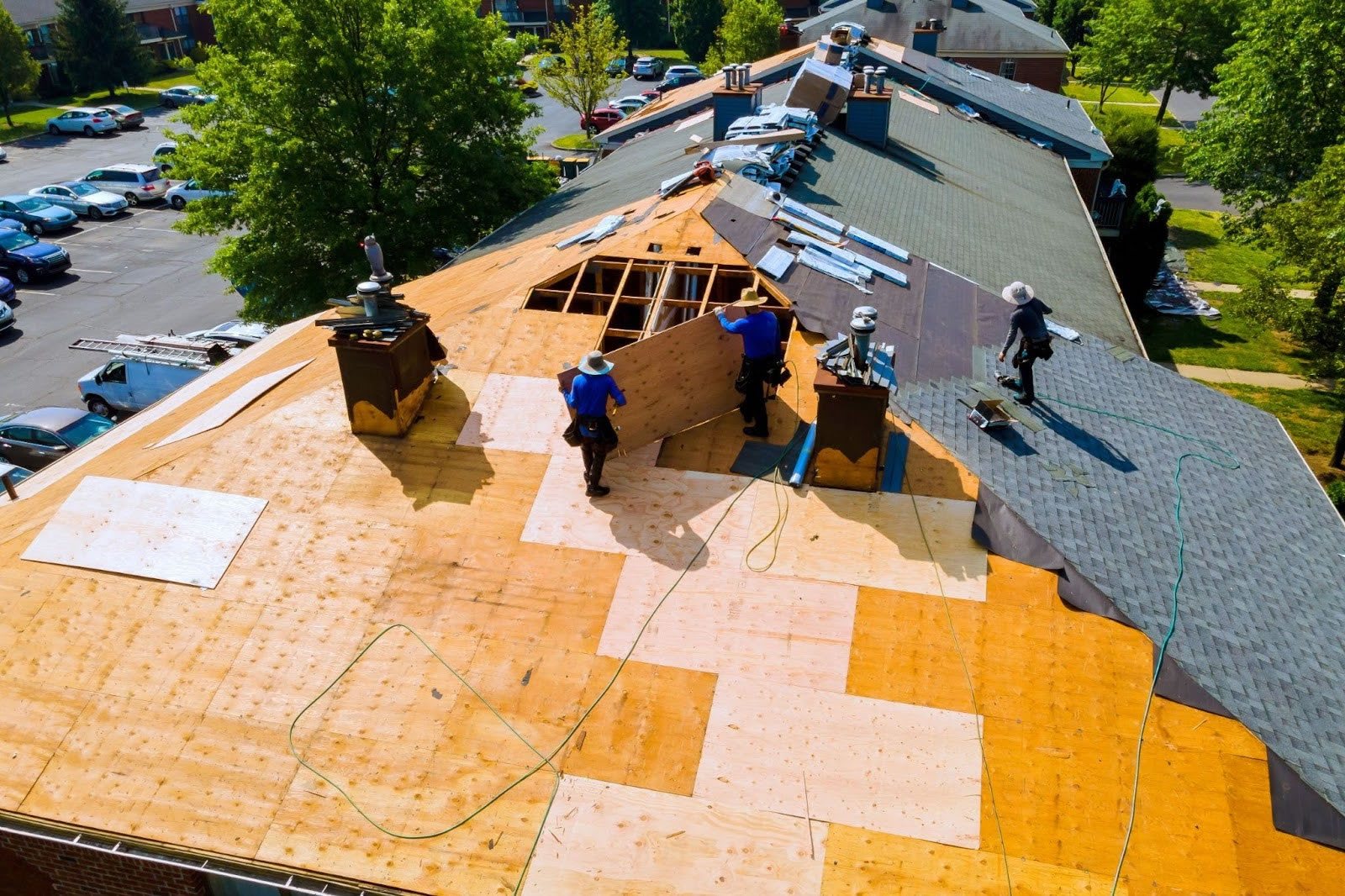
If you’re experiencing shingle deterioration, our roof repair services can assess whether you need targeted repairs or full replacement.
Metal Roofing: A Top Best Roofing System Utah Choice
Metal roofing is one of the strongest candidates for the best roofing system Utah homes use, especially in areas with heavy snow. Metal sheds snow efficiently and handles temperature swings well.
Metal also holds up well under UV exposure, and many systems last decades longer than basic shingles when installed correctly.
Interested in metal? Read our comparison guide: Beyond Asphalt Shingles: Your Quick Guide to Roof Types.
Tile and Slate Roofing in Utah
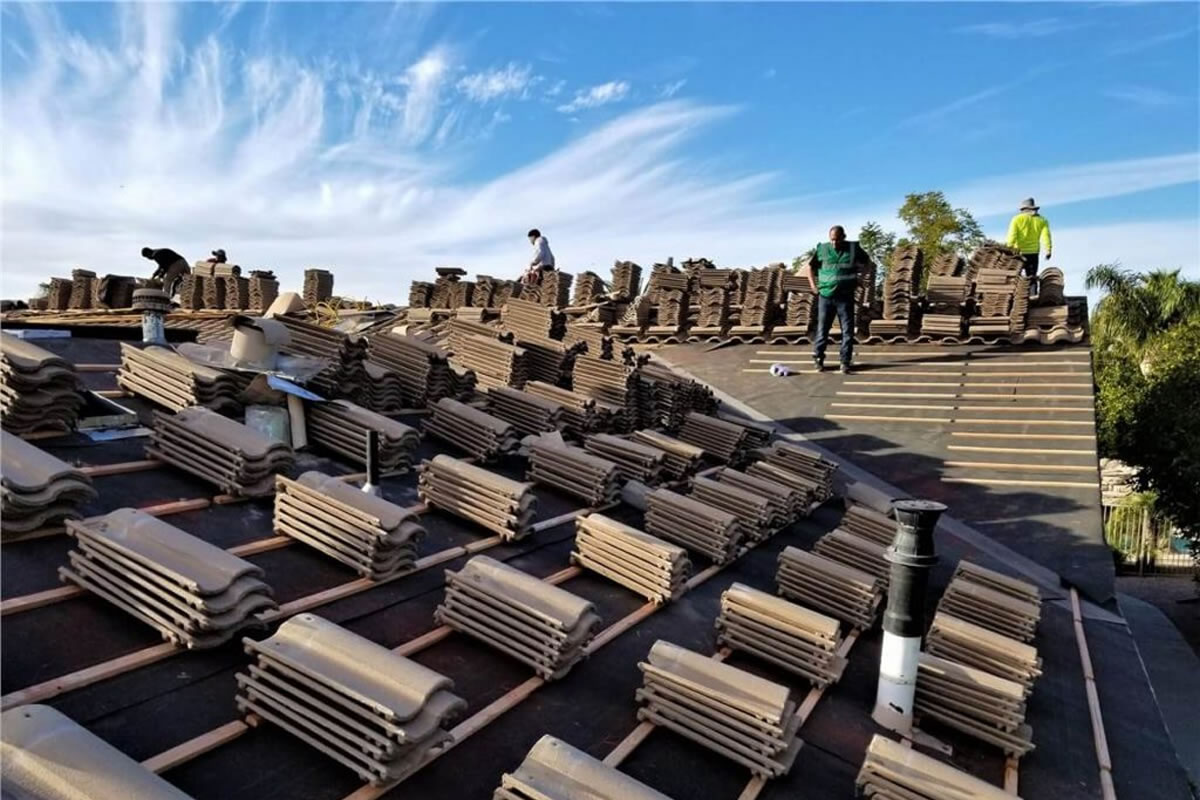
Tile roofs handle heat and moisture well, but they can crack from impact in some hail scenarios. Slate performs extremely well against weather, but it is heavy and not every home structure can support it.
If you are considering tile or slate, confirm the framing can handle the load before you commit.
Insulation and Ventilation for Utah Roof Performance
No matter which materials you choose, the best roofing system Utah homes need requires proper insulation and ventilation to maximize lifespan. Insulation and ventilation affect roof longevity more than most homeowners realize. Poor ventilation traps heat and moisture, which can damage decking, reduce shingle life, and contribute to ice dams.
Attic Venting in Utah
Balanced attic ventilation helps remove moisture and heat. Many Utah homes use intake ventilation at the eaves and exhaust ventilation near the ridge.
When airflow works properly, the roof deck stays drier and temperatures stay more stable. That stability supports the long-term performance of the best roofing system Utah contractors install.
According to the U.S. Department of Energy, proper attic ventilation can reduce cooling costs by up to 10% while extending roof life. The National Roofing Contractors Association recommends a balanced ventilation ratio of 1:300 for optimal performance.
Learn more about preventing moisture issues in our ice dam prevention guide.
Hot Roof Systems
Some homes use “hot roof” designs where insulation sits directly against the underside of the roof deck. This design can work, but it requires compatible roofing materials and correct installation.
If you choose a hot roof system, confirm that the roofing product warranty allows it. Some shingles fail faster in unvented systems.
Common Failures That Destroy Even the Best Roofing System Utah Installs
Even if you choose the best roofing system Utah offers, the roof can still fail early if key details are installed poorly. Most leaks start at transitions, not in the middle of the roof field.
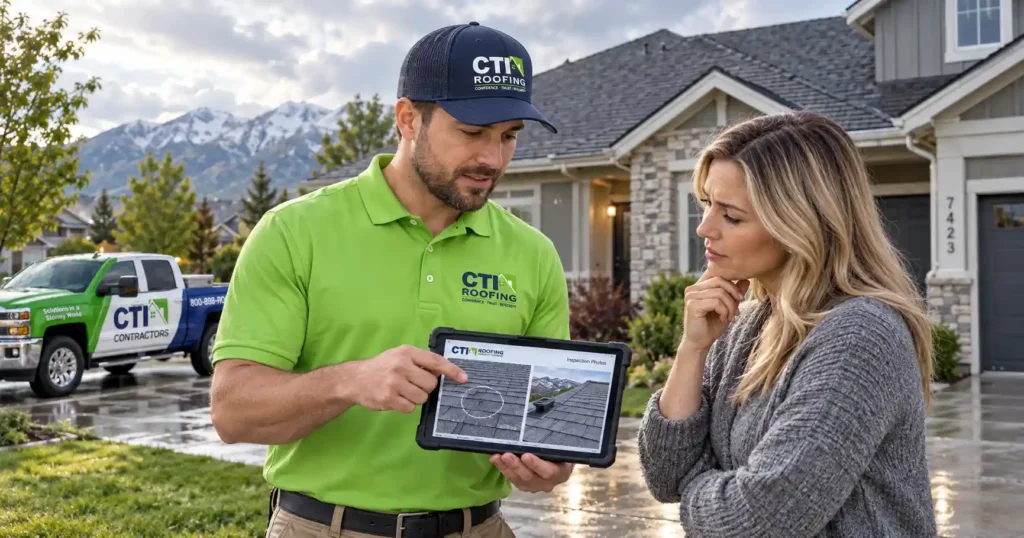
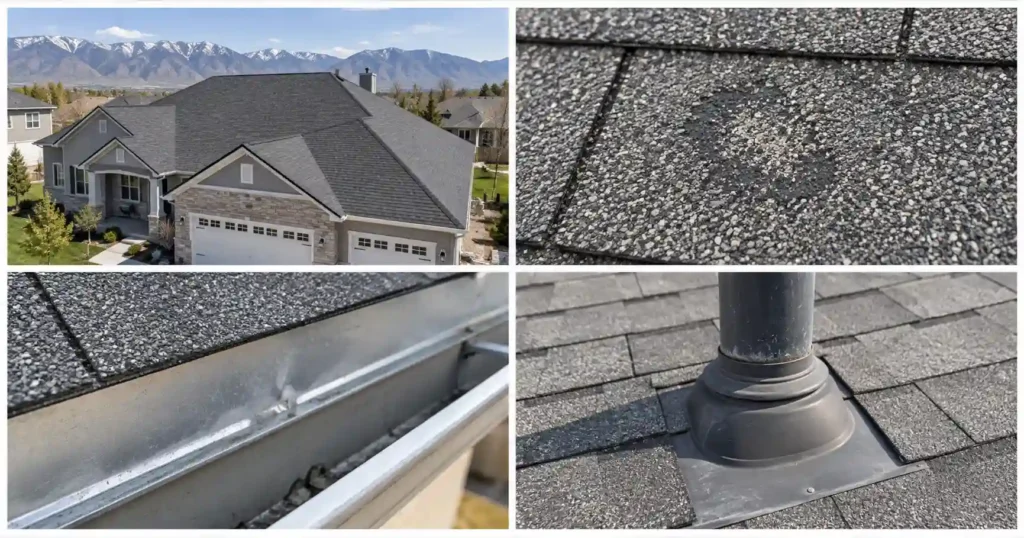
Schedule a digital roof inspection to identify vulnerable flashing and valley areas before they leak.
Flashing Around Chimneys, Vents, and Skylights
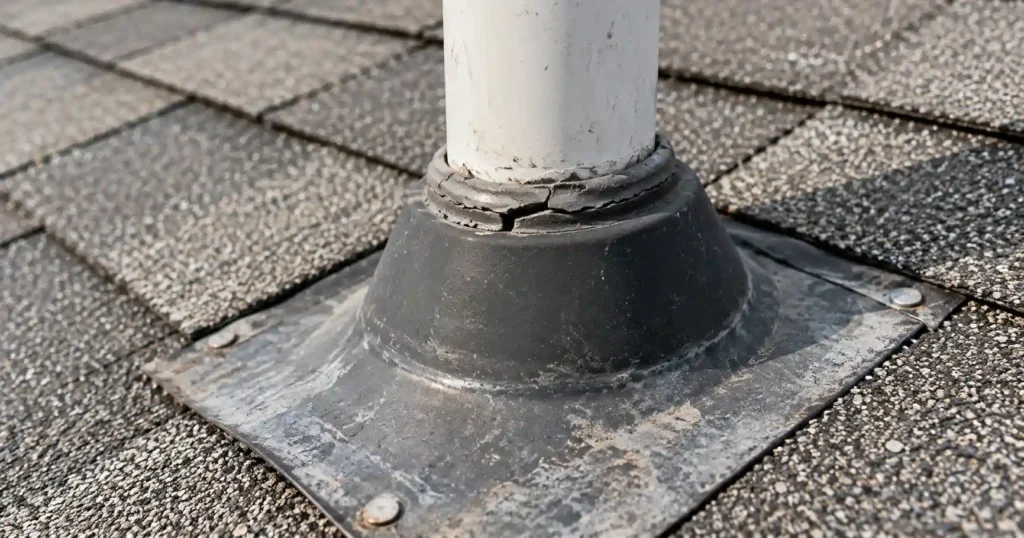
Flashing protects openings and roof penetrations. If flashing is cut, loose, or sealed poorly, water finds a path inside.
Skylights and chimneys are common leak sources because they create large breaks in the roof surface and endure constant freeze-thaw movement.
Damaged flashing is repairable—see our flashing repair services for professional solutions.
Valleys and Water Channels
Roof valleys carry a lot of water and often hold snow longer than other areas. Strong valley materials and clean installation matter a lot in Utah.
Maintaining your roof system year-round is critical. Check out our complete guide to roof maintenance for seasonal tips.
Frequently Asked Questions
What is the best roofing system Utah homeowners should choose?
The best roofing system Utah offers typically includes architectural asphalt shingles or standing seam metal roofing. The optimal choice depends on your home’s roof slope, local snow load risk, ventilation setup, and long-term budget. Both systems perform well when installed correctly with proper flashing and balanced attic ventilation.
Is metal roofing the best type of roof for Utah snow?
Metal roofing performs very well in snow because it sheds snow efficiently and handles temperature swings. Installation quality still matters.
How long should the best type of roof for Utah last?
Many asphalt shingle roofs last 20–30 years with good ventilation. Metal roofs often last 40–70 years depending on the system and maintenance.
Does insurance cover roof replacement in Utah?
Insurance may cover replacement after hail or wind damage, depending on your policy, deductible, and the documented extent of damage.
How do I know if I chose the best type of roof for Utah?
A roof performs best when the material fits the slope, the attic ventilation is balanced, and flashing details are installed correctly. A professional inspection can confirm the roof system is built properly.
Next Steps
Choosing the best roofing system Utah climate demands comes down to matching roof design and materials to local weather conditions, then making sure the system is installed correctly.
If you want a professional opinion on what roof type makes the most sense for your home, schedule a free roof inspection. A quick inspection can save you thousands by catching issues early.