FLASHING REPAIR
Stop Roof Leaks Around Vulnerable Roof Areas
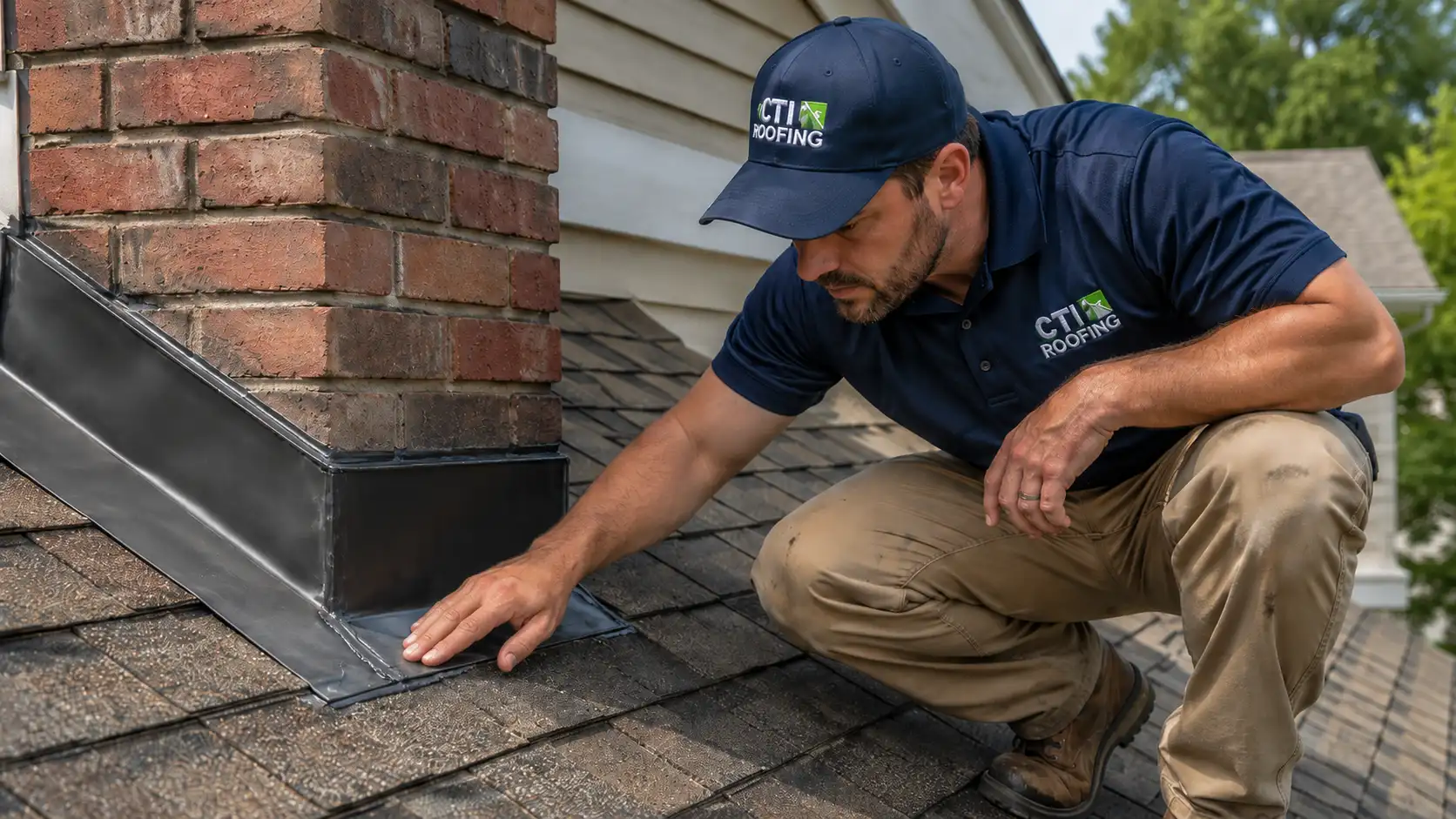
Roof flashing protects some of the most leak-prone areas of your roof. It is installed around chimneys, skylights, vents, valleys, walls, and roof transitions to help direct water away from seams and joints.
When flashing becomes loose, cracked, corroded, lifted, or poorly sealed, water can get beneath the roofing materials and create leaks that may spread into the attic, insulation, ceilings, and walls. CTI Roofing helps homeowners identify flashing problems, repair damaged areas, and restore protection where the roof is most vulnerable.
Whether you are seeing water stains, noticing leaks near a chimney or vent, or dealing with storm-related roof damage, flashing repair can help stop moisture before it causes bigger problems.
When flashing becomes loose, cracked, corroded, lifted, or poorly sealed, water can get beneath the roofing materials and create leaks that may spread into the attic, insulation, ceilings, and walls. CTI Roofing helps homeowners identify flashing problems, repair damaged areas, and restore protection where the roof is most vulnerable.
Whether you are seeing water stains, noticing leaks near a chimney or vent, or dealing with storm-related roof damage, flashing repair can help stop moisture before it causes bigger problems.
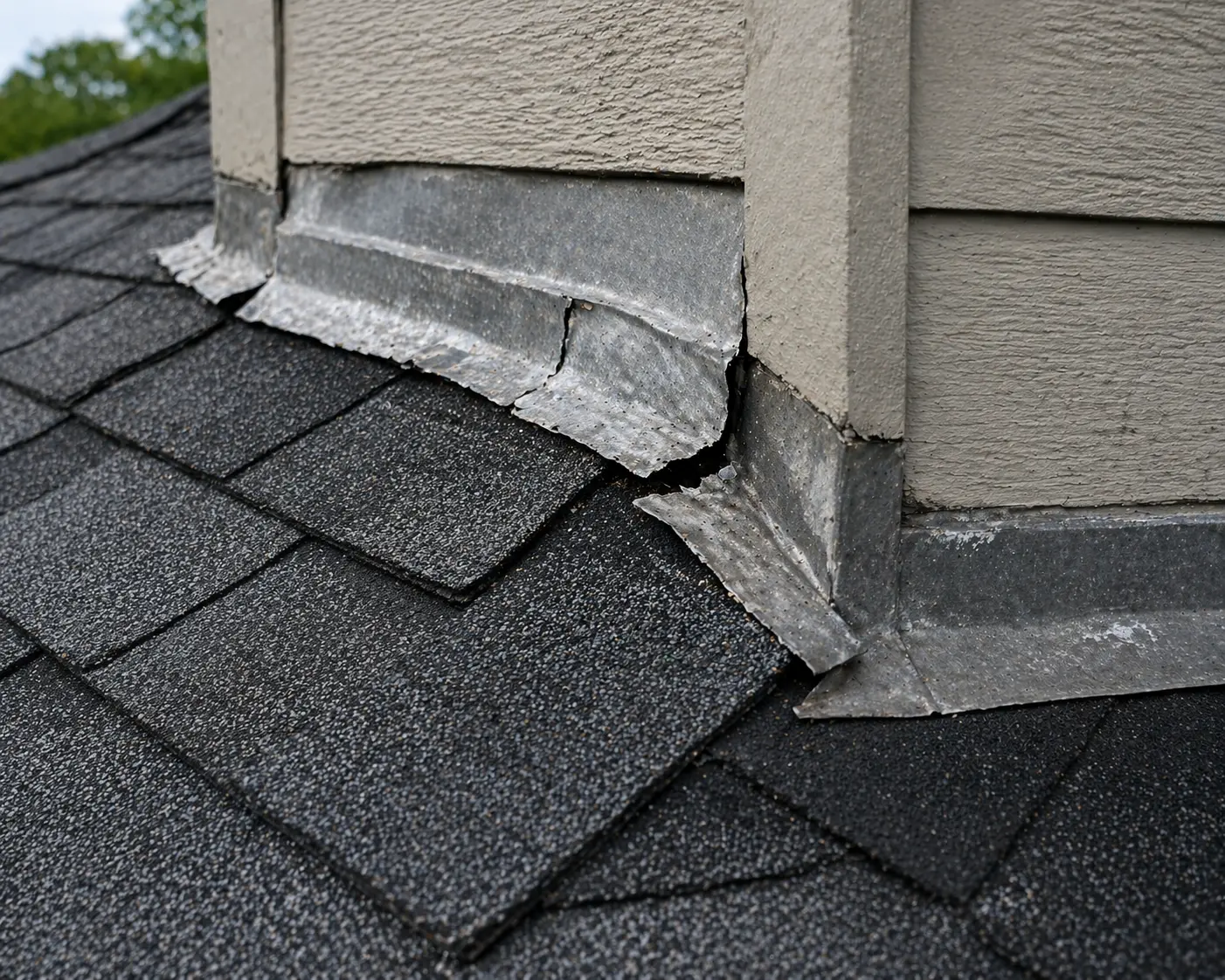
SIGNS TO WATCH FOR
Signs Your Roof Flashing May Need Repair
Flashing problems are not always obvious from the ground. Some issues show up as visible damage on the roof, while others appear inside the home as stains, moisture, or leaks.
Water stains on ceilings or walls
Moisture in the attic
Leaks near chimneys, vents, skylights, or walls
Mold or mildew near ceilings or insulation
Rusted, corroded, loose, or missing flashing
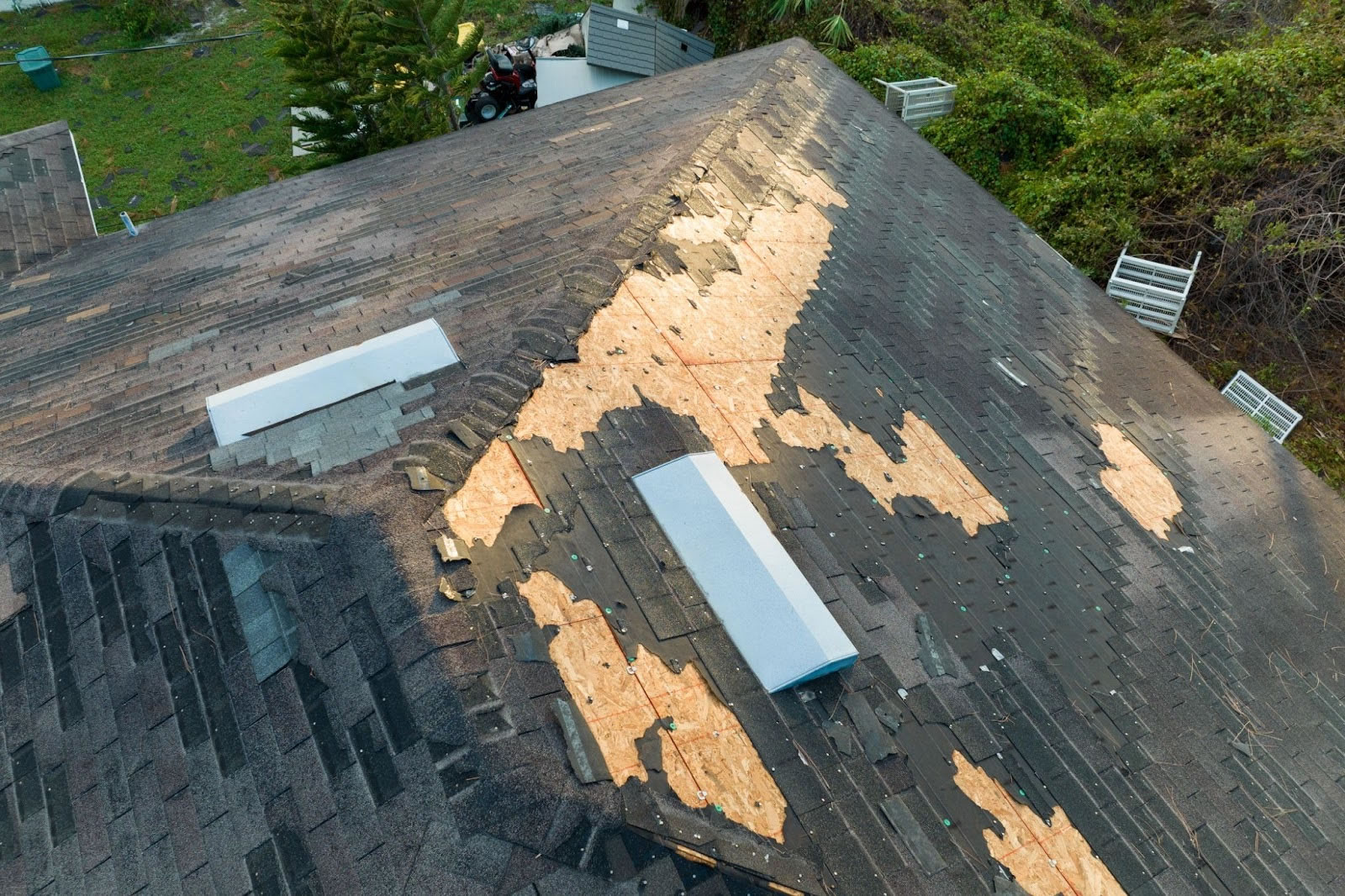
Storm damage near roof penetrations
Visible gaps around roof transitions
Water entering during heavy rain
Cracked sealant around flashing
Flashing pulled loose by wind or debris
Lifted shingles near flashing areas
Premature roof wear near valleys or transitions
WHAT’S INCLUDED
What’s Included With Flashing Repair
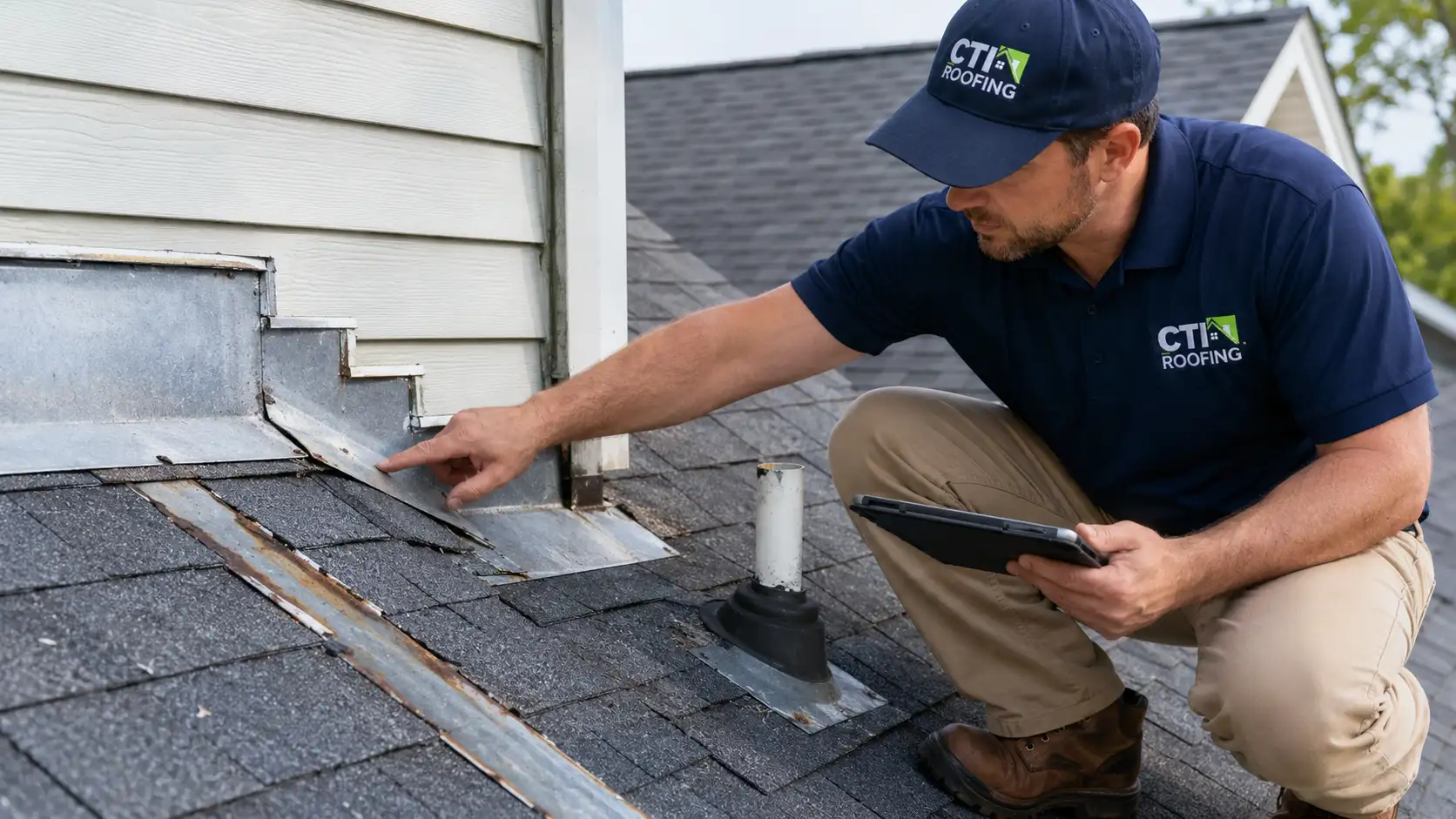
Roof and Flashing Inspection
We inspect the roofing system and look closely at areas where flashing is damaged, missing, loose, corroded, or improperly sealed.

Damage Assessment
Our team identifies the source of the issue, documents problem areas, and explains whether the flashing can be repaired or needs replacement.
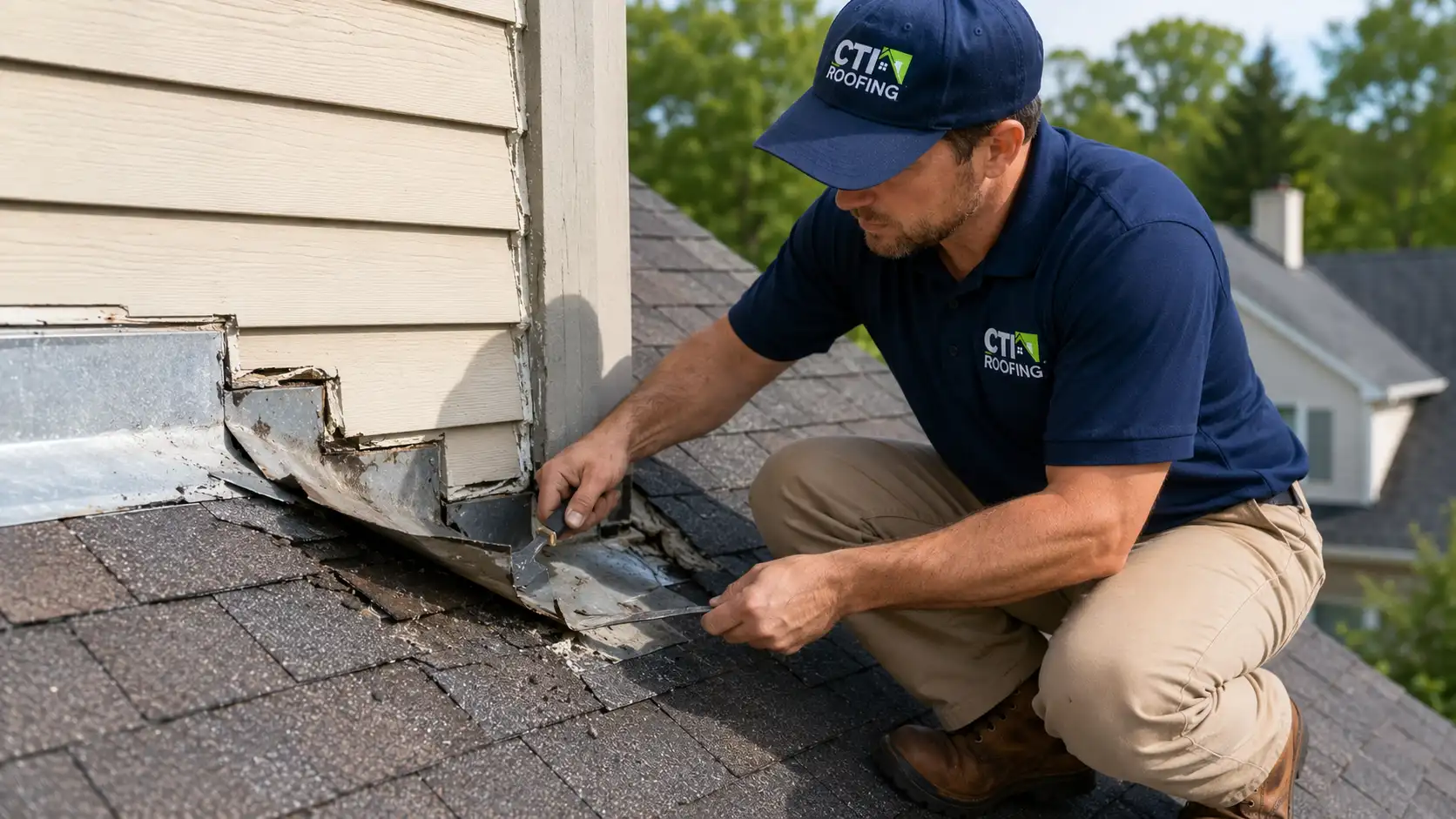
Removal of Damaged Flashing
When flashing is compromised, deteriorated material is carefully removed without causing unnecessary damage to the surrounding roof system.
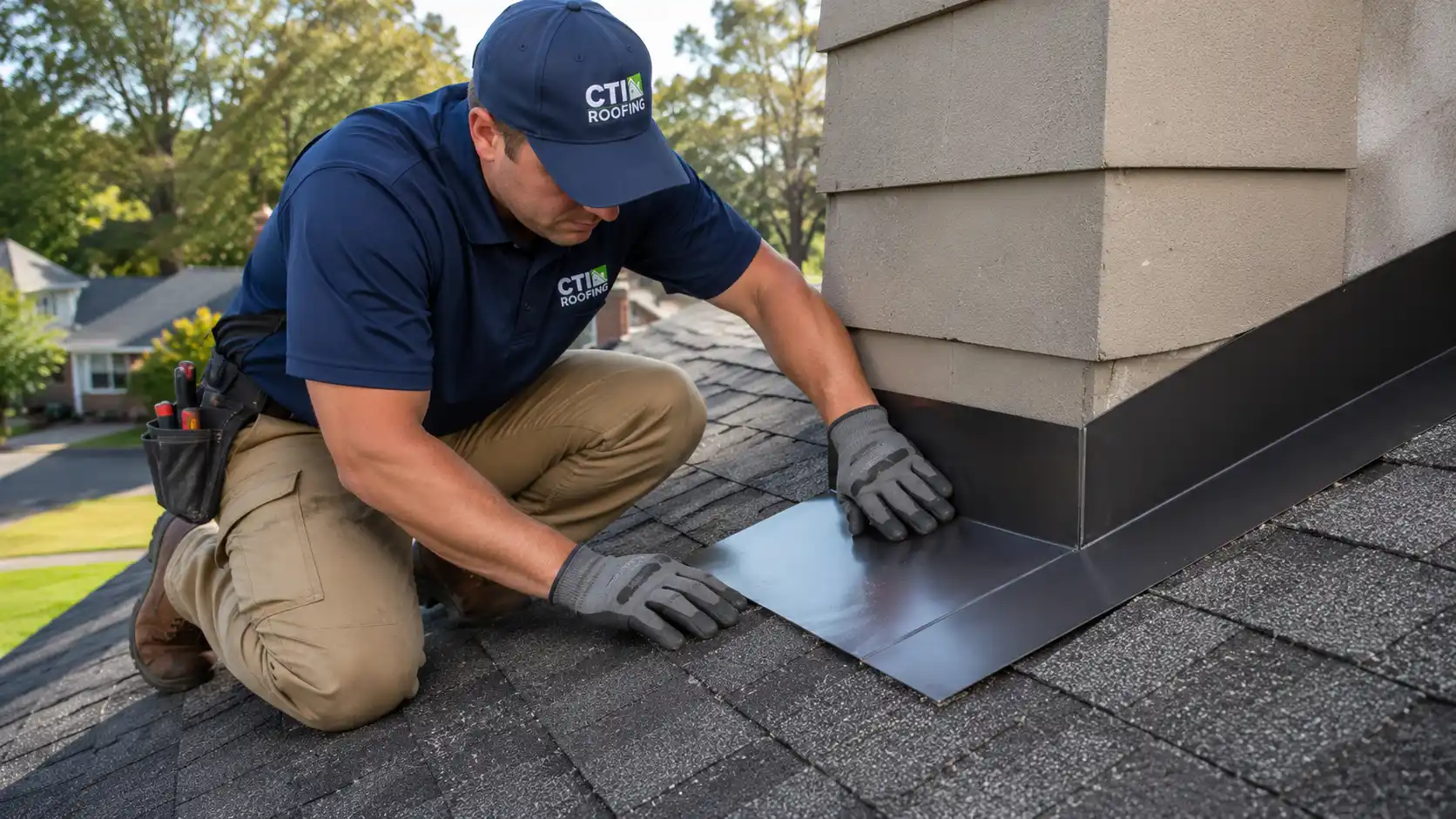
New Flashing Installation
New flashing is installed where needed around chimneys, vents, valleys, skylights, walls, and roof transitions to help restore watertight protection.
Sealant and Quality Check
Flashing areas are properly sealed and reviewed to make sure the repair is secure, clean, and built for long-term performance.

Cleanup and Final Review
After the work is complete, our team cleans the area and reviews the repair so you understand what was done and why it matters.
WHY IT MATTERS
Damaged Flashing Can Lead to Serious Water Damage
Flashing may seem like a small part of the roof, but it plays a major role in keeping water out. When flashing fails, water can enter through roof joints, wall intersections, chimneys, vents, skylights, and valleys.
If the issue is ignored, moisture can damage roof decking, insulation, drywall, paint, framing, and interior finishes. It can also create conditions for mold, mildew, and recurring leaks.
Flashing repair helps protect vulnerable areas before a small leak becomes a larger roof repair or replacement issue.
If the issue is ignored, moisture can damage roof decking, insulation, drywall, paint, framing, and interior finishes. It can also create conditions for mold, mildew, and recurring leaks.
Flashing repair helps protect vulnerable areas before a small leak becomes a larger roof repair or replacement issue.
COMMON FLASHING AREAS
Where Roof Flashing Problems Often Start
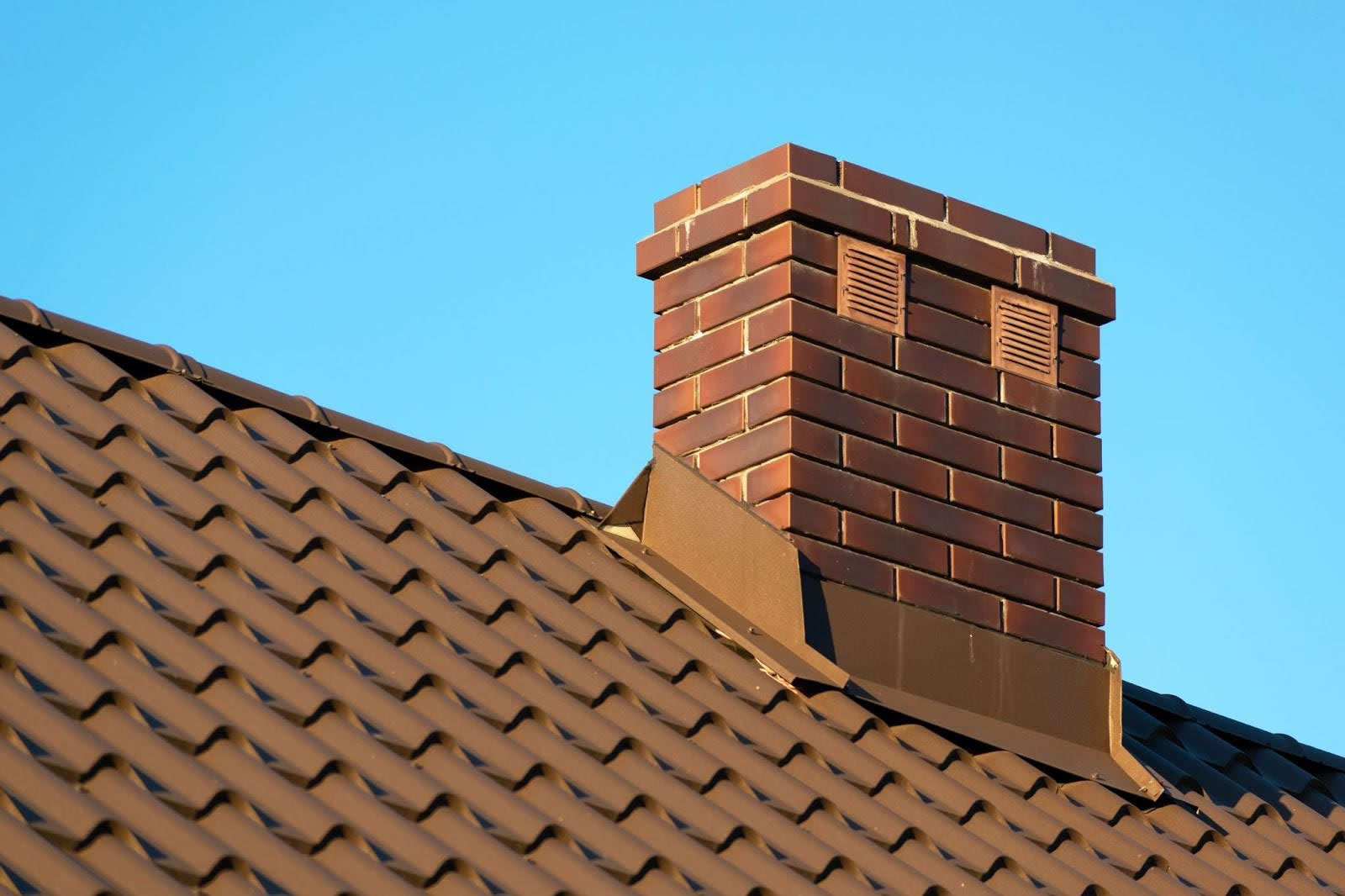
Chimneys
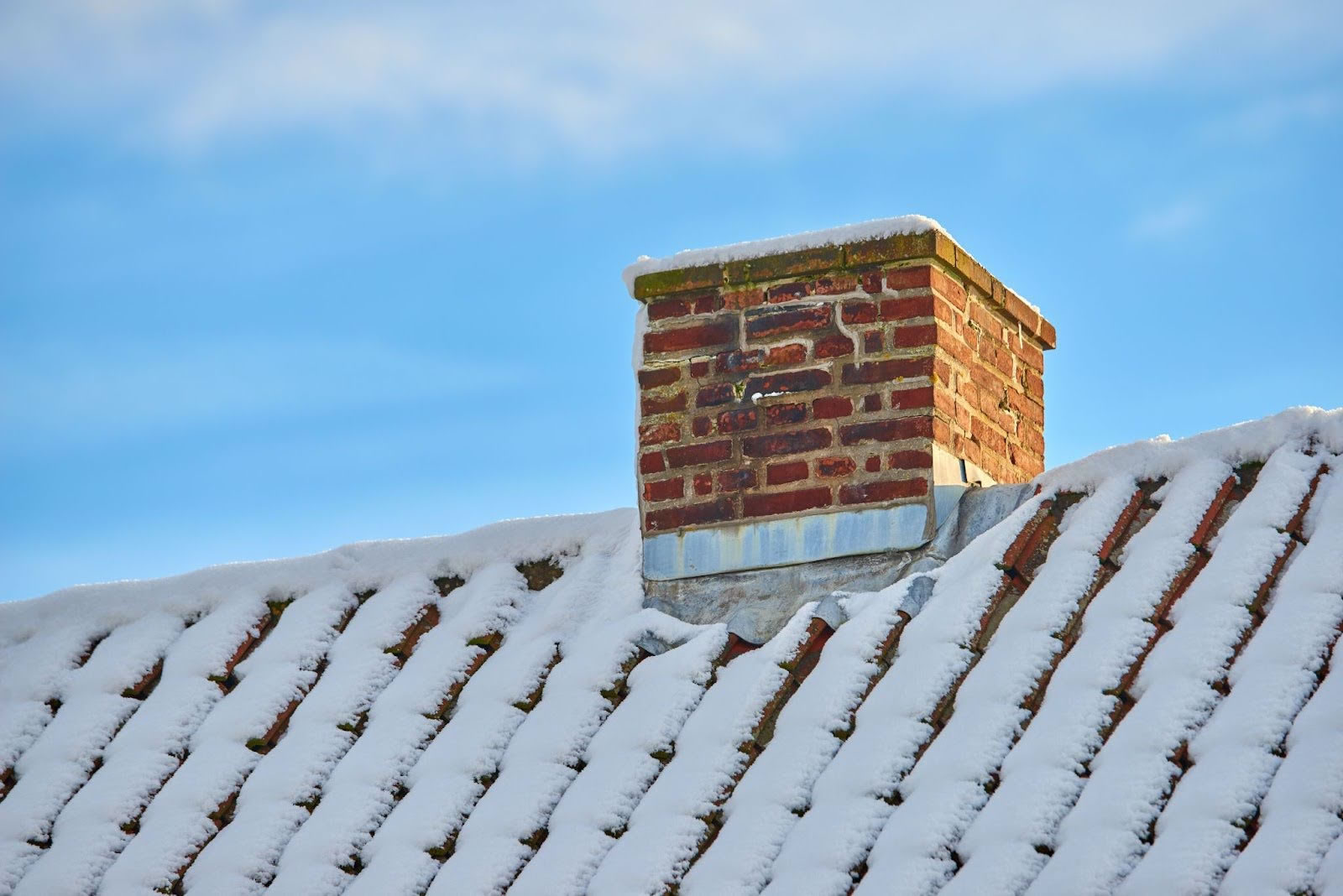
Chimney flashing can loosen, crack, or separate over time, allowing water to enter around the chimney base.
Skylights
Skylight flashing must be properly sealed to keep water from entering around the frame.
Roof Vents
Vents and vent flashing can become damaged by age, weather, wind, or poor installation.
Valleys
Valleys carry a high volume of water, making proper flashing especially important in these areas.
Wall Intersections
Where the roof meets a vertical wall, flashing helps direct water away from seams and prevent leaks.
Roof Transitions
Any place where roof surfaces meet or change direction needs proper flashing to protect against water intrusion.