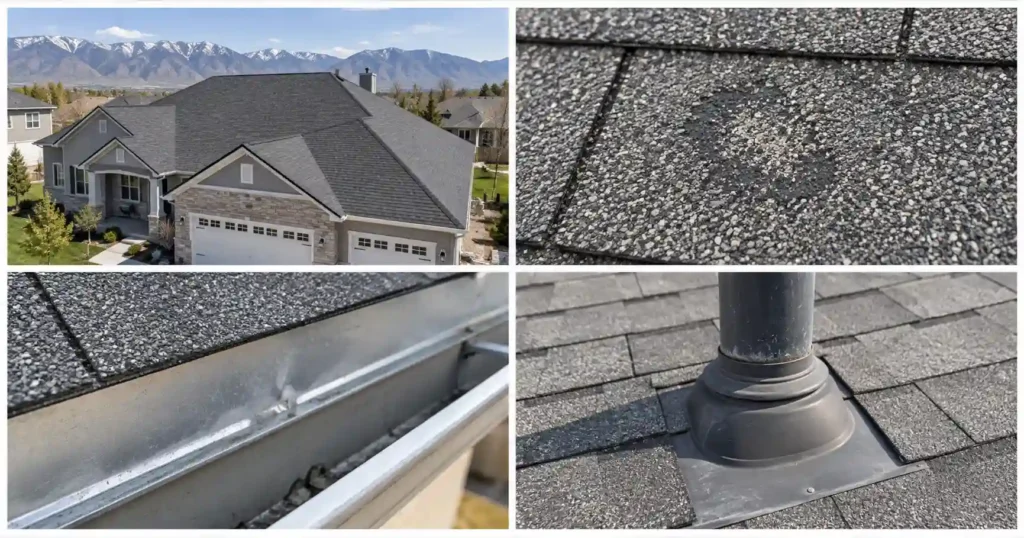

Fall can be one of the easiest seasons to enjoy in Utah. The mornings feel crisp, the afternoons warm back up, and the weather can shift quickly from one day to the next. Your roof feels those changes too.
Cold nights and warm afternoons do not automatically mean you have fall roof damage. Most roofs are built to handle normal seasonal weather. But repeated temperature swings can make small roof concerns easier to notice, especially before winter adds snow, ice, and heavier moisture into the mix.
If your roof has not been on your mind, this is a good time to understand what fall weather can do, what signs are worth watching, and when it makes sense to have someone take a closer look.
Why Fall Temperature Swings Matter for Your Roof
During fall, your roof may cool down overnight and then warm back up during the day. That daily shift causes roofing materials to expand and contract.
A healthy roof can usually handle this movement. The concern is when small issues are already present. A lifted shingle, worn seal, cracked pipe boot, loose flashing, or weak spot around a roof penetration can become more noticeable as the roof moves with changing temperatures.
Think of it like a sidewalk crack. One cool night does not ruin the concrete. But repeated temperature changes can make an existing crack easier to see over time.
The same idea applies to your roof. Fall weather does not always create the problem, but it can reveal areas that were already starting to weaken.
What Parts of the Roof Are Most Affected?
Not every part of the roof responds to temperature swings the same way. Some areas naturally experience more movement, more exposure, or more wear.
Shingles
Asphalt shingles expand in warmer temperatures and contract when the temperature drops. Over time, this repeated movement can affect shingles that are already aging, brittle, loose, or poorly sealed.
A few things to watch for include:
- Shingles that appear lifted at the edges
- Shingles that look curled or cupped
- Missing shingles after wind
- Areas where shingles no longer lie flat
- Excessive granules collecting in gutters or near downspouts
A small amount of granule loss can be normal, especially with newer roofs or after storms. But if you are consistently seeing black, sand-like material in gutters, it may be worth having the roof checked.
Flashing
Flashing is the metal material used around roof transitions, chimneys, walls, skylights, and other areas where water needs to be directed away.
Because flashing sits at seams and transitions, it is one of the areas where small gaps can matter. Fall temperature swings can make loose or aging flashing more noticeable, especially if sealant has dried out or pulled away.
This does not mean you need to panic if your flashing is older. It simply means it is one of the first areas a roofer will usually check during a fall roof inspection.
Pipe Boots and Roof Vents
Pipe boots are the rubber or flexible seals around plumbing pipes that come through the roof. These are common roof leak points because they are exposed to sunlight, heat, cold, and weather year after year.
As temperatures swing, older rubber can become brittle or cracked. A small crack around a pipe boot may not seem like much from the ground, but it can allow water to enter during rain or snow.
Roof vents can also loosen, crack, or develop gaps around the edges. These are not always visible from the yard, which is one reason a roof inspection can be helpful even when everything looks fine from below.
Gutters and Roof Edges
Fall also brings leaves, pine needles, branches, and debris. When gutters clog, water can back up along the roof edge instead of draining properly.
Temperature swings can make this more important because the edge of the roof is already more exposed. If water sits where it should not, colder nights can increase the chance of moisture-related wear as the season moves toward winter.
Clean gutters are not just a curb appeal issue. They help move water off the roof and away from the home.
Does Fall Weather Cause Roof Damage?
Fall weather can contribute to roof stress, but it is usually not the only cause of roof damage.
Most fall roof damage is connected to a combination of factors:
- Roof age
- Previous wind or hail exposure
- Old sealant or flashing
- Loose shingles
- Poor attic ventilation
- Clogged gutters
- Debris sitting on the roof
- Past repairs that were not completed correctly
That is why a single cool night or warm afternoon is not the concern. The concern is repeated seasonal movement on a roof that may already have vulnerable spots.
For many homeowners, the roof may be perfectly fine. For others, fall is simply when early signs become easier to spot.
Signs to Look for Around Your Home This Fall
You do not need to climb on your roof to keep an eye on it. In fact, it is safer to stay on the ground and look for simple visual clues.
Here are a few signs worth noticing:
1. Granules in the Gutters
If you see black, sandy material in your gutters or at the bottom of your downspouts, those may be shingle granules.
Granules help protect asphalt shingles from sun exposure and weather. Some granule loss is normal, but heavy or repeated buildup can be a sign that the shingles are wearing down.
This does not automatically mean you need a new roof. It does mean your roof may be worth checking before winter.
2. Shingles That Look Lifted, Curled, or Uneven
From the ground, look for areas where the roofline appears uneven or where shingles seem to be lifting at the edges.
Temperature changes can make already-loose shingles more noticeable. Wind can also catch lifted shingles more easily.
If you see one small area that looks different from the rest of the roof, take a photo and keep an eye on it. A roofer can tell you whether it is cosmetic, repairable, or something that needs closer attention.
3. Debris Sitting on the Roof
Leaves, branches, and pine needles can hold moisture against the roof. That moisture can affect shingles, valleys, and gutters if debris sits too long.
Pay attention to roof valleys especially. Valleys are where two roof slopes meet, and they carry a lot of water during storms. If debris collects there, drainage can slow down.
4. Stains on Ceilings or Walls
Interior stains are one of the more obvious signs that water may be getting in somewhere.
A ceiling stain does not always mean the roof is the source. Plumbing, condensation, attic ventilation, or HVAC issues can also cause moisture problems. But if you notice a new stain after rain or snow, it is worth documenting and having it checked.
5. Gaps Around Chimneys, Vents, or Skylights
You may not be able to see these clearly from the ground, but you might notice missing sealant, rust, lifted metal, or dark staining near roof penetrations.
These areas are common places for small leaks to start because they rely on proper flashing and sealing.
6. Gutters Overflowing During Rain
If water spills over the front of the gutter instead of flowing through the downspout, the gutter may be clogged or pitched incorrectly.
Overflowing gutters can send water where it should not go, including behind fascia, near siding, or close to the foundation.
Why Fall Is a Good Time to Check Your Roof
Fall is a practical time to look at the roof because it gives you a window before winter weather arrives.
If everything looks good, you get peace of mind.
If something small needs attention, you have time to address it before snow, ice, and repeated freeze-thaw cycles make the issue harder to manage.
A fall roof check can help answer questions like:
- Are the shingles still lying flat?
- Are the pipe boots and vents sealed properly?
- Is the flashing still doing its job?
- Are the gutters draining the way they should?
- Is there any visible storm damage from earlier in the year?
- Is anything loose before winter weather arrives?
The goal is not to create worry. The goal is to avoid surprises.
What Homeowners Can Safely Do From the Ground
You do not need to get on the roof to be proactive. Most homeowners can do a simple visual check from the ground.
Here is a safe fall roof checklist:
- Walk around the home and look for missing, lifted, or uneven shingles.
- Check gutters and downspouts for heavy granule buildup.
- Look for leaves or branches sitting in roof valleys.
- Watch how the gutters drain during the next rain.
- Check ceilings and attic areas for new stains or moisture.
- Take photos of anything that looks different so you can compare it later.
- Schedule a roof inspection if you are unsure what you are seeing.
Avoid climbing onto the roof, especially if the shingles are damp, frosty, steep, or covered with debris. A roof can be more slippery than it looks.
When a Fall Roof Inspection Makes Sense
You may want a professional roof inspection if:
- Your roof is older and has not been checked recently
- You noticed granules in the gutters
- You see lifted or missing shingles
- You had wind or hail earlier in the year
- You see staining inside the home
- Your gutters overflow during rain
- You are not sure how your roof will handle winter
- You simply want peace of mind before the season changes
An inspection does not mean you are signing up for a roof replacement. A good inspection should help you understand what is actually going on.
Sometimes the answer is: everything looks fine.
Sometimes the answer is: one small repair would help.
Sometimes the answer is: the roof is aging and should be watched.
And sometimes, yes, the roof may need more serious attention. But you should not have to guess.
What an Honest Roof Inspection Should Tell You
A helpful roof inspection should not feel like a sales presentation.
It should give you clear answers:
- What did the roofer see?
- Where is the concern?
- Is it urgent or something to monitor?
- Can it be repaired?
- Is replacement actually necessary?
- What photos or documentation support the recommendation?
- What should you do before winter?
For most homeowners, this clarity matters. You may not know roofing terms, and you should not have to. A good roofer should be able to explain what they see in plain language.
If your roof is okay, they should be willing to say that.
Fall Roof Damage FAQs
Can cold nights and warm afternoons damage my roof?
Normal fall temperature changes do not automatically damage a roof. However, repeated expansion and contraction can make existing issues more noticeable, especially on older shingles, flashing, pipe boots, and sealants.
What is the most common fall roof problem?
Common fall concerns include loose shingles, clogged gutters, debris in roof valleys, worn pipe boots, and small flashing gaps. These issues are often easier to address before winter weather arrives.
Are granules in my gutters a bad sign?
Granules in gutters can be normal in small amounts, but heavy or repeated granule buildup can mean the shingles are wearing down. It does not always mean you need a new roof, but it is a good reason to have the roof checked.
Should I get my roof inspected before winter?
A fall roof inspection can be helpful if your roof is older, you had storms earlier in the year, you see granules or lifted shingles, or you simply are not sure what condition the roof is in. The goal is to find small concerns before winter makes them harder to deal with.
Do I need a roof replacement if I see fall roof damage?
Not always. Some roof concerns can be repaired, especially if they are caught early. A missing shingle, cracked pipe boot, or flashing issue does not automatically mean the whole roof needs to be replaced.
Can I inspect my own roof?
You can safely look from the ground, check gutters, watch drainage, and look for interior stains. Avoid climbing onto the roof. If something looks off, a professional roofer can inspect it more safely and thoroughly.
What should I do if I am not sure whether my roof is okay?
Take a few photos of anything concerning, write down when you noticed it, and schedule a professional inspection. A clear inspection can tell you whether the roof looks fine, needs a small repair, or should be watched more closely.
A Calm Next Step Before Winter
Fall temperature swings are not a reason to assume the worst. They are simply a reminder to pay attention.
Your roof may be in good shape. It may only need minor maintenance. Or there may be a small issue that is easier to handle now than after winter weather arrives.
If you are not sure how your roof handled the season change, CTI Roofing can help you get a clear answer.
Schedule a free roof inspection with CTI Roofing. No sales pitch. No obligation. Just an honest look at where your roof stands before winter.
Call CTI Roofing at (801) 758-7791.