After a hailstorm, windstorm, roof leak, or missing shingles, it is normal to want a clear answer fast. You may be wondering if the damage is serious, whether it is worth filing a claim, and whether a roofer can tell you if insurance will pay for the work.
Here is the honest answer: a roofer can help you understand the roofing side of the situation. A roofer can inspect the roof, document visible damage, explain repair or replacement options, and provide an estimate, but your insurance company decides coverage, claim approval, and payment based on your policy and their claim review.
That distinction matters. Good roof insurance claim help should make the process clearer, not pressure you into decisions or promise outcomes no contractor can control.
What Is the Straight Answer?
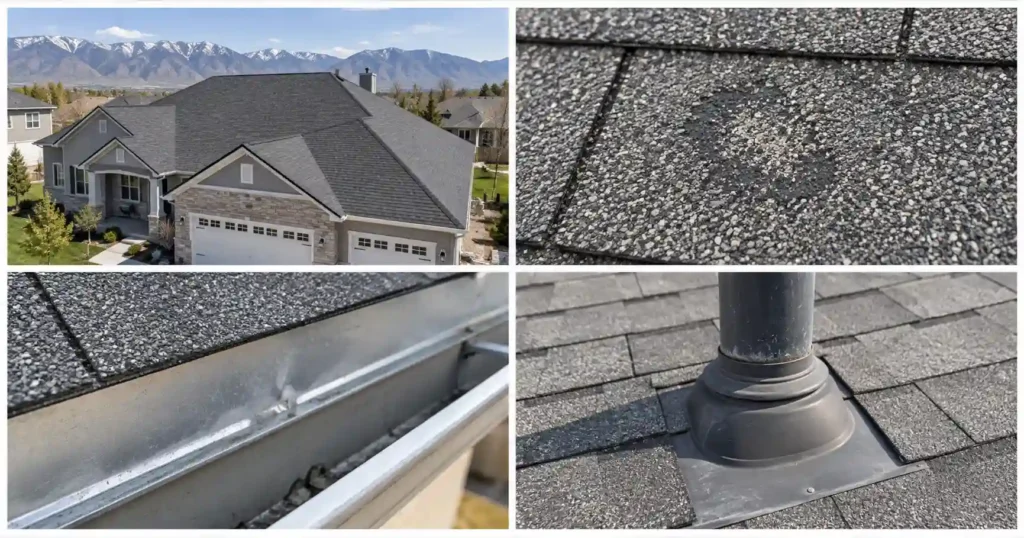
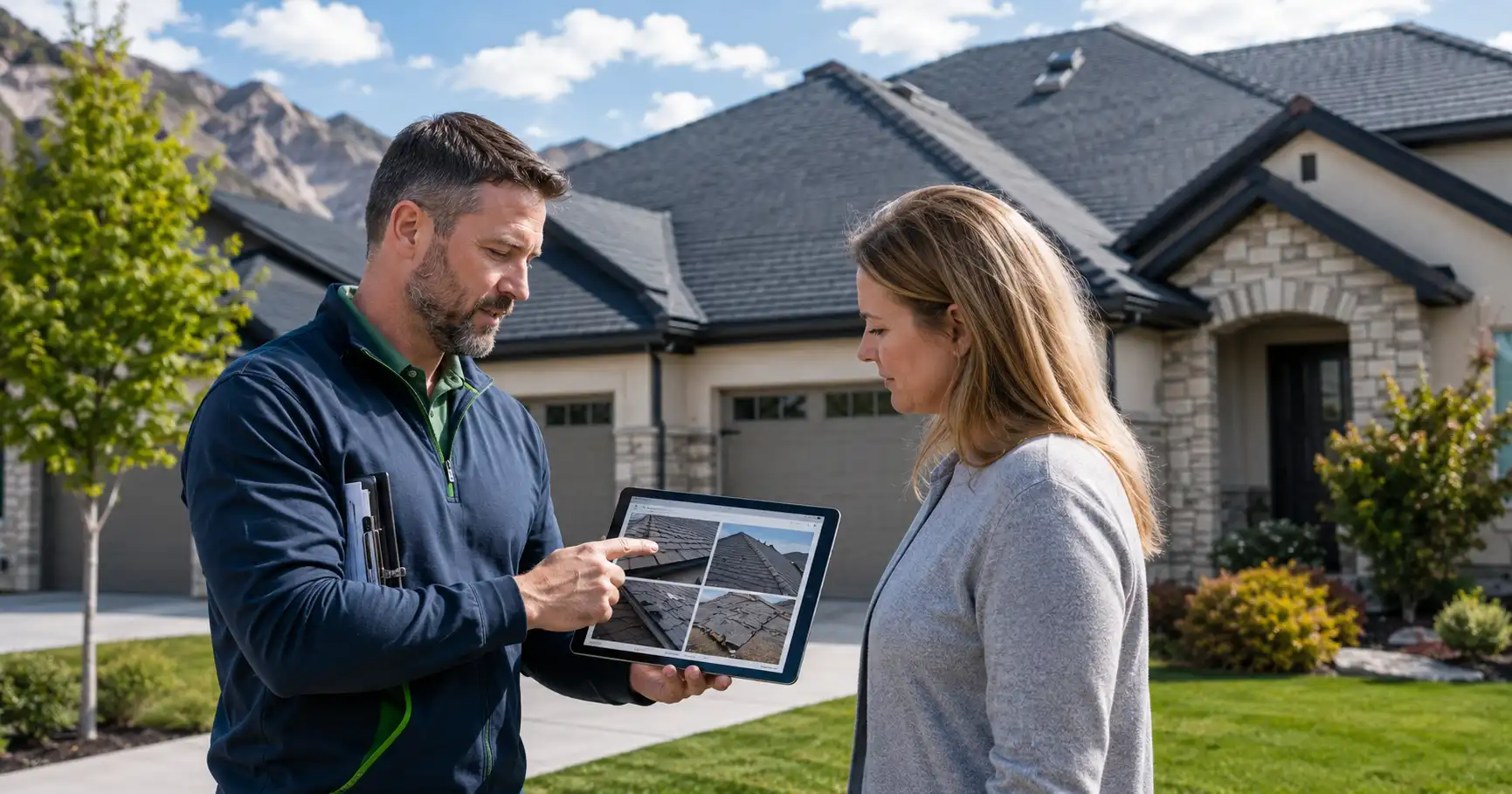
A trustworthy roofer can tell you what they see on the roof. They can point out hail impact marks, lifted shingles, missing shingles, damaged vents, dented gutters, damaged flashing, soft spots, exposed decking, or other visible concerns that may matter after a storm.
A roofer cannot honestly say, “Your insurance will definitely cover this,” “You are guaranteed a new roof,” or “We will get your claim approved.” The National Association of Insurance Commissioners explains that homeowners should know their deductible, document damage, contact their insurer when filing, and work through the insurance claim process with the carrier. It also notes that having a contractor meet with you and the insurance adjuster may help, but that is different from the contractor deciding the claim.
Why Roof Insurance Claims Get Confusing
Roof damage does not always tell the whole story from the ground. A missing shingle might be a straightforward repair, while widespread hail damage across multiple slopes may be something worth discussing with your insurance company.
Insurance language can also get confusing quickly. Your policy, deductible, roof age, cause of damage, type of damage, and carrier review can all affect what happens next, which is why a roofer should be careful about speaking too confidently about coverage.
The Utah Insurance Department notes that many standard homeowners policies cover damage from wind and similar events, while some types of damage are commonly excluded or may depend on policy details. That is why homeowners should check their policy, document the damage, and discuss specific coverage questions with their insurance company.
What a Roofer Can Responsibly Promise
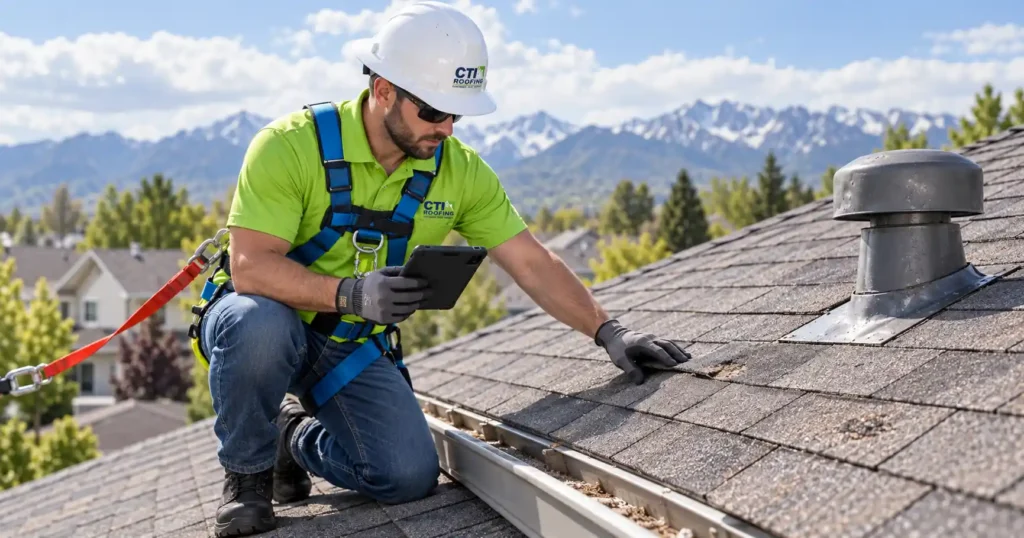
A roofer can promise to inspect the roof carefully. That should include more than a quick glance from the driveway, especially after hail, wind, or heavy storm activity.
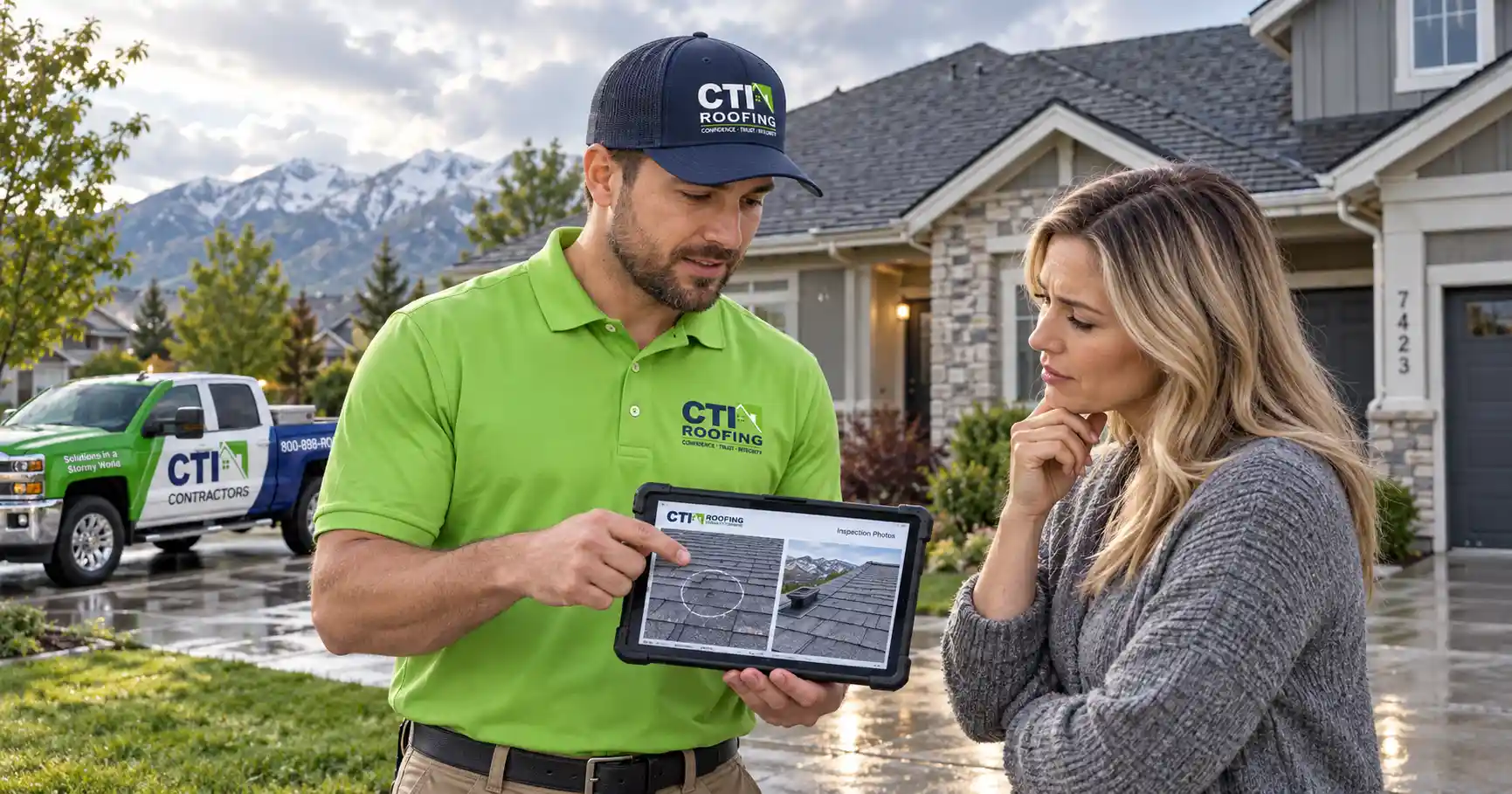
A roofer can also promise to document what they find. Good documentation may include photos or video of damaged shingles, hail marks, lifted or creased shingles, damaged vents, dented gutters, flashing problems, roof slopes affected, and any areas that appear unrelated to the storm.
A roofer can explain whether the damage appears consistent with storm activity. That does not mean the roofer is approving the claim; it means they are giving you a roofing-based opinion about what the visible evidence appears to show.
A roofer can provide a repair or replacement estimate based on the roof work needed. That estimate can help you compare the likely cost of the work against your deductible before you decide whether a claim conversation makes sense.
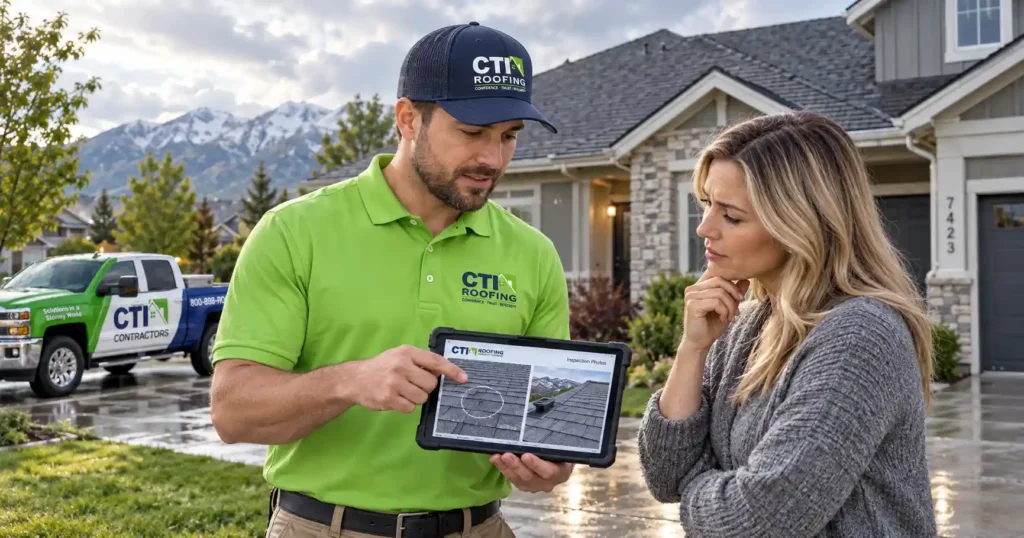
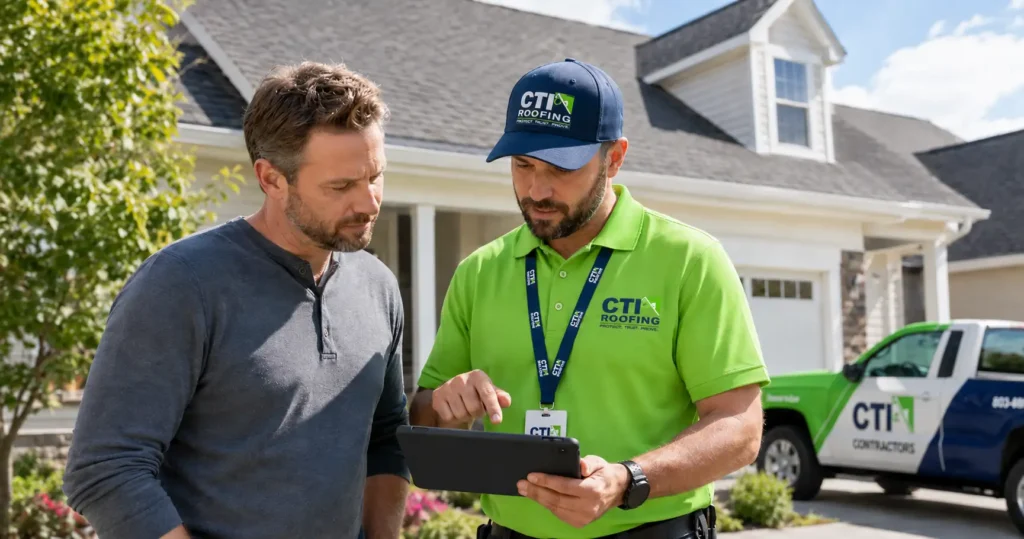
A roofer can also meet with the insurance adjuster when appropriate. Our insurance-claim process includes roof inspection, photo documentation, adjuster meeting support, follow-through, and final documentation, while still starting with a free inspection and no obligation to file a claim or hire CTI Roofing.
What a Roofer Cannot Honestly Promise
A roofer cannot promise that your claim will be approved. The insurance company reviews the claim, the policy, the cause of damage, and the adjuster’s findings before making a coverage decision.
A roofer cannot promise the exact payout amount. They may provide a roofing estimate, but the carrier determines the covered scope, depreciation, deductible application, supplements, and payment process.
A roofer cannot promise that every storm-damaged roof needs replacement. Some roofs need repair, some need further review, and some damage may not be related to a covered event at all.
A roofer cannot promise that your premium will not change. Insurance pricing and renewal decisions belong to the insurance company, not the contractor.
A roofer also should not tell you to sign rushed paperwork, assign benefits without understanding the consequences, or authorize work before you know what you are agreeing to. The Utah Insurance Department warns homeowners to be careful with post-storm roofing offers, especially when contractors ask homeowners to sign documents quickly or authorize repairs before the insurance company has reviewed the damage.
The Difference Between Roof Documentation and Claim Approval
Roof documentation is evidence. Claim approval is an insurance decision.
A roofing contractor documents the physical condition of the roof. The adjuster and insurance company review the claim according to the policy, the reported loss, the damage observed, and the carrier’s claim process.
That is why the safest language from a roofer sounds like this: “We can inspect the roof, document what we find, and explain whether the damage appears worth discussing with your insurance company.” It should not sound like this: “We guarantee insurance will buy you a new roof.”
Red Flags to Watch for After a Storm
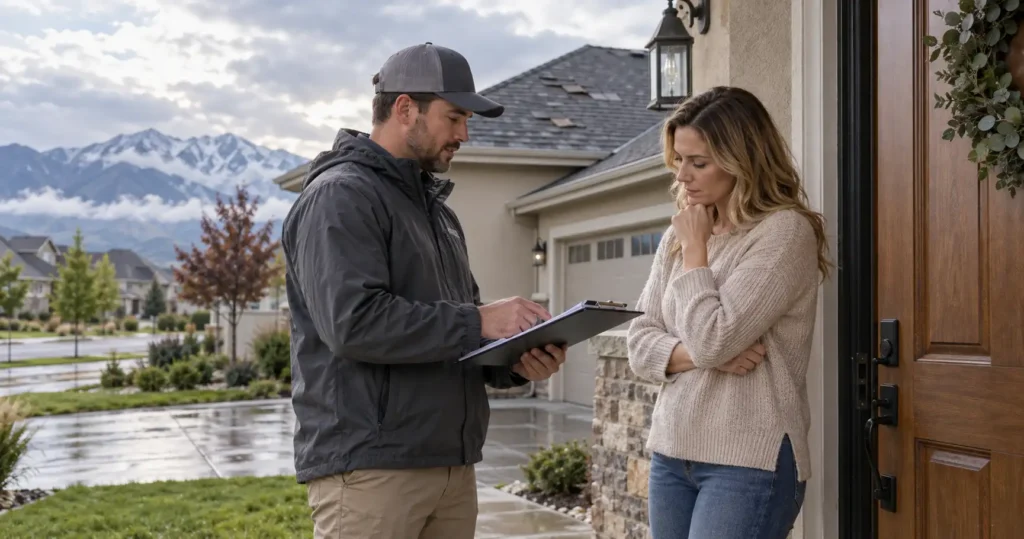
Be careful if a contractor says your insurance will definitely pay before the carrier has reviewed the claim. A contractor can have experience with storm damage, but they do not control your policy or your adjuster’s decision.
Be cautious if someone promises a new roof before doing a full inspection. One dented vent, one missing shingle, or a neighbor’s approved claim does not automatically mean your roof qualifies for the same outcome.
You should also slow down if a contractor pressures you to sign immediately. The Utah Insurance Department advises homeowners not to feel rushed or pushed into settlements or repair decisions and recommends written estimates, licensing checks, references, and caution before signing contracts or turning over settlement payments.
Should You Call a Roofer or Insurance First?
You can call your insurance company first. That is always an option, especially if you already know you have significant storm damage, active leaking, or interior water damage.
Many homeowners choose to get the roof inspected first because they want to understand what they are looking at before deciding whether to open a claim. An inspection and a claim are not the same thing, and a good inspection can help clarify whether the damage looks minor, widespread, storm-related, maintenance-related, repairable, or worth discussing with the carrier.
The NAIC recommends knowing your deductible before filing and notes that if damage is minor, you may decide to pay for repairs out of pocket, while larger damage that may cost more than the deductible may justify filing a claim. That is why documentation and an estimate can be useful before you make the decision.
What If the Roof Is Leaking Right Now?
If water is actively coming into the home, focus first on limiting further damage. Move belongings, take photos or video, catch the water if you can do so safely, and avoid climbing onto the roof yourself during unsafe conditions.
The Utah Insurance Department advises homeowners to take photos or video before cleanup, mitigate further damage, keep receipts for temporary repairs, and use licensed and insured contractors. Temporary protection may be needed before the full insurance decision is finished, especially if rain or snow could make the damage worse.
What an Honest Roofer Should Say
An honest roofer should be clear about what they know and what they do not know. They can tell you what damage they found, where they found it, what may have caused it, and what roofing work may be needed.
They should also be willing to say when a repair appears to make more sense than a claim or replacement. Not every roof problem needs an insurance claim, and not every insurance-related inspection should turn into a full roof replacement.
The best roofing conversation leaves you with more clarity, not more pressure. You should understand the roof damage, the likely repair or replacement path, what documentation you have, and which questions belong to your insurance company.
How CTI Roofing Helps With Roof Insurance Claim Questions
We can inspect your roof, document visible damage, explain what appears to be storm-related, and help you understand whether the damage looks worth discussing with your insurance company. The goal is not to promise an insurance result; the goal is to give you a clear, honest roofing assessment.
If your roof only needs a repair, we will tell you that. If the damage appears more significant, we can provide documentation, explain the roofing scope, and support the adjuster meeting so the roof damage is clearly shown and nothing obvious gets missed.
That is the difference between helpful roof insurance claim guidance and risky overpromising. A trustworthy roofer helps you understand the roof. Your insurance company decides the claim.
Questions to Ask Before You File a Roof Insurance Claim
Ask the roofer what they found and where they found it. The answer should include specific roof areas, not vague statements like “there is damage everywhere.”
Ask whether the issue appears repairable. A roofer who jumps straight to replacement without explaining why may not be giving you enough information.
Ask for photos or video. Clear documentation helps you understand the roof condition and gives you a better starting point if you decide to talk with your insurance company.
Ask what parts of the process the roofer can help with. The answer should include inspection, documentation, estimate, roofing explanation, and adjuster meeting support. It’s not guaranteed approval or guaranteed payment.
Ask which questions should go to your insurance company. Coverage, deductible application, exclusions, deadlines, depreciation, and payout timing should be confirmed with your carrier or policy representative.
Need Help Understanding Possible Roof Insurance Damage?
We can inspect your roof, document what we find, and explain whether the damage appears worth discussing with your insurance company. No pressure, no rushed paperwork, and no promises we cannot make.
Schedule a free roof inspection and get a clear answer about what is happening on your roof. We will help you understand the roofing side of the situation so you can make the next decision with more confidence.