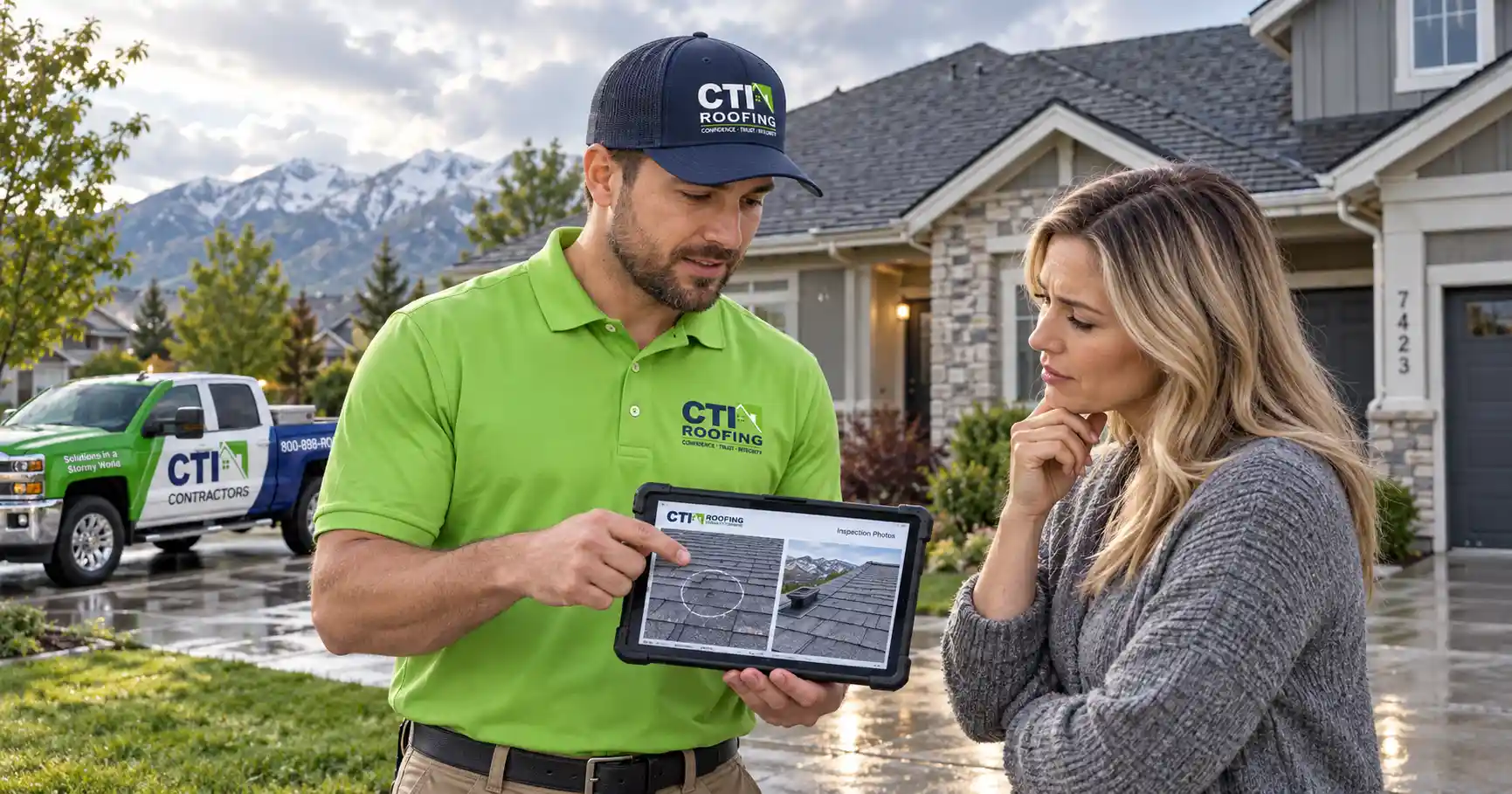

A roof inspection should give you clarity. It should not leave you wondering whether the roofer actually checked the roof, whether the photos match the recommendation, or whether the whole appointment was just a setup to sell you a full replacement. That is what makes roof inspections confusing for a lot of homeowners.
On paper, a “free roof inspection” sounds helpful. In reality, some inspections feel more like a sales appointment than an actual assessment. The roofer gets on the roof, comes back down, says the roof is in bad shape, and starts talking about replacement before you have seen a single photo or understood what they found. That does not mean every roofer is dishonest. It does mean homeowners should know what a helpful inspection actually looks like.
An honest roof inspection should help you understand:
- What condition your roof is actually in
- Whether the issue is minor, moderate, or serious
- Whether repair, maintenance, monitoring, or replacement makes the most sense
- What evidence supports the recommendation
- What can wait and what should not wait
- What questions to ask before agreeing to any work
The goal is not to make you a roofing expert overnight. The goal is to help you recognize the difference between a real inspection and a sales setup.
The Main Difference: Clarity vs. Pressure
A helpful roof inspection leaves you with clarity. A sales setup leaves you with pressure. That is the easiest way to think about it.
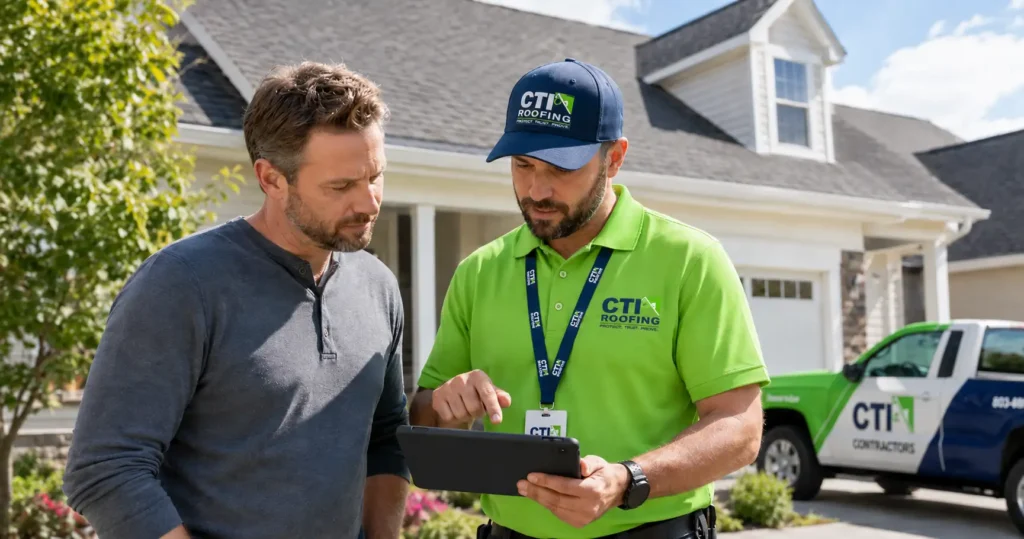
After a good inspection, you should understand what the roofer saw, why it matters, and what your practical options are. You may still need time to think. You may still have questions. But you should not feel confused, rushed, or scared into making a decision while someone is standing in your driveway.
A good roofer should be able to explain the findings in plain language. Not with vague statements like:
- “Your roof is shot.”
- “You definitely need a new roof.”
- “This is going to be a big problem if you do not act today.”
Those statements might be true in some situations, but they are not helpful without evidence.
A more honest explanation sounds like:
“Here are the areas we inspected. These shingles are showing wear, this pipe boot is cracking, this flashing area needs attention, and these sections still look serviceable. Based on what we saw, here are your options.”
That is a very different conversation.
What an Honest Roof Inspection Should Include
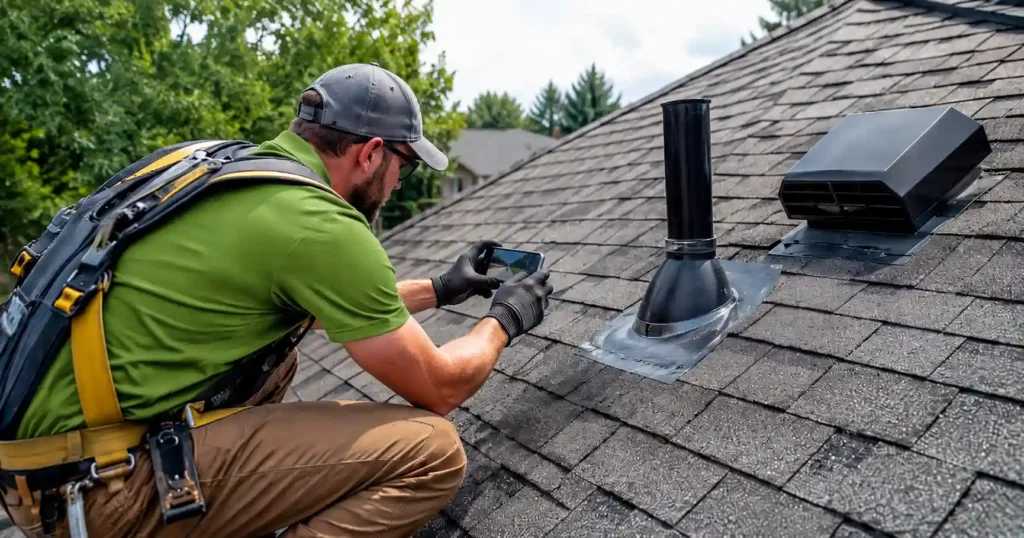
At a practical level, an honest roof inspection should include a full visual review of the roof system, clear documentation, and a recommendation that matches the actual condition of the roof.
Here is what that usually means.
1. A Review of the Overall Roof Condition
The roofer should look at the roof as a full system, not just one obvious problem area. That includes checking the general condition of the shingles or roofing material, visible wear patterns, roof age indicators, and areas where water is most likely to travel.
For asphalt shingle roofs, this may include looking for:
- Missing shingles
- Lifted or loose shingles
- Cracked shingles
- Curling or cupping
- Granule loss
- Exposed matting
- Soft or uneven areas
- Signs of poor installation
- Past repair work
The key is context. A few worn shingles do not automatically mean the whole roof needs to be replaced. At the same time, one visible leak may point to a larger roof system issue. A good inspection should help separate isolated problems from widespread failure. That distinction matters because it is often the difference between a repair and a replacement.
2. Photos of What Was Found
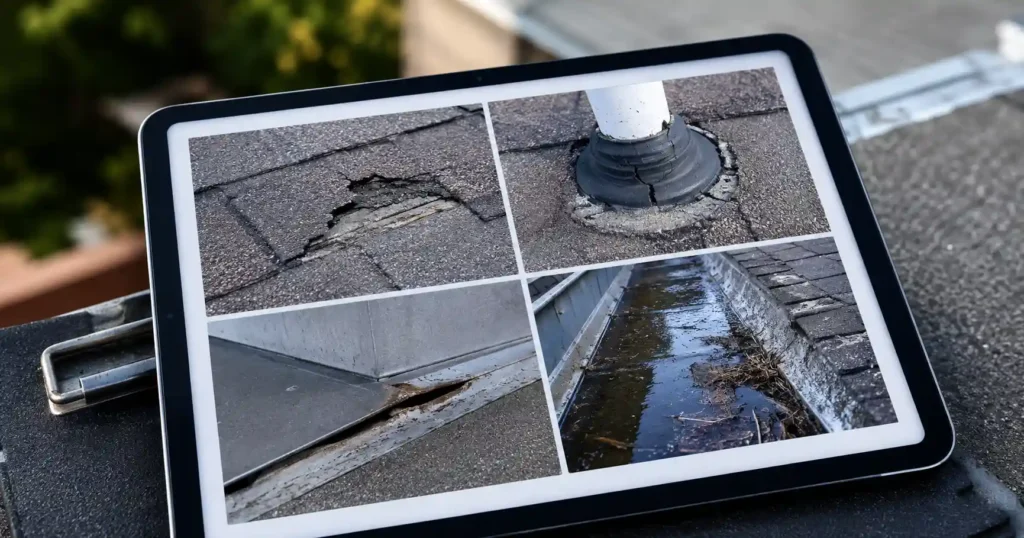
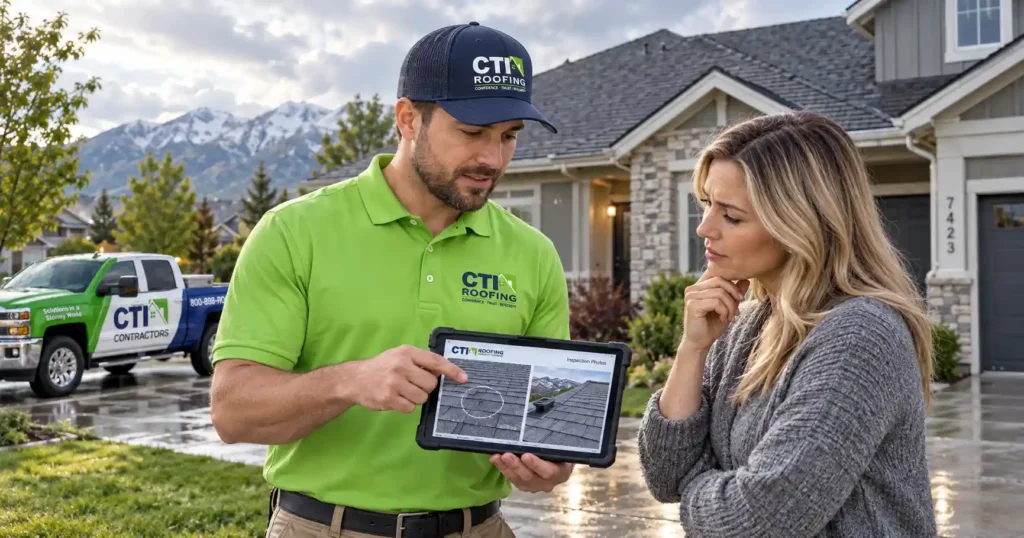
Photos are one of the simplest signs that an inspection is being handled seriously. You should not have to take the roofer’s word for everything. If they are recommending a repair or replacement, they should be able to show you what they saw.
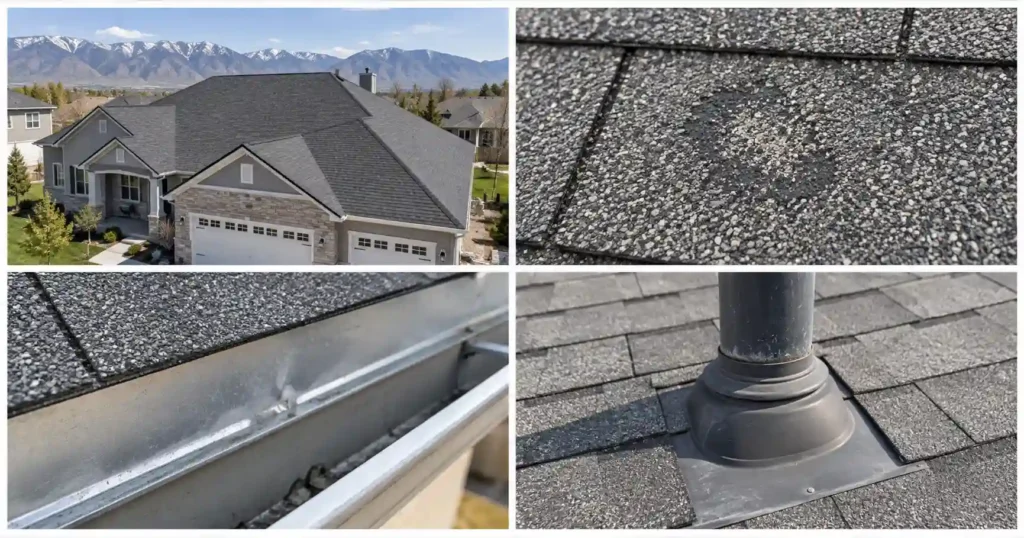
Photos may include:
- Damaged shingles
- Missing shingles
- Worn areas
- Flashing concerns
- Cracked pipe boots
- Vent issues
- Exposed nail heads
- Storm damage indicators
- Areas where water may be entering
- Interior or attic evidence when needed
The photos do not need to be fancy. They just need to be clear enough for you to understand the concern. A photo-backed explanation is especially important if the recommendation is expensive. If someone says you need major work but cannot show you why, that is a red flag.
3. Flashing, Valleys, and Roof Transition Areas
Some of the most important parts of a roof are also the easiest for homeowners to overlook. Flashing, valleys, and transition areas are where leaks often begin because they are places where water changes direction, slows down, or collects.
A proper inspection should include areas such as:
- Chimney flashing
- Wall flashing
- Step flashing
- Valleys
- Roof-to-wall connections
- Skylight areas
- Dormers
- Low-slope transitions
- Areas where different roof sections meet
These areas matter because a roof can have mostly decent shingles and still leak because flashing failed. That is one reason an honest inspection should not jump straight to “you need a new roof” without explaining where the actual failure is happening. Sometimes the problem is not the entire roof. Sometimes it is a vulnerable detail that needs proper repair.
4. Vents, Pipe Boots, and Roof Penetrations
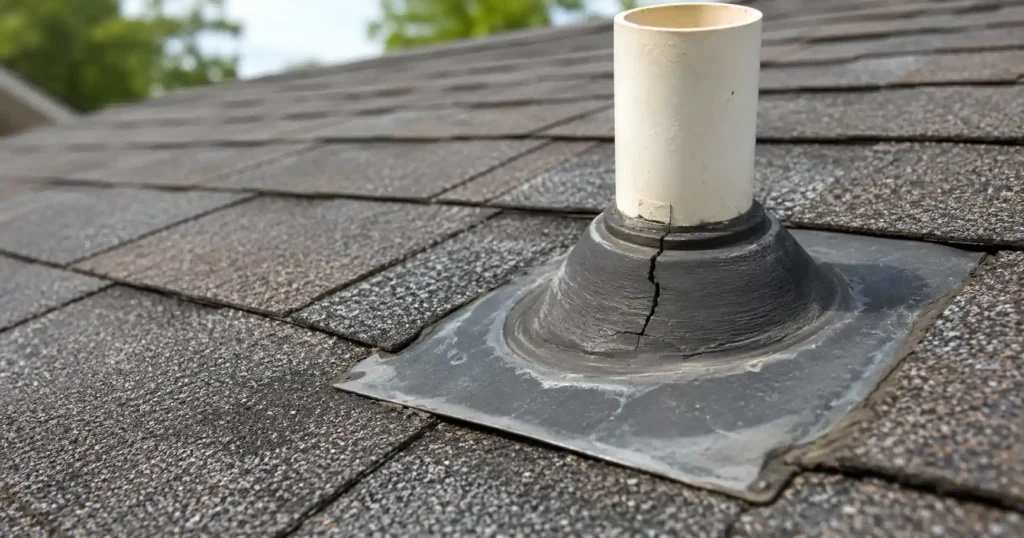
Every place something comes through the roof is a potential leak point. That includes plumbing vents, exhaust vents, attic vents, furnace vents, and other roof penetrations. These parts are often sealed with rubber, metal, flashing, or sealant, and those materials can wear out before the shingles do.
A roofer should check for:
- Cracked pipe boots
- Loose or damaged vent covers
- Rusted metal components
- Failed sealant
- Exposed fasteners
- Gaps around penetrations
- Signs of water entry around vent areas
This is important because a small roof leak does not always mean the roof is failing. For example, a cracked pipe boot can sometimes cause a leak that looks alarming from inside the home. But the fix may be targeted and much smaller than a full roof replacement. That is the kind of explanation a homeowner deserves.
5. Gutters, Downspouts, and Drainage Clues
Your gutters can tell a lot about your roof. During an inspection, the roofer should pay attention to drainage patterns, gutter buildup, and signs that water is not moving off the roof properly.
They may look for:
- Heavy granule buildup
- Loose gutters
- Overflow marks
- Damaged downspouts
- Water staining
- Poor drainage areas
- Debris in valleys or roof edges
Granules in the gutter can be normal in small amounts, especially after a new roof installation or after weather changes. But heavy granule loss on an older roof can indicate that the shingles are wearing down.
Again, context matters. An honest roofer should explain whether what they are seeing looks normal for the roof’s age or whether it points to a bigger issue.
6. Signs of Storm, Hail, or Wind Damage
If the inspection is happening after a storm, hail, or strong wind, the roofer should check for storm-related damage carefully.
That may include:
- Bruised or dented shingles
- Missing shingles
- Creased shingles
- Lifted tabs
- Damage to vents or metal components
- Dents on gutters or downspouts
- Impact marks
- Wind-driven water entry
- Damage patterns across different slopes
A good roofer should also be careful with insurance language. Not every storm mark means you need to file a claim. Not every hail event means the roof qualifies for replacement. And not every cosmetic mark affects the function of the roof. A helpful inspection should explain whether the damage appears cosmetic, functional, or serious enough to take the next step.
A pressure-based inspection may jump straight to:
“You need to file a claim.”
An honest inspection should first explain:
“What we found, what it may mean, and whether it appears claim-worthy based on visible damage.”
That is a big difference.
7. Interior or Attic Review When Needed
Not every roof inspection requires an attic or interior review. But if there are signs of water intrusion, ceiling stains, moisture, recurring leaks, or ventilation issues, the roofer may need to look inside. Interior or attic clues can help confirm whether the roof is actively leaking or whether the visible issue may be old, unrelated, or coming from another source.
An attic or interior review may include checking for:
- Water stains
- Wet decking
- Mold-like growth
- Rusted nails
- Poor ventilation
- Condensation issues
- Light coming through roof gaps
- Insulation damage
- Signs of repeated moisture
This matters because not every ceiling stain means an active roof leak. Sometimes a stain is old. Sometimes the issue is condensation. Sometimes the leak starts in one place and travels before showing up somewhere else. A good inspection connects the outside findings with the inside evidence when needed.
8. Repair vs. Replacement Reasoning
This may be the most important part of the entire inspection. If a roofer recommends repair, they should explain why repair makes sense. If a roofer recommends replacement, they should explain why repair may no longer be the responsible option.
A real inspection should answer questions like:
- Is the problem isolated or widespread?
- How old is the roof?
- Are the shingles still serviceable?
- Are there multiple failure points?
- Has the roof already been repaired several times?
- Is the roof leaking because of one component or because the system is worn out?
- Would a repair buy meaningful time, or would it only delay the same problem briefly?
A replacement recommendation should not be based on fear. It should be based on evidence. And a repair recommendation should not be dismissed just because replacement would be more profitable.
An honest roofer should be willing to say:
“You do not need a full roof replacement right now.”
That sentence matters.
9. A Written Recommendation
After the inspection, you should have something clear to review. That may be a written summary, estimate, inspection report, photo-backed recommendation, or documented scope of work.
At minimum, the recommendation should explain:
- What was inspected
- What was found
- What areas are concerning
- What is still in acceptable condition
- What the recommended next step is
- Whether the issue is urgent
- Whether repair or replacement is being recommended
- What the proposed work includes
A vague verbal recommendation is hard to trust and hard to compare. A written recommendation gives you time to think, ask follow-up questions, and make a decision without feeling pressured.
10. Options, Not Just One Big Answer
A helpful inspection should not make you feel boxed in. In many cases, there may be more than one reasonable option.
For example:
- Repair now and monitor the rest of the roof
- Repair a specific leak area and plan for replacement later
- Replace the roof if the system is too worn for reliable repairs
- Address flashing, pipe boots, or vents without replacing everything
- Watch a minor issue and recheck it after the next storm season
Not every roof has multiple good options. Sometimes the honest answer is that replacement really is the right move. But if there are options, the roofer should explain them. A sales setup often presents only one path. An honest inspection explains the path and the reason behind it.
Red Flags That an Inspection May Be a Sales Setup
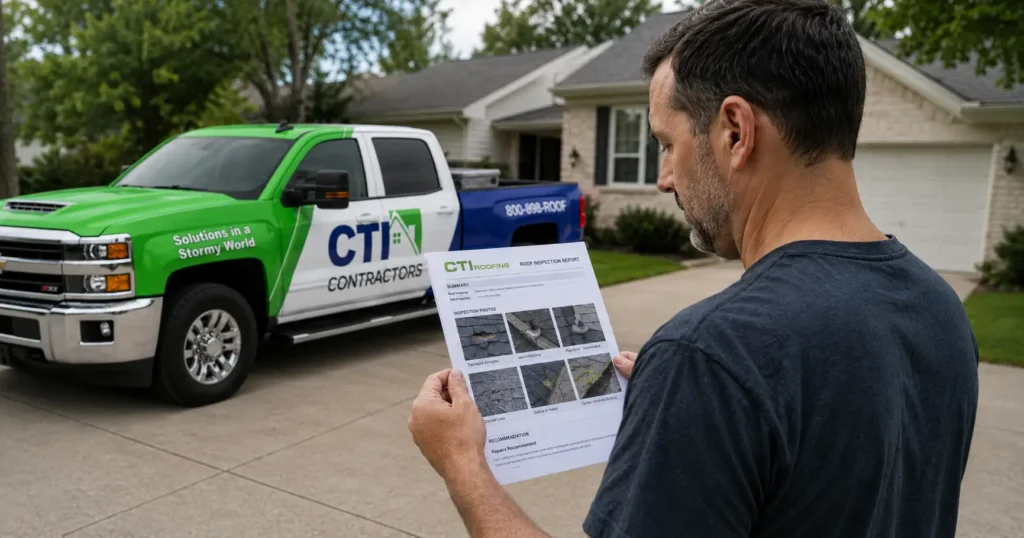
You do not need to be suspicious of every roofer. But you should pay attention to how the inspection feels and how the recommendation is presented.
Here are some red flags.
They Recommend Replacement Before Showing Evidence
If the roofer jumps straight to replacement without showing photos, explaining the damage, or walking you through the findings, slow down. A roof may genuinely need replacement. But the recommendation should come after the evidence, not before.
They Use Vague Phrases Instead of Specific Findings
Be careful with statements like:
- “Your roof is done.”
- “It is in bad shape.”
- “You are going to have major problems soon.”
- “This will only get worse.”
- “Insurance should cover this.”
Those statements may sound serious, but they do not explain anything by themselves.
Ask:
- “What specifically did you find?”
- “Can you show me photos?”
- “Is this isolated or widespread?”
- “Is repair an option?”
They Do Not Mention Repair Options
Not every roof can or should be repaired. But if repair is never even discussed, that is worth questioning. A good roofer should be able to explain why repair is or is not a smart option. Sometimes repairs are temporary. Sometimes they are the most responsible recommendation. The point is that the reasoning should be clear.
They Make You Feel Rushed
A roof issue can be urgent, especially if water is actively entering the home. But urgency should still come with explanation.
Pressure sounds like:
- “You need to sign today.”
- “This price is only good right now.”
- “You cannot wait on this.”
- “Your insurance window is closing, so we need to move immediately.”
A better approach sounds like:
“This area should be addressed soon because water can get behind the flashing. Here are the photos. Here is what we recommend. Take some time to review it, and we can answer any questions.”
That is the difference between urgency and pressure.
They Push an Insurance Claim Before Explaining the Damage
After hail or storm damage, insurance may become part of the conversation. But a roofer should not push a claim before explaining what they found.
A trustworthy roofer should help you understand:
- Whether damage is visible
- Whether it appears functional or cosmetic
- Whether the damage is widespread
- Whether documentation is strong enough to justify next steps
- What role your insurance adjuster plays
The inspection should help you make an informed decision, not push you into a claim you do not understand.
They Cannot Explain the Recommendation in Plain Language
Roofing has technical details, but the explanation should still make sense. You should not feel foolish for asking questions. A good roofer should be willing to slow down and explain what they are seeing without making the conversation feel intimidating. If the explanation depends entirely on jargon, that is not clarity. That is confusion.
Questions to Ask During a Roof Inspection
You do not need to interrogate the roofer. But a few simple questions can tell you a lot about the quality of the inspection.
Ask:
- What areas of the roof did you inspect?
- Can you show me photos of the concerns?
- Is this damage isolated or widespread?
- Is repair an option?
- If you recommend replacement, why is repair not enough?
- Is anything urgent, or do I have time to review the findings?
- Are there areas that are still in good condition?
- Will I receive the recommendation in writing?
- If storm damage is involved, what makes it significant?
- What would you do if this were your own roof?
The answers should feel specific, calm, and evidence-based. You are not looking for perfection. You are looking for honesty and clarity.
What a Good Inspection Should Feel Like
A good roof inspection should feel like a conversation, not a pitch. You should feel more informed after the roofer leaves than you did before they arrived. You should know what they looked at. You should know what they found. You should know what they recommend and why. Most importantly, you should not feel trapped into a decision.
A helpful roofer will make space for questions. They will explain the difference between normal wear, repairable issues, and signs that the roof may be near the end of its useful life. They will also be willing to tell you when no major work is needed yet. That may be the clearest sign of an honest inspection.
What CTI Roofing Looks For During a Roof Inspection
At CTI Roofing, the purpose of a roof inspection is to give you an honest look at where your roof stands. That means we are not there to force every homeowner into the same answer. If your roof only needs a repair, we will tell you. If your roof needs replacement, we will show you why. If the issue should be monitored but does not require immediate work, we will explain that too.
During a CTI roof inspection, we look at the roof system as a whole, including visible roofing materials, roof penetrations, flashing areas, valleys, ridges, vents, pipe boots, gutters, drainage clues, and signs of storm or water damage when present. When needed, we may also look at attic or interior areas to better understand possible water intrusion.
The goal is simple:
You should understand your roof before making a decision about your roof.
Clear Next Steps
If you are not sure whether your roof needs repair, replacement, or just a professional look, start with an inspection. But do not settle for an inspection that only gives you pressure. Look for one that gives you photos, explanations, options, and a clear written recommendation.
CTI Roofing offers free roof inspections with honest recommendations and no high-pressure sales pitch. If your roof only needs a repair, we will tell you. If it needs more than that, we will show you why with clear findings and practical next steps.
Schedule a Free Roof Inspection — No Sales Pitch, No Obligation.
FAQs About Honest Roof Inspections
Is a free roof inspection really free?
A free roof inspection should be free without requiring you to agree to work. The purpose should be to assess the roof, explain what was found, and give you clear next steps. If the “free inspection” immediately turns into a high-pressure sales appointment, that is a warning sign.
Should a roofer provide photos during the inspection?
Yes, photos are one of the best ways to understand what the roofer is seeing. If a roofer recommends repair or replacement, they should be able to show you the damaged or concerning areas whenever it is safe and practical to document them.
Does every roof inspection include the attic?
Not always. An attic review is usually most helpful when there are signs of leaks, ceiling stains, moisture, ventilation issues, or possible water intrusion. If the concern is only exterior wear, an attic review may not be necessary.
Is it normal for a roofer to recommend replacement right away?
Sometimes replacement really is the right recommendation, especially if the roof is old, failing in multiple areas, or no longer a good candidate for repair. But the roofer should still explain why replacement makes more sense than repair and show evidence that supports the recommendation.
Can a roof be repaired instead of replaced?
Yes, many roof problems can be repaired if the issue is isolated and the rest of the roof is still in serviceable condition. Examples may include a damaged pipe boot, missing shingles, flashing issues, or a small leak area. The right answer depends on the roof’s age, condition, and the extent of the damage.
What should I ask before agreeing to roof work?
Ask what was found, whether the issue is isolated or widespread, whether repair is an option, why replacement is being recommended if applicable, whether the findings are documented with photos, and whether you can receive the recommendation in writing.
Should I file an insurance claim after storm damage?
Not automatically. A roofer can document visible storm damage and explain whether it appears significant, but your insurance company makes the claim decision. Before filing, make sure you understand what damage was found, whether it appears functional or cosmetic, and whether the evidence supports taking the next step.
What if the roofer says my roof is fine?
That can be a good outcome. An honest inspection does not always end with a sale. Sometimes the best recommendation is to monitor the roof, handle a small repair, or do nothing right now. The point of the inspection is to know where you stand.
How do I know if a roof inspection was honest?
An honest inspection should include a clear explanation, photo-backed findings, repair vs. replacement reasoning, written recommendations, and enough time for you to ask questions. You should leave the conversation feeling informed, not pressured.