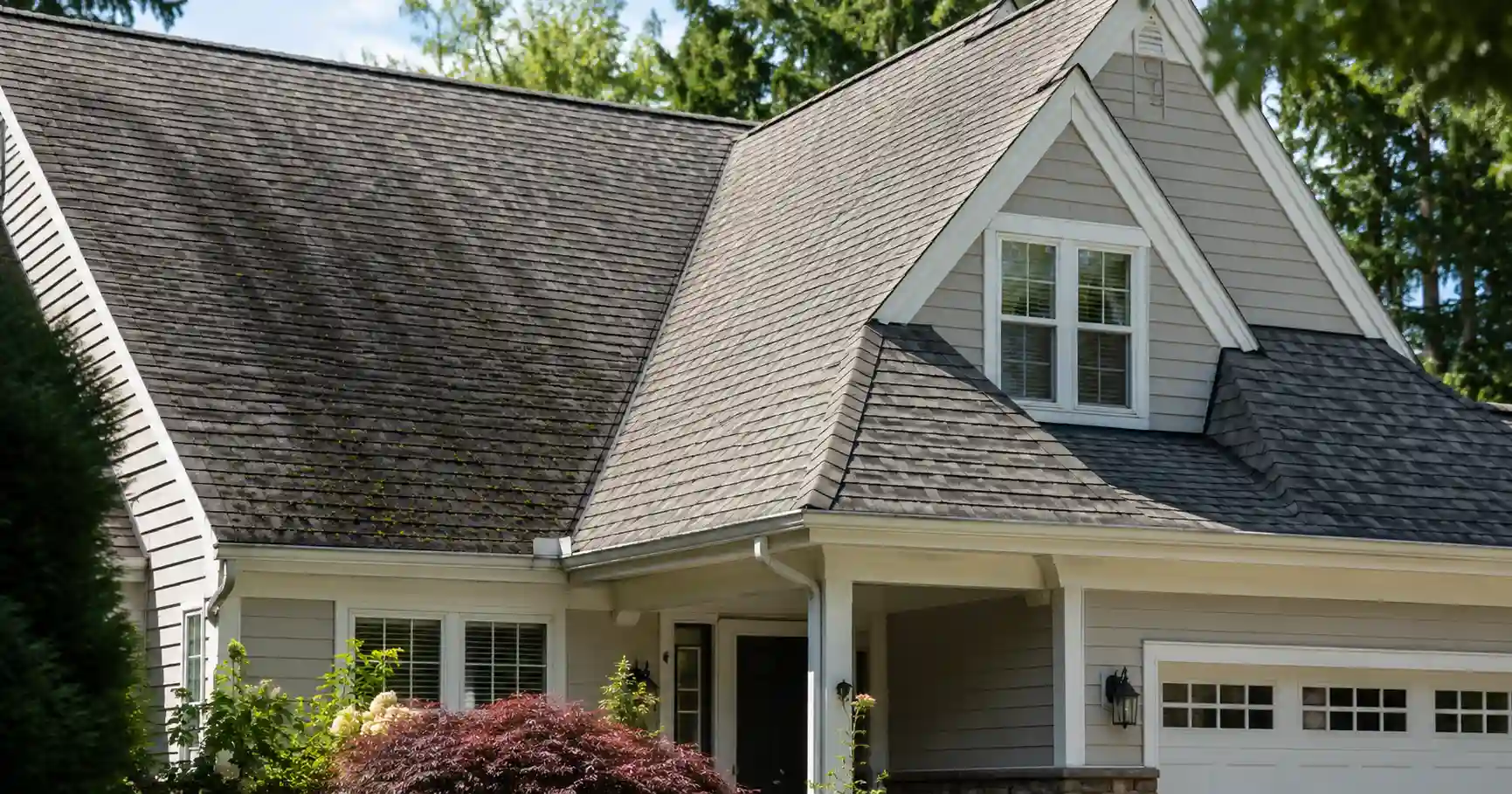

After a hailstorm, windstorm, leak, or missing shingle, one of the hardest questions is not always, “Is my roof damaged?” It is: Should I file a roof insurance claim, or should I just pay for the repair myself?
That is a real decision. Filing a claim too soon can feel risky, especially if the damage is small or close to your deductible. But paying out of pocket for storm damage that insurance may legitimately cover can be an expensive mistake.
The practical answer is this:
File a roof insurance claim when the damage is likely storm-related, widespread, and expensive enough to exceed your deductible. Pay for a repair when the issue is minor, localized, maintenance-related, or likely below your deductible. Before choosing either option, get the roof inspected and documented so you know what you are actually dealing with.
Not every roof problem needs an insurance claim. Not every storm-damaged roof needs a full replacement. And not every contractor who knocks on your door after a storm is giving you the whole picture. Here is how to think through the decision clearly.
The First Question: Is the Damage Actually Claim-Worthy?
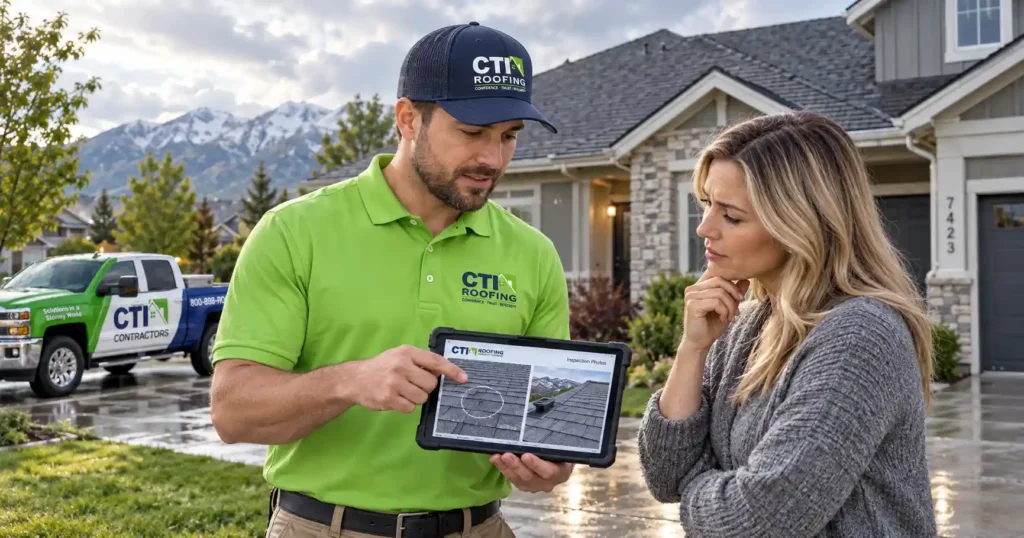
Before you call your insurance company, the first step is figuring out whether the roof damage looks claim-worthy. That does not mean a roofer can approve or deny your claim. Only your insurance company and adjuster can make that decision.
But an experienced roofing contractor can inspect the roof, document visible damage, and help you understand whether the issue looks like:
- A small repair
- A maintenance issue
- Isolated wind damage
- Possible hail damage
- A larger storm-related problem
- Something that may justify opening a claim
That distinction matters. For example, one missing shingle may be a straightforward repair. A cracked pipe boot may be a small out-of-pocket fix. A few loose shingles in one area may not justify filing a claim, especially if the repair cost is below your deductible.
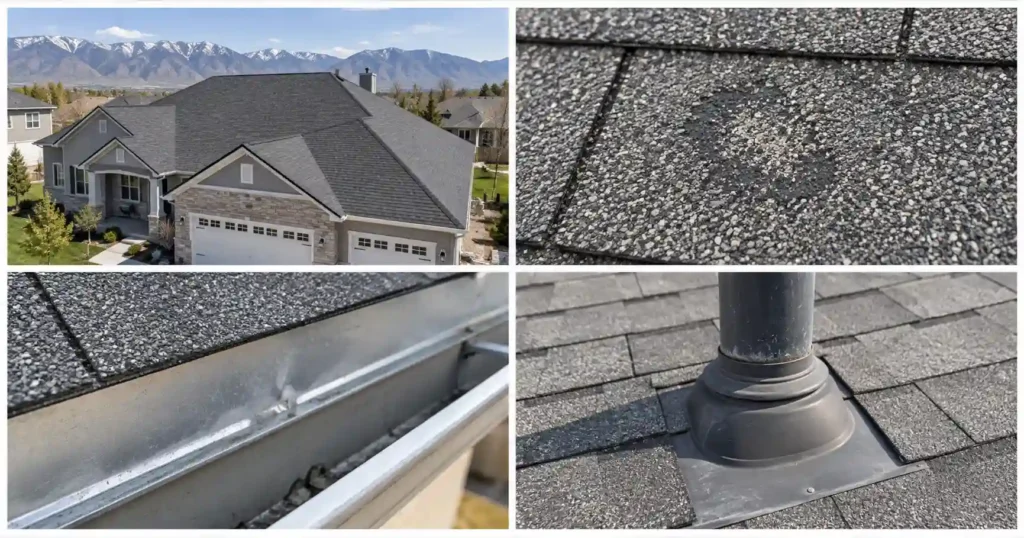
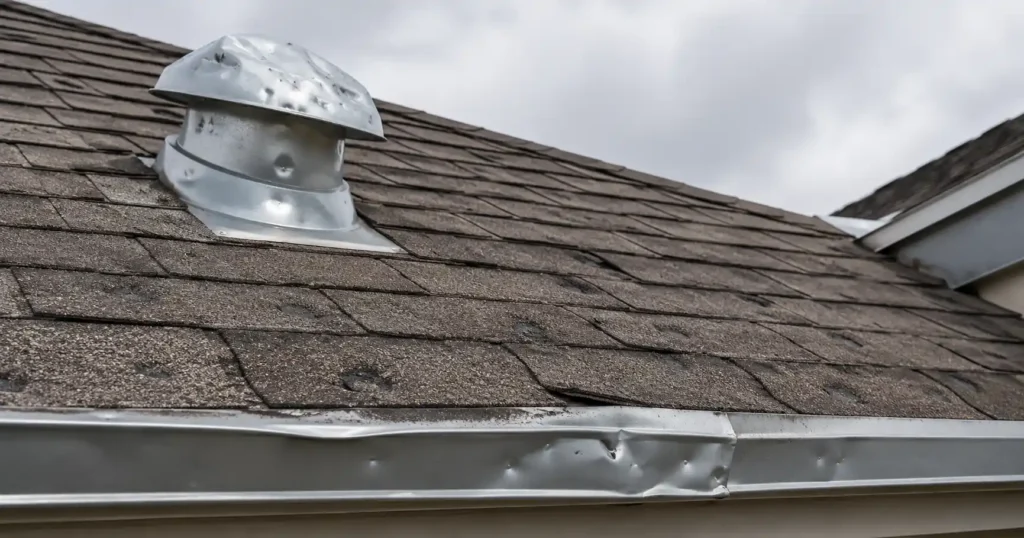
But widespread hail impact marks, bruised shingles, damaged vents, dented flashing, dented gutters, loosened shingles across multiple roof slopes, or active water intrusion after a storm may be a different situation. That is why the decision should start with evidence, not guesswork.
When Filing a Roof Insurance Claim May Make Sense
A roof insurance claim may make sense when the damage appears to be sudden, storm-related, and significant enough that the repair or replacement cost is likely higher than your deductible.
Common situations where a claim may be worth considering include:
- Hail damage across multiple roof slopes
- Wind damage that removed, lifted, creased, or broke shingles
- Storm damage that caused an active roof leak
- Damage to roof vents, metal flashing, gutters, downspouts, or other exterior components
- Shingle bruising, cracking, or granule loss caused by hail impact
- A recent storm event that clearly lines up with the damage
- Repairs that are likely to cost significantly more than your deductible
The keyword is significant. Insurance is usually not meant for every small roof issue. It is meant for covered losses that are large enough to justify a claim under your policy. So if hail hits your neighborhood and you see dents on vents, downspouts, gutters, or metal roof accessories, that is worth taking seriously. Hail damage is not always obvious from the ground, and some damage looks minor until someone actually gets on the roof and checks the shingles closely.
A good inspection should look beyond the one spot you noticed. It should check the full roof system and document what is visible.
When Paying for a Roof Repair May Be the Smarter Move
Paying for a repair may make more sense when the issue is small, localized, or unlikely to exceed your deductible.
Examples may include:
- One or two missing shingles
- A small flashing repair
- A cracked pipe boot
- A minor leak around a vent
- A localized repair in one section of the roof
- Damage caused by age, wear, or poor maintenance instead of a sudden storm
- A repair estimate that is below or close to your deductible
This is where homeowners often get stuck. They do not want to file a claim unnecessarily. But they also do not want to ignore real storm damage.
A practical way to think about it is this:
If the repair cost is less than your deductible, filing a claim usually may not help you financially. If the damage is clearly larger than your deductible and appears tied to a covered storm event, a claim may be worth discussing with your insurance company.
That does not mean you should diagnose it alone from the driveway. Roof damage can be hard to read. Hail bruising, lifted shingles, cracked seals, and impact damage often require a closer inspection. But if the problem is obviously small and repairable, an honest roofer should be willing to say that.
Your Deductible Matters More Than Most Homeowners Realize
Your deductible is the amount you are responsible for before insurance pays on a covered claim. That means the deductible should be part of the claim-vs-repair decision from the beginning.
For example, if a roof repair costs $850 and your deductible is $1,500, filing a claim probably does not make practical sense. You would still be paying out of pocket, and the claim may not result in a payment.
On the other hand, if the roof has enough storm damage that the repair or replacement cost is far above the deductible, filing may be worth considering.
Before deciding, check your policy or declarations page for:
- Your deductible amount
- Whether wind or hail has a separate deductible
- Whether the roof is covered at replacement cost or actual cash value
- Any roof age limitations
- Any deadlines for reporting storm damage
- Any exclusions or limitations that may apply
You do not need to become an insurance expert. But you do need to know the basics before making a decision.
Do Not File a Claim Just Because a Neighbor Did
After a hailstorm, it is common to hear:
“My neighbor got approved for a new roof.”
That can make you wonder if you should file too. Maybe you should. Maybe you should not.
The problem is that roof damage can vary from house to house, even on the same street. Roof age, roof slope, shingle type, storm direction, tree coverage, prior repairs, ventilation, and exposure can all change the outcome. Your neighbor’s roof is not your roof. A claim should be based on your roof’s condition, your policy, your deductible, and your inspection documentation. That is why a roof inspection matters before you jump into the claim process.
Be Careful With Door Knockers After a Storm

After a hailstorm or wind event, roofing salespeople may show up fast. Some are legitimate. Others are simply chasing storms.
Be cautious if someone tells you:
- “You definitely need a new roof” before doing a full inspection
- “Insurance will pay for everything” before your carrier has reviewed the claim
- “You should file right now” without explaining your deductible
- “We can get this approved” as if they control the insurance company
- “Sign today or you may miss your chance”
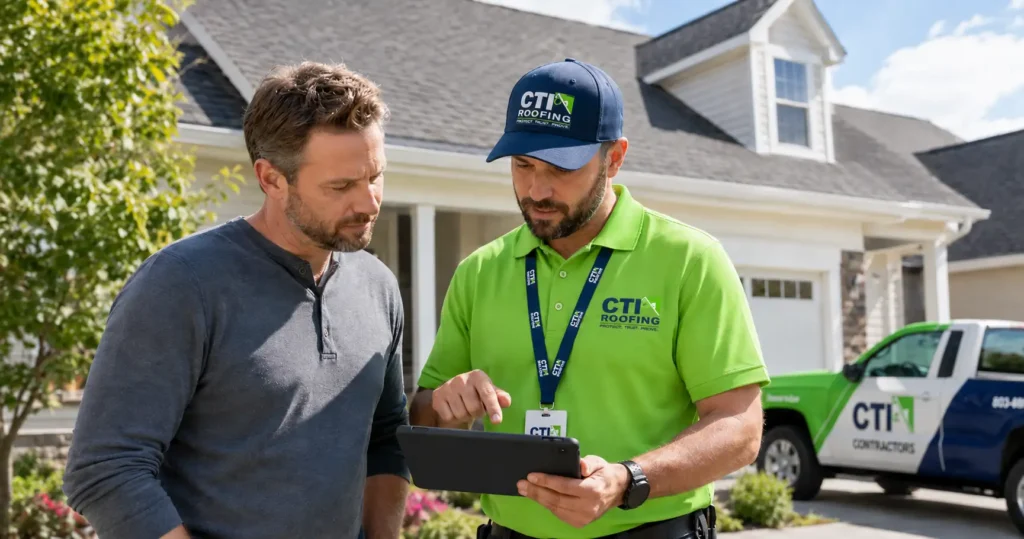
That kind of pressure is exactly what makes homeowners nervous about roofing claims. A roofing contractor should be able to inspect, document, explain, and guide. They should not pressure you into a claim just because a bigger project benefits them.
A better approach sounds like this:
“Here is what we found. Here are the photos. Here is what looks storm-related. Here is what may be repairable. Based on what we see, this may or may not be worth a claim.”
That is the kind of conversation you want before making a decision.
What a Roofer Should Document Before You Decide
If your roof may have storm damage, documentation is one of the most important parts of the process.
A good inspection should include clear photos or video of:
- Shingle damage
- Hail impact marks
- Missing, lifted, creased, or torn shingles
- Damaged vents or roof metals
- Dented gutters or downspouts
- Damaged flashing
- Soft spots or exposed decking, if present
- Interior staining or ceiling damage, if there is a leak
- The roof slopes affected
- Any areas that appear unrelated to the storm
Documentation helps everyone make better decisions. It helps you understand what is happening on the roof. It helps separate actual storm damage from normal wear. And if a claim is appropriate, it gives you a clearer starting point when speaking with your insurance company.
A Simple Decision Framework
Here is a practical way to think about the choice.
Consider filing a claim if:
- The damage happened after a clear storm event
- Hail or wind damage appears across multiple roof areas
- There is damage to shingles, vents, flashing, gutters, or downspouts
- There is active leaking or interior water damage
- The expected repair or replacement cost is likely well above your deductible
- A professional inspection shows the damage may be claim-worthy
Consider paying for a repair if:
- The issue is small and localized
- The repair cost is below or close to your deductible
- The damage appears related to age, wear, installation issues, or maintenance
- Only one small area is affected
- The roof is otherwise in good condition
- The inspection shows a focused repair is the smarter move
Get an inspection first if:
- You are not sure what caused the damage
- You cannot see the roof clearly from the ground
- A neighbor filed a claim and you are wondering if you should too
- A door knocker told you to file immediately
- You see dents, missing shingles, granules, or water stains
- You want a straight answer before involving insurance
That last option is usually the best first step.
Should You Call Insurance First or a Roofer First?
You can call your insurance company first. But many homeowners prefer to have the roof inspected before opening a claim so they know whether the damage appears significant enough to discuss with insurance.
A roofer does not replace your insurance adjuster. A roofer cannot guarantee approval. A roofer should not promise what your carrier will pay.
But a roofer can help you answer the practical question:
“Does this look like something worth filing a claim for, or does a repair make more sense?”
That answer can save you from two common mistakes:
- Filing a claim for a small repair that never had much chance of helping
- Paying out of pocket for larger storm damage that should have been reviewed by insurance
What If the Roof Is Leaking Right Now?
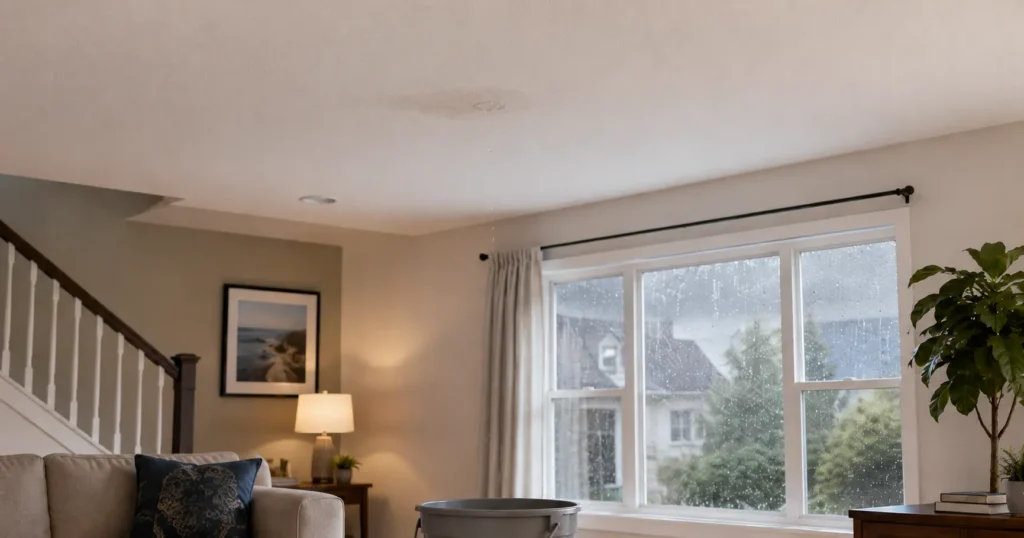
If water is actively coming into the home, the first priority is limiting damage. Do not wait around debating the claim process while water continues to spread. Move belongings if needed, place a bucket under the leak, and document the interior damage with photos. If safe, note where the water is showing up inside. Then get professional help quickly.
A temporary repair or dry-in may be needed before the full insurance decision is made. In many cases, stopping further damage and documenting the issue are both part of the practical next step.
What CTI Roofing Looks For During an Inspection
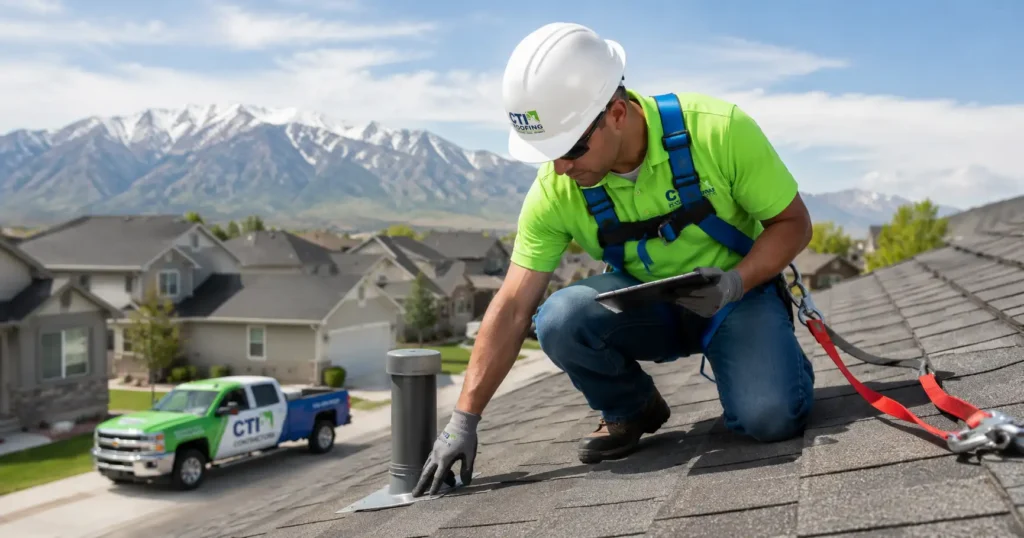
When we inspect a roof after possible storm damage, the goal is not to force every homeowner into a claim. The goal is to help you understand what is actually happening.
During the inspection, we can look for:
- Signs of hail or wind damage
- Missing, loose, lifted, or damaged shingles
- Damage around vents, flashing, pipe boots, and roof penetrations
- Dents on gutters, downspouts, vents, and roof metal
- Areas where water may be entering
- Whether the issue appears isolated or widespread
- Whether the roof looks repairable or may need a larger solution
Then you get a practical recommendation. If the damage looks claim-worthy, we can explain what was found and help you understand the next step. If a repair makes more sense, we will tell you that too. That is the point. You should not have to guess. You should not have to rely on a door knocker. And you should not have to file a claim just to find out whether the problem is real.
The Bottom Line
You should file a roof insurance claim when the damage appears sudden, storm-related, significant, and likely above your deductible. You should pay for a roof repair when the issue is minor, localized, maintenance-related, or unlikely to exceed your deductible. And when you are not sure, the smartest first step is an honest roof inspection.
A good inspection gives you clarity before you make a financial decision. It helps you understand whether insurance should be involved or whether a focused repair is the better move.
Clear Next Steps
If you are trying to decide whether to file a roof insurance claim or pay for a repair, start here:
- Do not panic and do not sign anything under pressure.
- Take photos of what you can safely see from the ground.
- Check your deductible and policy basics.
- Schedule a roof inspection before making the claim decision.
- Ask for photos, documentation, and a clear recommendation.
We can inspect your roof, document what we see, and tell you honestly whether the damage looks claim-worthy or whether a repair is the smarter move.
Schedule a free roof inspection with CTI Roofing and get a straight answer before you file a claim or pay out of pocket.
FAQs
Should I file a roof insurance claim for a small leak?
Not always. A small leak may be caused by a pipe boot, flashing issue, missing shingle, or another localized problem that can be repaired without a claim. But if the leak started after a storm or there are signs of wider roof damage, it is worth getting the roof inspected before deciding.
Is hail damage always worth an insurance claim?
No. Some hail damage is minor. Some may not exceed your deductible. Some roofs may have visible dents on metal components but limited shingle damage. The decision depends on the condition of your roof, the amount of damage, your deductible, and your insurance policy.
Can a roofer tell me if insurance will approve my claim?
No roofer can guarantee claim approval. Your insurance company makes that decision. A roofer can inspect the roof, document visible damage, explain what appears storm-related, and help you understand whether filing a claim may be worth considering.
Should I call my insurance company before calling a roofer?
You can, but many homeowners choose to schedule a roof inspection first so they understand the damage before opening a claim. This can be helpful when the issue may be small, unclear, or close to the deductible.
When is it better to pay out of pocket for a roof repair?
Paying out of pocket may be better when the repair is minor, localized, below your deductible, or not related to a covered storm event. Examples may include a cracked pipe boot, small flashing repair, or a few missing shingles in one area.
What roof damage is most likely to be claim-worthy?
Damage is more likely to be claim-worthy when it is sudden, storm-related, widespread, and expensive enough to exceed your deductible. Hail impacts across multiple slopes, wind-torn shingles, damaged vents, dented metal components, and active leaks after a storm should be inspected and documented.
What if my neighbor got a roof approved by insurance?
Your neighbor’s claim does not automatically mean your roof qualifies. Damage can vary from home to home. The best next step is to have your own roof inspected and documented.
Will filing a roof claim raise my premium?
Premium decisions depend on your insurance company, policy, claim history, location, and other risk factors. A roofer should not promise what will or will not happen to your premium. Ask your insurance agent or carrier how a claim may affect your specific policy.
What should I ask before deciding to file a claim?
Ask: What caused the damage? Is it isolated or widespread? Is the repair likely above my deductible? Is there documentation? Does the roof look repairable? Could this be normal wear instead of storm damage? A good inspection should help answer those questions.
Can CTI Roofing help with insurance documentation?
Yes. If your roof damage may qualify for insurance coverage, we can inspect the roof, document visible problem areas, provide photos or video when appropriate, and help you understand the next step.