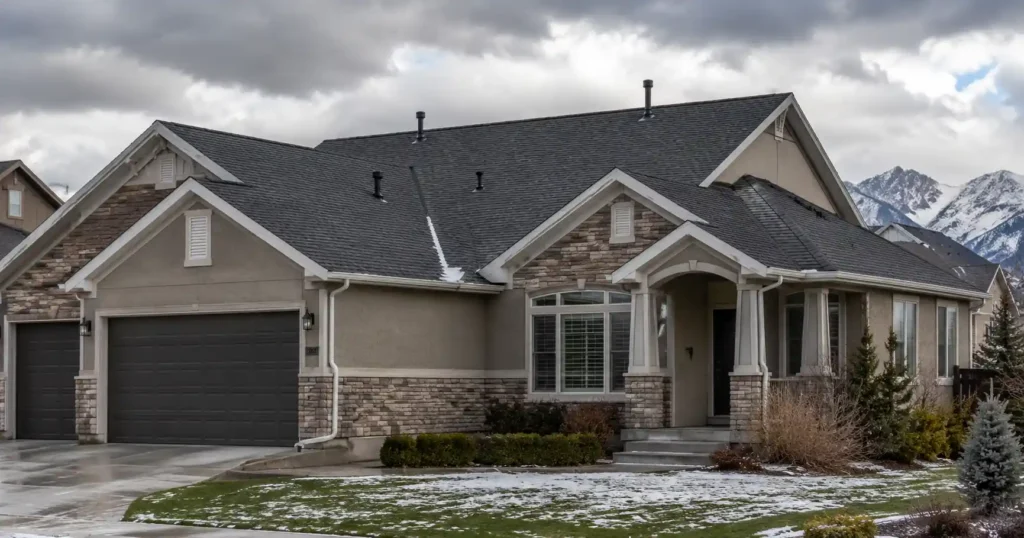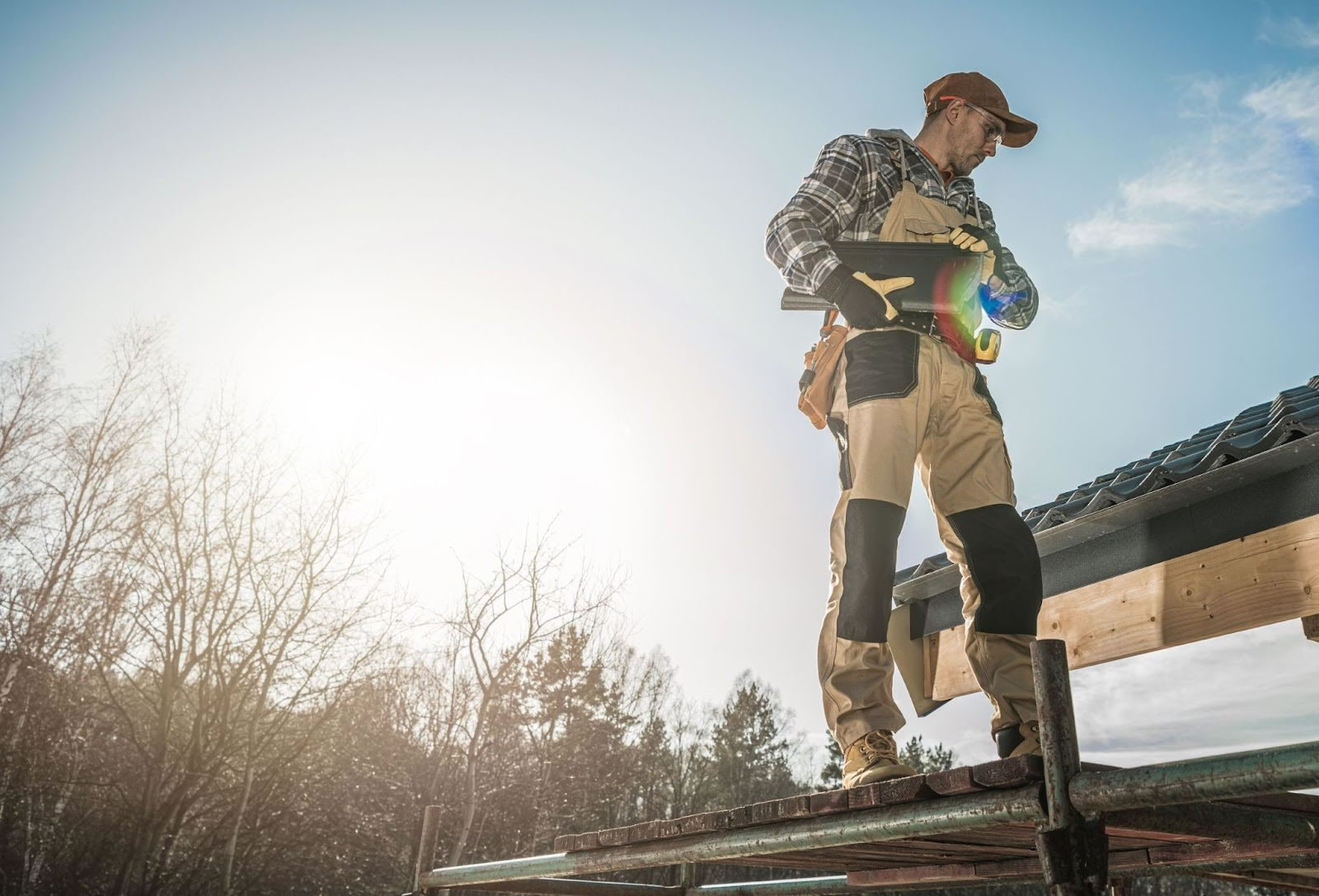
If your roof made it through a Utah winter, that doesn’t mean it made it out undamaged.
Between freeze-thaw cycles, heavy snow loads, and the start of spring storm season, many homeowners don’t realize there’s an issue until water shows up where it shouldn’t. And by then, you’re not comparing options, you’re reacting.
This guide breaks down exactly how to know if it’s time for a roof replacement, what it costs in Utah, how storms and hail impact your roof, and what to expect from start to finish.
Why Roof Replacement Matters More in Utah
Utah’s climate quietly works against your roof year-round.
Instead of consistent weather, your roof deals with constant expansion and contraction from rapid temperature swings, heavy snow sitting for extended periods, and strong winds that pick up during seasonal transitions. Add in spring and summer hailstorms, and you’ve got a system that naturally wears down faster than most homeowners expect.
What makes this tricky is that most of this damage isn’t obvious at first glance. From the ground, everything can look fine. Underneath, it’s a different story.
How to Know If You Need a Roof Replacement
There’s a difference between normal aging and signs your roof is starting to fail.
Common Warning Signs
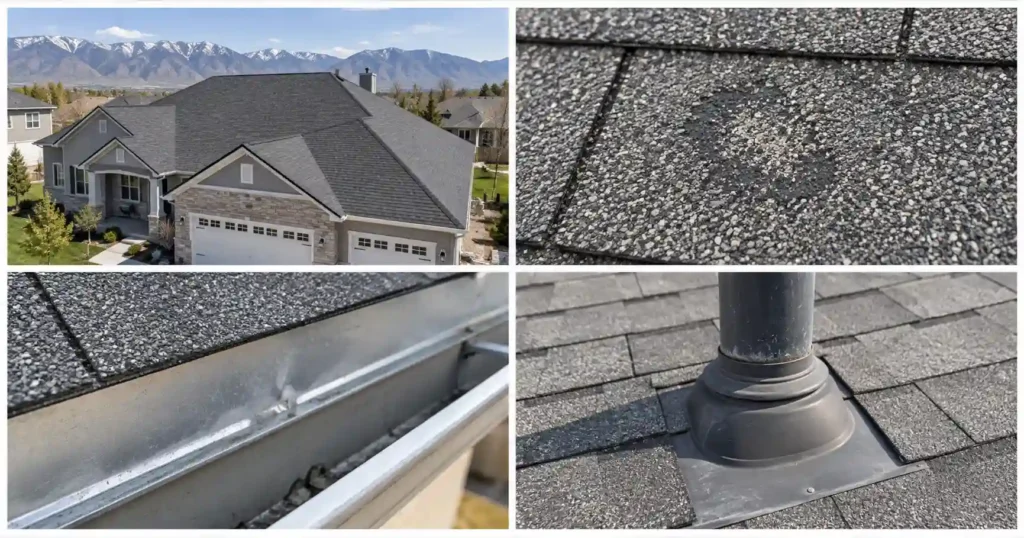
- Shingles that are curling, cracking, or missing
- Dark streaks or discoloration across sections of the roof
- Granules collecting in gutters or around downspouts
- Uneven or sagging areas along the roofline
- Water stains appearing on ceilings or walls inside the home
In many cases, homeowners start noticing one or two of these signs and assume it’s minor. The reality is, these symptoms often point to deeper issues already developing beneath the surface.
The One Most People Miss
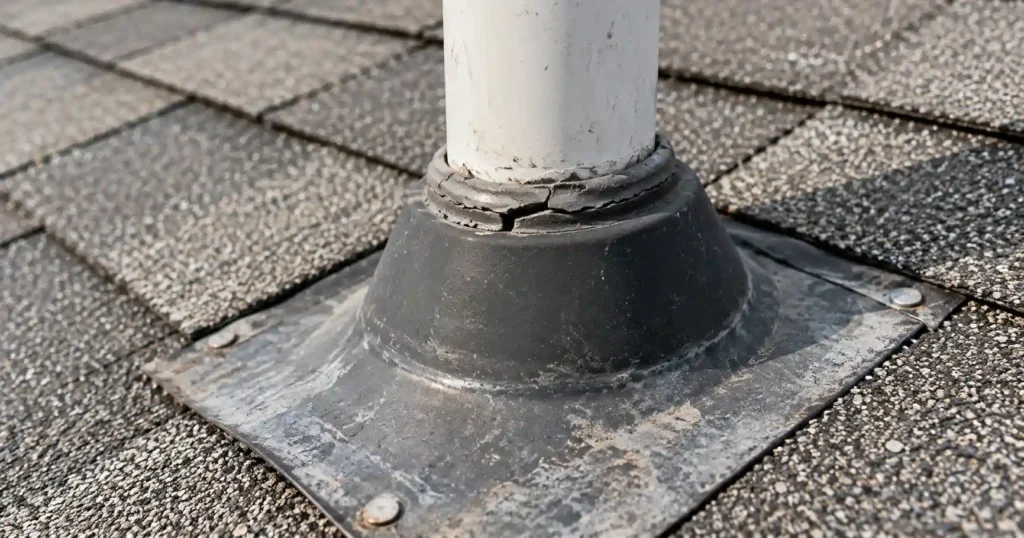
Most serious roof damage isn’t visible from the ground.
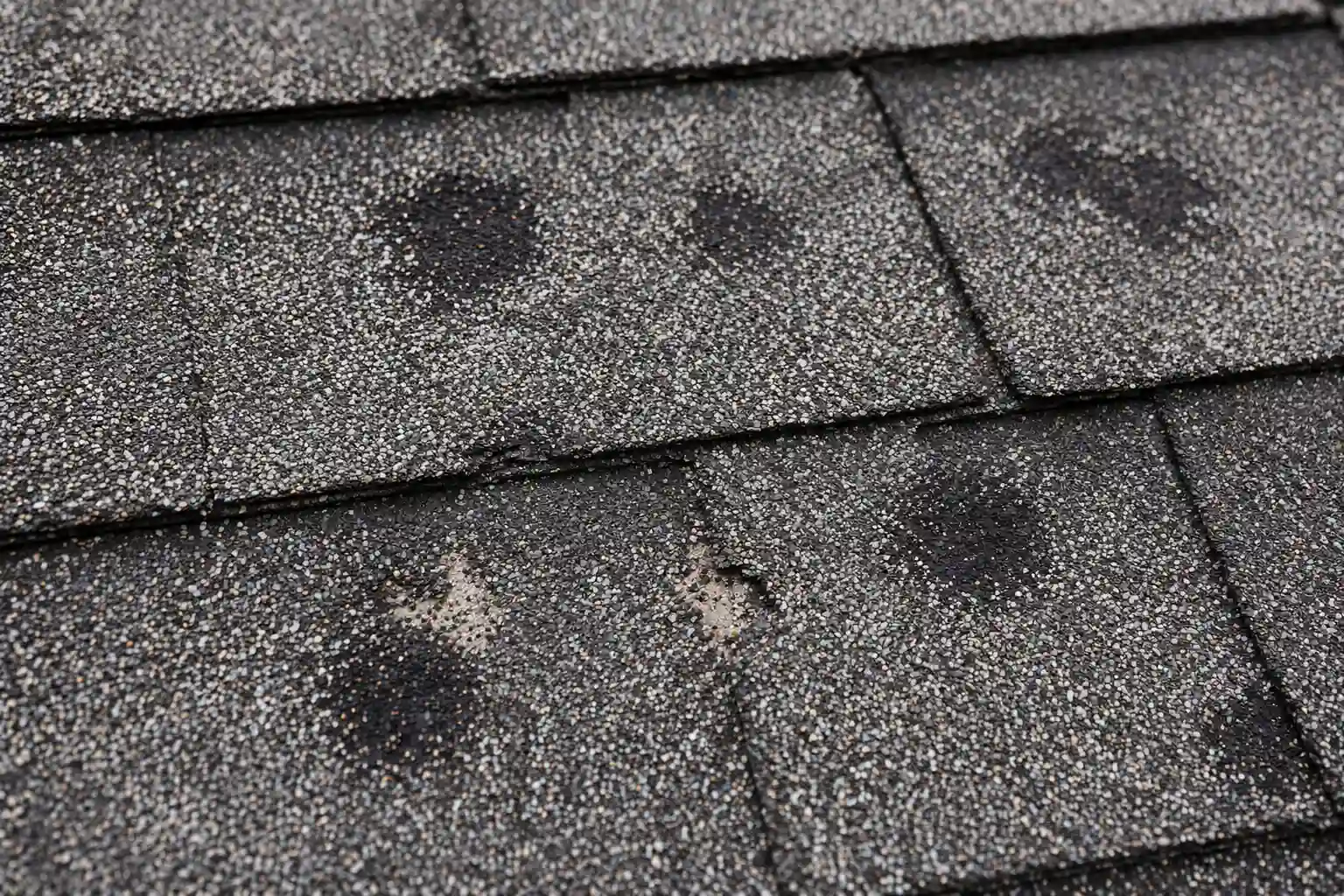
Hail impacts can bruise shingles without breaking them. Wind can lift shingles just enough to allow moisture in. Over time, this leads to soft spots and slow leaks that go unnoticed until they become expensive problems.
If you’re unsure, this is where How to Tell If Your Roof Needs to Be Replaced After Winter in Utah becomes a critical next step.
Roof Repair vs Replacement: What Makes More Sense?
This decision usually comes down to the extent of the damage and the age of your roof.
| Situation | Best Option |
| Minor, localized damage | Repair |
| Roof under 10–12 years old | Repair |
| Widespread wear or multiple problem areas | Replacement |
| Roof nearing end of lifespan | Replacement |
| Storm or hail damage present | Often Replacement |
The mistake most homeowners make is continuing to repair a roof that’s already past its prime. At that point, you’re stacking short-term fixes on top of a long-term problem.
If you want a deeper breakdown, see Roof Replacement vs Repair: What Makes More Financial Sense in Utah?
How Spring Storms & Hail Impact Your Roof

Spring is when roofing problems tend to surface and accelerate.
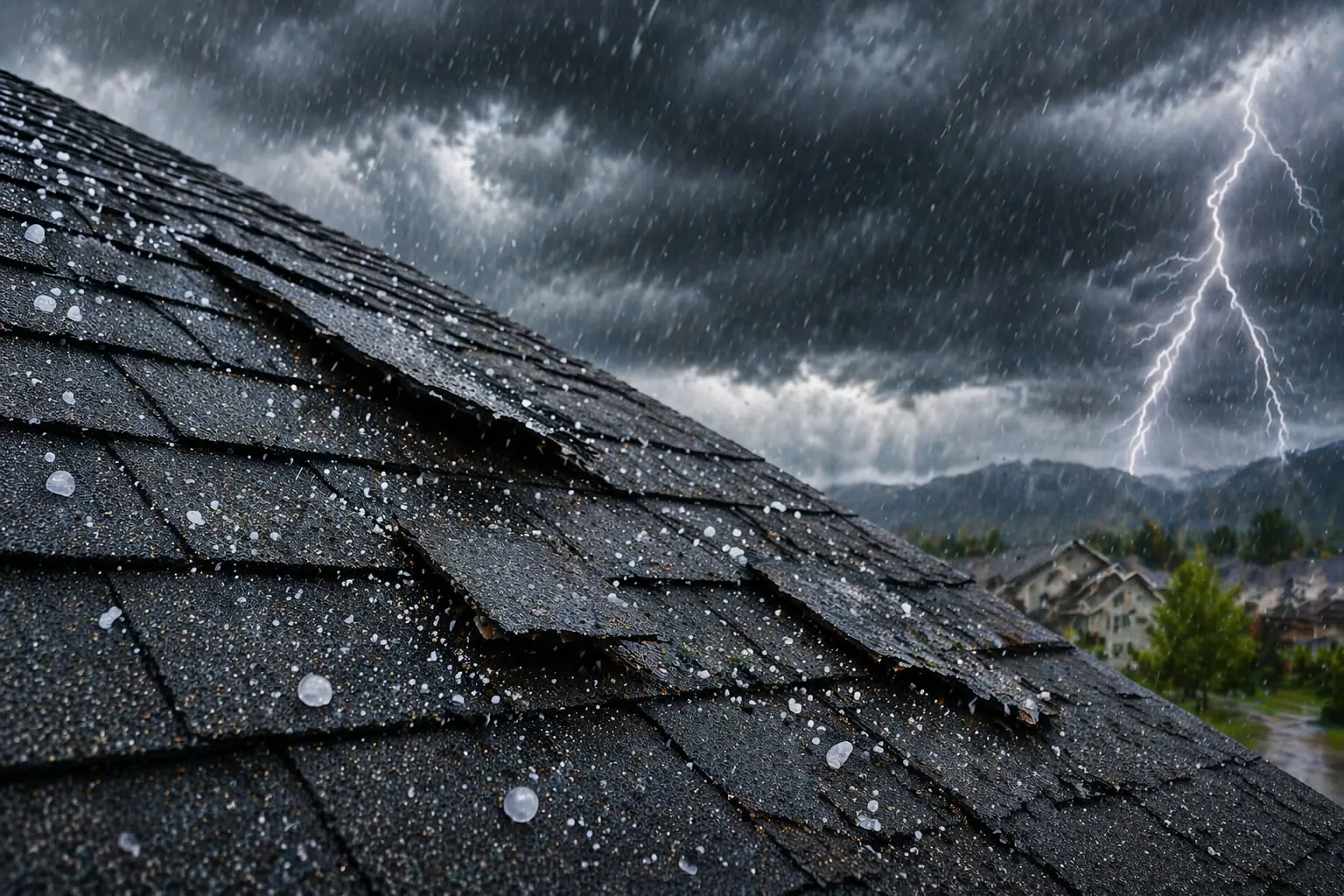
Wind can loosen shingles, hail can create impact damage that weakens the structure, and moisture finds its way into areas that were already vulnerable after winter.
The challenge is that storm damage doesn’t always look dramatic. Sometimes it’s subtle, but still serious enough to shorten your roof’s lifespan or qualify for insurance coverage.
This is exactly why homeowners should understand Spring Storm Damage: 7 Signs Your Roof Was Hit (Even If It Looks Fine) before assuming everything is okay.
Roof Replacement Cost in Utah
Roof replacement costs vary, but most homeowners fall within a predictable range depending on size, materials, and complexity.
| Factor | Impact on Cost |
| Roof size | Larger roofs increase material and labor costs |
| Material type | Architectural shingles cost more than basic options |
| Roof pitch | Steeper roofs require more labor and safety measures |
| Tear-off vs overlay | Full removal increases cost but improves longevity |
| Underlying damage | Decking repairs add to total cost |
Most roof replacements in Utah land somewhere between $8,000 and $20,000+.
The only way to get an exact number is through an inspection, but understanding these factors helps you avoid surprises.
Insurance vs Out-of-Pocket: What Homeowners Should Know
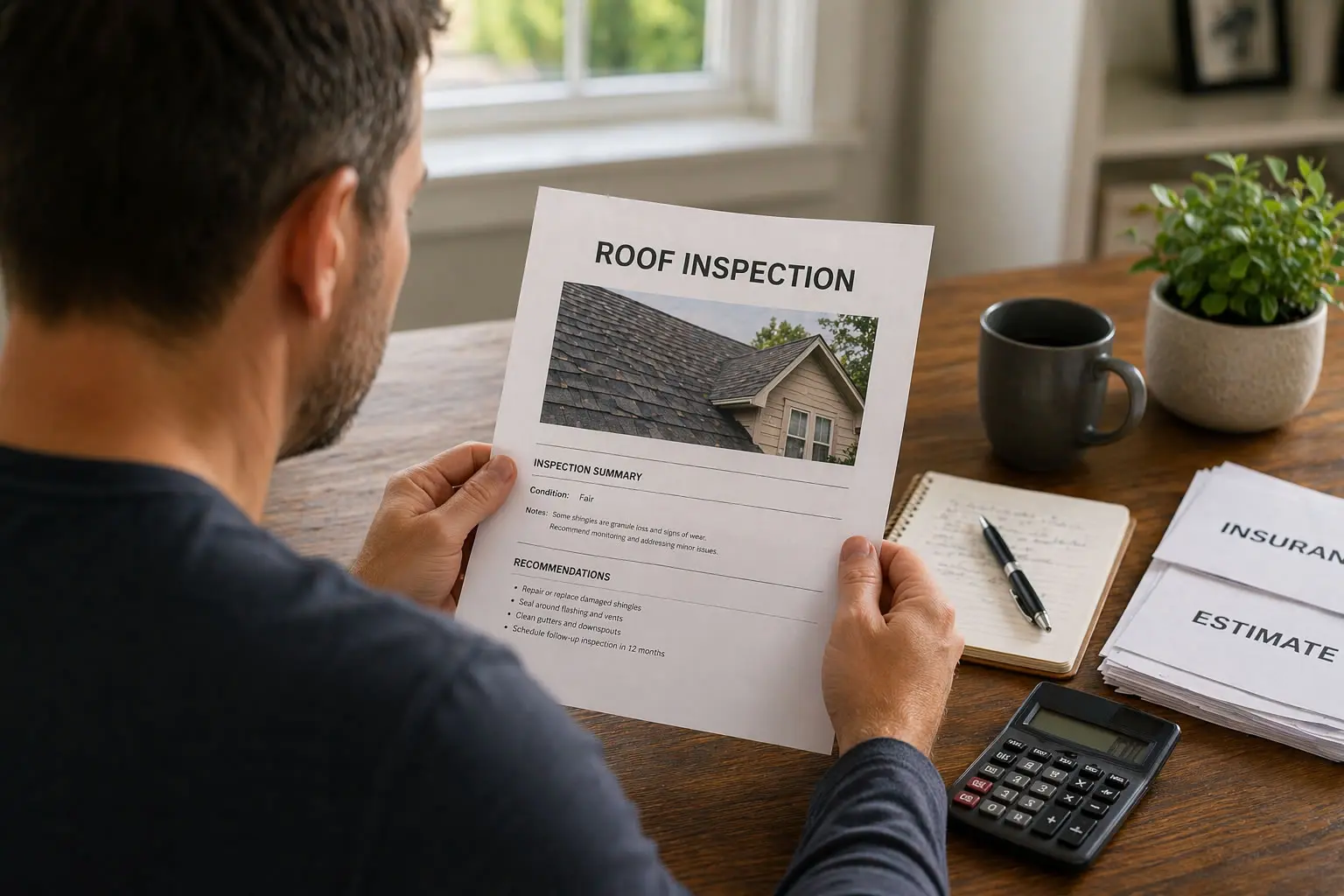
When storm or hail damage is involved, insurance can play a major role, but only if the situation is handled correctly.
In general, insurance companies cover sudden, event-based damage like wind or hail. They do not cover gradual wear, aging, or neglect.
The difference between approval and denial often comes down to documentation and timing.
That’s why many homeowners benefit from reviewing Hail Damage Roof Inspection: What Insurance Adjusters Look For before filing a claim. It helps you understand what qualifies and how to position your situation correctly.
What to Expect During a Roof Replacement
Most homeowners expect this process to be complicated. In reality, it’s fairly straightforward when handled by a professional team.
It starts with a detailed inspection to assess both visible and hidden damage. From there, you’ll receive a clear estimate outlining materials, costs, and timeline. If insurance is involved, proper documentation is provided to support your claim.
Once everything is approved, the project is scheduled. Most residential roof replacements are completed within one to three days. The old roofing system is removed, any necessary repairs are made underneath, and the new system is installed. Cleanup is handled the same day, followed by a final walkthrough to ensure everything meets quality standards.
How to Choose the Right Roofing Company in Utah
Not all roofing companies operate the same, and this decision has long-term consequences for your home.
A reliable contractor will have local experience, strong reviews, and a clear process for communication. They should be able to explain your options without pushing you into a decision.
On the other hand, warning signs include vague pricing, high-pressure sales tactics, and companies that appear immediately after storms without an established local presence.
The goal is to work with someone who helps you understand your options, not someone trying to rush you into a contract.
Why Professional Inspection Matters (Before It’s Obvious)
Most roofing issues don’t start with a leak. They start small, hidden beneath the surface.
By the time water becomes visible inside your home, the damage has usually spread further than expected.
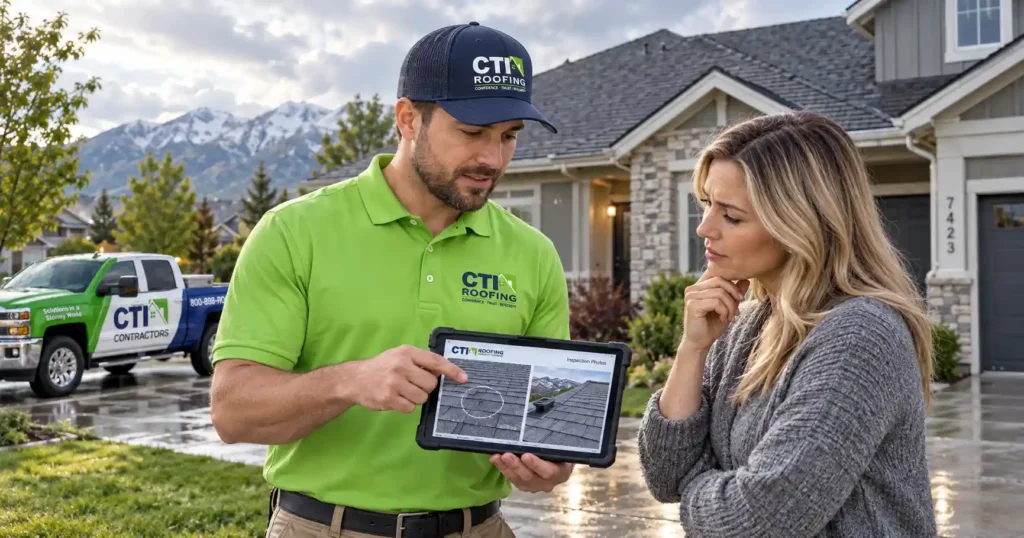
A professional inspection gives you clarity before things escalate. It can uncover storm damage, identify weak points, and help you make an informed decision about repair versus replacement.
If you’re not sure where your roof stands heading into storm season, it’s also worth reviewing How to Prepare Your Roof for Utah’s Spring & Summer Storm Season as a proactive step.
Work With a Local Team That Understands Utah Roofs
We’ve seen how quickly small roofing issues turn into major problems, especially coming out of winter and heading into storm season.
Our approach is simple. We provide honest assessments, detailed inspections, and clear guidance so you can make the right decision for your home. Whether that means a small repair or a full replacement, the goal is to give you clarity, not pressure.
Schedule Your Roof Inspection
If you’re unsure about your roof’s condition, now is the time to check before spring storms make things worse.
Schedule a professional inspection, get clear answers about your roof, and understand exactly what your next step should be.