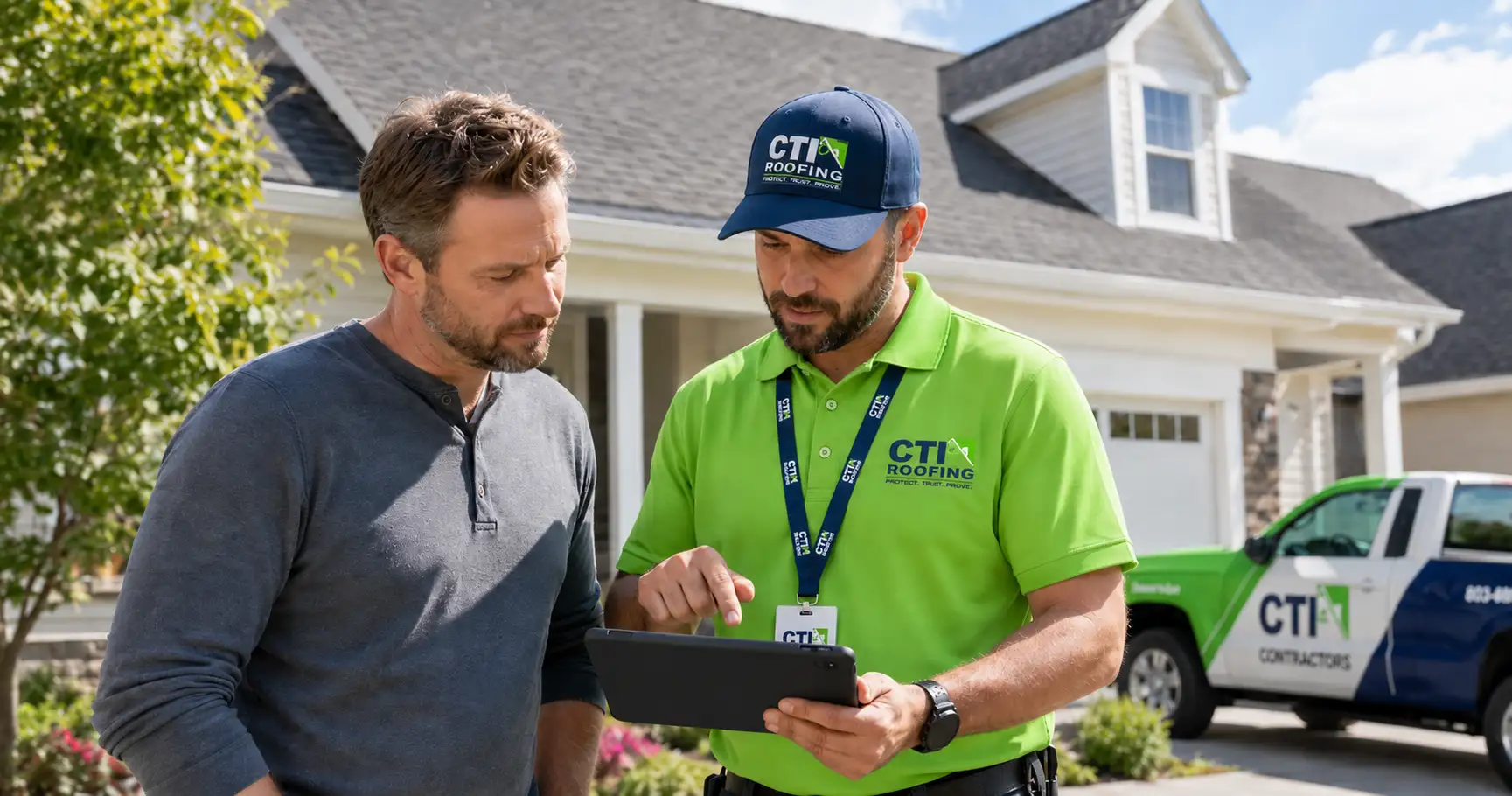
Being told you need a new roof can stop you in your tracks. Maybe a roofer came out after you noticed a leak, missing shingles, granules in the gutters, or storm damage. Maybe they showed you a few photos and said the roof should be replaced. Maybe they were confident. Maybe they were even right. But something still did not sit right.
The conversation felt rushed. The explanation was vague. The recommendation jumped straight to replacement. You were not sure what questions to ask. And now you are wondering: Should I get a second opinion before replacing my roof?
In many cases, yes. Getting a second opinion before roof replacement is reasonable, especially if the first recommendation felt unclear, high-pressure, or based on limited explanation. A roof replacement is a major home decision. Before you spend thousands of dollars, you deserve to understand what is actually wrong, what your options are, and whether replacement truly makes sense. A good second opinion is not about proving the first roofer wrong. It is about giving you clarity.
Quick Answer: Is It Worth Getting a Second Opinion on a Roof Replacement?
Yes, it is often worth getting a second opinion before replacing your roof if you feel uncertain, pressured, or under-informed.
You should strongly consider a second opinion if:
- The roofer did not explain why replacement was necessary
- You were not shown clear photos or inspection findings
- The damage appears limited to one area
- You were not given a repair option
- The recommendation felt rushed or sales-driven
- You received a large quote and do not understand what is included
- You are being asked to make a decision quickly
A trustworthy roofer should be able to explain whether your roof needs repair, replacement, maintenance, or monitoring. If replacement is truly necessary, a second opinion should help confirm that. If a repair is enough, a second opinion may save you from replacing a roof before you need to.
Why Homeowners Feel Unsure After a Roof Replacement Recommendation
Most homeowners are not roofing experts. You may know something is wrong, but that does not mean you know whether the problem is small, serious, urgent, or expensive. That uncertainty makes it hard to evaluate what a contractor tells you.
A roofer may say, “You need a full replacement,” but what you really need to know is:
- Why?
- How widespread is the problem?
- Is the roof failing, or is one area damaged?
- Could this be repaired?
- What happens if I wait?
- How long do I reasonably have?
- Is this recommendation based on the roof’s condition or on the contractor’s sales process?
Those are fair questions. A roof replacement may be the right recommendation when a roof is old, brittle, leaking in multiple areas, heavily damaged, or no longer worth repairing. But not every roofing concern automatically means the whole roof needs to come off. That is where a second opinion can help.
A Second Opinion Is Not Rude. It Is Responsible.
Some homeowners hesitate to call another roofer because they feel like they are second-guessing the first contractor. You are allowed to second-guess a major decision.
Replacing your roof is not like buying a small household item. It affects your home, your budget, your insurance decisions, your warranty coverage, and your peace of mind. If you do not fully understand the recommendation, slowing down is not rude. It is responsible. A professional roofer should not be offended by thoughtful questions. They should expect them.
If the roof truly needs replacement, the evidence should be clear enough to explain. If the first recommendation was solid, another honest roofer will likely confirm it. If the first recommendation was too aggressive, a second opinion can give you another path forward. Either way, you are better informed.
When You Should Get a Second Opinion Before Replacing Your Roof
You do not need a second opinion for every small roofing issue. But there are certain situations where it makes a lot of sense.
1. The Recommendation Felt Rushed
A roof inspection should not feel like a sales countdown. If someone looked at your roof briefly and quickly moved into a replacement conversation, that is a good reason to pause. A real recommendation should come from actual findings, not just a quick glance. You should understand what the roofer saw, where they saw it, and why it matters. A rushed recommendation does not automatically mean the roofer is wrong, but it does mean you may not have enough information to make a confident decision.
2. You Were Not Shown Clear Evidence
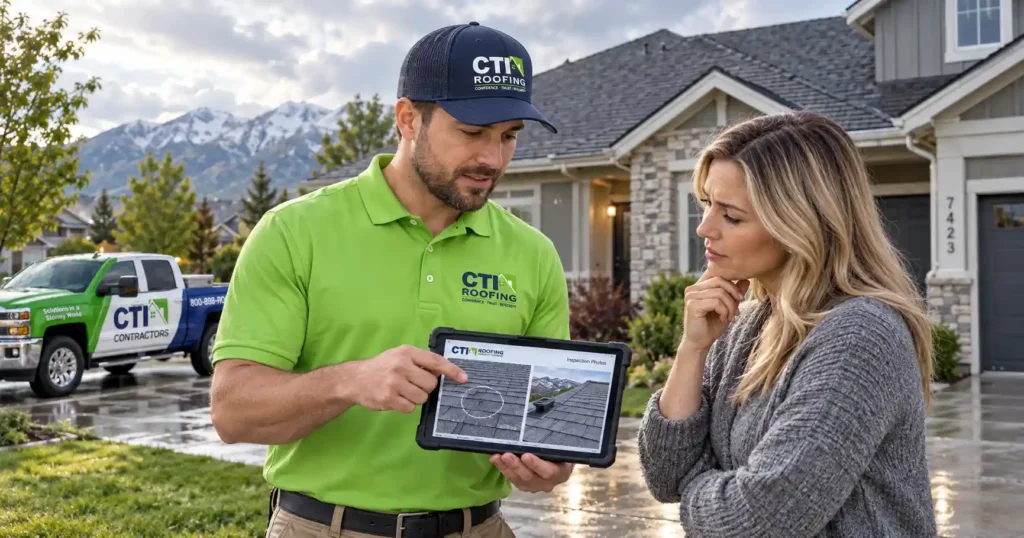
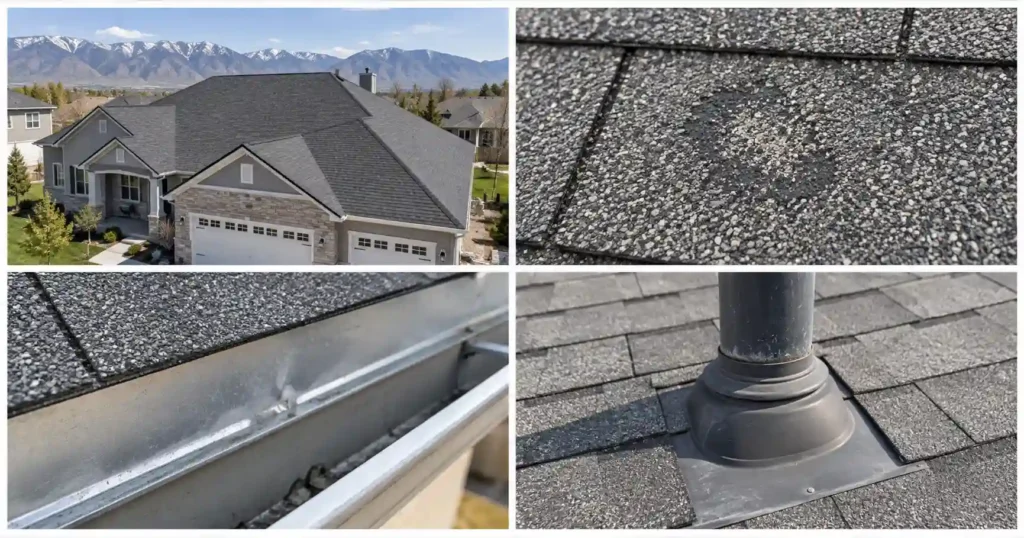
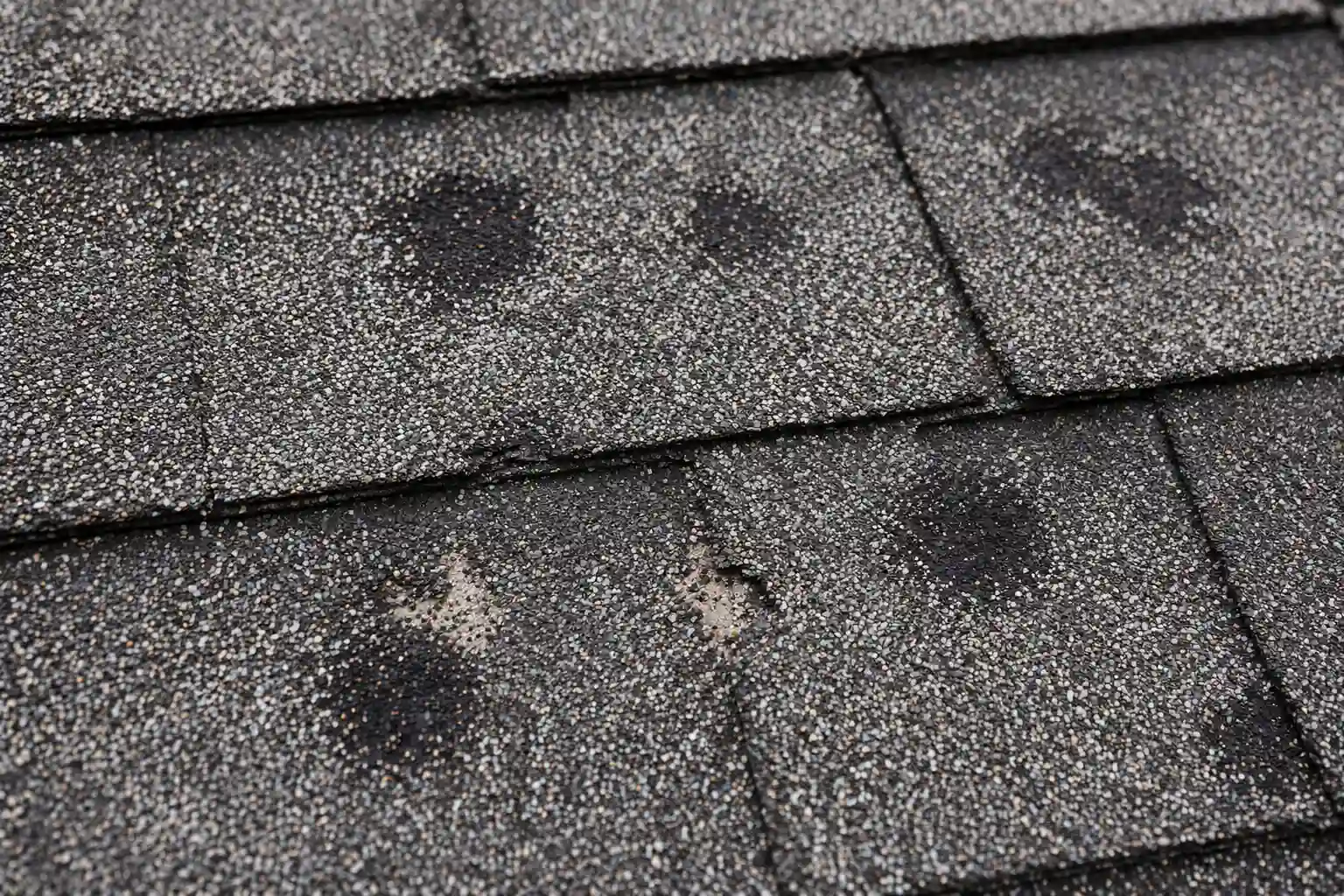
Photos matter. A roofer should be able to show you what they found, especially if they are recommending a full replacement. That may include damaged shingles, missing shingles, lifted tabs, exposed underlayment, deteriorated flashing, worn pipe boots, hail marks, soft decking concerns, or signs of repeated leaking. But photos alone are not enough. They should be explained.
A close-up picture of a shingle may look serious to a homeowner, but without context, it is hard to know whether it represents one small area or the whole roof.
Good explanation sounds like this:
“This damage is concentrated around this slope and can likely be repaired.”
Or:
“We are seeing the same failure pattern across multiple slopes, which is why replacement makes more sense than another repair.”
The difference matters.
3. You Were Only Given One Option
Sometimes a roof truly only has one practical option: replacement. But in many cases, homeowners should at least understand whether repair is possible. A repair may not always be the best long-term decision, but it should be part of the conversation when appropriate.
Be cautious if the recommendation jumps straight to replacement without explaining:
- Whether a repair is possible
- Why a repair would or would not last
- Whether the issue is localized or widespread
- Whether maintenance could buy time
- What risks come with waiting
A trustworthy roofer does not just tell you what they want to sell. They explain what makes sense for the roof.
4. The Damage Appears Localized
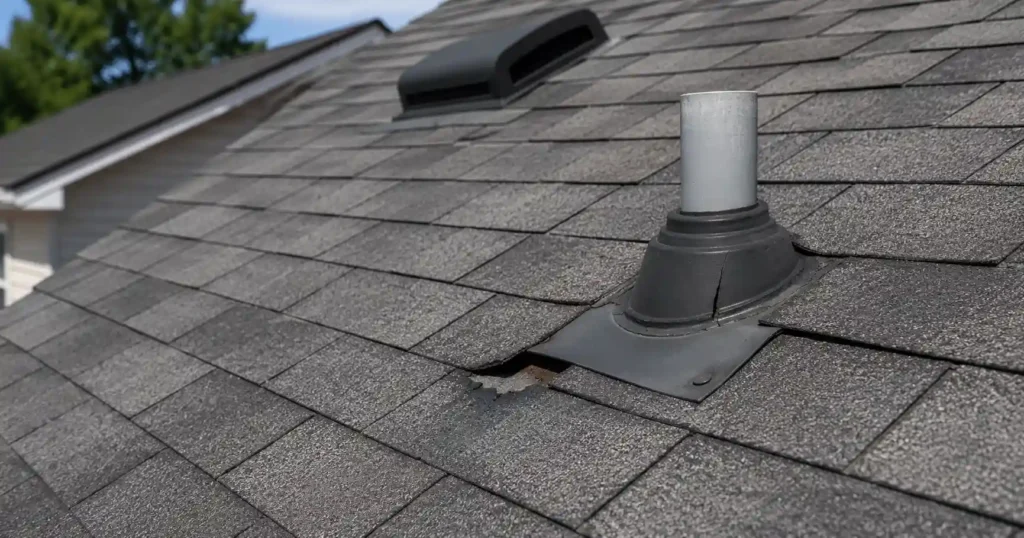
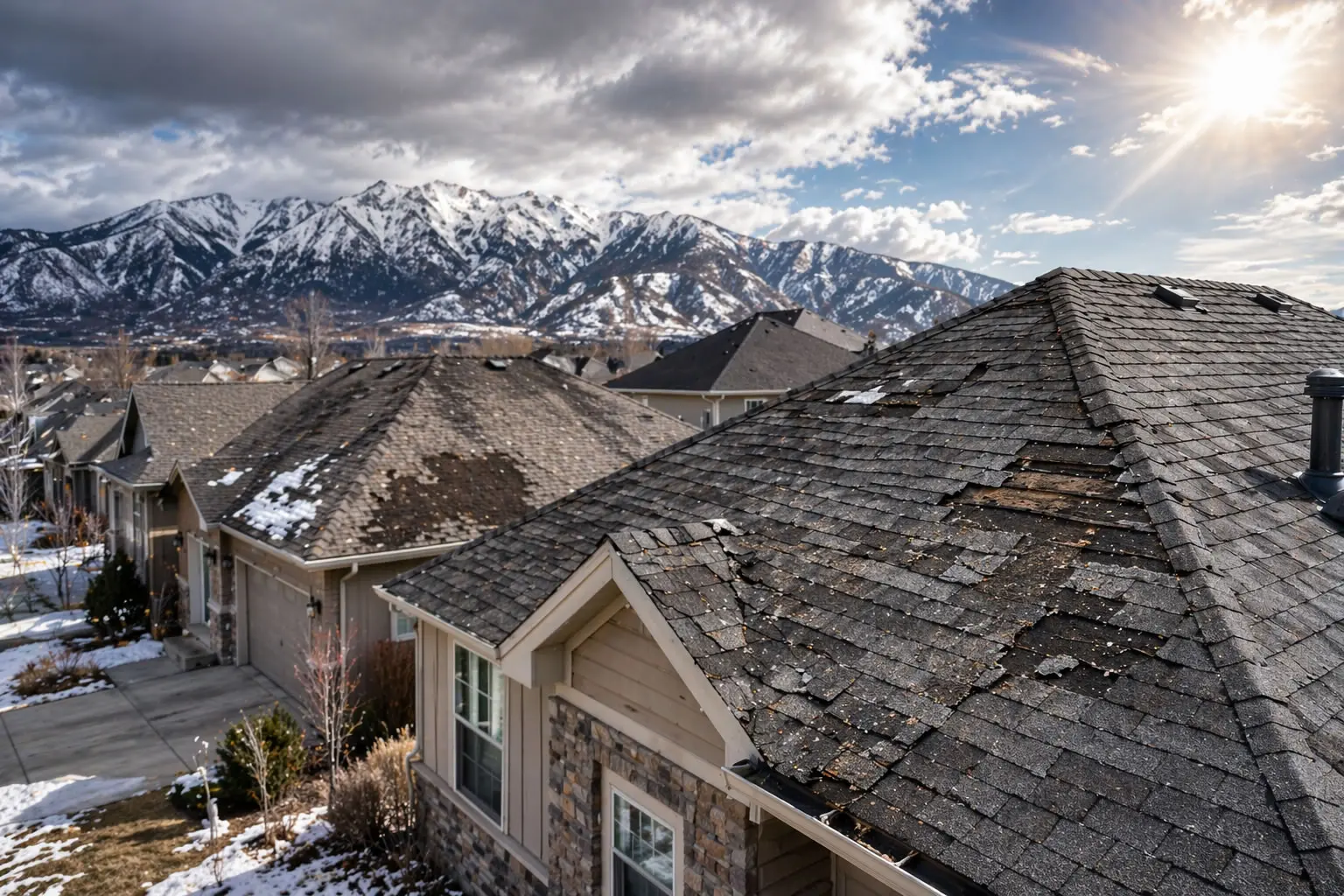
One ceiling stain does not always mean you need a new roof. One missing shingle does not always mean the roof is failing. A leak near a pipe boot, vent, chimney, skylight, valley, or flashing area may be repairable if the rest of the roof is in decent shape. The key question is whether the issue is isolated or part of a larger pattern.
For example, a leak around a worn pipe boot is very different from multiple leaks across different areas of an aging roof. That is why the inspection matters. The second opinion should help determine whether the problem is coming from one failure point or from the overall condition of the roof.
5. The Roofer Used Pressure Instead of Explanation
Pressure is not the same as urgency. Some roof problems should be handled quickly. Active leaks, exposed decking, missing shingles before a storm, and serious storm damage can need prompt attention. But even urgent situations should be explained clearly.
Be careful if you hear things like:
- “You need to sign today.”
- “This price is only good right now.”
- “Your insurance will cover it, so don’t worry about it.”
- “There is no point repairing anything.”
- “Every roof in this area needs replacement.”
Those statements may or may not be true, but they should not replace a clear explanation of your roof’s actual condition. A good roofer helps you understand the situation. They do not use confusion to rush your decision.
6. The Quote Is Large and You Do Not Understand It
A roof replacement quote can include many parts: tear-off, disposal, underlayment, ice and water protection, flashing, ventilation, shingles, ridge cap, drip edge, decking replacement if needed, labor, warranty terms, and cleanup.
If you only receive a total price with little detail, it can be hard to know what you are agreeing to. A second opinion can help you understand whether the scope makes sense. It can also help you compare the recommendations, not just the price.
The cheapest quote is not always the best quote. The most expensive quote is not automatically the best either. What matters is whether the scope matches the roof’s condition and whether the contractor can explain what is included.
When a Second Opinion May Not Change the Answer
There are times when a second opinion will likely confirm that replacement is the right move.
That may be the case if:
- The roof is near or past the end of its expected service life
- Shingles are brittle, cracked, curled, or losing granules across multiple slopes
- There are repeated leaks in different areas
- Previous repairs have stopped working
- Storm damage is widespread
- Decking issues are present
- The roof has ventilation or installation problems affecting the whole system
- Repairing one spot would only delay a larger failure for a short time
In those situations, replacement may be the more practical long-term answer. But even then, a second opinion still has value. It can help you understand why replacement makes sense, what should be included, and what questions to ask before choosing a contractor.
What a Good Roof Second Opinion Should Include
A useful second opinion should not be another sales pitch. It should give you a clearer understanding of the roof.
A good second-opinion inspection should include:
- A review of the area that triggered the concern
- An evaluation of the overall roof condition
- Photos of relevant findings
- A plain-language explanation of what the photos show
- An opinion on whether the issue is localized or widespread
- Repair options if repair makes sense
- Replacement reasoning if replacement is the better option
- Clear next steps without pressure
The best second opinions answer the question behind the question: “What would you do if this were your home?”
That does not mean the roofer decides for you. It means they explain the tradeoffs honestly enough that you can make a confident decision.
What Questions Should You Ask During a Second Opinion?
You do not need to know roofing terminology to ask good questions.
Here are simple questions that can help you get a better answer:
“Can you show me exactly why replacement is recommended?”
This asks the roofer to connect the recommendation to evidence. They should be able to point to specific findings and explain whether those issues are isolated or widespread.
“Is a repair possible?”
The answer may be yes, no, or technically yes but not financially wise. What matters is the explanation.
A helpful roofer might say:
“A repair is possible, but because the shingles are brittle across this whole slope, the repair may not hold well.”
Or:
“This appears to be coming from one flashing area, so I would not jump to full replacement based on what I am seeing.”
Both answers are useful because they explain the reasoning.
“What happens if I do nothing for now?”
This helps you understand urgency. Some roof issues can be monitored. Others should be handled before the next major storm. A good roofer should be able to explain the risk of waiting without using scare tactics.
“Is the problem in one area or across the whole roof?”
This is one of the most important questions. Localized damage often points toward repair. Widespread deterioration often points toward replacement. The difference can change the entire recommendation.
“Can you explain the photos?”
Do not settle for a folder of roof photos with no explanation. Ask what each photo shows and why it matters. A trustworthy roofer should be willing to walk you through it.
“What would make repair a bad idea?”
This question helps reveal whether the roofer is thinking practically. Sometimes repairing an old roof is like patching one worn-out tire on a car when the other three are also failing. Other times, replacement is overkill for a small, isolated issue. The explanation should make sense.
How to Compare Two Different Roofing Opinions
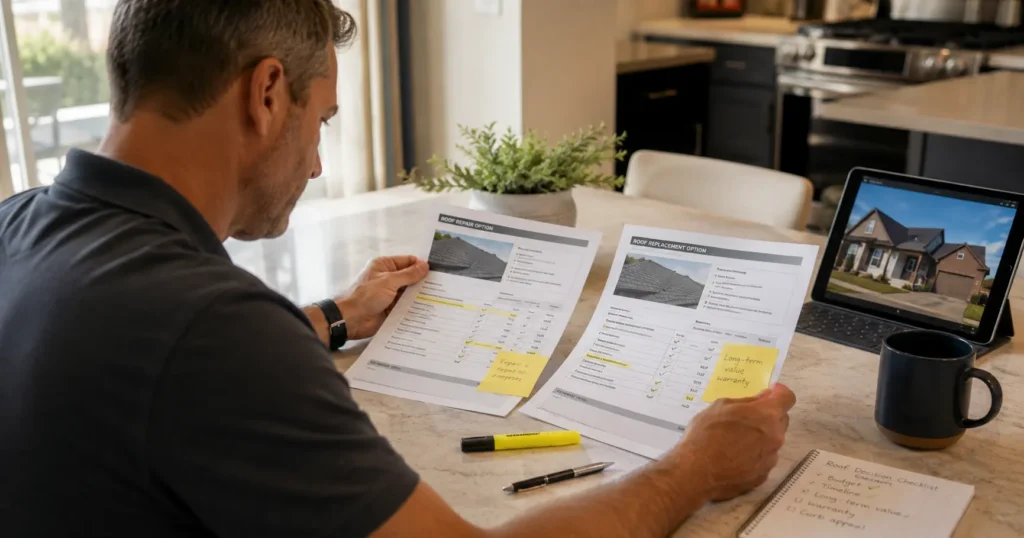
Sometimes two roofers will tell you different things. One says repair. One says replacement. One says the roof has five years left. One says it should be replaced now. That can feel frustrating, but it does not mean you are stuck. Compare the reasoning behind each recommendation.
Look at:
- What evidence did each roofer provide?
- Did they inspect the whole roof or only one area?
- Did they explain the difference between repair and replacement?
- Did they show photos?
- Did they explain urgency clearly?
- Did they put the recommendation in writing?
- Did they answer your questions directly?
- Did either one use pressure to get a quick decision?
The clearer recommendation is usually the more trustworthy one. The one that explains what is happening and why.
Signs a Roofer Is Giving You an Honest Recommendation
An honest roofer does not always tell you the cheapest answer. They tell you the clearest answer.
Good signs include:
- They explain before they sell
- They are willing to discuss repair and replacement
- They show photos and explain them
- They tell you when something is not urgent
- They do not pressure you to decide immediately
- They are comfortable with you asking questions
- They give you practical options
- They are honest about what they can and cannot know without further inspection
- They put the scope in writing
One of the best signs is simple: They are willing to say, “You do not need a new roof right now,” when that is the truth.
Signs You Should Slow Down Before Saying Yes
You may want another opinion if:
- You felt rushed
- You felt embarrassed for asking questions
- You were told there was only one option without explanation
- You were not shown what was actually wrong
- The roofer focused more on financing than findings
- The conversation went straight to replacement
- The quote had very little detail
- The urgency did not match the evidence
- Your gut says, “I need to understand this better first”
Your hesitation matters. It may simply mean you need more information before making a decision.
Does Getting a Second Opinion Mean You Do Not Trust the First Roofer?
Not necessarily. A second opinion does not have to be adversarial. It is simply another professional assessment before a major decision. Good contractors understand that homeowners want confidence. They know a roof replacement is a big investment. If their recommendation is solid, it should hold up under another honest inspection. The goal is not to catch someone doing something wrong. The goal is to make sure you understand what is right for your roof.
What CTI Roofing Looks For During a Second-Opinion Inspection
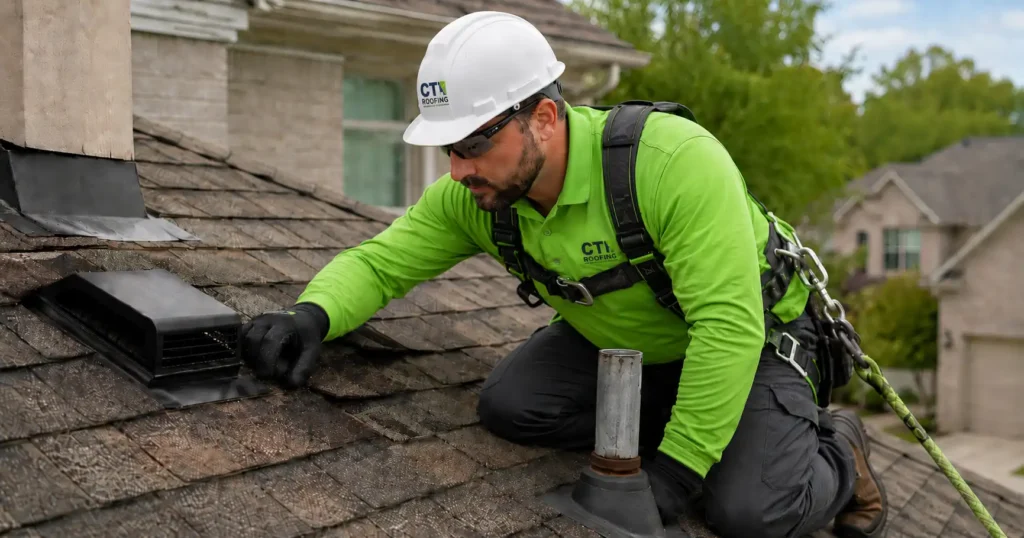
The goal of a second-opinion inspection is not to turn every concern into a replacement. It is to help you understand what is actually going on.
Depending on the situation, we may look at:
- Shingle condition
- Missing, lifted, cracked, or brittle shingles
- Granule loss patterns
- Flashing around walls, chimneys, and transitions
- Pipe boots, vents, and roof penetrations
- Valleys and drainage areas
- Signs of hail or wind damage
- Leak patterns
- Interior or attic signs when needed
- Areas where previous repairs may have failed
- Whether damage is localized or widespread
Then we explain what we find in plain language. If replacement makes sense, we will tell you why. If repair is all you need, we will tell you that too. If the roof can be watched for now, we will explain what to keep an eye on. That is what an honest inspection should do.
The Real Goal: Clarity Before Commitment
The most important outcome of a second opinion is not always saving money. Sometimes the second opinion confirms that replacement really is the right choice. When that happens, you can move forward with more confidence because you understand the reason behind the recommendation. Other times, the second opinion shows that a repair is enough for now. That can give you time, peace of mind, and a clearer plan. Either way, the decision should feel less confusing when the inspection is done.
You should know:
- What is wrong
- How serious it is
- Whether it is localized or widespread
- What your options are
- What happens if you wait
- What the next step should be
That is the difference between being sold and being guided.
Clear Next Steps If You Were Told You Need a New Roof
If a roofer has already recommended replacement and you are not fully comfortable with the answer, here is what to do next.
1. Ask for the findings in writing
Get the recommendation, photos, and scope in writing if possible. This makes it easier to review and compare.
2. Ask why repair is or is not an option
A clear answer to this question can tell you a lot about the recommendation.
3. Look for evidence of widespread problems
Replacement usually makes more sense when the issue affects the whole roofing system, not just one isolated area.
4. Avoid making a rushed decision
Unless there is active exposure or leaking that needs immediate attention, it is okay to take time to understand the recommendation.
5. Schedule an honest second-opinion inspection
Ask another roofer to inspect the roof and explain what they see. Make it clear that you are looking for clarity, not a sales pitch.
Not Sure If Replacement Is Really Necessary?
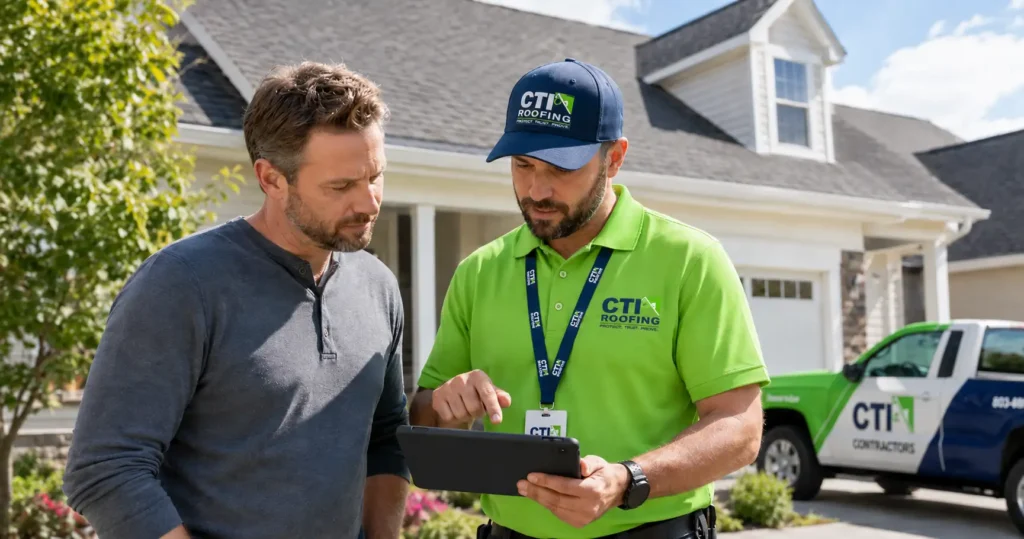
If you were told you need a new roof but something feels unclear, we can take a second look.
We will inspect the roof, explain what we find, and walk you through your options without pressure. If replacement makes sense, we will tell you why. If a repair is all you need, we will tell you that too.
The goal is simple: Give you the truth before you make a major decision.
FAQs About Getting a Second Opinion Before Roof Replacement
Should I get a second opinion before replacing my roof?
Yes, especially if the recommendation felt rushed, vague, high-pressure, or unclear. A second opinion can help confirm whether replacement is truly necessary or whether a repair may be enough.
Is it normal to get two roofing opinions?
Yes. Roof replacement is a major home expense, and it is reasonable to get more than one professional opinion before making a decision. A trustworthy roofer should understand that homeowners want clarity.
What if one roofer says repair and another says replacement?
Ask both roofers to explain their reasoning. Compare the evidence, photos, scope, urgency, and condition of the entire roof. The best recommendation should clearly explain whether the issue is localized or widespread.
Does a roof leak always mean I need a new roof?
No. Some leaks come from isolated issues such as pipe boots, flashing, vents, valleys, or small damaged areas. However, repeated leaks or widespread roof deterioration may point toward replacement. An inspection can help determine which situation applies.
What should a roofer show me before recommending replacement?
A roofer should be able to show photos or inspection findings that explain the recommendation. They should walk you through the condition of the shingles, flashing, penetrations, leak areas, storm damage, or other issues that support their conclusion.
Is a roof repair always cheaper than replacement?
A repair is usually less expensive upfront, but it is not always the best long-term choice. If the roof is near the end of its life or has widespread problems, repeated repairs can become a poor investment. A good roofer should explain the short-term and long-term tradeoffs.
How do I know if a roofing recommendation is honest?
An honest recommendation is clear, specific, and supported by evidence. The roofer should explain what they found, answer your questions, discuss repair when appropriate, and avoid pressuring you into a fast decision.
Can CTI Roofing give a second opinion on my roof?
Yes. We can inspect your roof and explain whether repair, replacement, maintenance, or monitoring makes the most sense. If a repair is all you need, we will tell you.