Storm season in Utah doesn’t send a warning text.
One week, it’s calm. Next, you’ve got high winds, heavy rain, and hail hitting your roof all at once.
And if your roof already has weak points from winter, that first storm is usually all it takes to turn a small issue into a big one.
The good news?
A little preparation now can prevent a lot of problems later.
Why Storm Preparation Matters More Than Most Homeowners Think
By the time spring rolls around, your roof has already been through months of stress.
Snow buildup, ice formation, and constant temperature swings quietly wear down shingles, seals, and structural components. Even if everything looks fine from the ground, your roof may already have vulnerable areas.
When storms hit, they don’t create problems from scratch. They expose the ones that are already there.
That’s why preparation isn’t about making your roof “stronger.” It’s about identifying and addressing weak points before weather conditions take advantage of them.
What Utah Storms Typically Do to Roofs
Utah’s storm patterns bring a mix of conditions that can impact your roof in different ways.
Wind is often the first issue. Strong gusts can lift shingles, break seals, and create entry points for water. Even if shingles don’t come off completely, that slight lift can lead to long-term damage.
Rain follows closely behind. Once water finds a weak spot, it begins to work its way beneath the surface, spreading into areas you can’t see.
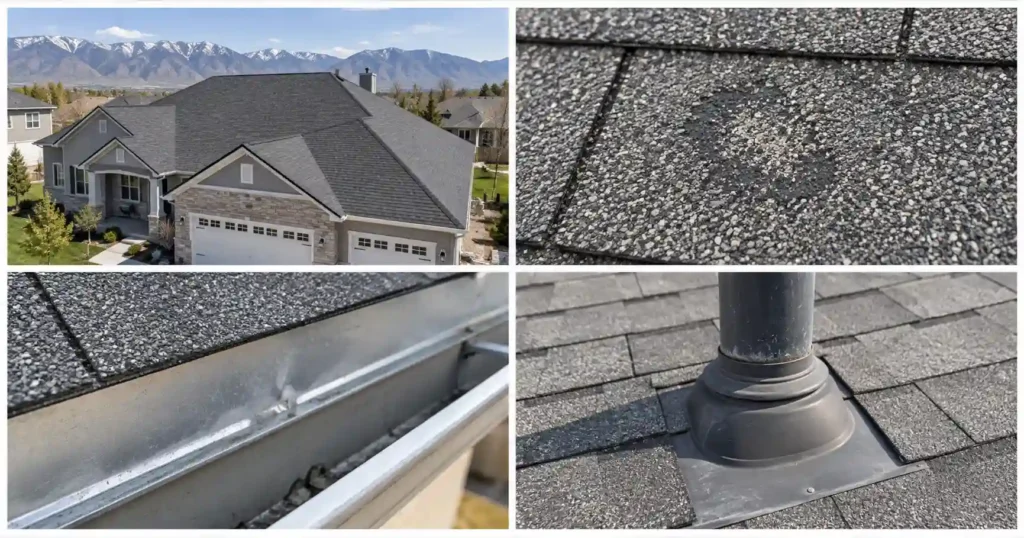
Then there’s hail. Even small hailstones can damage shingles by knocking off protective granules or creating soft impact points that weaken the material over time.
Individually, these issues might seem minor. Together, they create a situation where small vulnerabilities quickly turn into larger problems.
Simple Steps That Can Help Protect Your Roof

Preparation doesn’t require complicated tools or major upgrades.
It starts with awareness.
Take a few minutes to walk around your home and look at your roof from the ground. You’re not trying to spot every detail. You’re looking for anything that seems off. Uneven sections, debris buildup, or anything that doesn’t look consistent can be early warning signs.
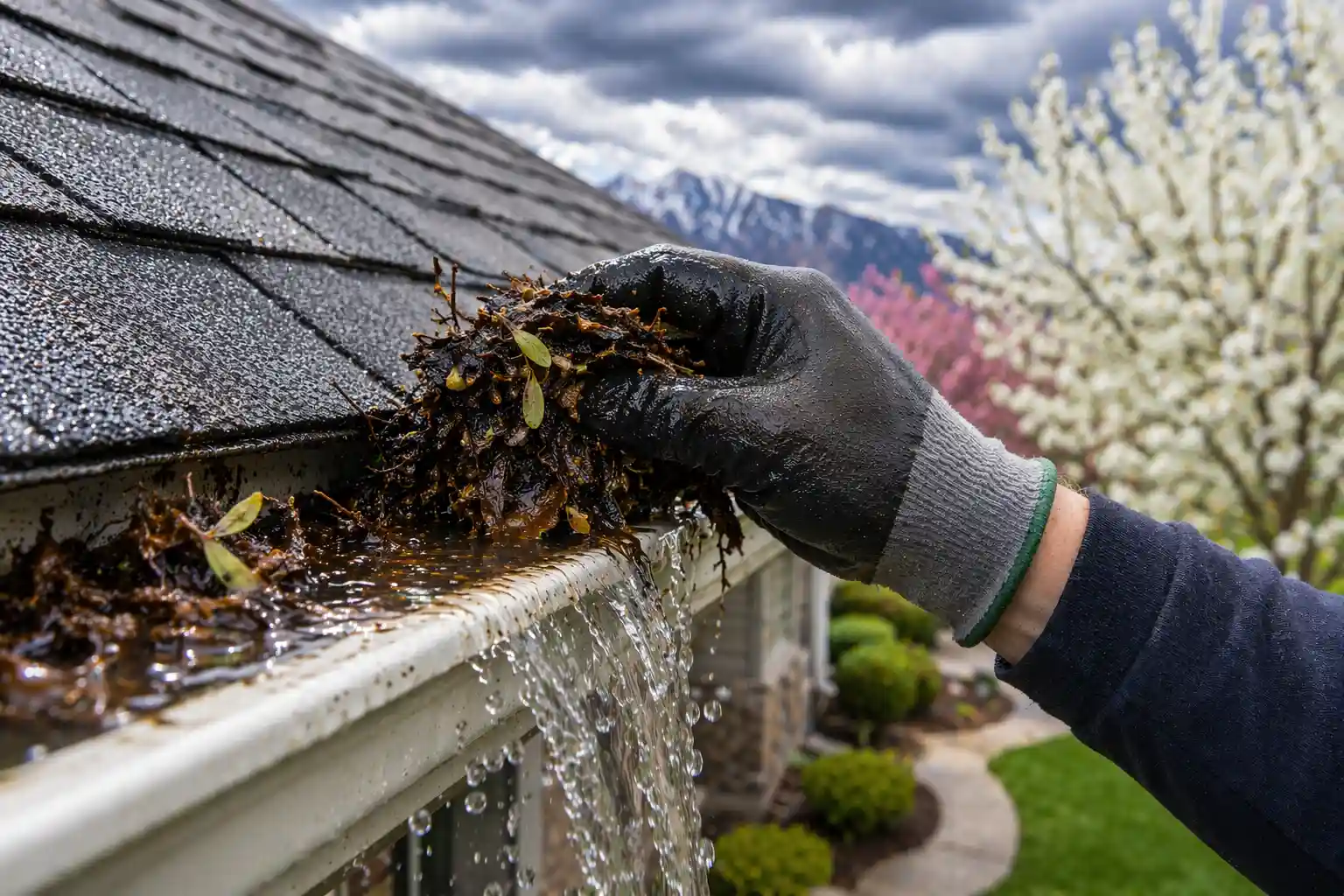
Gutters are another important area to check. If they’re clogged with leaves or debris, water won’t drain properly during storms. That increases the chances of overflow and moisture buildup along the roofline.
Tree branches should also be trimmed back if they’re hanging over your roof. During a storm, those branches can scrape against shingles or break off entirely, causing direct damage.
These steps may seem simple, but they go a long way in reducing risk.
The Step Most Homeowners Skip (And Why It Matters)
Most homeowners stop at a visual check.
The problem is that it only tells you what’s happening on the surface.
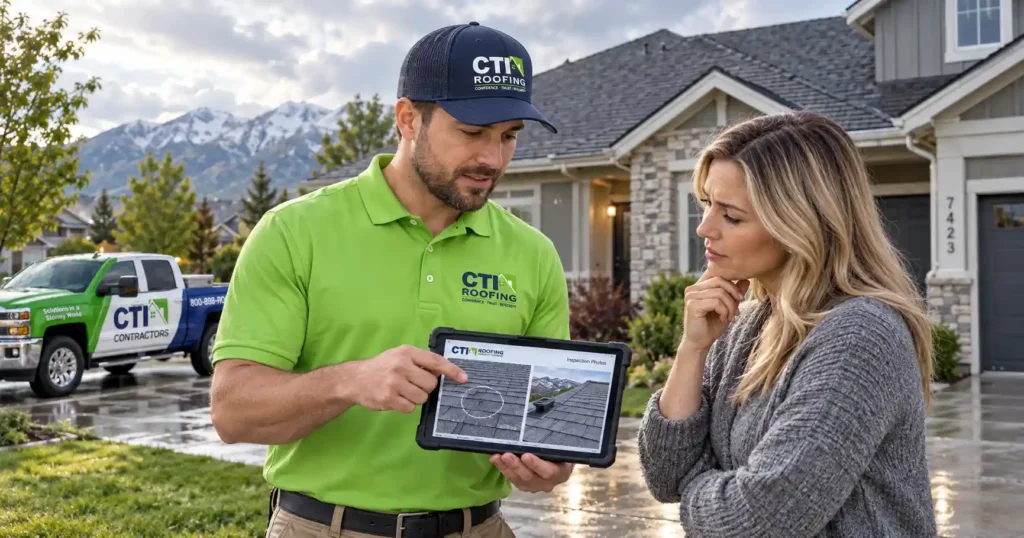
The most important step, the one that actually gives you clarity, is a professional inspection.
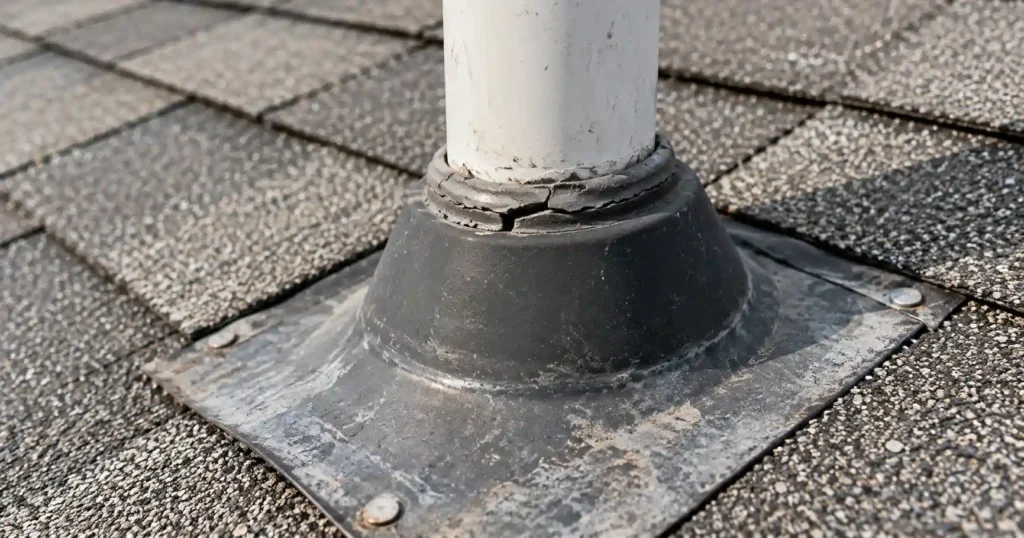
An inspection looks beyond what’s visible from the ground. It identifies lifted shingles, weakened areas, flashing issues, and early signs of damage that haven’t yet turned into leaks.
This is where you catch problems early, while they’re still manageable.
If you want to understand how these small issues turn into larger repairs or full replacements, read The Complete Homeowner’s Guide to Roof Replacement in Utah (Costs, Timing, Storm Damage & What to Expect).
How Preparation Helps You Avoid Bigger Costs
Storm preparation isn’t about eliminating risk entirely.
It’s about reducing the chances of small issues turning into expensive repairs.
When weak points are identified early, they can often be addressed before storms make them worse. This prevents moisture from spreading beneath the surface and reduces the likelihood of interior damage.
It also puts you in a better position if storm damage does occur.
A well-documented, well-maintained roof makes it easier to identify new damage and take the right steps, whether that’s a repair or an insurance claim.
What Happens If You Don’t Prepare
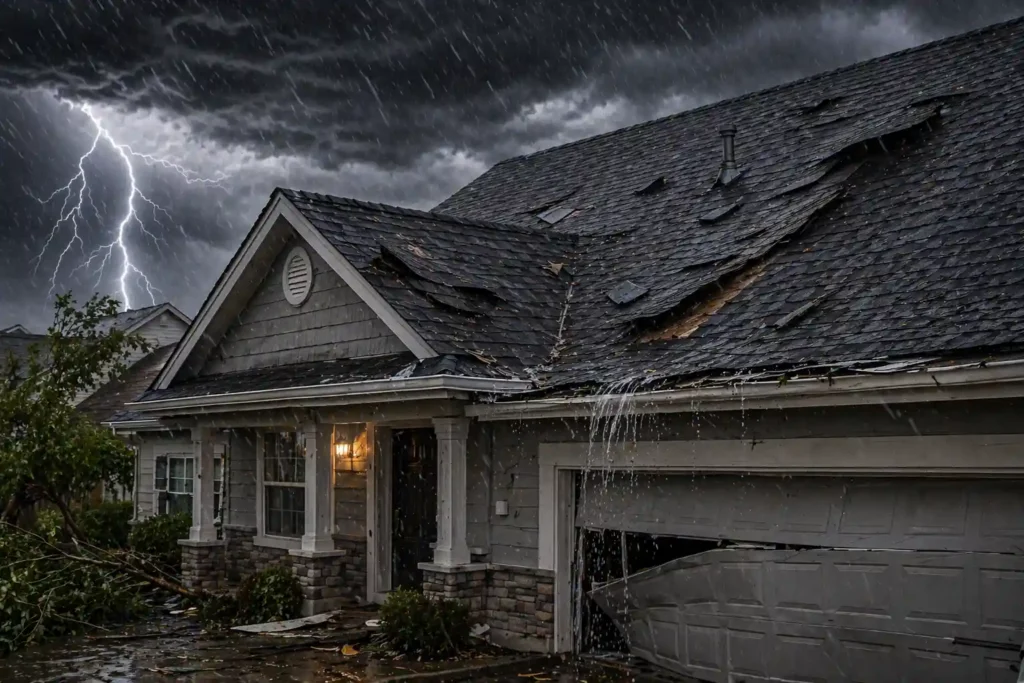
Skipping preparation doesn’t guarantee problems, but it increases the odds.
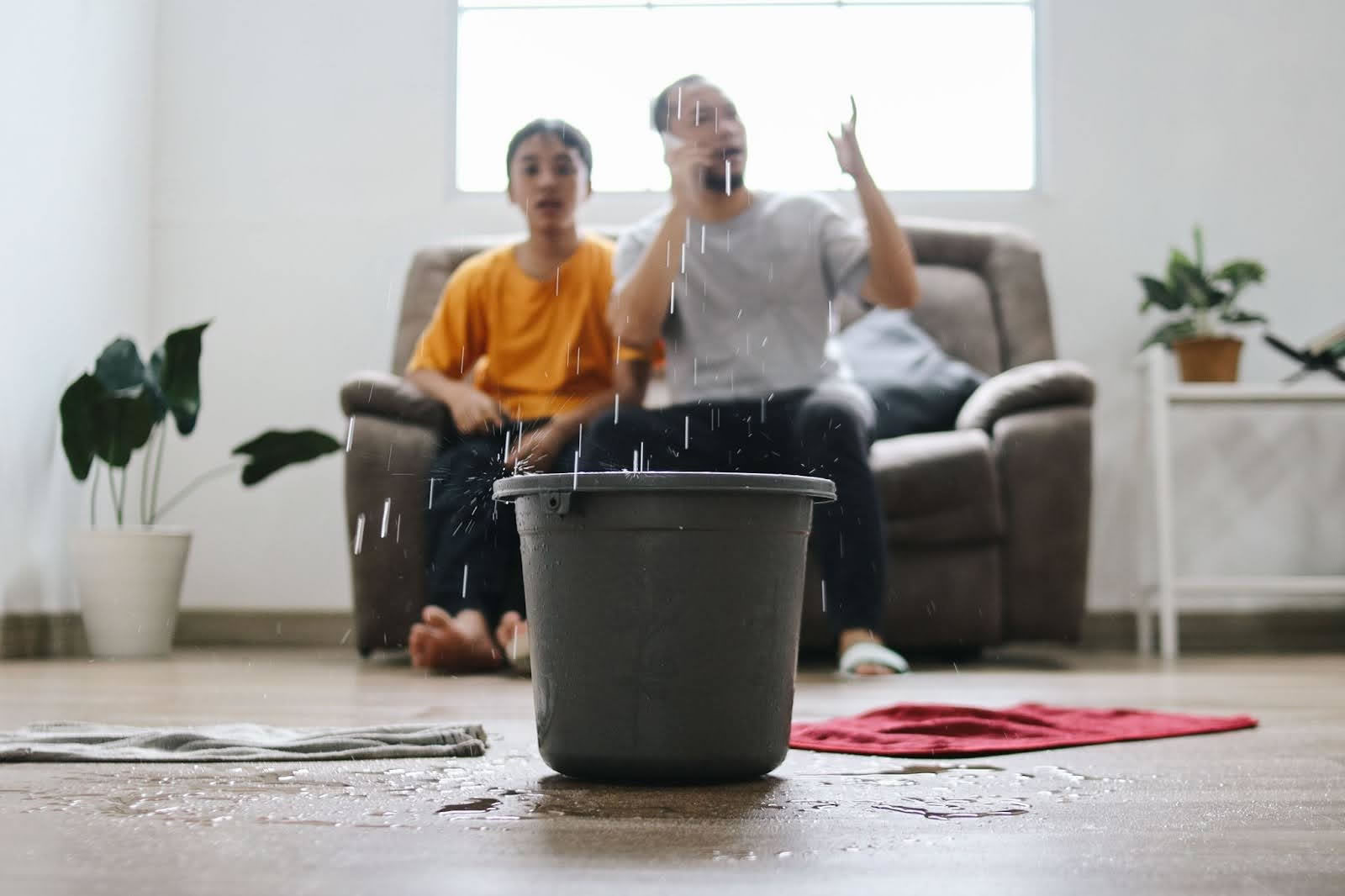
When storms hit an already weakened roof, damage tends to escalate quickly. A lifted shingle turns into a leak. A small leak turns into water damage inside the home.
At that point, you’re no longer being proactive—you’re reacting.
And reactive decisions are almost always more expensive.
How to Stay Ahead Instead of Playing Catch-Up
The goal isn’t to constantly worry about your roof.
It’s to stay one step ahead of potential problems.
A quick check, a few preventative steps, and a professional inspection can give you confidence going into storm season. Instead of wondering whether your roof will hold up, you’ll know where it stands.
That peace of mind is worth more than most homeowners expect.
Schedule a Roof Inspection Before Storm Season Ramps Up
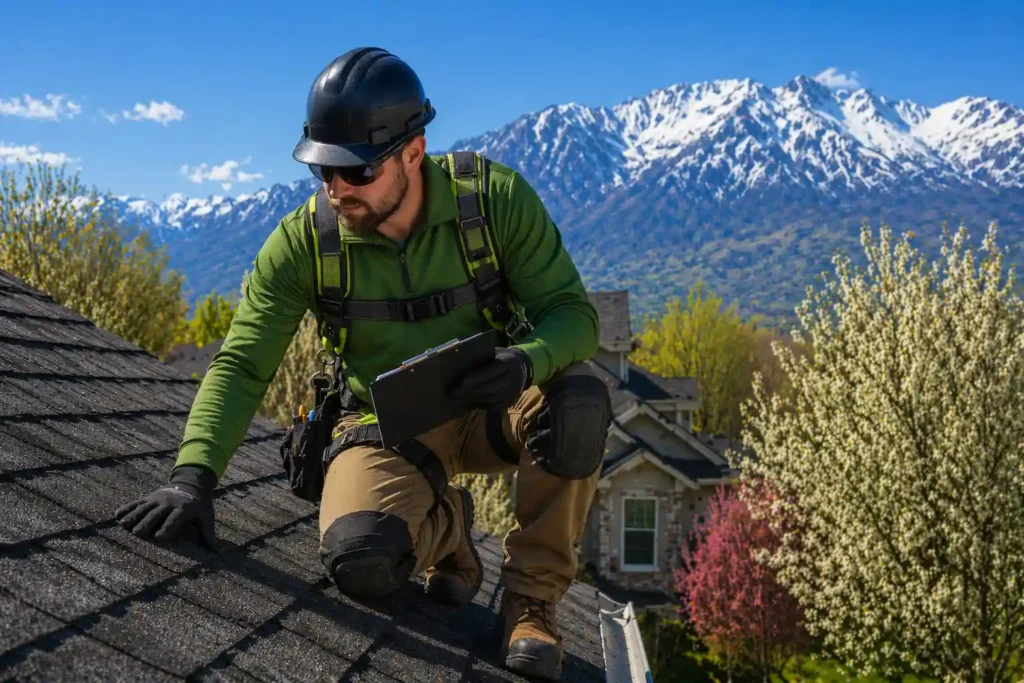
If you haven’t had your roof looked at since winter, now is the time.
Storm season in Utah can escalate quickly, and small issues don’t stay small for long.
At CTI Roofing, we provide detailed, no-pressure inspections designed to help you understand your roof’s condition before problems develop.
Schedule your inspection today and make sure your roof is ready before the next storm hits.
What You’ll Get
- A full roof condition check
- Identification of weak points before storms
- Honest recommendations for maintenance or repair
- Clear next steps with no pressure