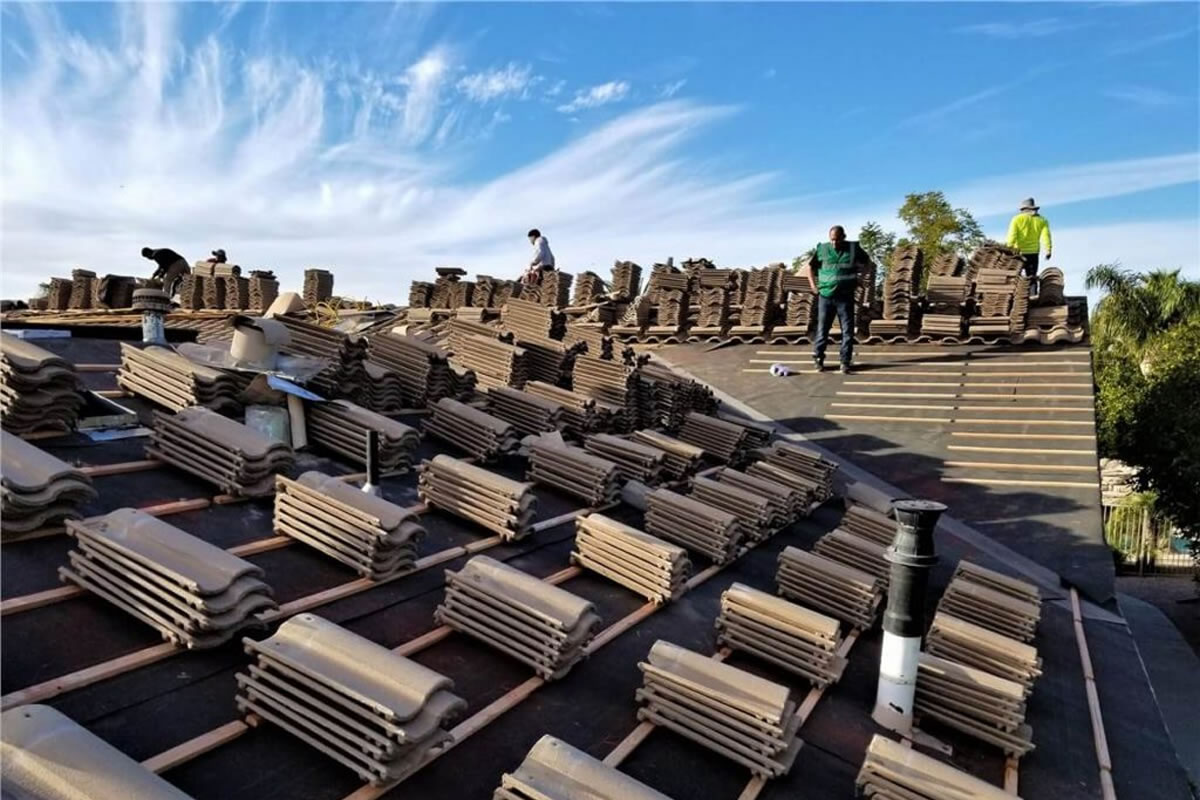
Tile roofs are prized for their durability and timeless aesthetic, especially in Utah’s climate. They withstand intense sun, heavy snow, and dramatic temperature swings. But what many homeowners don’t realize is that the most critical component isn’t actually the tiles themselves—it’s the tile roof underlayment that sits beneath them.
This protective barrier is your home’s first line of defense against water infiltration. Understanding your options can make the difference between a roof that lasts 20 years and one that protects your home for 50+ years.
Understanding Tile Roof Underlayment
Roof underlayment is a waterproof barrier that roofers install directly onto your roof deck before any roofing material goes on top. Think of it as a backup insurance policy. If water somehow gets past your tiles (through cracks, wind-driven rain, or aging), the underlayment stops it from reaching your home’s interior.
For tile roofs specifically, underlayment is even more critical. Tiles naturally have small gaps and overlaps where moisture can penetrate.
Three Main Types of Underlayment
1. Asphalt-Saturated Felt
Traditional felt paper (sometimes called tar paper) has been used for decades. Manufacturers make it from organic or fiberglass mat saturated with asphalt. While it’s the most affordable option, it has limitations:
- Tears more easily during installation
- Breaks down faster under UV exposure
- Less effective in extreme temperature fluctuations
- Generally considered outdated technology
2. Synthetic Underlayment
This is the modern standard. Most professional roofers recommend it. Manufacturers make synthetic underlayment from polyethylene or polypropylene. It offers:
- Superior tear resistance
- Better protection during construction delays
- Lighter weight (easier to install)
- Longer lifespan before roof installation
- Better performance in Utah’s temperature extremes
3. Rubberized Asphalt
This premium option contains a high percentage of rubber polymers and asphalt. It actually seals around nail holes. It’s ideal for:
- Low-slope tile roof applications
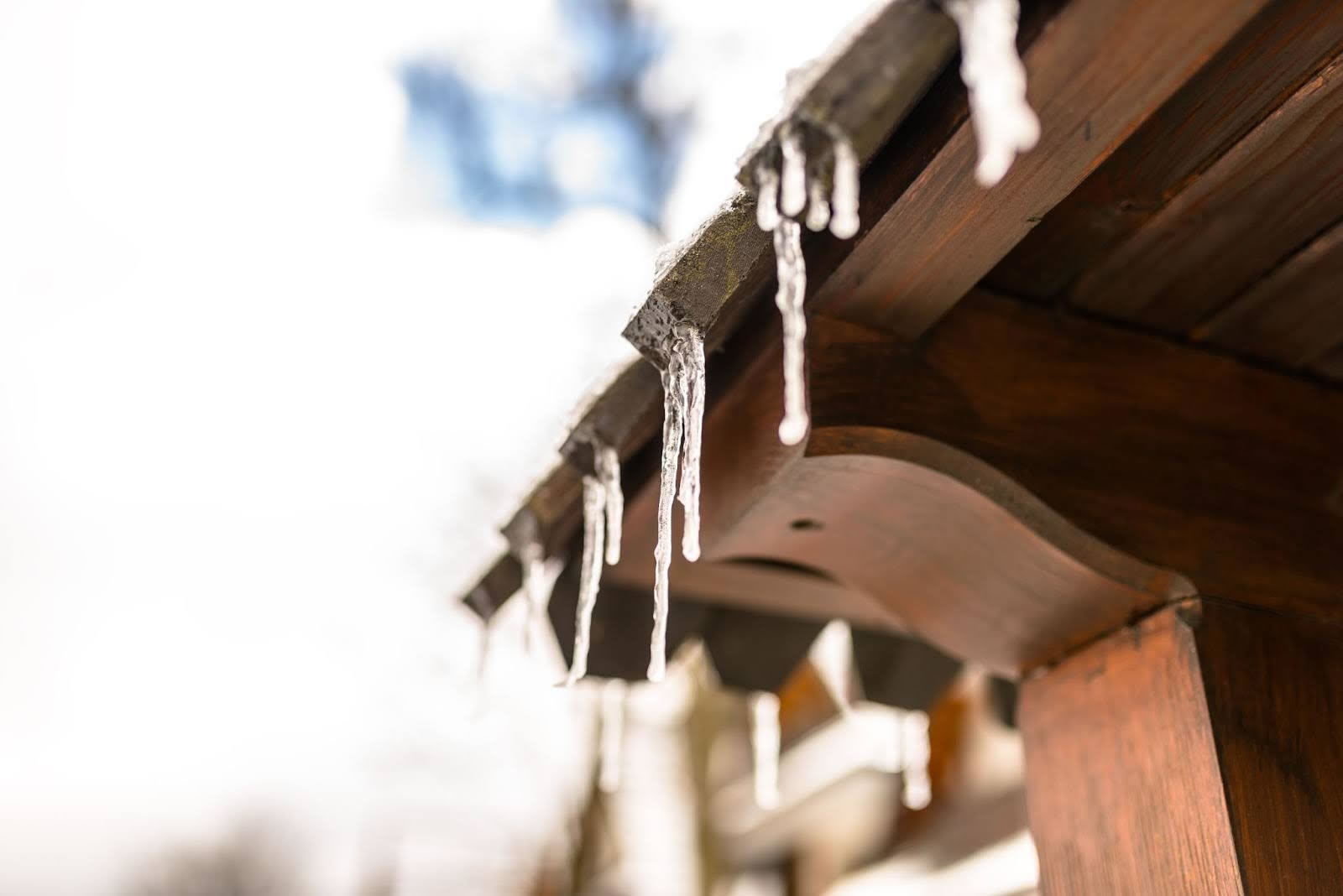
- Areas prone to ice damming (like northern Utah)
- Maximum waterproofing protection
- Homes in severe weather zones
While more expensive upfront, rubberized asphalt can prevent costly water damage repairs down the road.
When to Replace Your Tile Roof Underlayment
Many homeowners assume that because their tiles look good, their entire roof system is fine. Unfortunately, underlayment deteriorates faster than tiles. It often needs replacement even when tiles are still in good condition.
Warning signs include:
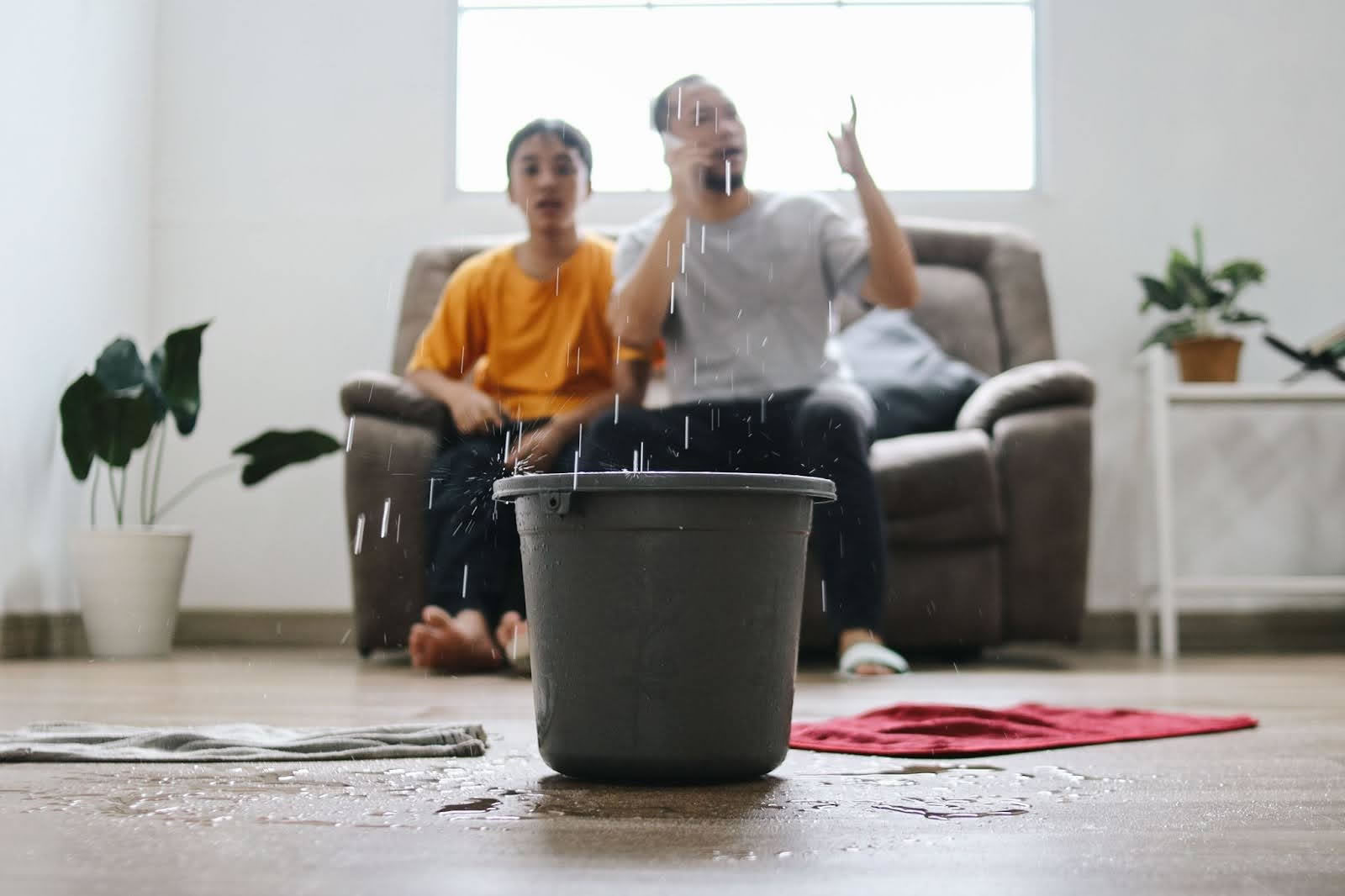
- Water stains on interior ceilings or walls
- Visible sagging between roof rafters
- Tiles that have lifted or shifted
- Your roof is 20+ years old (even if tiles look fine)
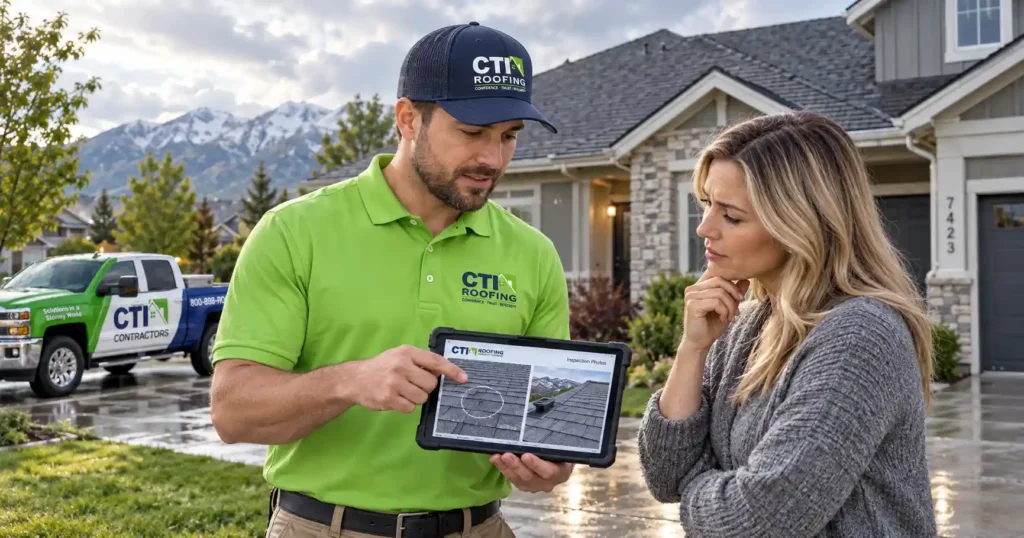
If you’re experiencing any of these issues, get a professional roof inspection. Our team can determine if underlayment failure is the culprit.
Tile Roof Replacement Options in Utah
When it’s time for a roof replacement, Utah homeowners have several material options beyond tile. Each has distinct advantages:
Concrete Tile Roofing
Modern concrete tiles can mimic the appearance of clay, slate, or wood. They offer:
- 50+ year lifespan with proper maintenance
- Excellent thermal performance (keeps homes cooler in summer)
- Fire resistance (Class A rating)
- Lower cost than natural clay or slate
Concrete tiles work particularly well with premium synthetic or rubberized underlayment systems for maximum protection.
Asphalt Shingles
The most common roofing material in America offers a practical alternative:
- 20-30 year lifespan (architectural shingles)
- Wide range of colors and styles
- Lower installation cost
- Faster installation time
For guidance on choosing the right shingle for Utah’s climate, check out our article on the best roofing systems for Utah.
Metal Roofing
Metal roofs are an increasingly popular choice for Utah homes. They provide:
- 40-70 year lifespan
- Energy efficiency (reflects solar heat)
- Snow sheds easily (important for Utah winters)
- Lightweight (less structural stress)
The main drawbacks are higher initial cost and potential for noise during hailstorms without proper insulation.
The Tile Roof Replacement Process
Professional tile roof replacement involves several critical steps to ensure long-term performance:
1. Comprehensive Inspection
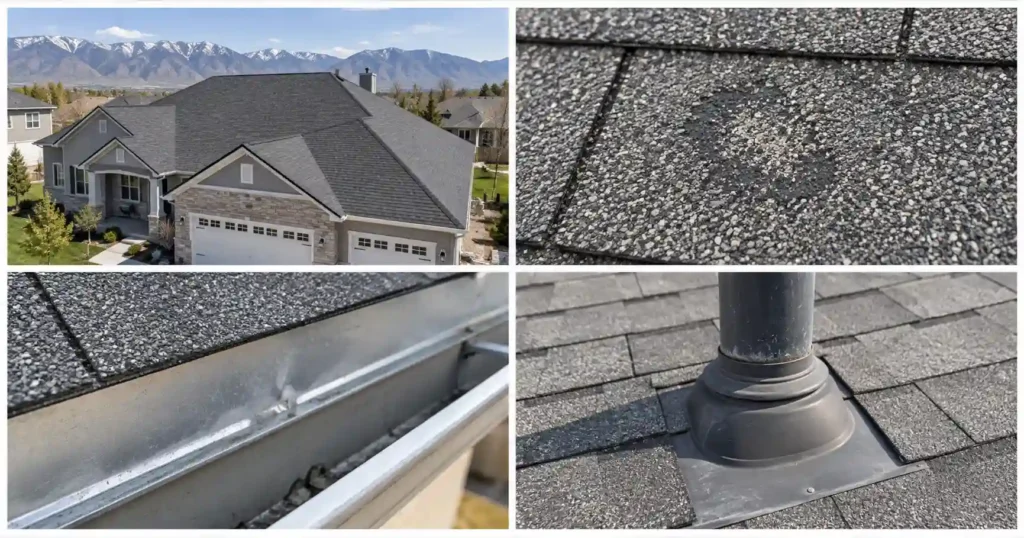
A thorough evaluation identifies not just surface damage but underlying issues. We check decking, ventilation, and structural support.
2. Complete Removal
Our team carefully removes old tiles, underlayment, and any damaged decking. This allows us to inspect the roof deck for rot or damage that needs repair.
3. Deck Preparation and Repair
We replace any compromised plywood or OSB sheathing. The deck must be smooth, dry, and structurally sound before new materials go on.
4. New Underlayment Installation
We install premium synthetic or rubberized underlayment with proper overlap and fastening. This step is critical—rushed installation can compromise the entire system.
5. Tile Installation
We install new or salvaged tiles with proper battens, fasteners, and spacing. All flashings, valleys, and penetrations get carefully waterproofed.
For homeowners concerned about costs, explore our guide on roof financing options.
Choosing the Right Underlayment for Utah’s Climate
Utah’s unique climate demands careful underlayment selection. Our state experiences:
- Temperature extremes: From below 0°F in winter to 100°F+ in summer
- Intense UV exposure: Especially at higher elevations
- Dramatic freeze-thaw cycles: Which can compromise inferior underlayments
- Occasional severe weather: Including hail and high winds
For most Utah homes, we recommend high-quality synthetic underlayment. It’s the sweet spot between performance and value. For homes in areas with ice damming issues or low-slope sections, rubberized asphalt underlayment provides extra peace of mind.
Professional Installation Matters
Even the best underlayment won’t perform properly if you install it incorrectly. Common installation mistakes include:
- Insufficient overlap at seams
- Improper fastening patterns
- Wrinkles or gaps in coverage
- Exposed edges at valleys and eaves
According to the National Roofing Contractors Association, proper underlayment installation is one of the most critical factors in roof longevity.
Protect Your Investment
Your roof is one of your home’s largest investments. The underlayment is its most important hidden component. While tile or shingle selection gets the attention, it’s the quality and condition of your underlayment that truly determines how well your roof protects your home.
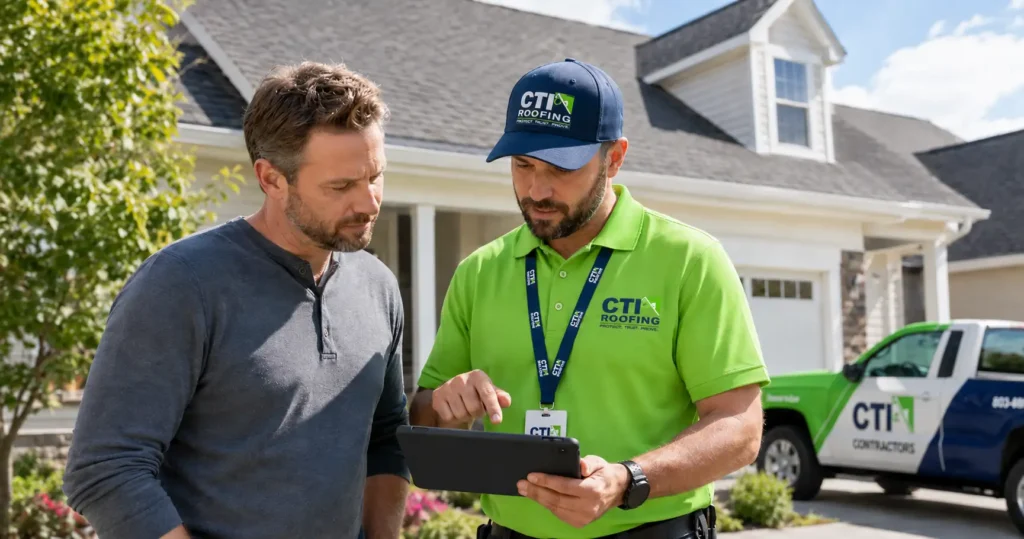
Whether you need a complete roof replacement or want to assess your current roof’s condition, CTI Roofing provides comprehensive free roof inspections throughout Utah. Our experienced team can evaluate your underlayment condition and recommend the best solution for your home and budget.
For expert guidance on tile roofing, underlayment selection, or any roofing concerns, contact CTI Roofing today. We’re committed to providing Utah homeowners with honest assessments and quality workmanship that stands the test of time.