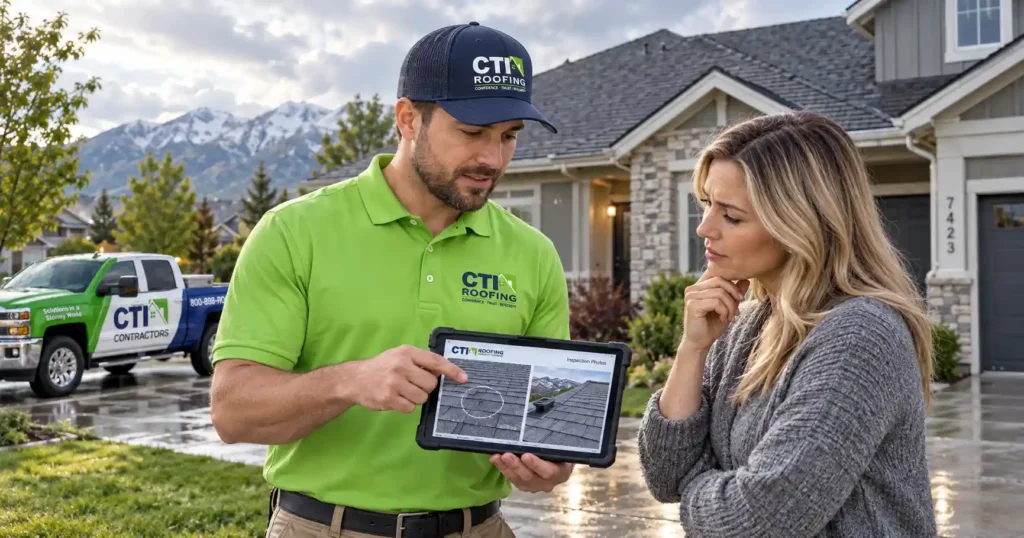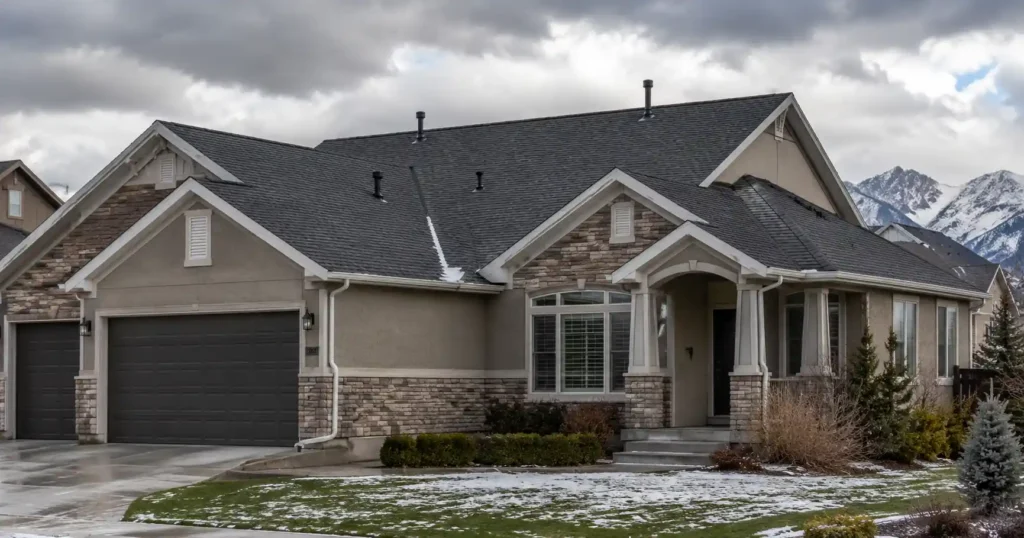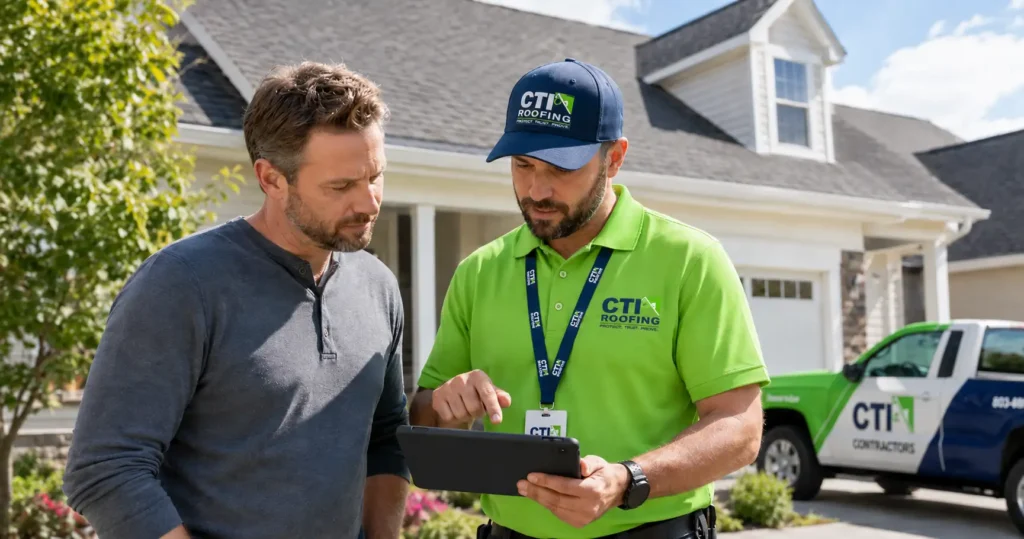

Winter roof inspections often reveal problems that aren’t visible during warmer months. Cold temperatures, snow, and ice can expose weaknesses in a roofing system that might otherwise go unnoticed. That’s why winter inspections play an important role in protecting a home from hidden damage.
Understanding what roofers look for during winter inspections can help homeowners recognize potential issues early and avoid costly repairs later. This guide explains what professionals check, why those areas matter, and how winter conditions change the way roofs are evaluated.
Why Winter Roof Inspections Matter
Winter places unique stress on a roof. Snow load, freezing temperatures, and repeated thawing cycles can all affect roofing materials differently than rain or heat alone.
A winter roof inspection focuses on identifying:
- Areas where moisture may be entering
- Damage caused by freeze–thaw cycles
- Weak points made worse by snow and ice
- Ventilation and insulation issues
- Early signs of structural stress
Many winter roof problems develop slowly, making inspections especially important during colder months. A professional roof inspection during this time focuses on identifying moisture entry points and damage caused by freeze-thaw cycles that a standard summer walk-through might miss.
Shingles and Roofing Materials
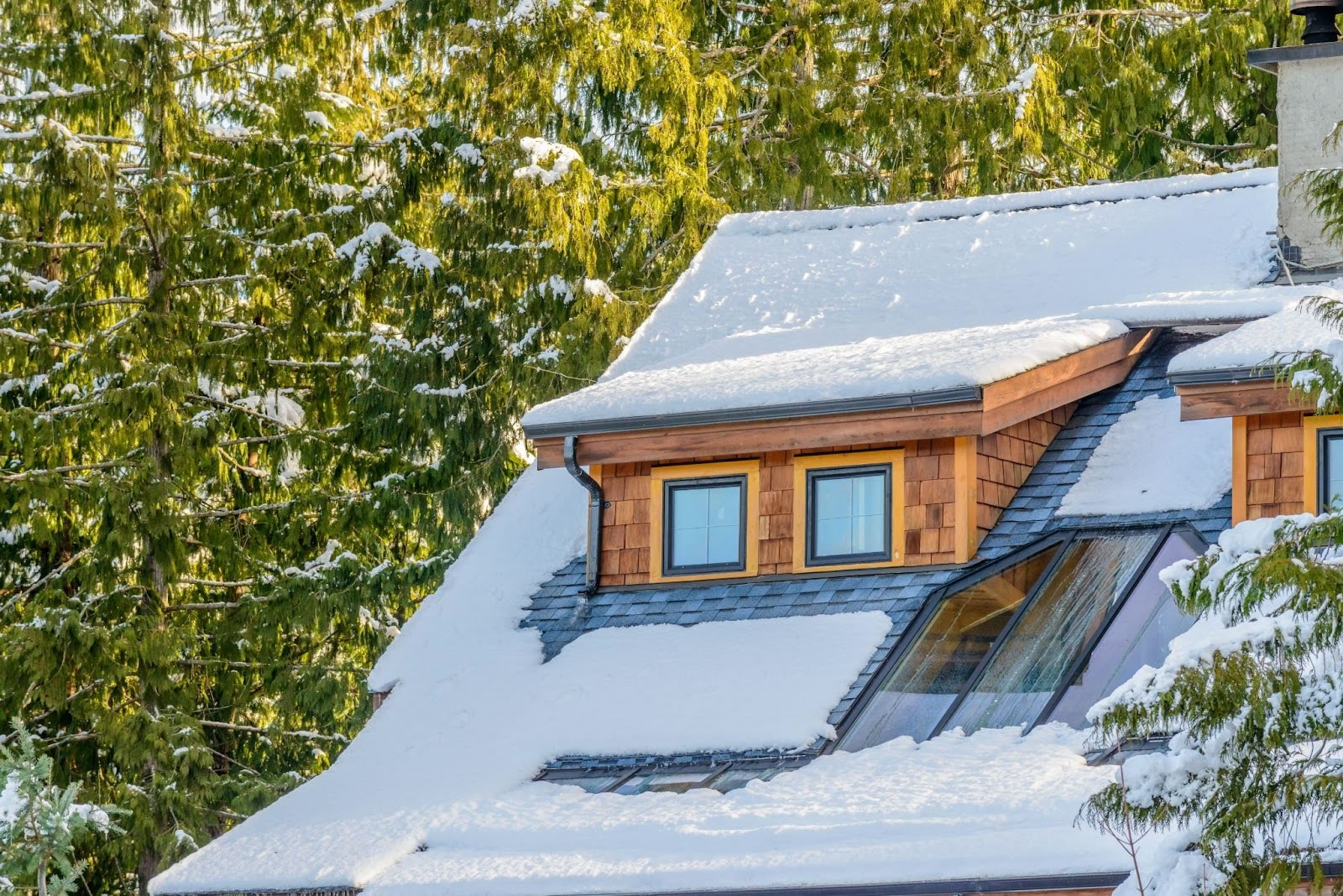
One of the first things roofers check is the condition of the shingles or roofing surface.
During winter, roofers look for:
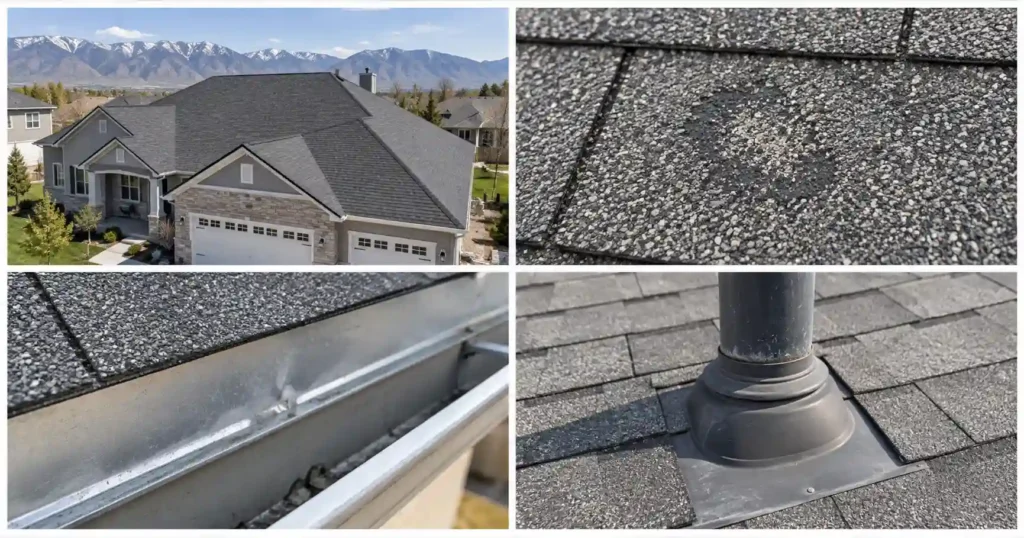
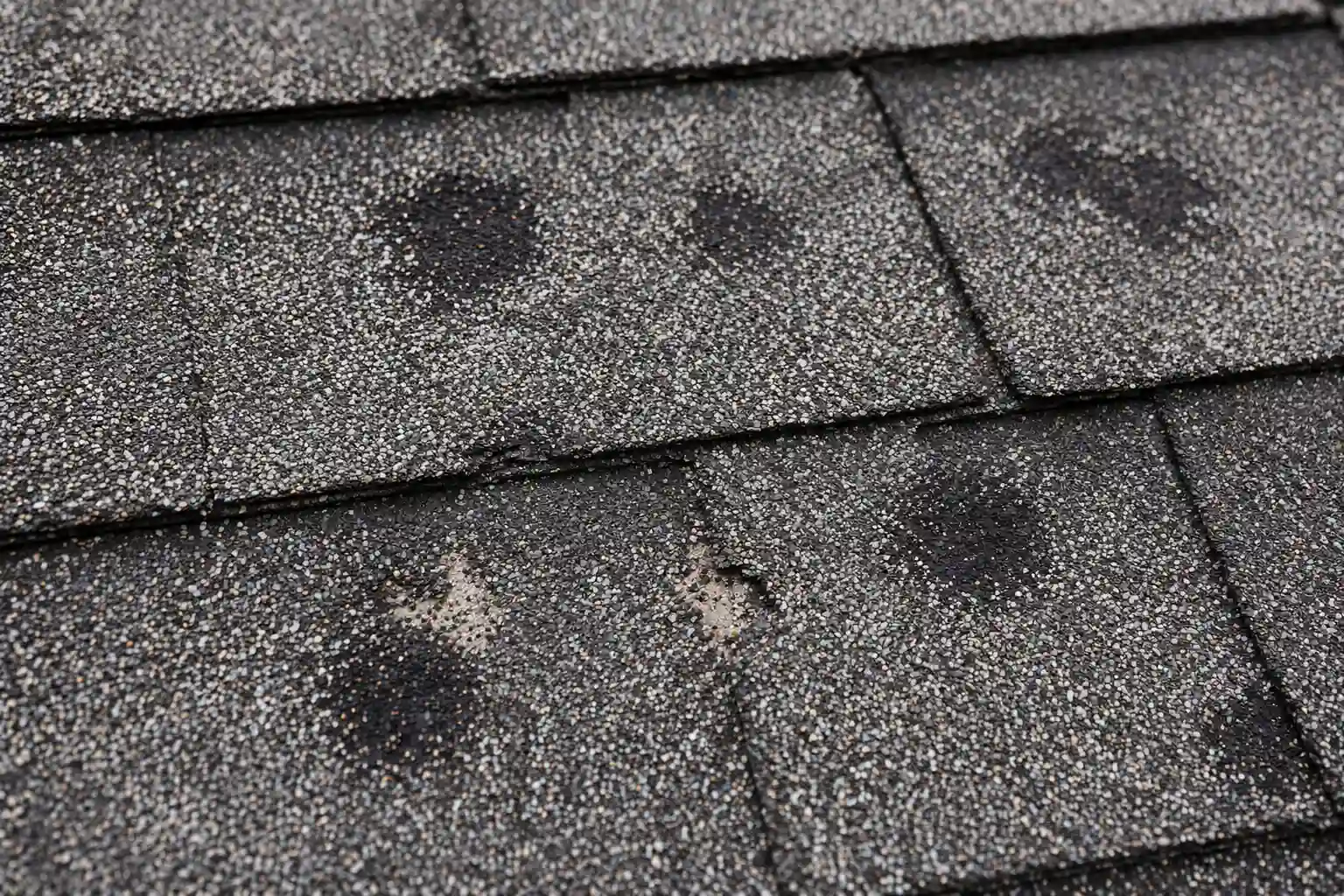
- Cracked or brittle shingles
- Lifted or missing sections
- Areas where granules are wearing away
- Signs of ice-related damage
Even small issues can allow moisture to enter once snow begins to melt. If shingles are failing across the entire surface, it may be time to discuss a roof replacement before spring rains arrive.
Flashing and Roof Penetrations
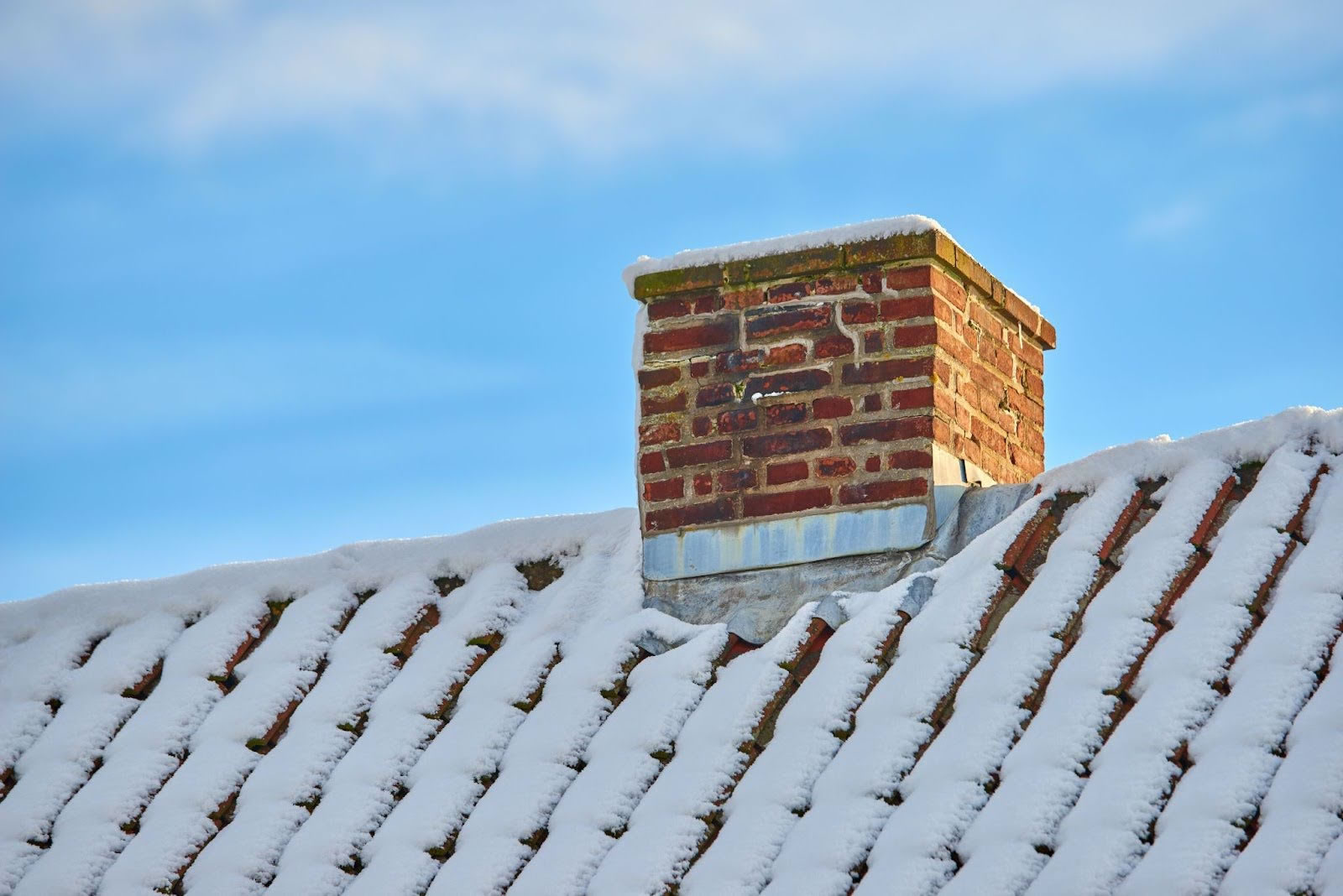
Flashing around chimneys, vents, skylights, and roof edges is especially vulnerable in winter.
Roofers inspect:
- Gaps or separation in flashing
- Cracked sealant
- Areas where ice may have forced flashing loose
- Signs of water intrusion near penetrations
Because flashing is designed to redirect water, even minor damage can lead to leaks during snowmelt. If your vents show signs of rust or separation, targeted vent repair can often stop a leak before it reaches your ceiling.
Attic Conditions and Ventilation
A winter roof inspection often includes an attic check. This area provides valuable clues about how the roof is performing.
Roofers look for:
- Moisture or frost buildup
- Wet or compressed insulation
- Signs of condensation
- Proper airflow and ventilation balance
Poor ventilation allows warm air to build up in the attic, which contributes to ice dams and moisture problems. Our guide on why attic ventilation matters most in winter explains how airflow directly affects roof performance.
Signs of Ice Dam Formation
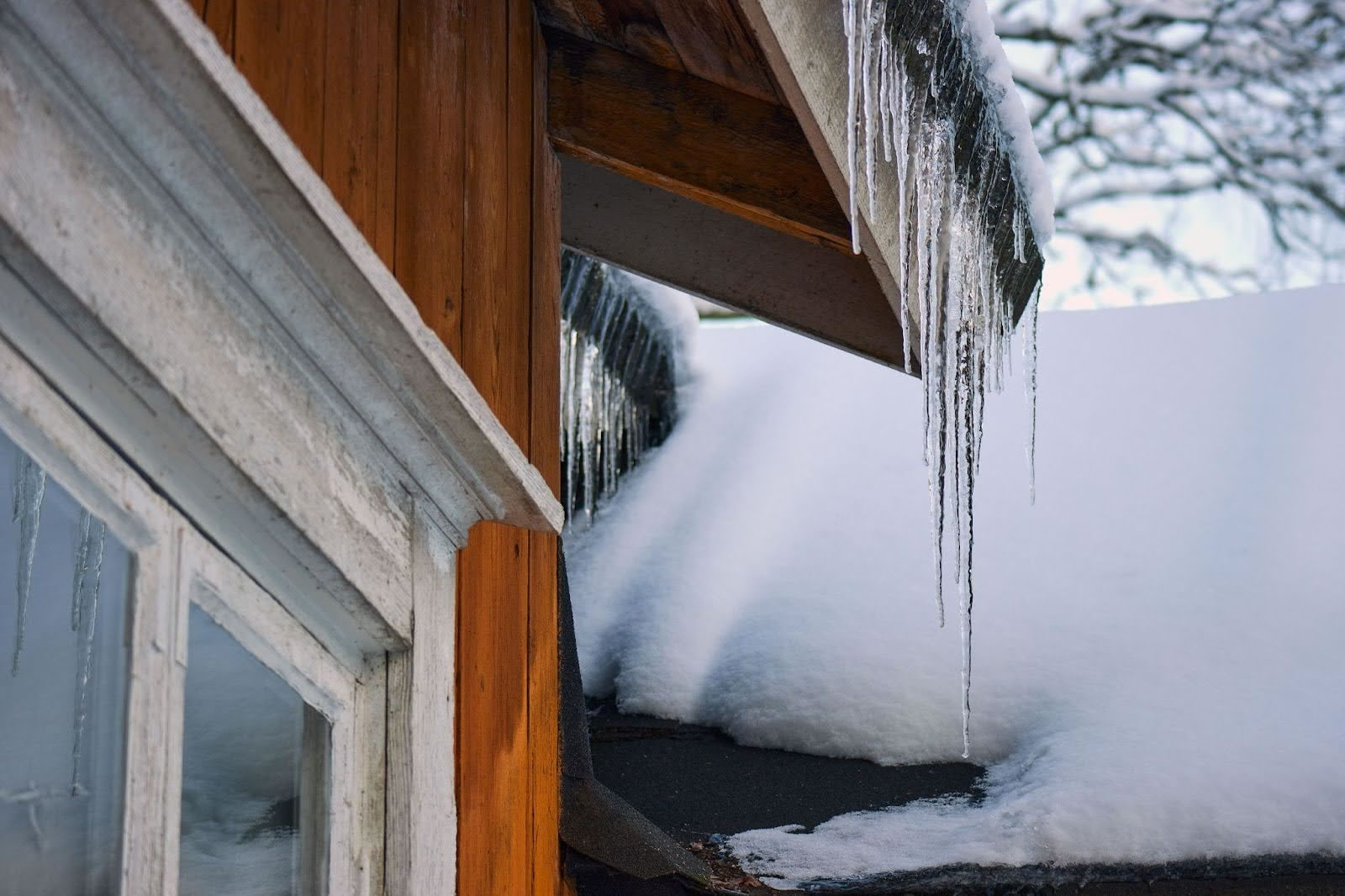
Ice dams are a major focus of winter inspections. Even if they aren’t visible from the ground, roofers look for early indicators that they may be forming.
These include:
- Ice buildup near roof edges
- Uneven snow melt patterns
- Water stains near exterior walls
- Icicles forming along eaves
If ice dams are present or forming, they can trap water and lead to leaks. Our article on ice dams and winter roof damage explains why they’re so common during cold weather.
Snow Load and Structural Stress
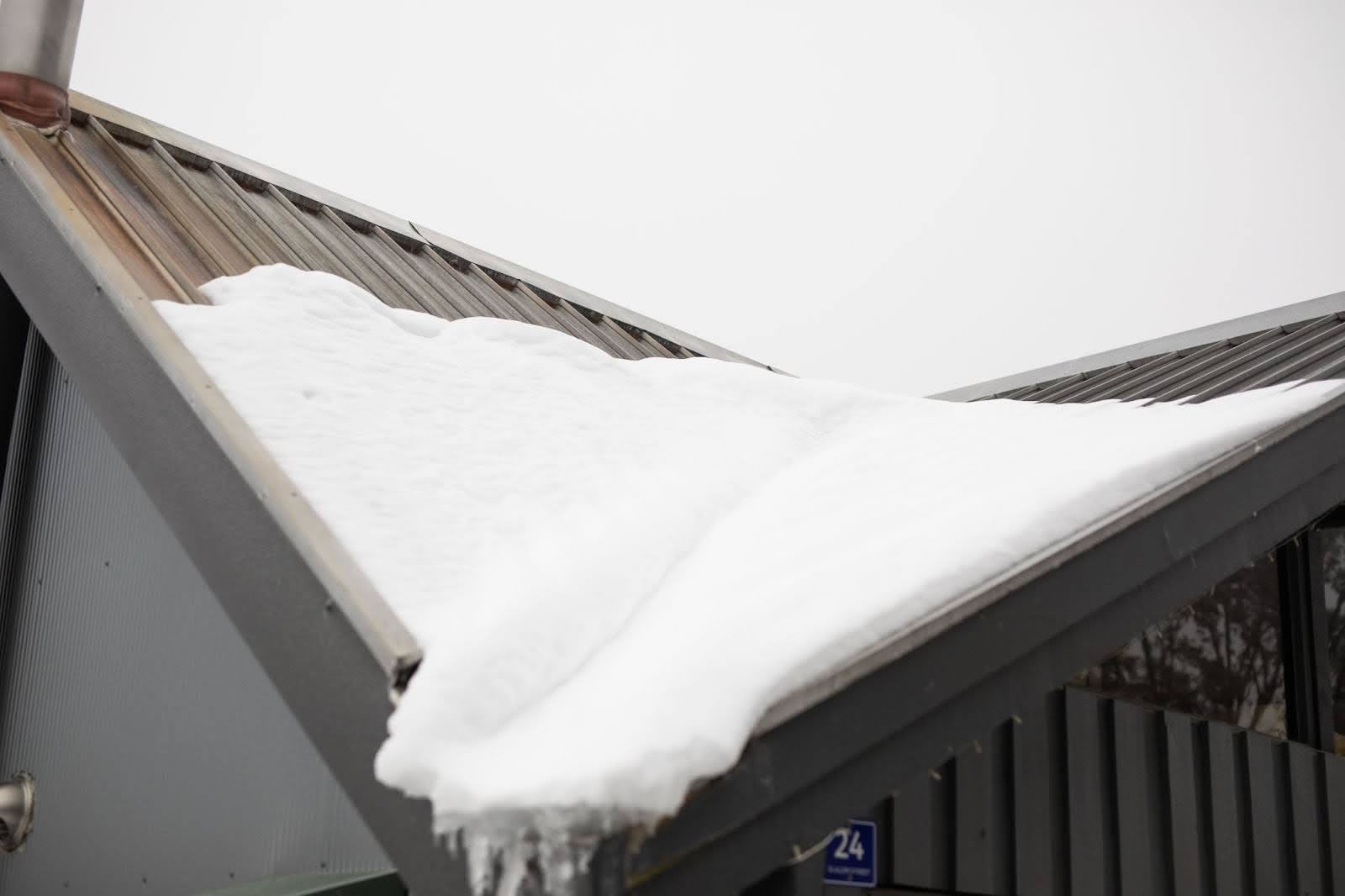
Heavy snow can place considerable weight on a roof, especially if it accumulates over time or becomes saturated with moisture.
During an inspection, roofers assess:
- Roof sagging or uneven areas
- Structural movement or shifting
- Areas where snow collects heavily
- Signs of stress near load-bearing points
Snow load concerns are more common on older homes or roofs with low slopes. If you want a deeper explanation, our guide on snow load and winter roof safety covers this topic in detail.
Interior Signs That Point to Roof Issues
Not all roof problems are visible from the outside. Winter inspections also take interior conditions into account.
Roofers often check for:
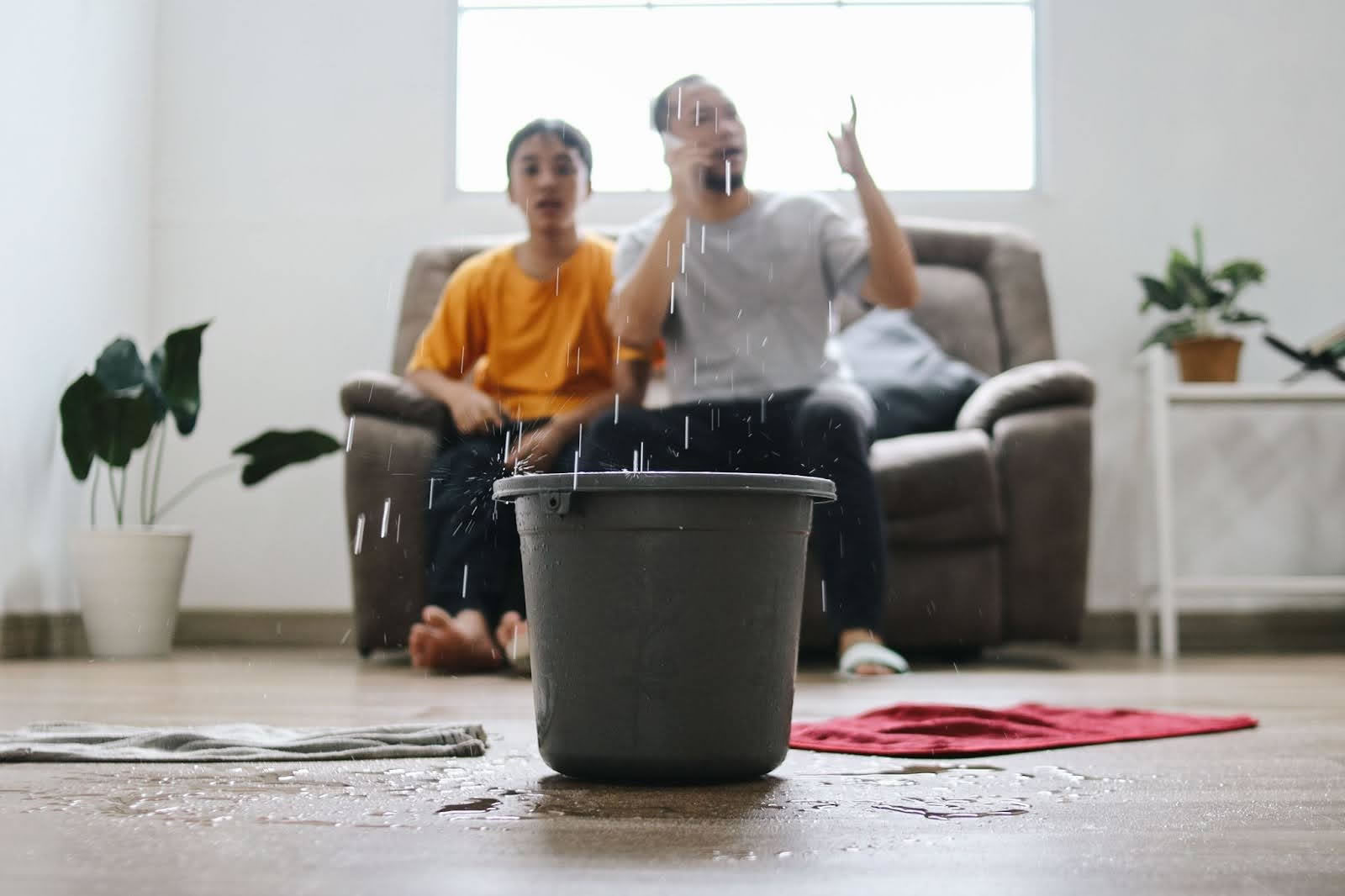
- Water stains on ceilings or walls
- Musty odors in the attic
- Peeling paint or bubbling drywall
- Temperature inconsistencies inside the home
These signs can indicate moisture intrusion or insulation problems that worsen during winter.
When a Winter Roof Inspection Is Especially Important

A winter inspection is a good idea if:
- Ice dams form every year
- Leaks appear during snowmelt
- Energy bills rise unexpectedly
- The roof is aging or has prior repairs
- Heavy snowfall has recently occurred
To get the most accurate picture of your roof’s health, a digital roof inspection uses advanced technology to find moisture trapped deep within the roofing layers. For residents in areas like Salt Lake City, where winter storms can be unpredictable, catching these issues early can prevent more serious damage once the spring thaw begins.
How Winter Inspections Fit Into Overall Roof Care
Winter inspections are part of a larger maintenance approach. They help identify issues caused by cold weather while providing insight into what may need attention once warmer temperatures return.
For a broader view of winter-related roofing concerns, our complete winter roof maintenance guide explains how inspections, ventilation, snow load, and moisture management all work together.
Why Winter Inspections Matter
Winter roof inspections aren’t about finding problems. They’re about preventing them. Cold weather reveals weaknesses that may stay hidden during other seasons. Identifying those issues early helps protect the structure of your home and reduces the risk of costly repairs.
If your roof hasn’t been checked recently or you’ve noticed signs of winter-related wear, a roof inspection can provide clarity and peace of mind before small issues become bigger ones.