Freeze–thaw cycles are one of the most damaging forces a roof faces during winter. Unlike heavy snow or wind, this type of damage happens gradually and often goes unnoticed until problems begin to show inside the home.
When temperatures rise and fall repeatedly, moisture expands and contracts inside roofing materials. Over time, this movement weakens shingles, loosens flashing, and creates openings where water can enter. Understanding how freeze–thaw cycles work and how to reduce their impact can help homeowners avoid costly winter roof repairs.
What Freeze–Thaw Cycles Are and Why They Matter
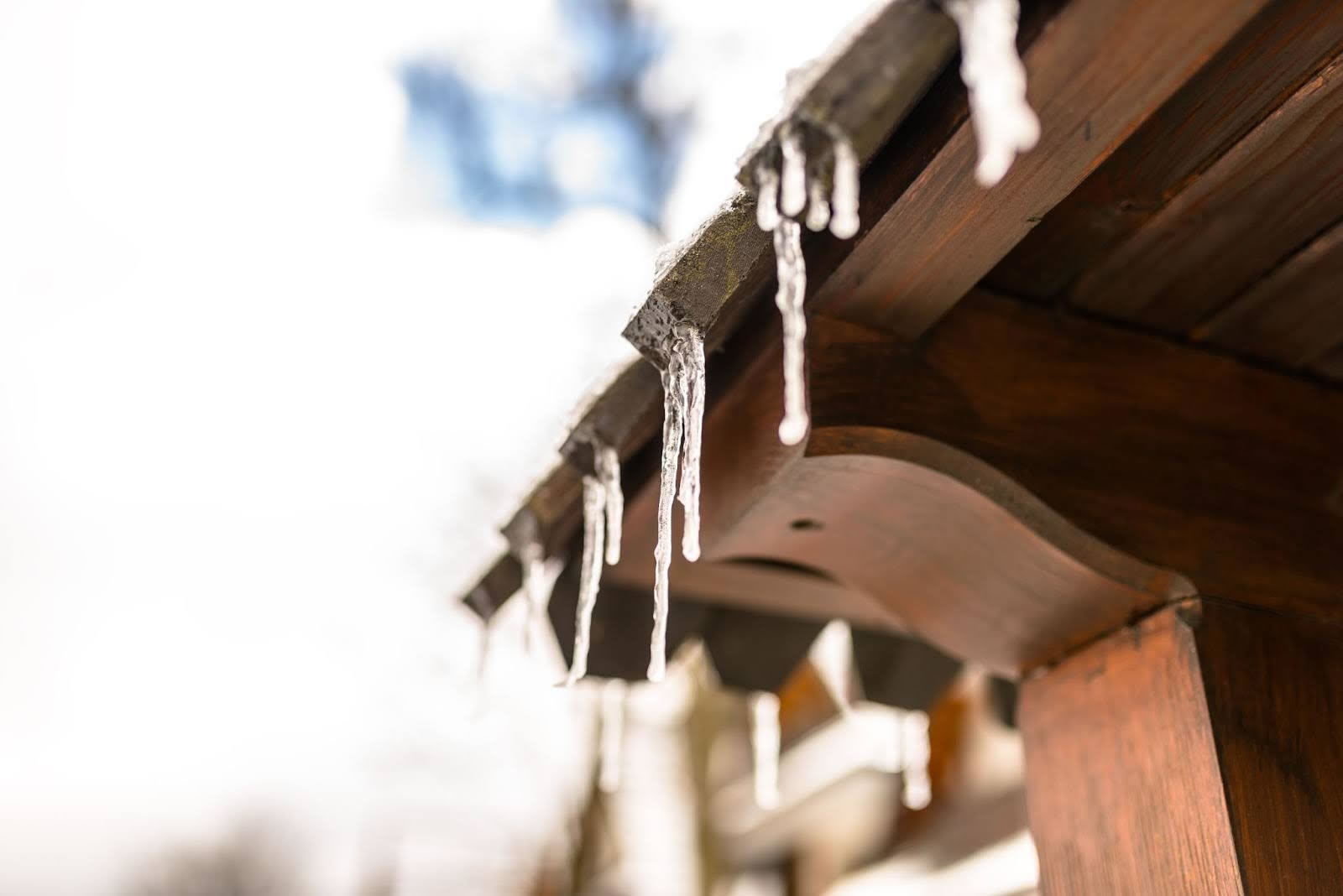
A freeze–thaw cycle occurs when snow or ice melts during warmer daytime temperatures and then refreezes as temperatures drop again. This process can repeat dozens of times throughout winter.
Each cycle causes:
- Water to seep into small cracks or seams
- Moisture to expand as it freezes
- Materials to shift or weaken
- Openings to grow larger over time
Even the most durable residential roofing systems can be compromised when this cycle repeats for weeks on end.
How Freeze–Thaw Cycles Damage Roofing Materials
Roofing systems are designed to shed water, but they are not designed to repeatedly absorb and release moisture.
Freeze–thaw cycles can lead to:
- Cracked or broken shingles
- Loosened flashing around vents and chimneys
- Separation between roofing layers
- Deterioration of sealants and underlayment
Once water finds a pathway beneath the surface, each freeze makes the damage worse. This is why a roof that appears fine in December may develop a major roof leak by March.
Why Winter Weather Makes the Problem Worse
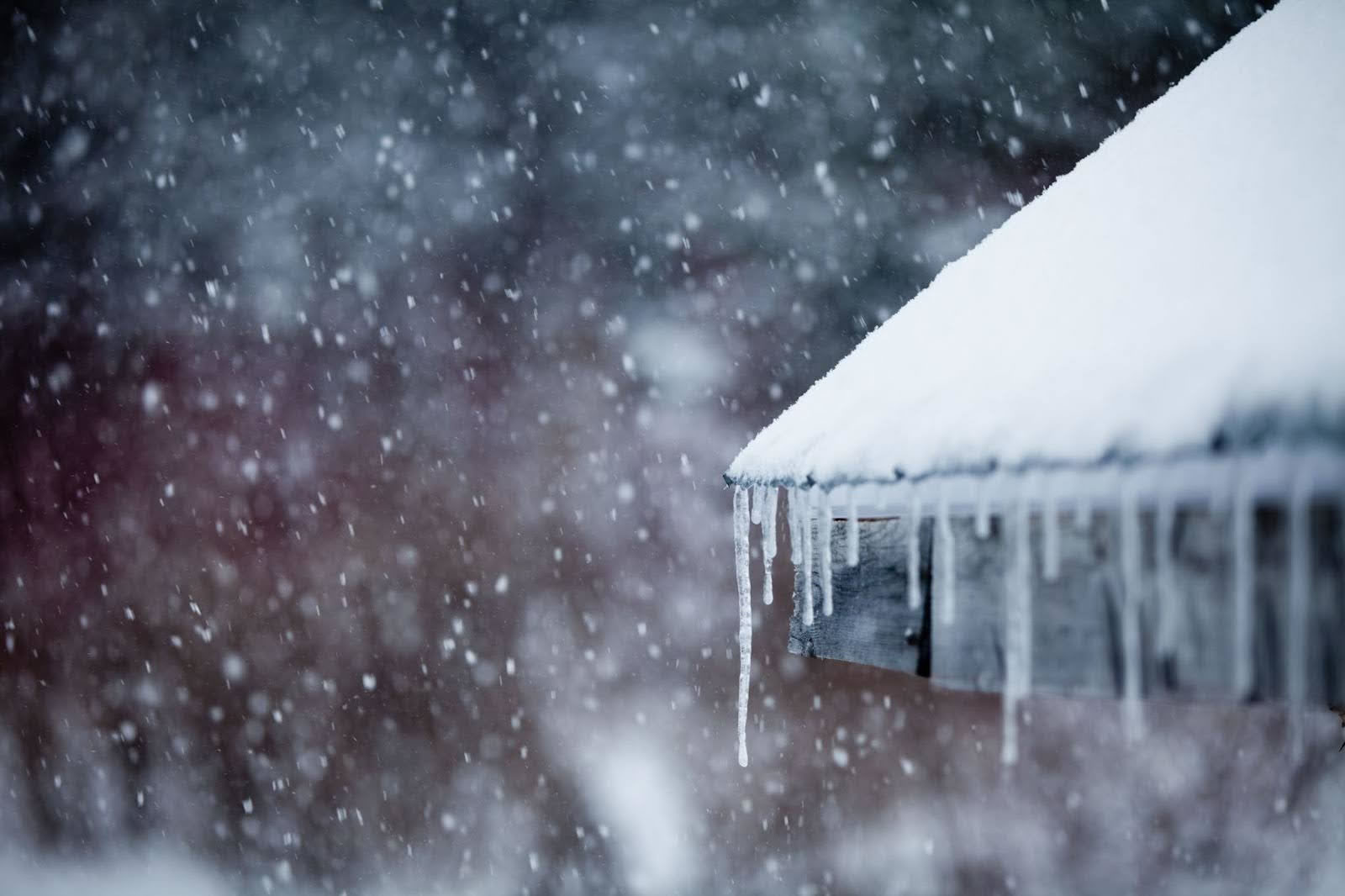
Winter conditions create the perfect environment for freeze–thaw damage.
Contributing factors include:
- Daytime melting followed by nighttime freezing
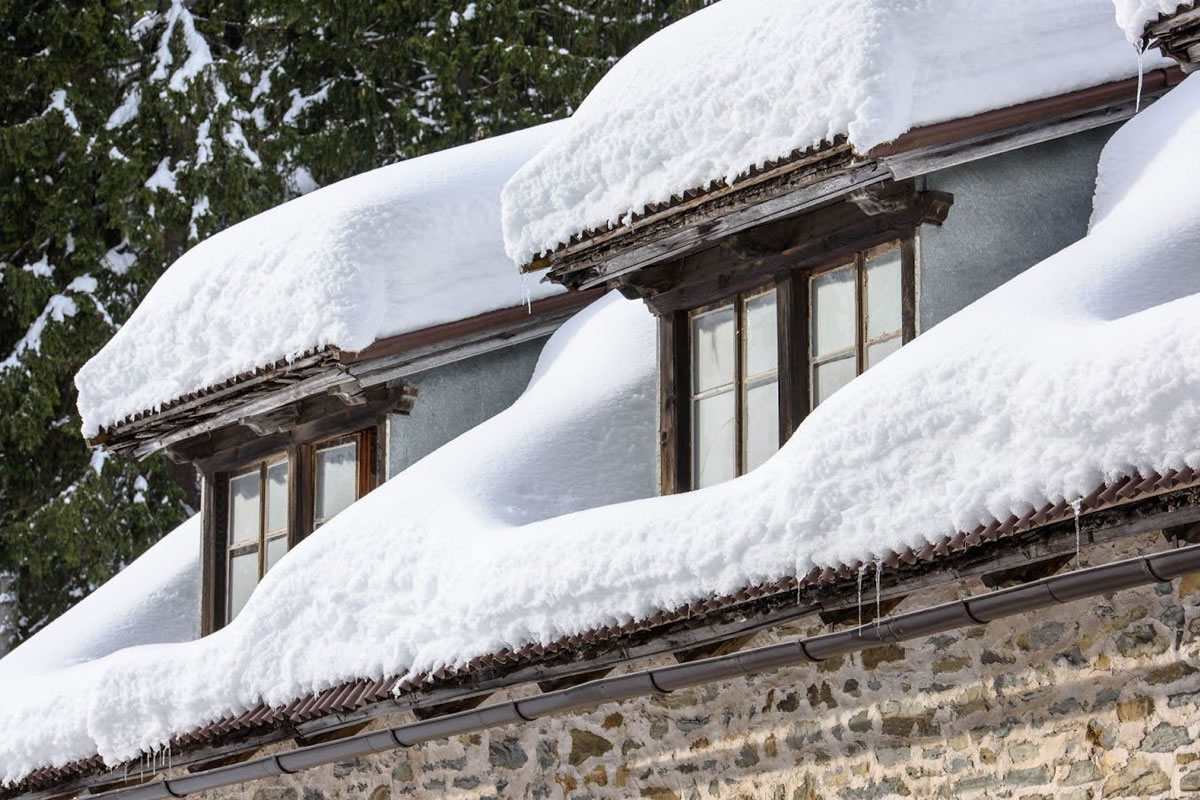
- Snow sitting on the roof for long periods
- Poor drainage caused by ice buildup
- Inconsistent roof temperatures
This is why roofs often appear fine early in winter but begin leaking or showing damage later in the season.
The Connection Between Freeze–Thaw Cycles and Ice Dams
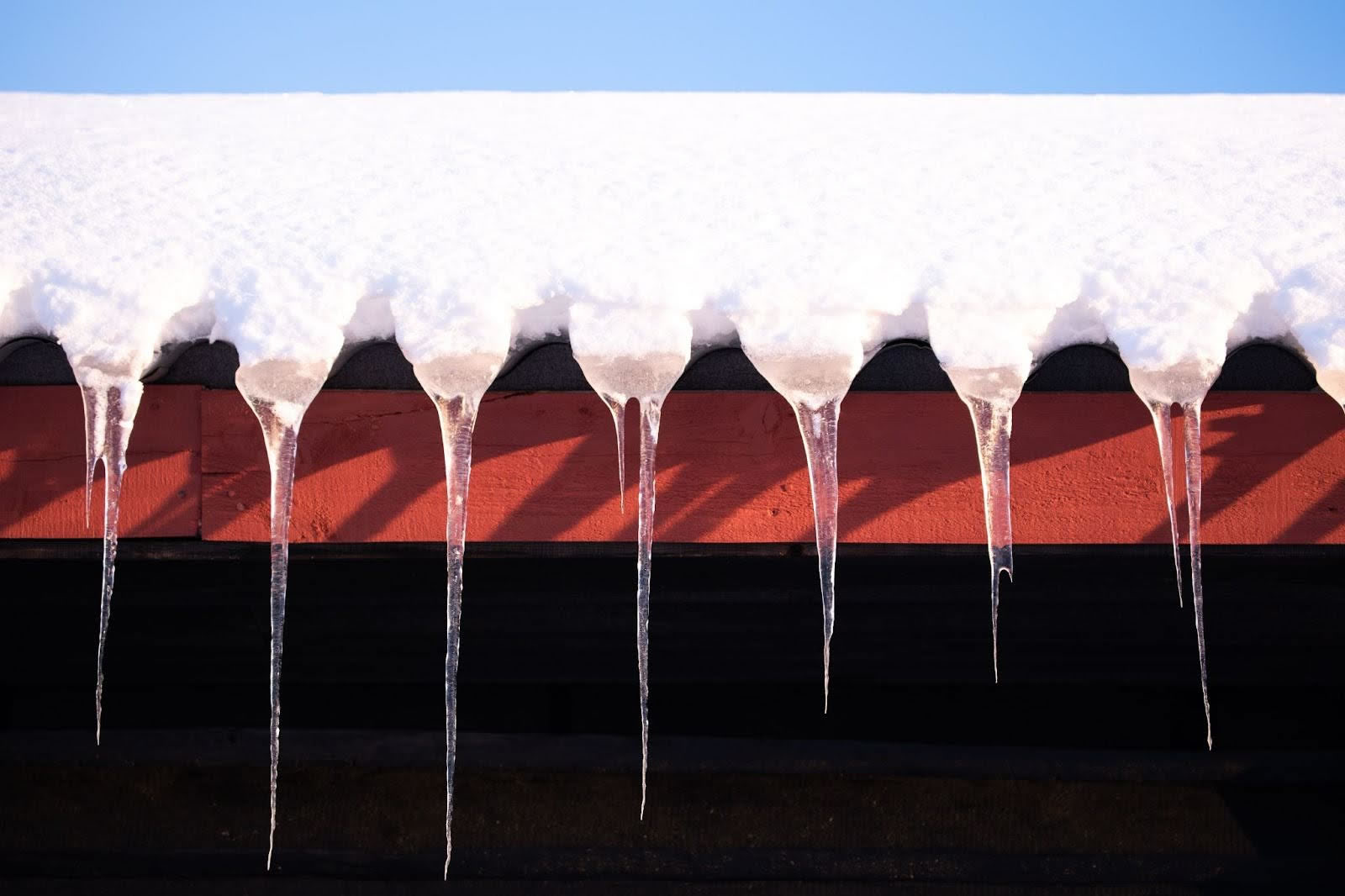
Freeze–thaw cycles play a major role in ice dam formation. When snow melts during the day and refreezes at night, ice builds up along the roof edge and prevents proper drainage.
As water backs up behind the ice:
- It seeps beneath shingles
- Moisture enters the roof deck
- Leaks develop inside the home
Our guide on ice dams and winter roof damage explains how this process begins and why it’s so difficult to stop once it starts.
Areas of the Roof Most Vulnerable to Freeze–Thaw Damage
Some parts of the roof are more affected by freeze–thaw cycles than others:
- Roof valleys where water collects
- Flashing around chimneys and vents
- Roof edges and overhangs
- Areas with previous repairs
- Low-slope roof sections
These areas experience more moisture exposure and temperature fluctuation, making them more susceptible to damage.
Signs Freeze–Thaw Damage May Be Occurring
Freeze–thaw damage often develops quietly. Homeowners may not notice a problem until symptoms appear indoors.
Common warning signs include:
- Water stains on ceilings or walls
- Cracked or missing shingles
- Peeling paint near rooflines
- Damp insulation in the attic
- Leaks that appear during thawing periods
If these signs show up during winter, freeze–thaw cycles may be contributing to the issue.
How Proper Ventilation Helps Reduce Freeze–Thaw Damage
Attic ventilation plays a key role in minimizing freeze–thaw effects. When attic temperatures stay closer to outdoor temperatures, snow melts more evenly and refreezing is reduced.
Proper ventilation helps:
- Maintain consistent roof temperatures
- Reduce moisture buildup
- Prevent uneven snowmelt
- Limit ice formation
Our article on why attic ventilation matters most in winter explains how airflow helps protect roofing systems during cold weather.
Preventing Freeze–Thaw Damage Before It Starts
While freeze–thaw cycles can’t be eliminated, their impact can be reduced with proper preparation.
Helpful preventive steps include:
- Maintaining proper attic insulation
- Ensuring balanced ventilation
- Keeping gutters clear
- Addressing small roof issues promptly
- Monitoring snow buildup after storms
These steps help reduce moisture intrusion and limit the conditions that allow freeze–thaw damage to worsen.
How Freeze–Thaw Cycles Fit Into Overall Winter Roof Care
Freeze–thaw damage rarely happens on its own. It often occurs alongside other winter issues such as ice dams, snow load stress, and moisture buildup.
Understanding how these factors interact makes it easier to prevent long-term damage. For a broader look at how winter conditions affect roofing systems, our complete winter roof maintenance guide explains how these elements work together.
Preventing Damage Before It Becomes Costly
Freeze–thaw cycles are one of the most common causes of winter roof damage, yet they’re also one of the easiest to overlook. By understanding how temperature changes affect your roof and taking steps to manage moisture and airflow, you can reduce the risk of leaks and structural issues. For a broader look at protecting your home, our complete winter roof maintenance guide explains how these elements work together.
If winter-related roof problems seem to appear year after year, a professional roof inspection can help identify underlying causes and prevent small issues from turning into major repairs.