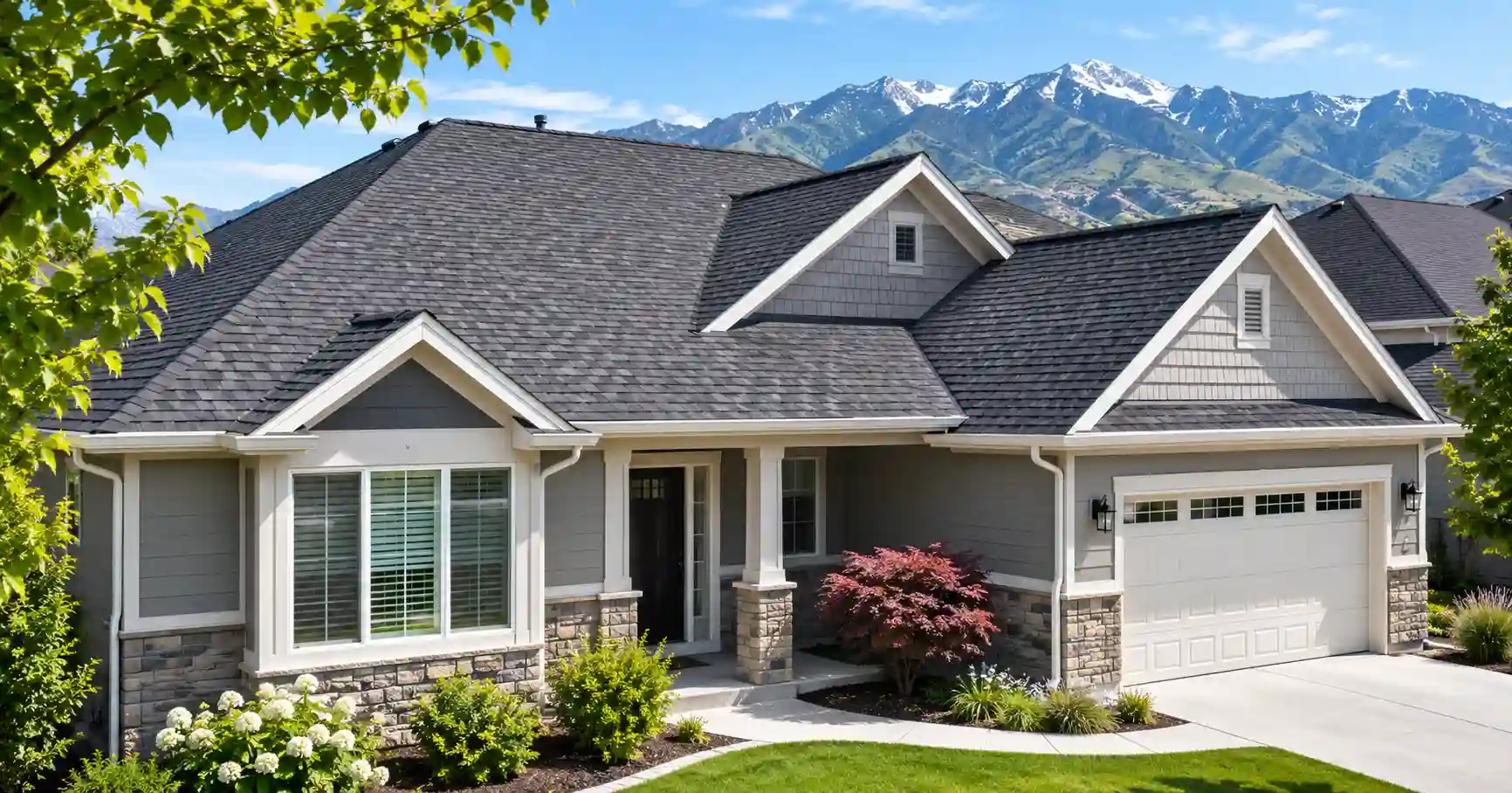
Buying a home comes with a lot of new information. You learn where the water shutoff valve is, how old the furnace might be, and which appliances came with the house. Somewhere along the way, you might realize there’s one important detail you never got a clear answer about: How old is the roof?
Maybe the seller mentioned that it was replaced a few years ago, but you don’t have paperwork to confirm it. Or perhaps your home inspection report says the roof is in acceptable condition without giving an installation date.
It’s a common question for new homeowners, especially when buying an older Utah property. Fortunately, not knowing your roof’s age doesn’t mean you need to start worrying about replacing it. There are several practical ways to investigate its history, and many involve records you may already have.
Here’s where to look, which clues are most reliable, and what to do if you still can’t establish an exact year.
How Can You Tell How Old Your Roof Is?
The most reliable way to determine your roof’s age is to find a dated installation record, such as a roofing invoice, completed permit, or contractor documentation. If those aren’t available, your home inspection report, seller disclosures, historical photographs, and a professional roofing assessment can help narrow down the likely age.
The important distinction is that some sources document when roofing work happened, while others only provide an estimate. Start with the information you already have before making assumptions based on how the shingles look.
1. Review Your Home Inspection Report
Your home inspection report is one of the easiest places to start because you’ve probably already received it during the buying process.
Look for a section labeled “Roof,” “Roof Covering,” or “Roofing System.” Depending on the inspector and the information available, it may identify the roofing material, describe its general condition, or provide an estimated age.
For example, an inspector might describe asphalt shingles as being approximately 10 to 15 years old. That’s useful information, even if it doesn’t identify a specific installation year.
Keep in mind that an estimated roof age is not the same as a verified installation date. Inspectors may use visible wear, material characteristics, and information supplied by the seller to arrive at their assessment.
A roof that has experienced strong sun exposure, significant weathering, or previous repairs may look older than another roof installed around the same time.
If your report doesn’t mention an age, it may still contain photographs and descriptions worth saving. Those details provide a helpful starting point for understanding the roof you inherited when purchasing the property.
2. Check the Seller’s Disclosure and Closing Documents
Before searching for outside records, revisit the paperwork from your home purchase.
Seller disclosures sometimes contain information about improvements, roofing work, or previous repairs. You may find a year listed for roof replacement, an explanation of past roofing work, or a reference to a contractor who completed the project.
Look through the disclosure forms, attached receipts, inspection-related correspondence, and any home maintenance documents transferred during closing.
One detail worth clarifying is what the previous owner meant by a “new roof.”
Sometimes that description refers to replacing the entire roofing surface. In other situations, the work may have involved only one section, an addition, or a smaller repair. Those differences matter when you’re trying to determine the age of the roof covering the entire house.
If the paperwork doesn’t provide enough detail, consider asking your real estate agent whether additional roofing information can be requested from the seller.
You may not receive an exact answer, but even a general timeframe can help you compare information from other sources.
3. Look Up Local Building Permit Records
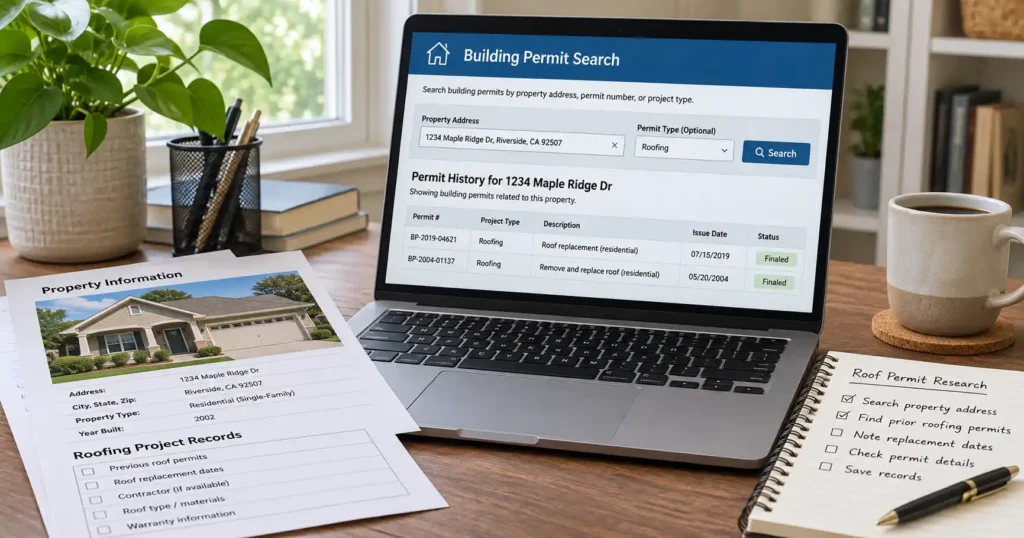
Building permits can provide useful clues about when roofing work was performed.
Depending on the municipality and the type of project, a roof replacement may have required a permit. When a record exists, it might include the permit date, contractor information, project description, or final inspection details.
Start with the building department responsible for the property’s address. In Utah, this may be a city building services office or another local jurisdiction.
For example, Salt Lake City provides information about accessing historical permit records through its Building Services FAQs.
Homeowners researching older properties in Salt Lake County can also consult the Salt Lake County Archives, which explains where historical building permit records may be located.
When searching, enter the property’s address and look for descriptions such as “roof replacement,” “reroof,” or “roofing.”
A permit date doesn’t always establish the exact installation date. A permit may have been issued before the work began, so a final inspection or completed project record can provide additional context.
Also, don’t assume the roof was never replaced simply because you can’t find a permit. Requirements and record availability vary by location and project type, and older records may not be available online.
If your search comes up empty, the local building department may be able to tell you whether additional records exist.
4. Search for Roofing Invoices, Contracts, or Warranty Documents
If you can find documentation from the roofing company that performed the installation, you may be able to establish a much more accurate timeline.
Roofing contracts and paid invoices often include project dates, the contractor’s name, the property address, and a description of the work performed. Some documents may also identify the shingles or other roofing materials used.
Warranty paperwork can provide another clue, particularly when it identifies the installation date or the original contractor.
Check any home maintenance folders left by the seller, digital documents shared during closing, or paperwork stored with the home’s other warranty information.
If you know which roofing contractor performed the work, contacting that company may also help. Some contractors maintain historical customer records and may be able to confirm when a project was completed.
When reviewing documents, pay attention to the scope of work. A receipt for replacing damaged shingles or repairing flashing doesn’t establish when the entire roof was installed.
Similarly, a warranty registration date isn’t necessarily the exact day installation was completed.
The most useful records connect three things: your property, the work performed, and a documented date.
5. Compare Older Property Photos and Aerial Images

When paperwork is missing, photographs can sometimes help narrow down the timeframe.
Start with older real estate listing photos. Your real estate agent may still have access to images from previous listings, and you may be able to locate older property photographs online.
Compare those images with how your roof looks today. Changes in shingle color, roofing material, or the overall appearance of the roof may suggest work occurred between two photographs.
For example, suppose a listing photo from several years ago shows a noticeably different roof than a more recent image. That doesn’t reveal the installation date, but it gives you a period worth investigating further.
Another helpful resource is Google Earth’s historical imagery feature.
Google Earth allows users to explore available aerial and satellite images from different dates. You can search for your address, select historical imagery, and compare the property’s appearance over time.
Keep a few limitations in mind. Historical imagery isn’t available for every year, and the date associated with an aerial image may not represent the exact day it was photographed.
Roof color can also look different because of lighting, weather, image quality, and natural fading.
Historical photographs are best used to narrow down a possible installation period, not to prove an exact roof age.
They’re particularly helpful when combined with permit information, seller disclosures, or contractor records.
6. Ask a Professional Roofer to Assess Its Age and Condition
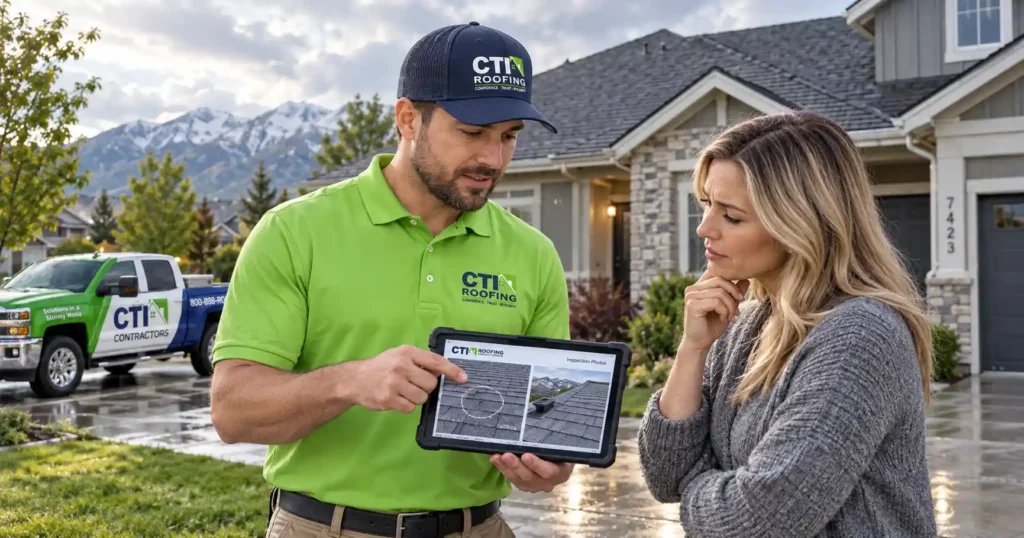
If you’ve checked the available records and still aren’t sure, a professional roofing inspection can provide another perspective.
An experienced roofer can examine the type of roofing material, visible wear, previous repairs, and overall condition to help estimate how long the roof may have been in place.
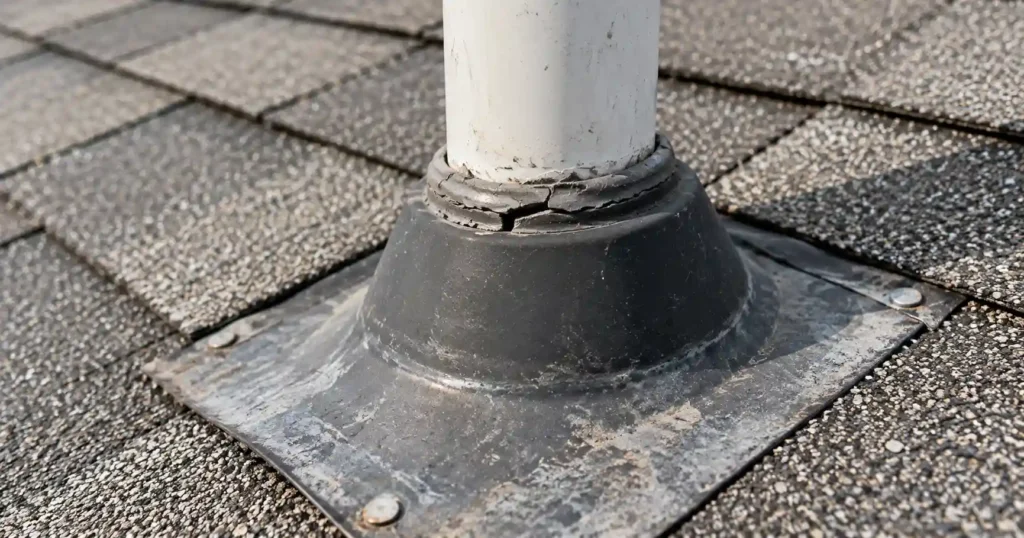
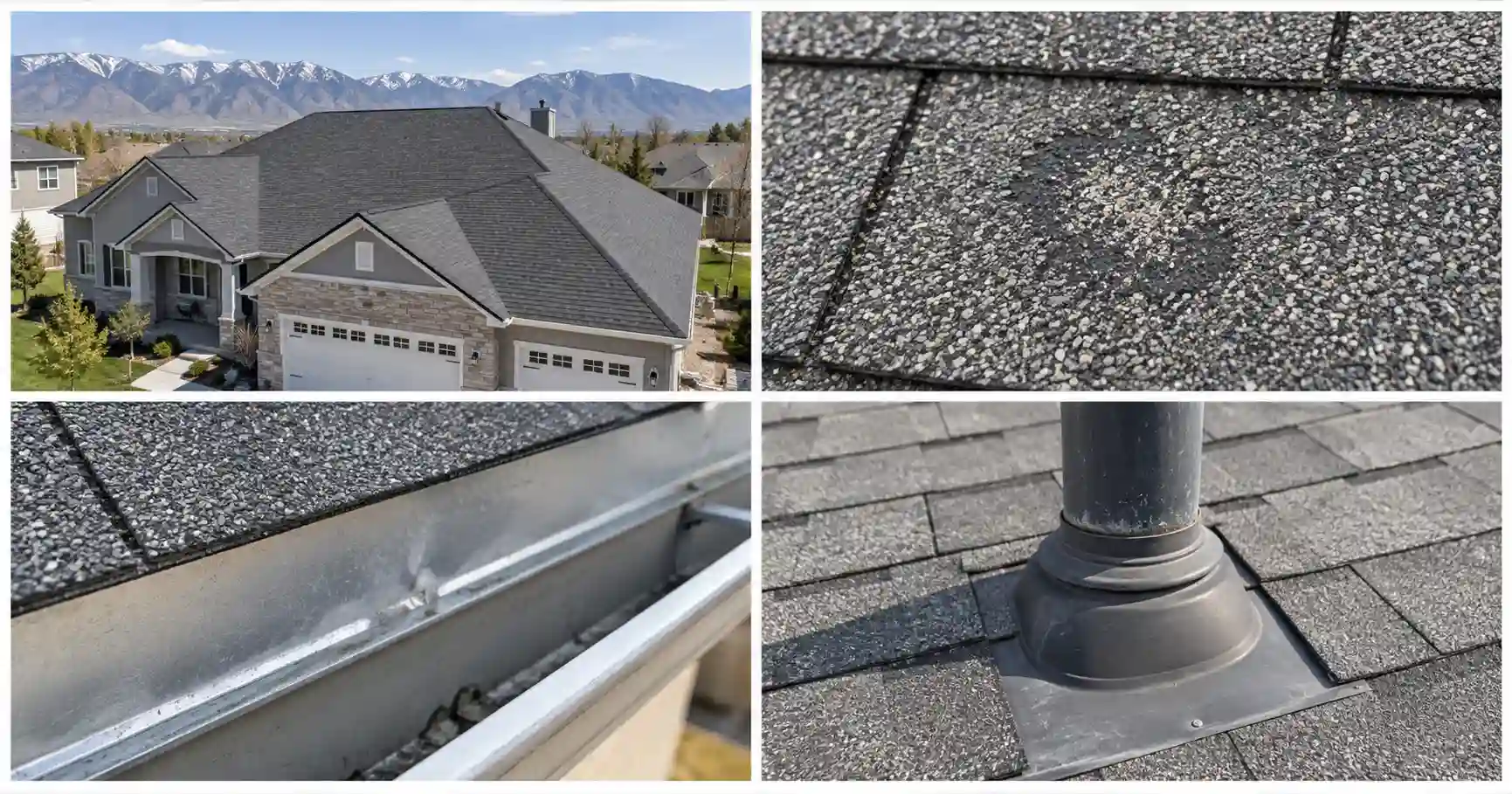
For asphalt shingle roofs, that assessment may include checking the condition of the shingles, their surface granules, and the materials around roof fixtures and edges.
However, even a professional usually cannot determine the exact installation year from appearance alone.
Two roofs installed in the same year can age differently because of installation methods, ventilation, sun exposure, weather conditions, and maintenance history.
That’s why a reasonable age range may be more useful than a confident-sounding estimate that isn’t supported by records.
A professional inspection can also give you something valuable beyond an age estimate: a documented picture of your roof’s current condition.
If you’ve never arranged a roofing inspection before, our guide to what an honest roof inspection should actually include explains what homeowners should expect and which questions are worth asking.
You don’t need to climb onto your roof or investigate roofing materials yourself to begin this process. Reviewing records and asking informed questions are safer, more practical starting points.
Roof Age and Roof Condition Are Two Different Things
Once you have a likely installation year, it’s natural to wonder what that age means for your home.
The important thing to understand is that a roof’s age doesn’t automatically tell you whether it needs work or how much useful life it has remaining.
Consider two Utah homes with asphalt shingle roofs installed around the same time. One may have experienced more direct sunlight, stronger wind exposure, or different ventilation conditions. The other may have had more consistent maintenance and fewer weather-related concerns.
Although the roofs are approximately the same age, their current conditions may be noticeably different.
Utah’s seasonal weather adds another consideration. Roofs may experience hot summer afternoons, freezing winter temperatures, snow accumulation, and substantial temperature changes throughout the year.
How those conditions affect a roof depends on the roofing material, installation quality, ventilation, and other property-specific factors.
Knowing the roof’s age is useful for planning, but it isn’t a diagnosis.
If you discover that your roof is older than you expected, that information alone isn’t a reason to assume replacement is necessary. It’s simply another detail to consider alongside the roof’s actual condition.
What Should You Do Once You Have an Estimated Roof Age?
After completing your research, the next step is to organize what you’ve learned.
You don’t need a complicated spreadsheet or a detailed maintenance system. A simple digital folder containing your roof-related records can make future homeownership decisions easier.
Save the inspection report, any permit records, contractor invoices, warranty documents, and photographs you’ve collected.
It’s also helpful to write down your best estimate of the installation year and explain where that estimate came from.
For example, you might record:
“Estimated installation: 2014–2017. Based on seller disclosure, historical property photos, and home inspection findings. Exact date not confirmed.”
This is more useful than choosing a single year without knowing whether it’s accurate.
As you arrange future home maintenance, you can add inspection reports, dated photos, and records of any roofing work performed.
Over time, you’ll develop a clearer history of the roof, even if the original installation paperwork never turns up.
Frequently Asked Questions About Roof Age
Is my roof the same age as my house?
Not necessarily. A roof may be original to the home, but it could also have been replaced one or more times since construction. The home’s construction year is a useful starting point, but it doesn’t establish the age of the current roofing materials.
For an older home, look for separate roof replacement records rather than assuming the roof dates back to when the house was built.
Can different sections of the same roof be different ages?
Yes. If a home has been expanded or undergone partial roofing work, one section may have been installed years after another.
This can happen when a garage, addition, or other part of the house receives new roofing without replacing the entire existing roof. If your home has multiple roof sections, it’s worth checking whether the available records cover the whole house or only a particular area.
Can my homeowners insurance company tell me how old my roof is?
Your insurance company may have a roof age listed in its property records, especially if that information was requested when the policy was established.
However, the recorded age might come from an earlier homeowner’s estimate or other unverified information. It’s worth asking what date the company has on file and where that information originated, but treat it as another clue unless supporting documentation exists.
Knowing More About Your Roof Is a Good Place to Start
Buying a home doesn’t mean you’ll immediately know the history of every major component. Some records may be complete, while others take a little more investigation.
If you’re unsure how old your roof is, start with the home inspection report, closing paperwork, and any available installation records. Building permits and historical photographs can help fill in the gaps, and a professional assessment can provide more information about the roof’s current condition.
You may find an exact installation date, or you may end up with a reasonable estimate. Either outcome gives you a better starting point for future maintenance and planning.
Still have questions about your roof?
CTI Roofing offers free digital roof inspections to help Utah homeowners understand what they have and how their roof is holding up.
Whether you’ve recently purchased a home in Bountiful, Centerville, Ogden, Salt Lake City, or the surrounding communities, our goal is to provide clear information and straightforward recommendations.
There’s no need to assume your roof needs replacing just because you don’t know its age. Sometimes, getting a better understanding of its condition is all you need to feel more confident about maintaining your home.