
Should You Repair or Replace Your Roof Yourself? What Homeowners Should Actually Know
Everyone likes saving money. We comparison-shop groceries, wait for sales, and put off big purchases as long as possible. So when a roof starts leaking or looks worn out, it’s natural to wonder:
“Can I just handle this myself?”
In some cases, the answer might be yes. In many others, it’s a hard no—and not for the reasons most people think.
DIY roofing isn’t just about cost. It’s about risk, timing, safety, warranties, and long-term consequences. This guide walks through what homeowners often underestimate, where DIY can make sense, and when calling a professional is the smarter move.
When DIY Roof Repairs Actually Make Sense
Let’s start with the scenarios where doing it yourself can be reasonable.
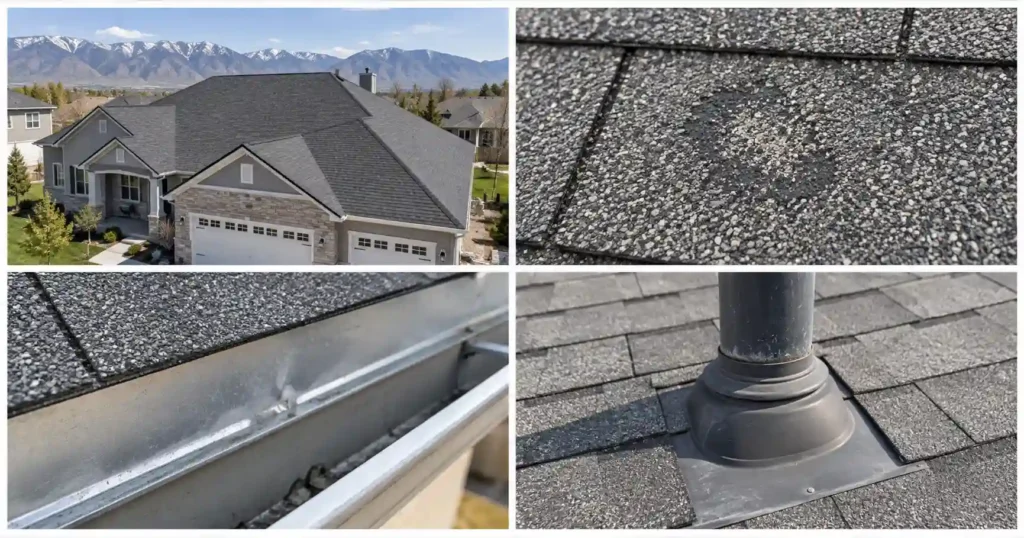
Minor asphalt-shingle repairs—like replacing a single damaged shingle, resealing a nail pop, or addressing a small flashing issue—can sometimes be handled by a capable homeowner. If the roof is low-slope, easily accessible, and the issue is clearly isolated, DIY may save you money.
That said, this only applies if:
- You understand how the repair affects surrounding materials
- You’re comfortable working at height
- You’re not guessing based on a five-minute YouTube video
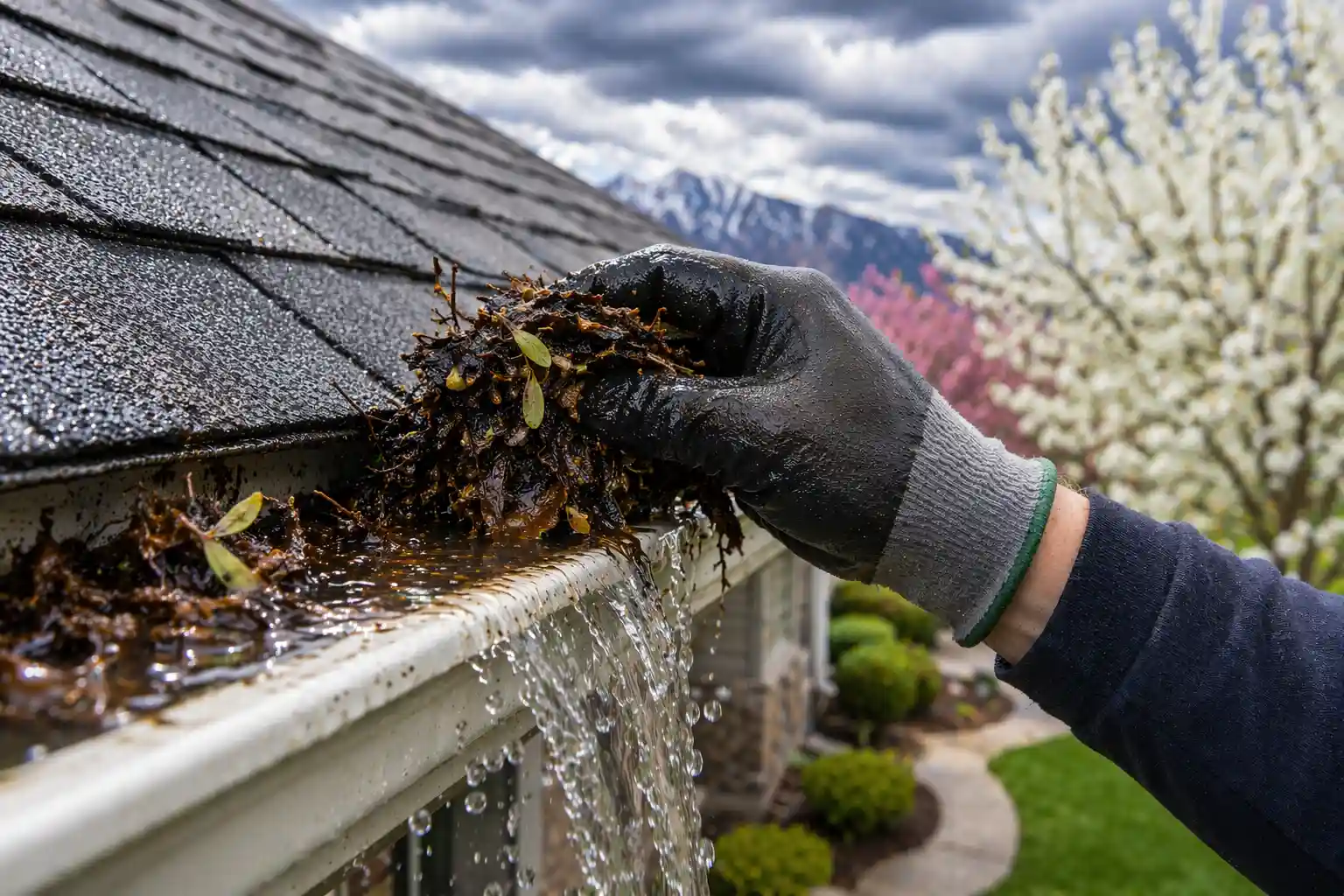
Roofing systems work together. One “simple” fix done incorrectly can redirect water into places it was never meant to go—which is why many homeowners end up calling for roof repair after a DIY attempt makes the problem worse.
Important note: If you have a metal roof, DIY repairs are rarely recommended. Metal systems often require specialized tools, fasteners, and installation techniques that go well beyond casual home repair.
The Reality of Getting on a Roof
Most DIY discussions gloss over the hardest part: actually being on the roof.
Roof pitch matters. A shallow roof might feel manageable. A steeper one quickly becomes dangerous without roof brackets, walk boards, or safety harnesses. Add in Utah winds, loose granules, or morning frost and the risk multiplies fast.
There’s also something many homeowners don’t think about until it’s too late: overhead power lines. In many neighborhoods, electrical service enters the home from above. One misstep or tool slip can turn a roofing project into a life-threatening situation.
If setting up safety equipment already feels like more than you want to deal with, that’s your signal to stop before you start—and consider starting with a free roof inspection instead of guessing.
Why Homeowners Consider Replacing a Roof Themselves
Cost is the obvious motivator. Labor is a major portion of a roof replacement, and doing it yourself removes that line item.
But the math isn’t as simple as it looks.
Once you factor in:
- Materials (often at retail pricing)
- Tool purchases or rentals
- Dumpsters and disposal
- Lost income or time off work
- The risk of weather delays
The savings often shrink fast.
There are situations where DIY replacement is considered:
- Emergency storm damage when contractors are booked out
- Remote properties with limited contractor access
- Short-term temporary solutions
Even then, most homeowners underestimate how physically demanding and time-sensitive a full tear-off and replacement actually is. If you’re weighing a full replacement, it helps to understand what a professional process looks like and what’s included in roof replacement.
The Biggest Risks of DIY Roof Replacement
This is where most DIY roofing projects unravel.
Inexperience Compounds Fast
Roofing systems are simple in theory, unforgiving in practice. Starter courses, shingle alignment, nail placement, flashing details—mistakes early in the process don’t always show up right away. They show up months or years later as leaks, rot, or mold.
Warranties Can Be Voided
Most shingle manufacturers require proper installation by qualified professionals. If something fails down the line, a DIY install may leave you with no material warranty and no labor coverage. If you want to see how coverage usually works (and what to ask about), read CTI’s roof warranty page before you commit to DIY.
Insurance Complications
Some insurance policies scrutinize DIY roofs closely. If damage occurs from a future storm, insurers may question whether improper installation contributed—and that can affect payouts. If your roof issue is storm-related, you may want to review CTI’s insurance claim assistance approach so you know what support can look like.
Time Is Not On Your Side
Professional crews replace most residential roofs in 1–3 days. That speed isn’t just efficiency—it’s protection. The longer a roof is exposed during a DIY project, the higher the risk of weather damage to the structure below.
Safety and Liability
Falls from roofs cause serious injuries every year. On top of that, homeowners are liable for anyone injured while working on their property. Contractors carry insurance for a reason.
And finally—appearance matters. Crooked shingle lines, uneven valleys, or sloppy flashing may not cause immediate failure, but it will affect curb appeal and resale value.
If You’re Still Going DIY, Read This First
If you’re committed to doing the work yourself, preparation is everything.
- Order all materials upfront, including extra shingles and tarps
- Understand your roof type, pitch, ventilation, and decking
- Inspect from the attic when possible before tear-off
- Plan for flashing details—this is where most roofs fail (here’s CTI’s take on flashing repair)
- Pull permits and schedule inspections
- Watch the weather obsessively
Roofing isn’t forgiving of shortcuts. Every step builds on the one before it.
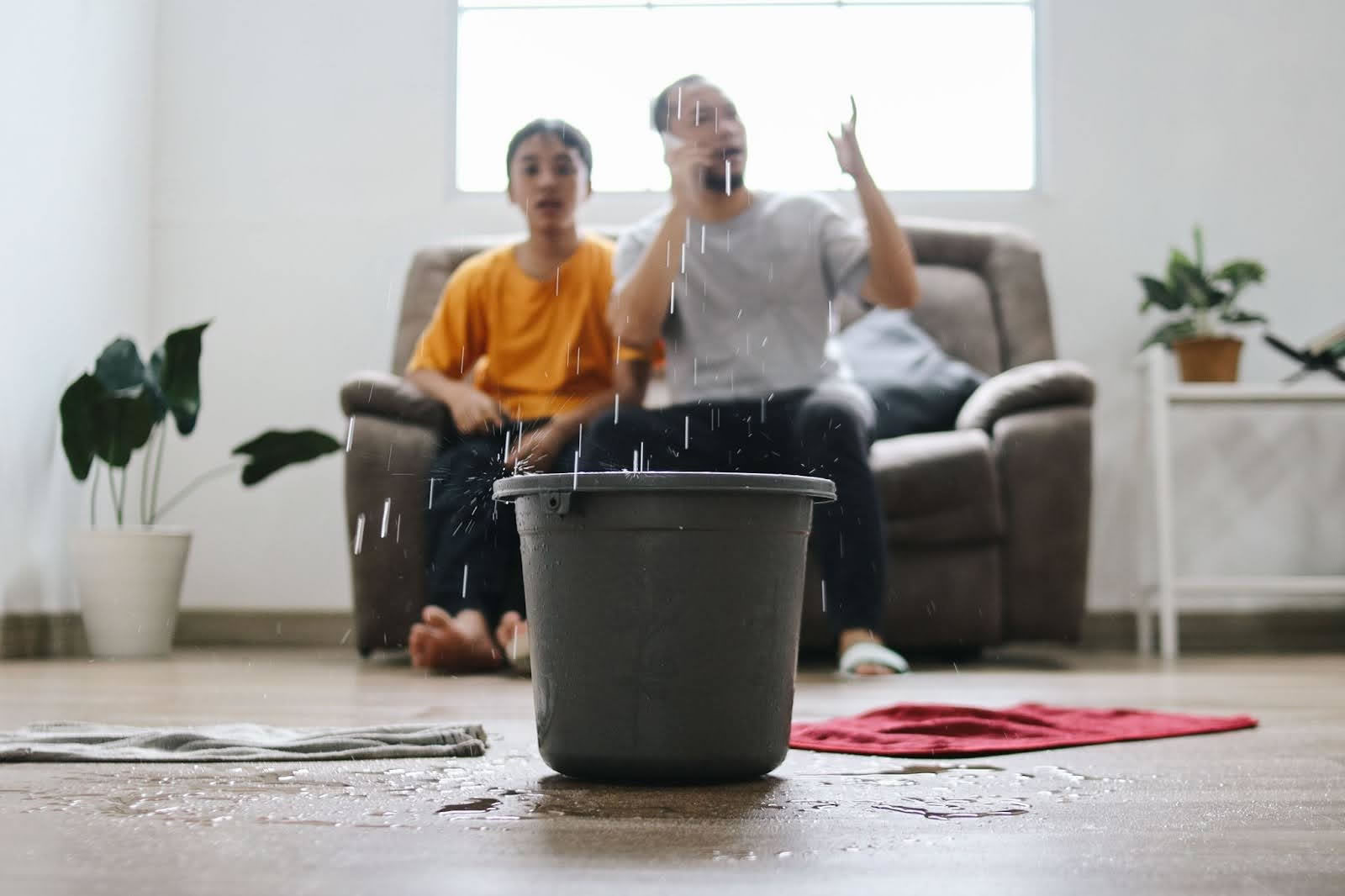
If your “DIY” plan is really about stopping a leak quickly, you’ll also want to understand what actually causes leaks and how pros isolate them—CTI breaks that down in roof leak detection.
A Smarter Middle Ground: The Partial DIY Approach
If your goal is to save money—not prove something—there are compromises worth exploring.
Some homeowners:
- Handle the tear-off themselves
- Coordinate material delivery
- Schedule work during slower seasons
These steps can reduce labor costs while keeping the most technical work in professional hands. Not every contractor will allow this, but it’s worth asking.
And if your roof issue is tied to hail or wind, it may be less about “DIY vs contractor” and more about getting the right process started. In that case, start here: storm damage restoration.
The Bottom Line
The most important rule in roofing is simple:
Know what you don’t know.
A roof protects everything underneath it. When it’s installed incorrectly, the damage isn’t always immediate—but it’s almost always expensive.
Some homeowners absolutely have the skills to do this work themselves. If that’s you, you already know it. For everyone else, the risk often outweighs the reward.
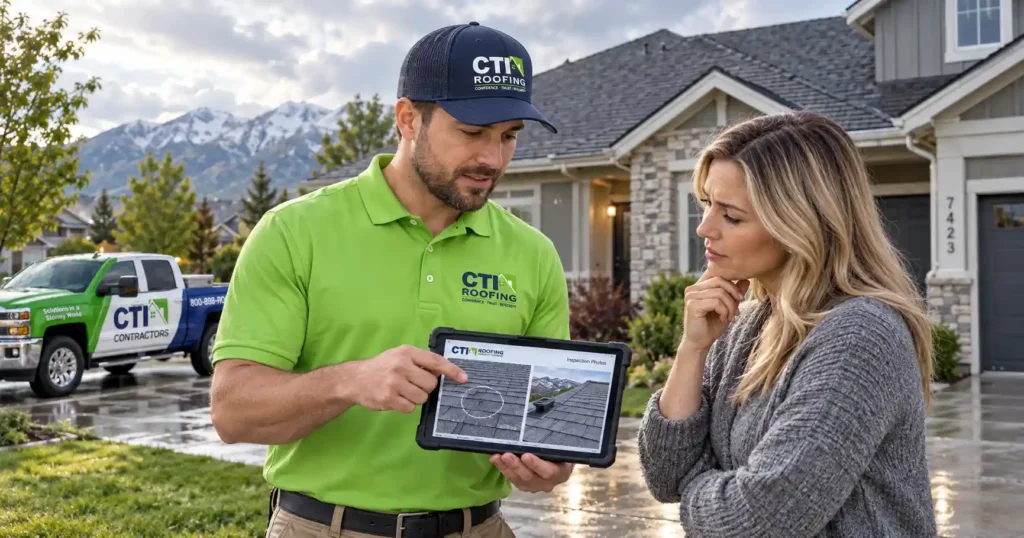
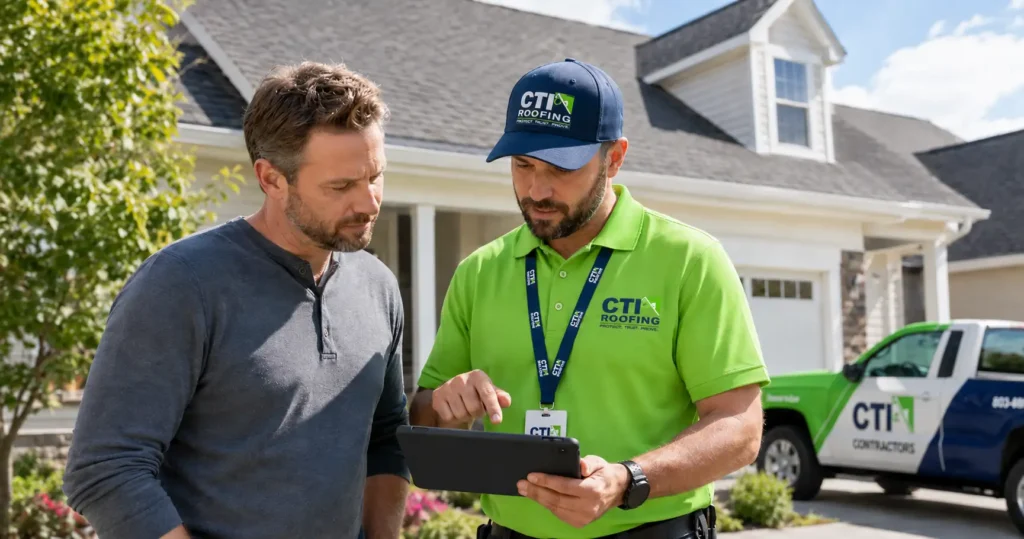
If you’re on the fence, the smartest first step isn’t tearing shingles off—it’s getting a professional inspection so you understand what you’re actually dealing with. You can start with a free roof inspection and decide from there.
If you’d like a second opinion, help identifying the real problem, or a plan you can trust, reach out through CTI’s roof help contact page.