Most homeowners don’t think about roof replacement until a problem forces their attention. Leaks, missing shingles, or storm damage often trigger the decision. But waiting until damage appears can limit options and lead to rushed decisions.
Winter, surprisingly, is one of the best times to plan a roof replacement for spring. While it may not always be the ideal season for installation, it’s the ideal time to assess conditions, understand your roof’s needs, and prepare for work before demand increases.
This guide explains why winter planning makes sense, what homeowners should evaluate during colder months, and how early preparation can lead to smoother, more cost-effective roof replacement projects.
Why Roof Planning Should Start Before Spring
Spring is one of the busiest seasons for roofing work. As temperatures rise and storms pass through, many homeowners discover issues at the same time. This often leads to longer scheduling delays and fewer available options.
Planning during winter allows homeowners to:
- Identify issues before they worsen
- Avoid peak-season scheduling delays
- Compare options without pressure
- Budget for repairs or replacement
- Schedule work at the ideal time
By addressing planning early, homeowners stay ahead of seasonal demand.
How Winter Conditions Reveal Roofing Problems
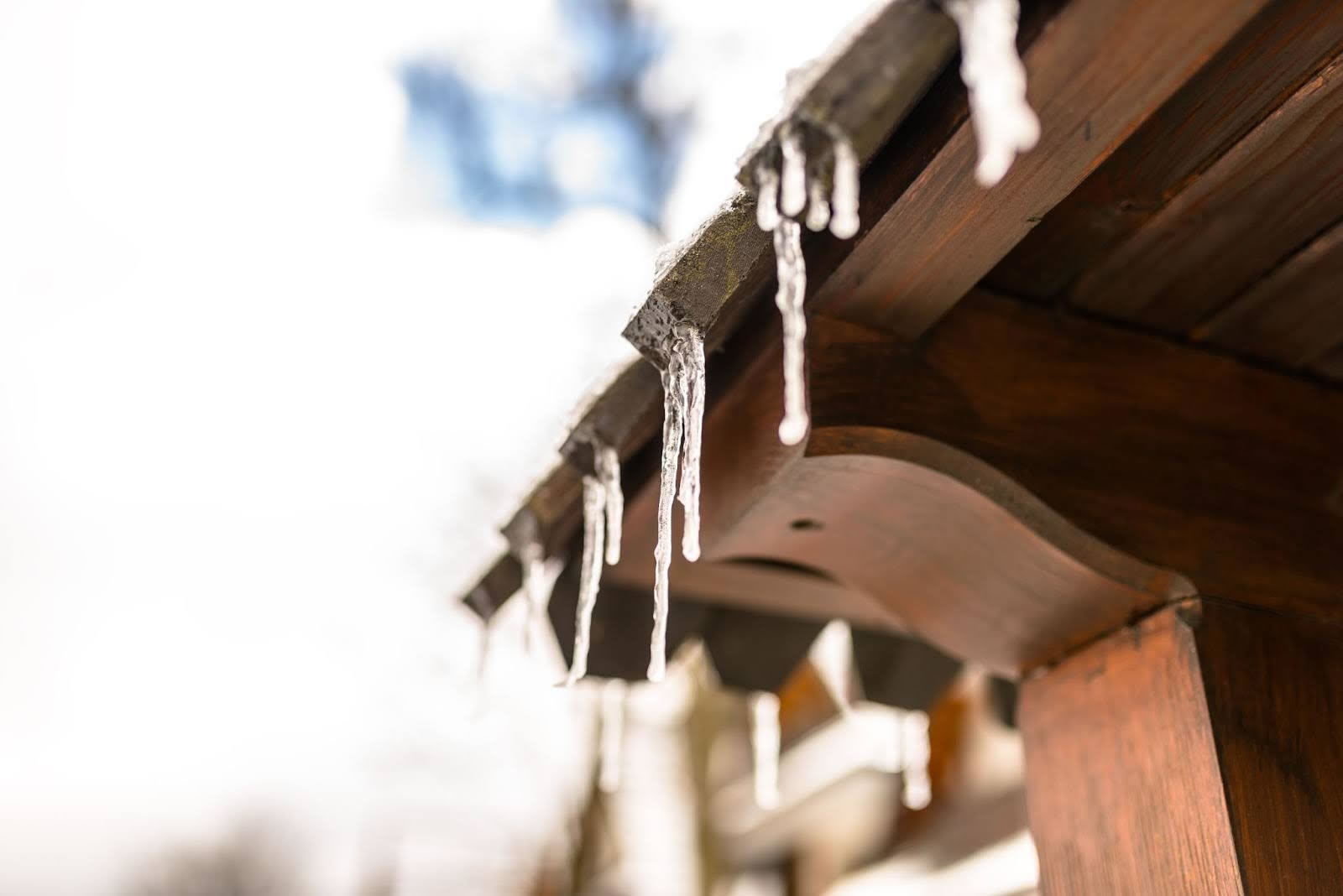
Winter weather often exposes weaknesses that may not be noticeable during warmer months. Snow, ice, and temperature changes can highlight areas where a roof is aging or beginning to fail.
Common winter indicators include:
- Recurring ice dams
- Leaks during snowmelt
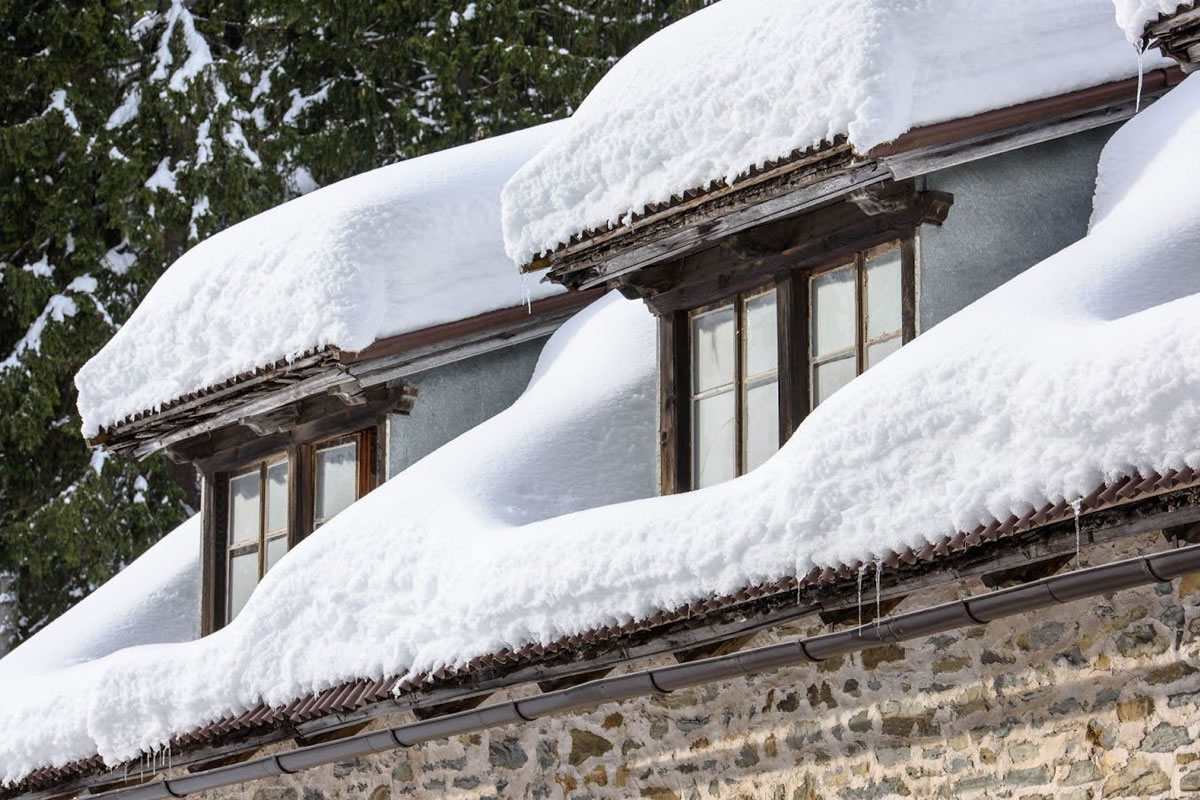
- Uneven snow accumulation
- Drafts or cold spots indoors
- Moisture in the attic
These signs provide valuable insight into whether repairs will be sufficient or if replacement should be considered.
Why Waiting Until Spring Can Create Problems
Many homeowners wait until spring to think about roof replacement, but that timing can create challenges.
By spring:
- Roofing companies are often booked weeks out
- Storm-related repairs increase demand
- Small issues may have grown worse
- Emergency repairs become more likely
- Scheduling flexibility is reduced
Planning during winter allows homeowners to make informed decisions without the pressure of immediate damage or limited availability.
How Winter Inspections Help Guide Replacement Decisions
A winter roof inspection provides useful information for planning a replacement. Even if installation won’t occur until spring, inspecting during winter helps identify underlying issues.
A professional inspection can reveal:
- Age-related wear
- Structural concerns
- Ventilation or insulation problems
- Damage caused by ice or snow
- Areas prone to future leaks
Our guide on winter roof inspections explains what professionals look for and how inspections help determine next steps.
The Role of Ice, Snow, and Moisture in Replacement Planning
Winter conditions often show how well a roof handles moisture and temperature changes. Ice dams, freeze–thaw cycles, and snow load all place stress on roofing materials.
These factors can indicate:
- Poor drainage or ventilation
- Deteriorating shingles or underlayment
- Structural strain from snow weight
- Moisture intrusion beneath the roof surface
If these issues appear consistently, planning a replacement before spring can prevent further damage.
Why Winter Is Ideal for Budgeting and Scheduling
One of the biggest advantages of winter planning is time. Homeowners can review estimates, compare materials, and plan budgets without rushing.
Winter planning allows you to:
- Explore material options
- Schedule work during optimal weather
- Avoid emergency pricing
- Prepare financially for the project
- Coordinate with other home improvements
By the time spring arrives, everything is already in place.
How Roof Replacement Fits Into Overall Winter Roof Care
Roof replacement is often part of a larger maintenance picture. Issues discovered during winter, such as ventilation problems, ice dam formation, or snow load concerns, can all influence replacement decisions.
For a broader look at winter-related roof issues, our complete winter roof maintenance guide explains how inspections, drainage, insulation, and storm preparation work together to protect your home.
When to Start Planning Your Replacement
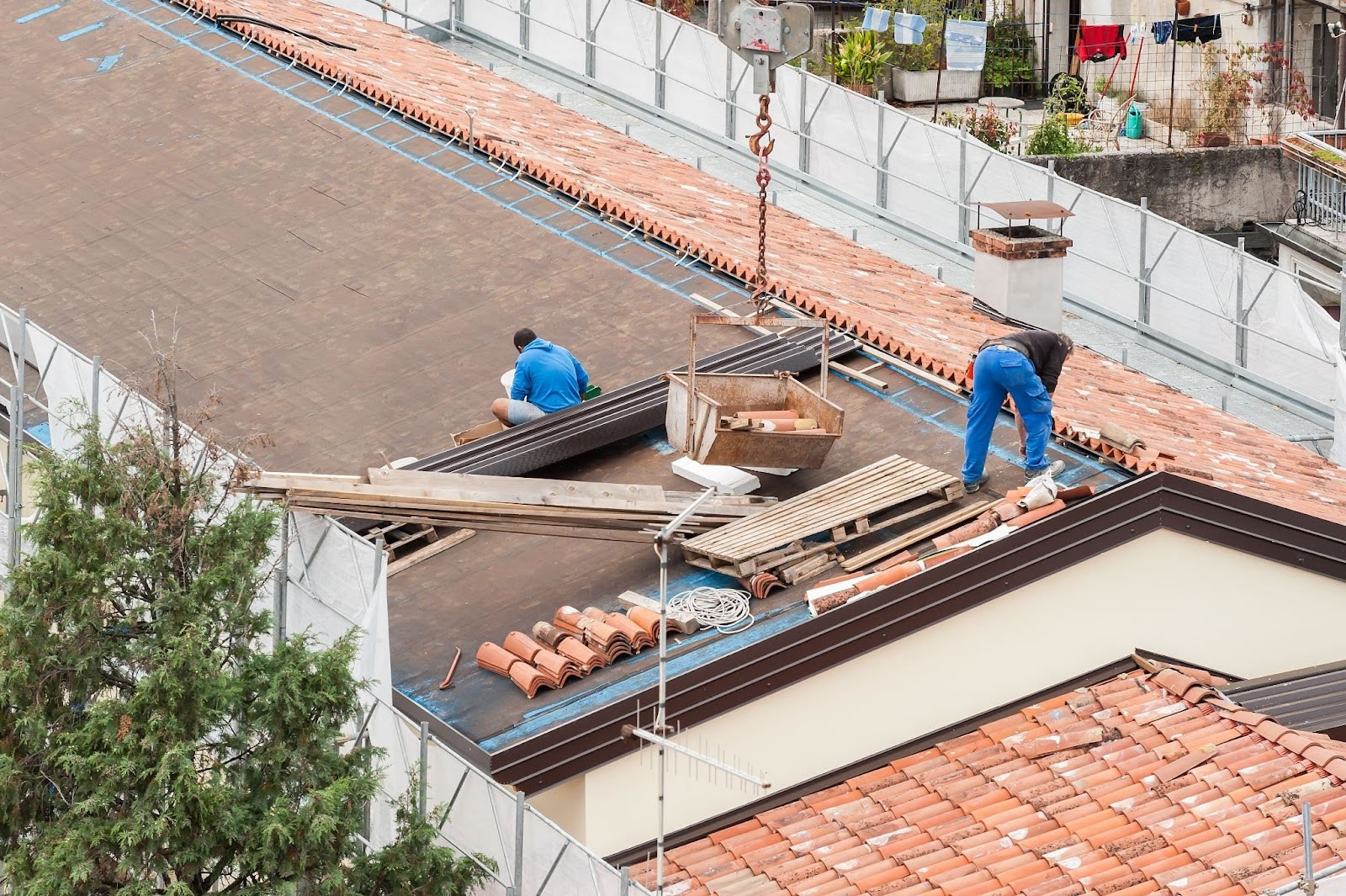
If any of the following apply, winter is a good time to begin planning:
- Your roof is approaching the end of its lifespan
- Ice dams form each year
- Leaks appear during snowmelt
- Repairs have become more frequent
- You want to avoid spring scheduling delays
Even if replacement won’t happen immediately, early planning provides clarity and control.
Planning Ahead Saves Time and Stress
Winter may not seem like the obvious time to think about roof replacement, but it’s often the smartest time to start planning. Cold-weather conditions reveal problems clearly, and early preparation helps avoid rushed decisions when spring arrives.
By using winter to assess your roof, understand potential issues, and plan next steps, you can approach spring with confidence and avoid unexpected repairs when demand is highest.
If you’re unsure about your roof’s condition or want to prepare for the upcoming season, a professional roof inspection can help you make informed decisions before problems escalate.