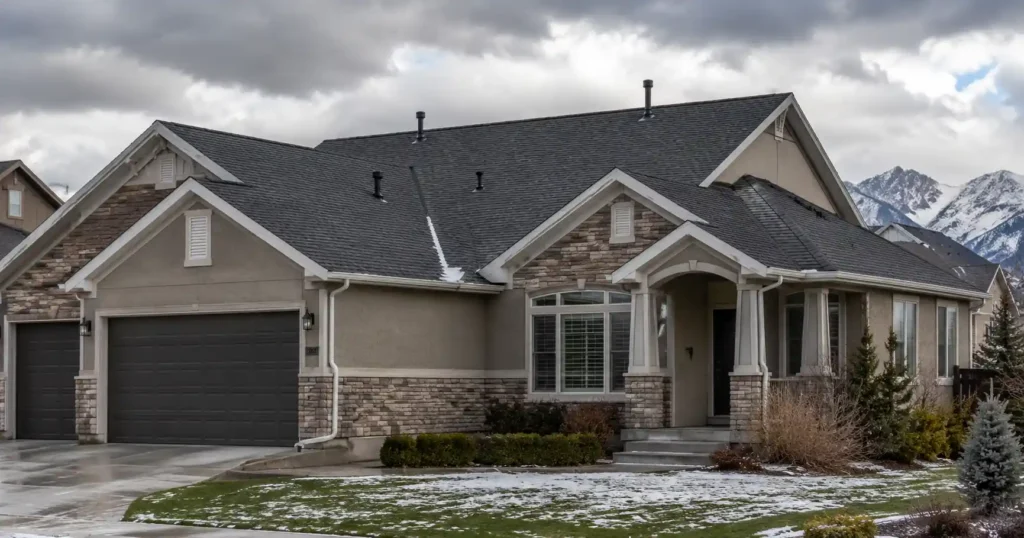
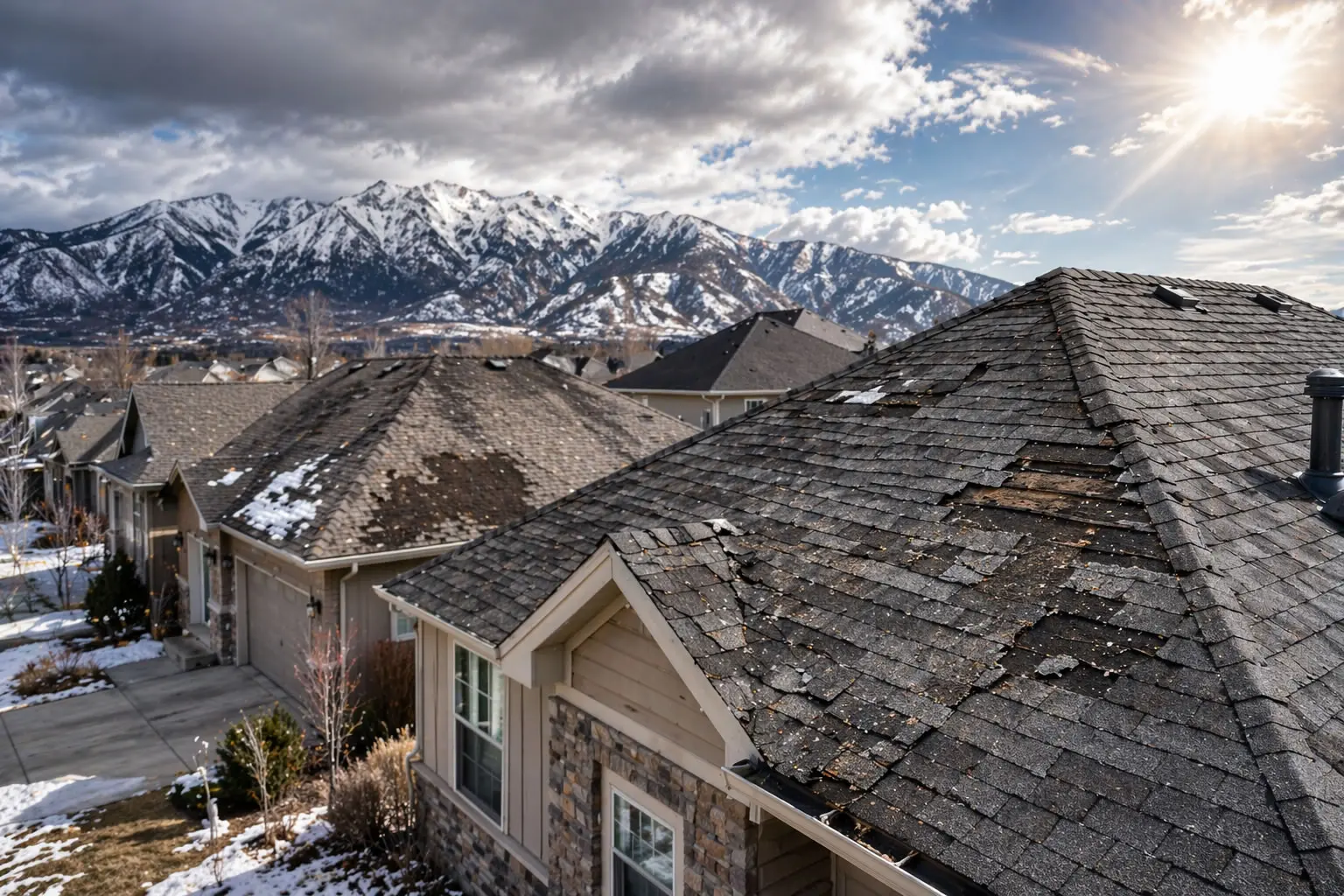
Utah winters don’t just come and go. They leave a mark on your roof whether you notice it or not.
Snow piles up, ice forms along the edges, and temperatures swing from freezing mornings to mild afternoons before dropping again overnight. That constant expansion and contraction quietly weakens your roofing system.
By the time spring arrives, many homeowners assume everything is fine simply because nothing is leaking yet.
That assumption is where expensive problems begin.
Why Winter Causes More Damage Than You Think
Winter damage rarely shows up all at once. Instead, it builds slowly over time.
As snow sits on your roof, it creates prolonged exposure to moisture. Ice dams can form along the edges, trapping water that has nowhere to go. When temperatures rise during the day, that trapped water begins to seep beneath shingles. Then at night, it freezes again, expanding and pushing materials apart.
This cycle repeats over and over throughout the season.
In Utah, where temperature swings are frequent, your roof can go through dozens of these cycles in just a few months. Each one slightly weakens the structure, making it more vulnerable heading into spring.
From the ground, everything may still look fine. But underneath, the damage is already developing.
Common Signs Your Roof May Be Failing After Winter

Some warning signs are obvious, while others are easy to overlook.
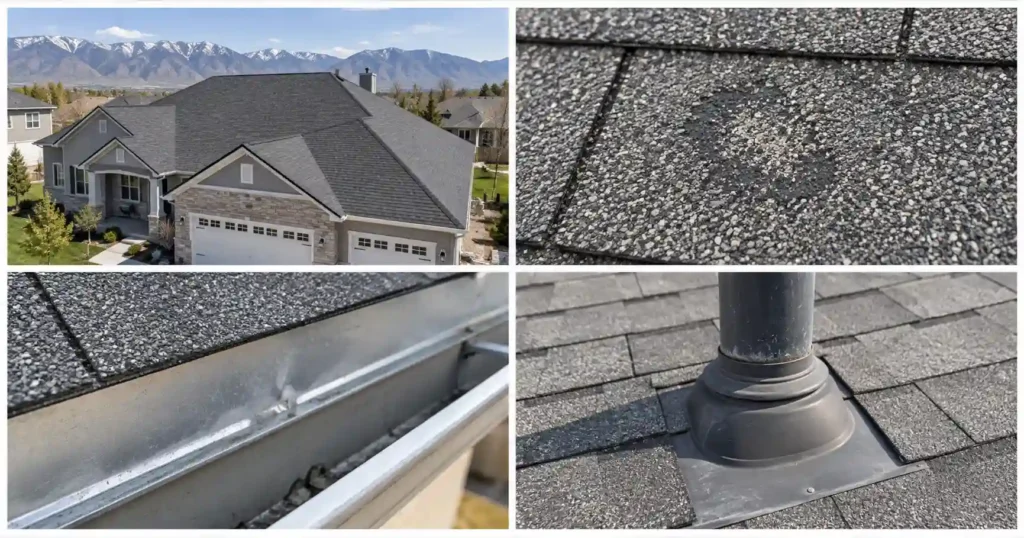
You might notice shingles that are starting to curl or crack, especially near the edges of your roof. In some cases, homeowners find an unusual amount of granules collecting in their gutters, which is a sign that shingles are losing their protective layer.
Inside the home, early signs can appear as faint water stains on ceilings or walls. These stains often start small but can indicate that moisture is already making its way through the roofing system.
Another red flag is unevenness along the roofline. If certain areas appear to sag or look inconsistent, it could point to underlying structural issues caused by prolonged moisture exposure.
Even if these issues seem minor, they’re often early indicators that your roof is no longer performing as it should.
The Hidden Damage You Can’t See From the Ground
One of the biggest mistakes homeowners make is relying on what they can see from the ground.
In reality, most serious roofing issues are invisible without a closer inspection.
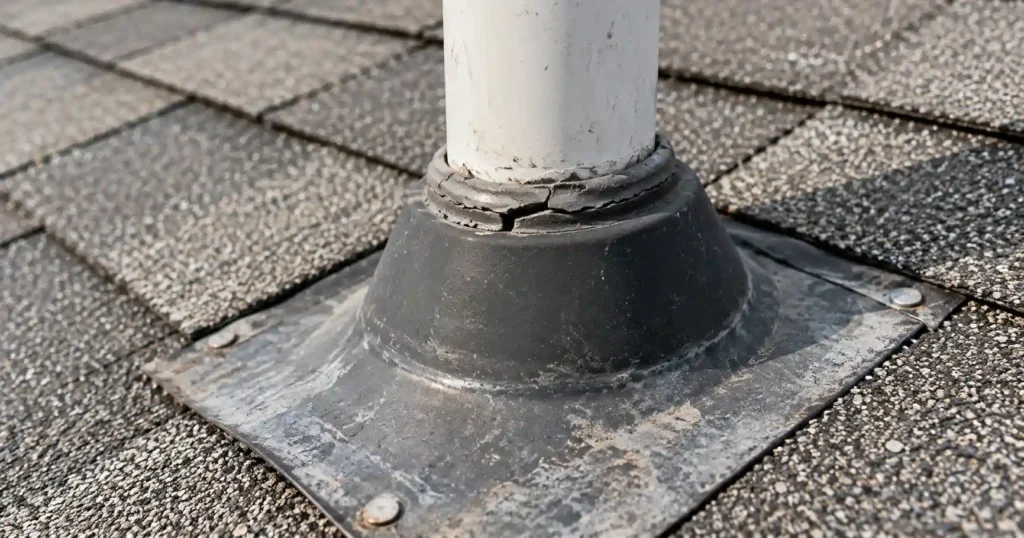
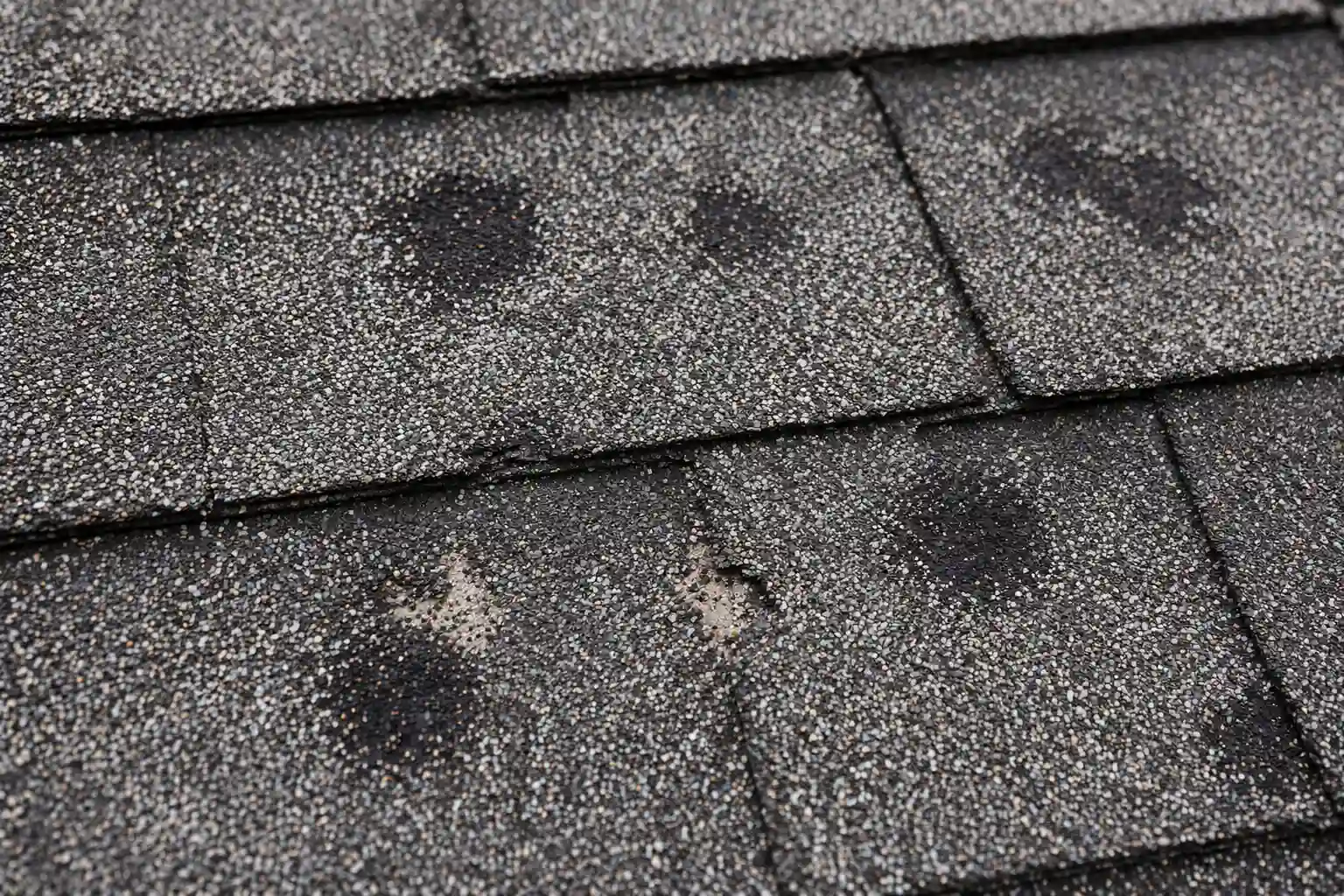
Shingles can be lifted slightly by wind or ice, allowing moisture to get underneath, then settle back into place. Hail can leave behind soft impact marks that weaken the roof without causing obvious visual damage. Flashing around vents and chimneys can loosen just enough to create entry points for water.
These are the types of issues that often go unnoticed until they turn into leaks or widespread damage.
If you want to understand how these problems turn into full replacements, read 👉 The Complete Homeowner’s Guide to Roof Replacement in Utah (Costs, Timing, Storm Damage & What to Expect).
Why Waiting Can Turn a Small Issue Into a Big Expense
It’s natural to take a “wait and see” approach, especially if nothing seems urgent.
The problem is that spring weather in Utah doesn’t give you much time.
Wind, rain, and hail storms can quickly take advantage of weak spots that developed during winter. What could have been a simple repair in early spring can escalate into major damage once moisture begins spreading beneath the surface.
By the time a leak becomes visible inside your home, the issue has usually grown beyond a quick fix.
When Replacement Becomes the Smarter Option
Not every roof needs to be replaced after winter, but some clearly do.
If your roof is over 15–20 years old and showing multiple signs of wear, replacement is often the more practical choice. The same applies if damage is spread across multiple areas rather than isolated to one section.
Another key factor is how often repairs have been needed. If you’ve already addressed several issues and new ones keep appearing, it’s usually a sign that the system as a whole is breaking down.
At that point, continuing to repair it often leads to higher long-term costs.
What Homeowners in Utah Should Do Next

If something about your roof feels off after winter, it’s worth taking seriously.
You don’t need to jump straight to replacement, but you also don’t want to ignore early warning signs heading into storm season.
Getting clarity now puts you in control, instead of reacting later when the problem gets worse.
Schedule a Roof Inspection Before Spring Storms Hit
If your roof went through a full Utah winter, there’s a good chance it took on more damage than you can see from the ground.
And once spring storms roll in, those small issues don’t stay small for long.
Getting a professional inspection now gives you clarity before you’re forced into a decision. You’ll know whether your roof is in good shape, needs a simple repair, or is showing signs that point toward replacement.
At CTI Roofing, we provide detailed, no-pressure inspections designed to give you real answers, not a sales pitch.
Schedule your inspection today and know exactly where your roof stands before storm season ramps up.
What You’ll Get:
- Full roof condition assessment
- Storm and hail damage check
- Honest recommendation (repair vs replace)
- Clear next steps with no pressure