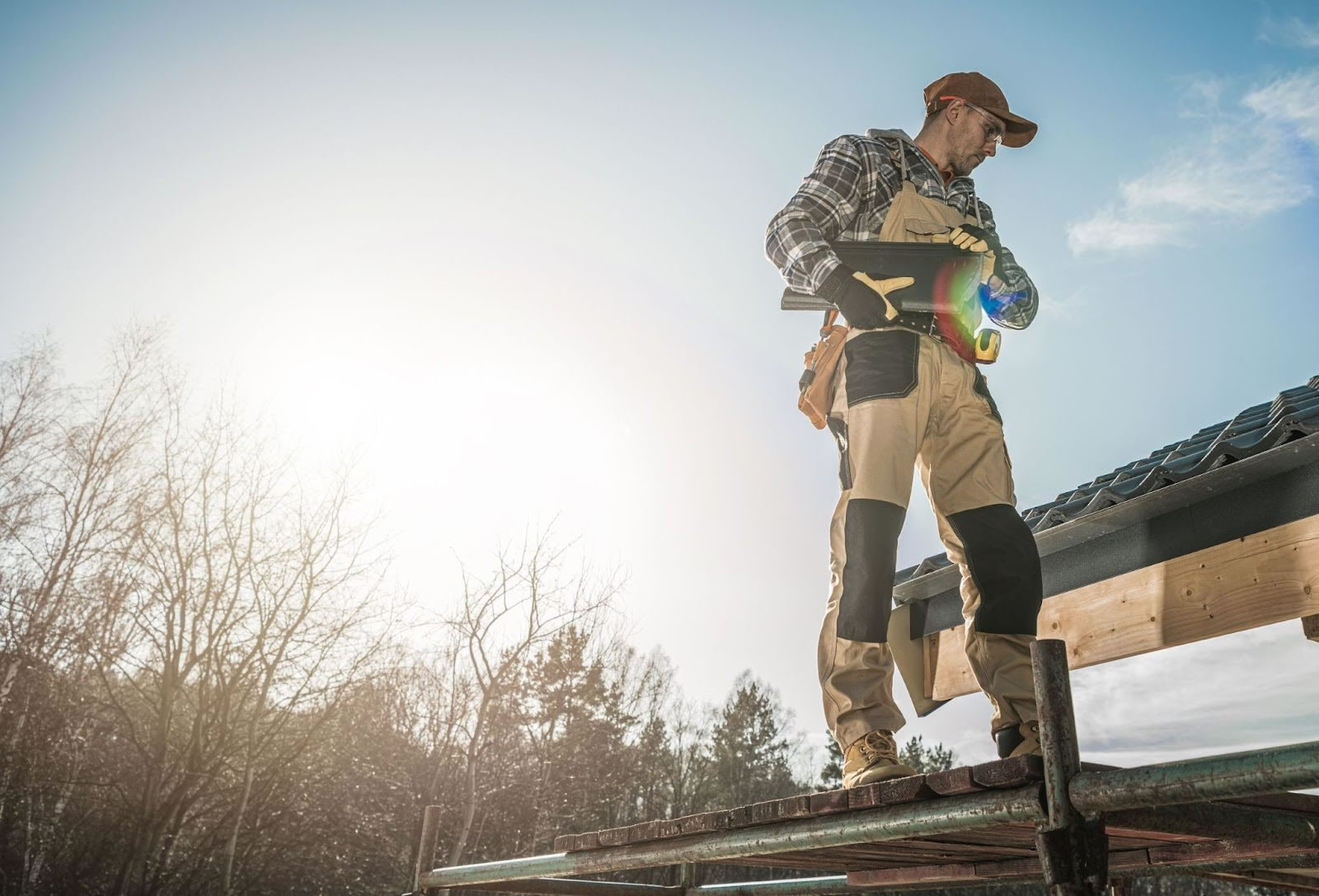
Severe winter storms can put a lot of stress on a home in a short amount of time. Heavy snow, strong winds, ice, and freezing temperatures all affect roofing systems differently than normal winter conditions. While some damage happens suddenly, much of it develops because small issues weren’t addressed ahead of time.
Preparing your home and roof before severe winter weather arrives can help reduce damage, prevent leaks, and avoid emergency repairs. This guide explains what homeowners should focus on before storms hit and how proper preparation helps protect both the roof and the home underneath it.
Why Winter Storms Are Hard on Roofs
Winter storms create a combination of challenges that roofs don’t experience during other seasons. Snow adds weight, ice restricts drainage, and wind can loosen or damage roofing materials.
During severe winter weather, roofs are exposed to:
- Heavy snow accumulation
- Ice buildup and freeze–thaw cycles
- Strong winds that lift or shift shingles
- Rapid temperature changes
- Increased moisture exposure
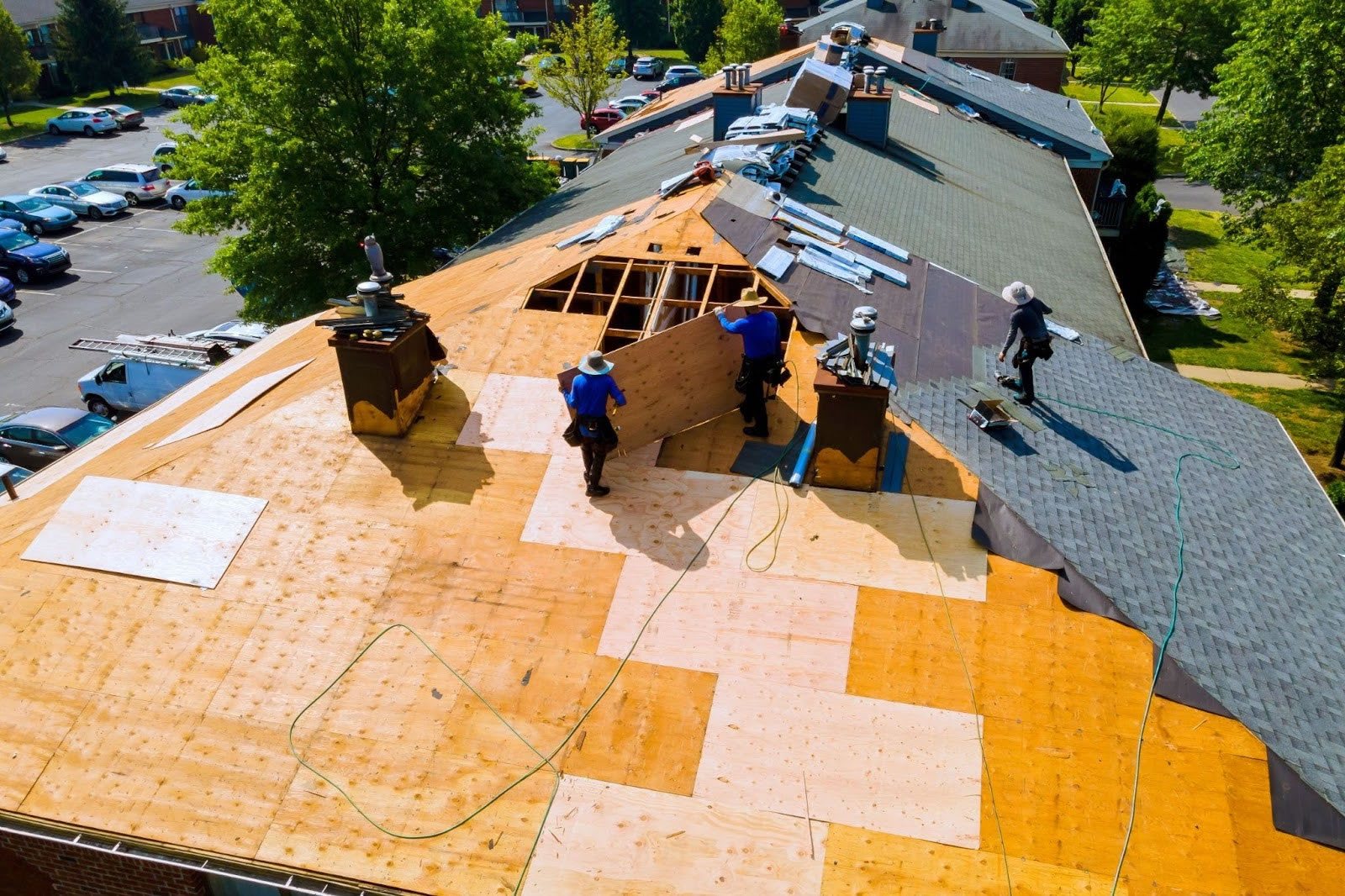
These conditions can reveal weaknesses that may not be noticeable during milder weather. If your home has already weathered several seasons, it may be time for a professional roof inspection to ensure your structural components are still storm-ready.
Checking Your Roof Before Winter Storms
One of the most important steps in winter storm preparation is checking the roof before heavy snow or ice arrives.
Key areas to inspect include:
- Shingles for cracks, curling, or missing sections
- Flashing around chimneys and vents
- Areas where repairs were previously made
- Roof edges and valleys where snow collects
Even small issues can become larger problems once snow and ice begin to accumulate. If you find compromised seals around your roof penetrations, a quick vent repair can prevent a localized leak from turning into a major interior repair.
Why Attic Conditions Matter During Winter Storms
What happens inside the attic often determines how well a roof handles winter storms. Warm air rising into the attic can melt snow unevenly, which increases the risk of ice dams and moisture buildup.
During winter preparation, it’s important to consider:
- Proper insulation coverage
- Balanced attic ventilation
- Signs of moisture or condensation
- Air leaks from living spaces
Our guide on why attic ventilation matters most in winter explains how airflow affects roof performance during cold weather.
How Gutters and Drainage Affect Storm Damage
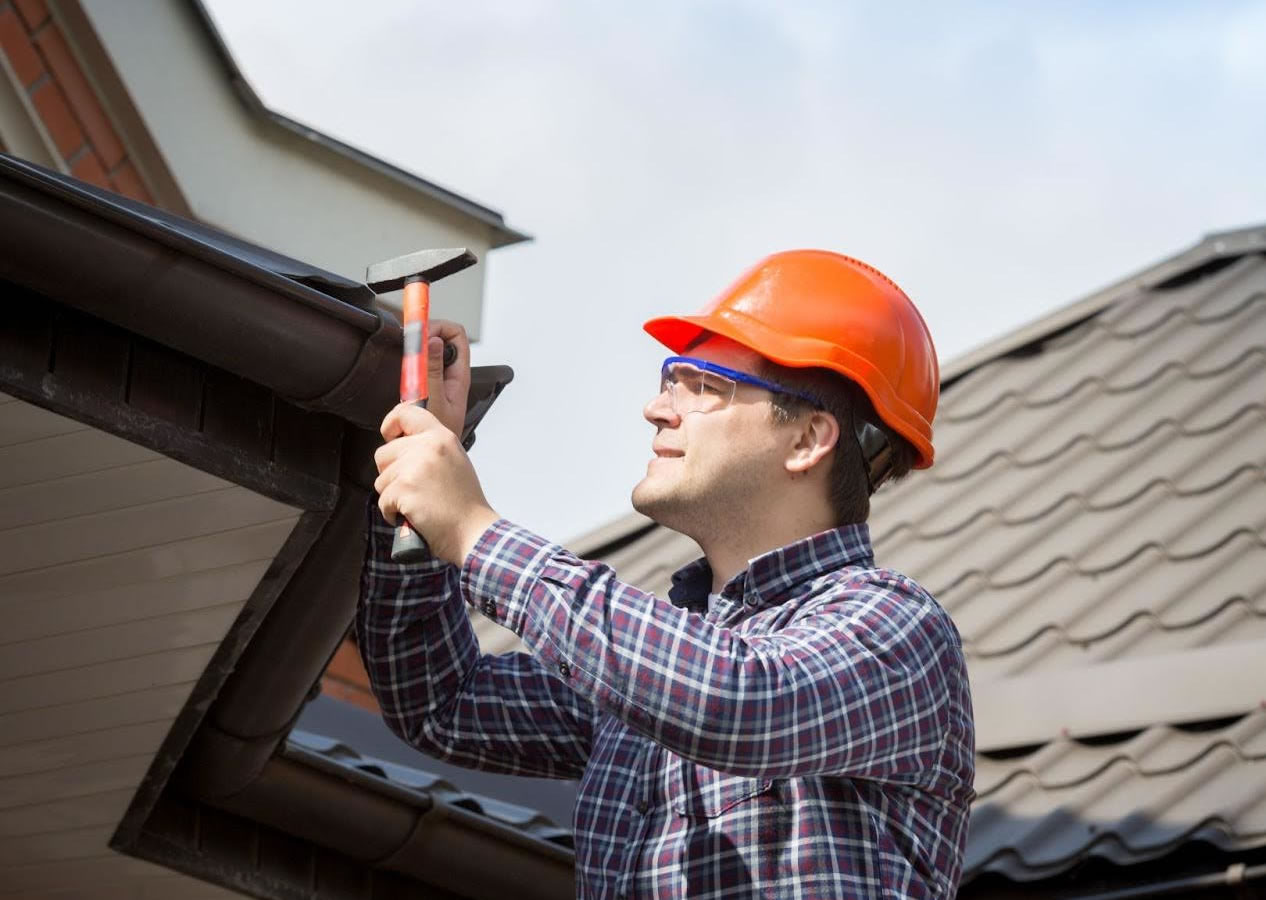
Gutters play a major role during winter storms by directing melting snow away from the roof. When gutters are clogged or frozen, water backs up and can refreeze along roof edges.
This can lead to:
- Ice dams
- Water intrusion under shingles
- Damage to fascia and soffits
- Interior leaks
Keeping gutters clear before winter storms helps prevent water from becoming trapped. Our article on winter gutter maintenance explains why this step is especially important in cold climates.
Managing Snow Load During Heavy Storms
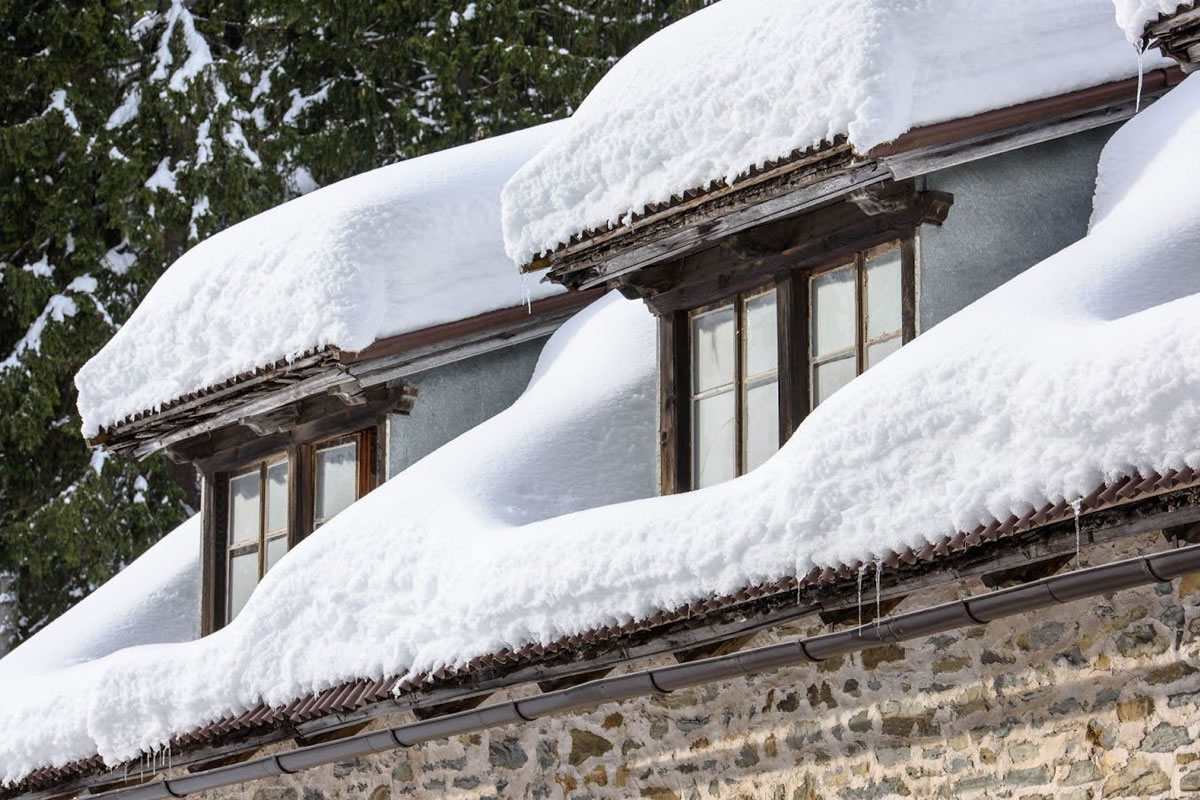
Severe storms can drop large amounts of snow in a short period of time. When snow accumulates faster than it can melt or slide off, it adds significant weight to the roof.
Snow load concerns increase when:
- Snow becomes wet or compacted
- Ice forms beneath snow layers
- Roof slopes are low
- Snow remains on the roof for extended periods
If snow load becomes excessive, it can strain structural components. Our guide on snow load and winter roof safety explains how to recognize when weight may become a concern.
Preventing Ice Dams During Winter Storms
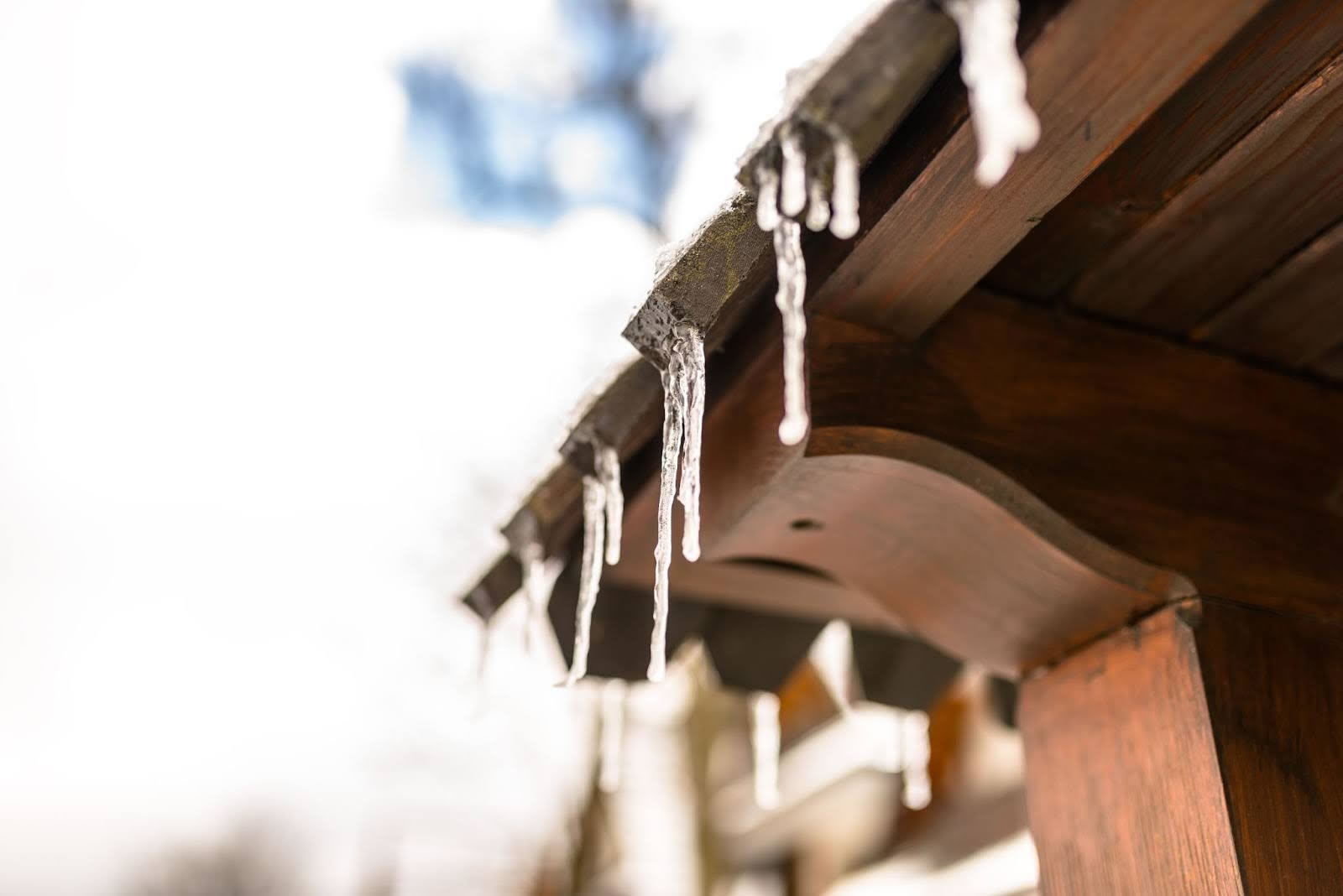
Ice dams are one of the most common problems during severe winter weather. They form when melting snow refreezes near the roof edge, trapping additional water behind it.
Preventive steps include:
- Maintaining proper attic insulation
- Ensuring balanced ventilation
- Keeping gutters clear
- Sealing air leaks from living spaces
If ice dams occur frequently, our guide on ice dams and winter roof damage explains why they form and how to reduce the risk.
Interior Signs That Indicate Storm-Related Roof Issues
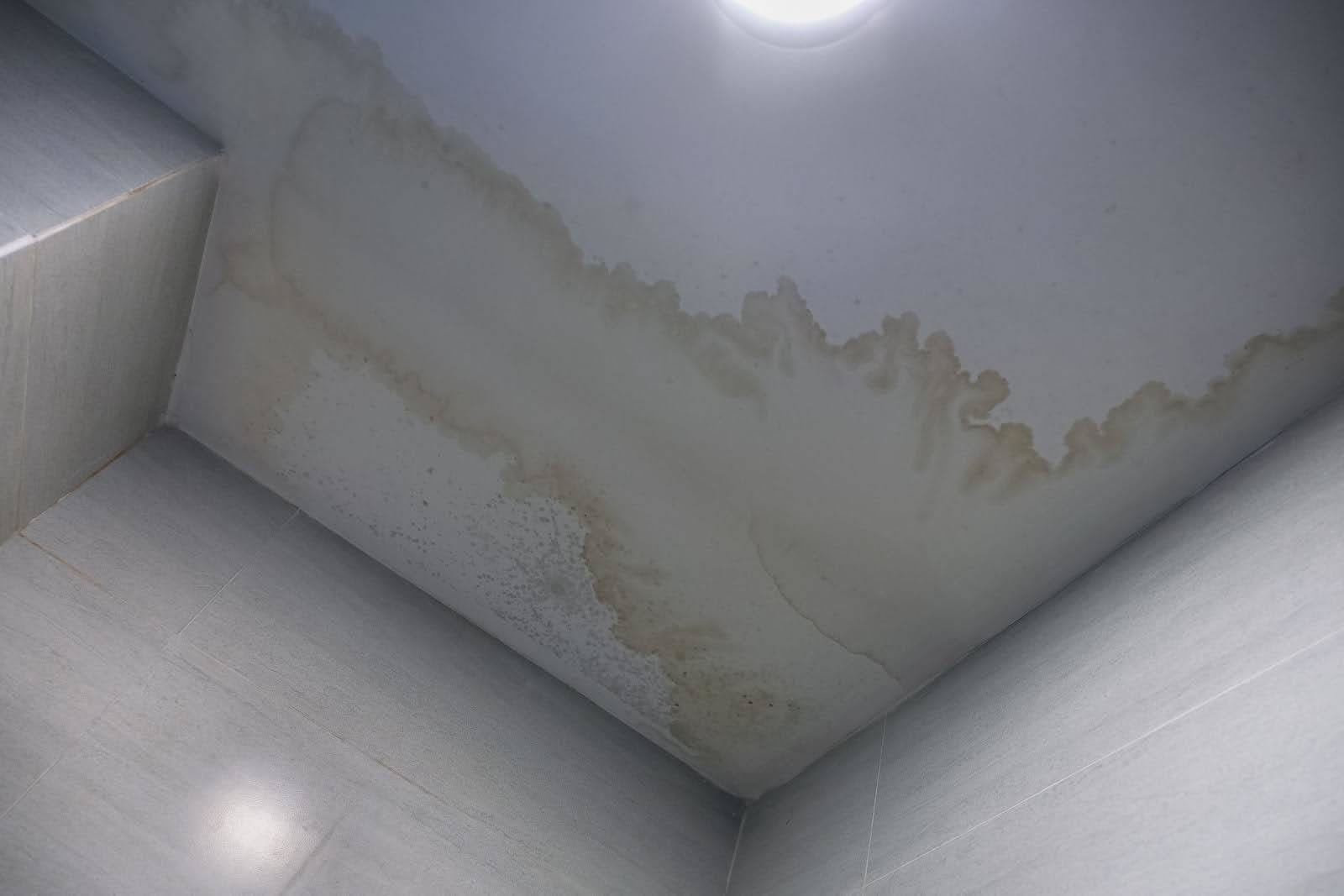
Sometimes the first signs of storm damage appear inside the home rather than on the roof itself.
Homeowners should watch for:
- Water stains on ceilings or walls
- Dripping during snowmelt
- Musty odors in the attic
- Sudden increases in heating costs
- Peeling paint or bubbling drywall
These symptoms often indicate moisture intrusion that should be addressed promptly.
When to Schedule a Professional Roof Inspection
After a severe winter storm, it’s a good idea to have the roof inspected if:
- Snow or ice remained on the roof for an extended period
- Ice dams formed along the roof edge
- Leaks appeared during or after the storm
- The roof is older or has previous repairs
A professional inspection can help identify hidden damage and determine whether repairs or preventive steps are needed before the next storm.
How Storm Preparation Fits Into Overall Winter Roof Care
Preparing for winter storms is part of a larger approach to roof maintenance. When combined with proper ventilation, insulation, and regular inspections, storm preparation helps extend the life of a roof and reduce unexpected repairs.
For a complete overview of winter roofing concerns, our complete winter roof maintenance guide explains how storm preparation fits into long-term roof protection.
Preparation Makes a Difference
Severe winter storms can be unpredictable, but proper preparation helps reduce their impact. Taking time to inspect your roof, clear gutters, and address ventilation or insulation issues can make a significant difference when harsh weather hits.
By understanding how winter storms affect your roof and taking steps ahead of time, you can protect your home, reduce repair risks, and navigate winter with greater confidence.