The storm rolls through. Wind howling, rain pounding, maybe even a little hail mixed in.
Then it passes.
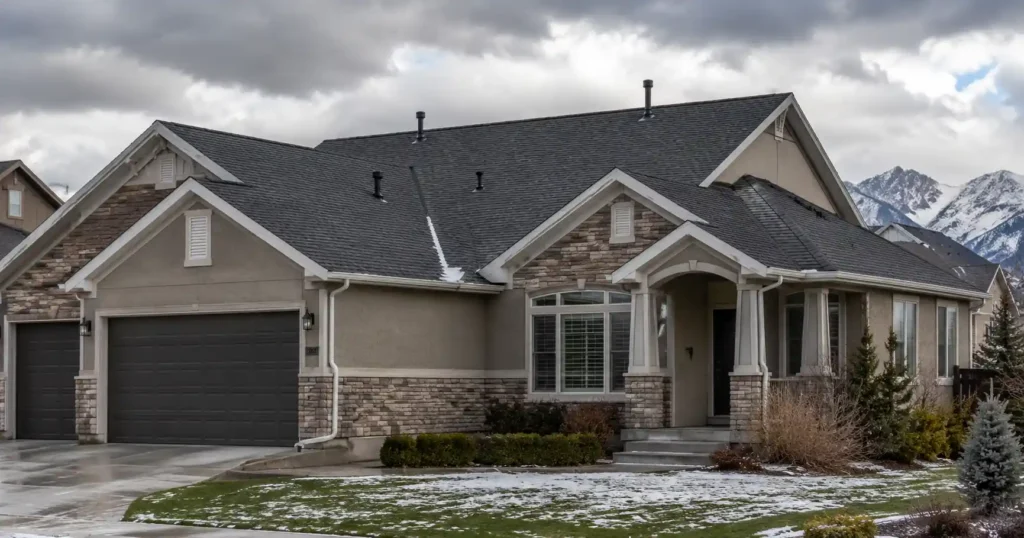
You step outside, look up at your roof, and everything seems… fine.
No missing shingles. No visible holes. No water dripping from the ceiling.
So you move on.
But here’s the problem. Some of the most damaging roof issues don’t show up right away. In fact, the roofs that look fine after a storm are often the ones hiding the biggest problems.
And by the time those problems become visible, you’re no longer dealing with a small fix. You’re dealing with a much bigger, more expensive situation.
Why Storm Damage Isn’t Always Obvious
Most homeowners expect storm damage to be dramatic.
They picture shingles scattered across the yard, tree branches punching through the roof, or water pouring into the house. While those situations do happen, they’re actually the minority.
The more common scenario is subtle damage.
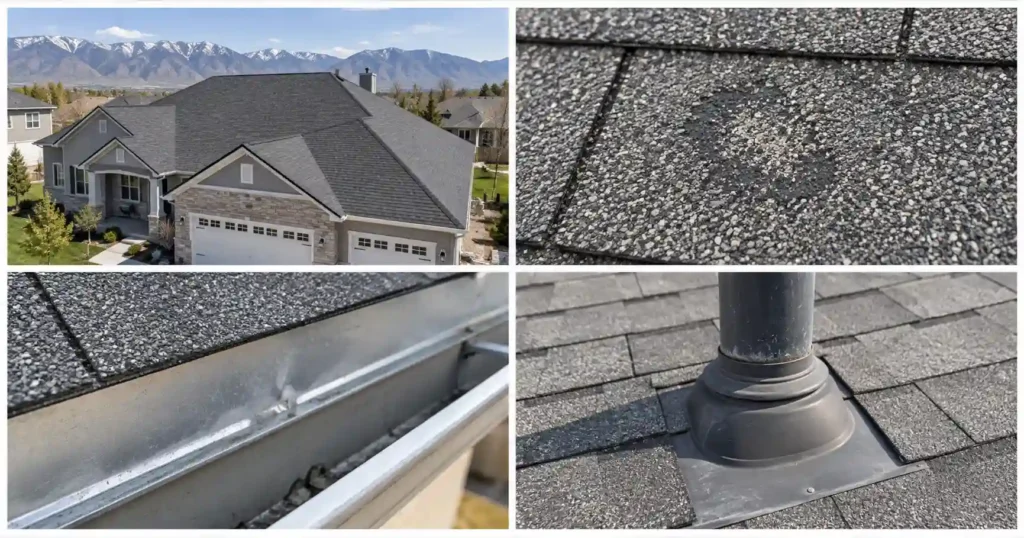
Wind can lift shingles just enough to break their seal without tearing them off. Hail can strike the surface and create small impact points that weaken the material without leaving obvious cracks. Flashing around vents and chimneys can shift slightly, opening the door for moisture intrusion.
None of this looks alarming from the ground.
But over time, these small issues allow water to work its way beneath the roofing system. Once that happens, the damage begins to spread slowly, often without any visible signs inside the home until it’s well underway.
That’s why post-storm inspections matter more than most people realize.
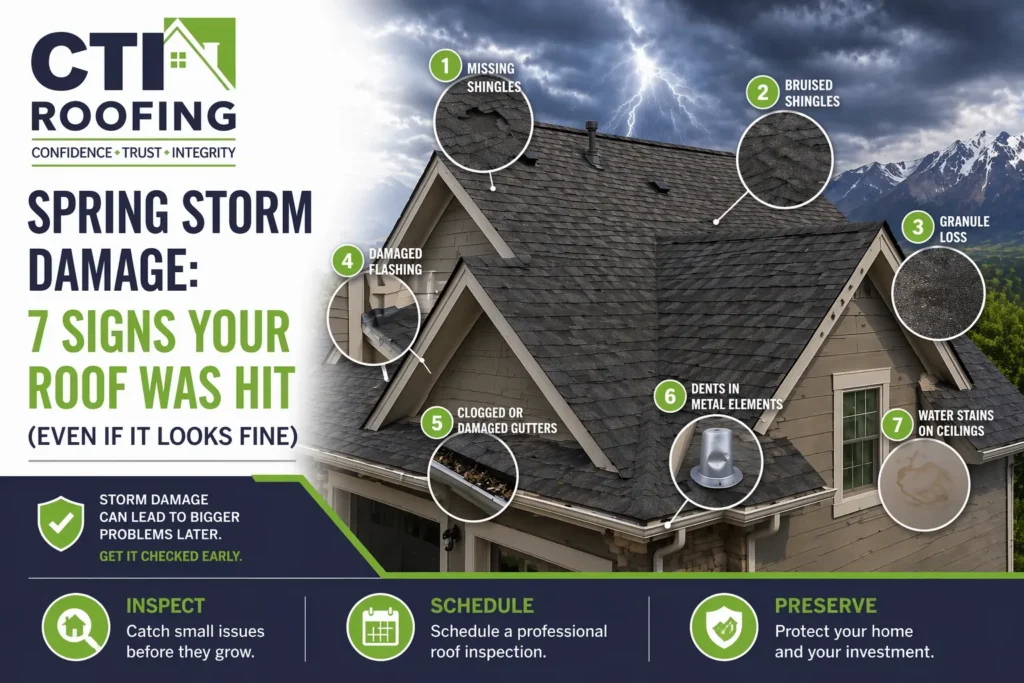
7 Signs Your Roof May Have Storm Damage
Even though damage can be subtle, there are still indicators if you know what to look for.
1. Shingles That Look Slightly Out of Place
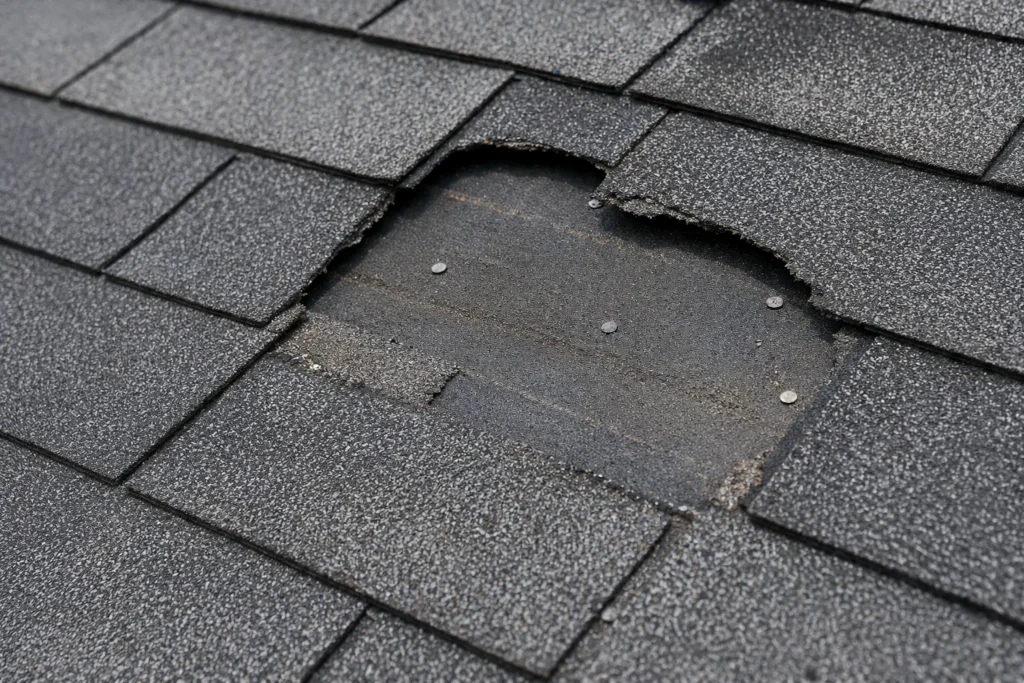
After strong winds, shingles don’t always come off completely. Instead, they shift.
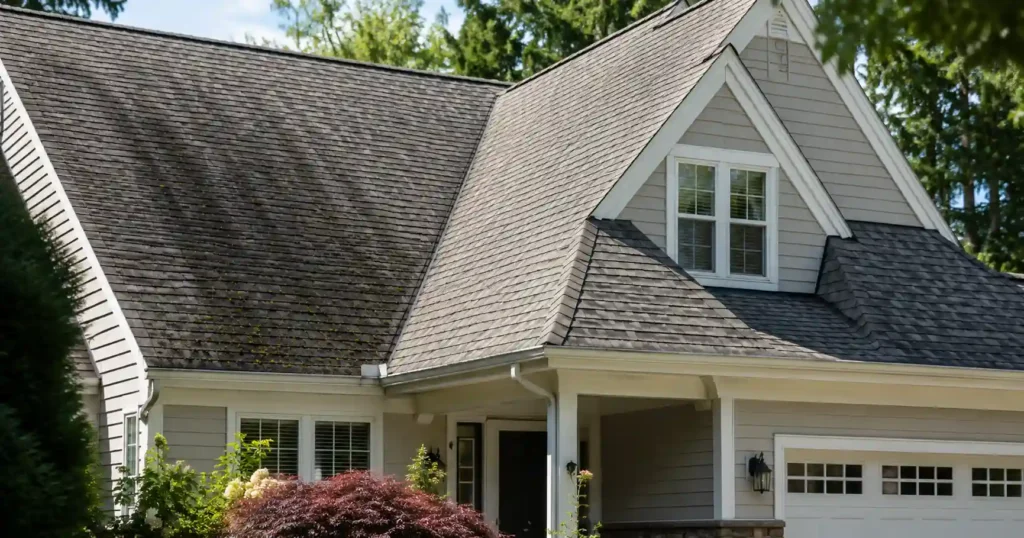
You might notice sections that look slightly uneven, lifted, or out of alignment compared to the rest of the roof. This usually means the adhesive seal has been broken.
Once that seal is gone, your roof becomes much more vulnerable to future wind and water damage.
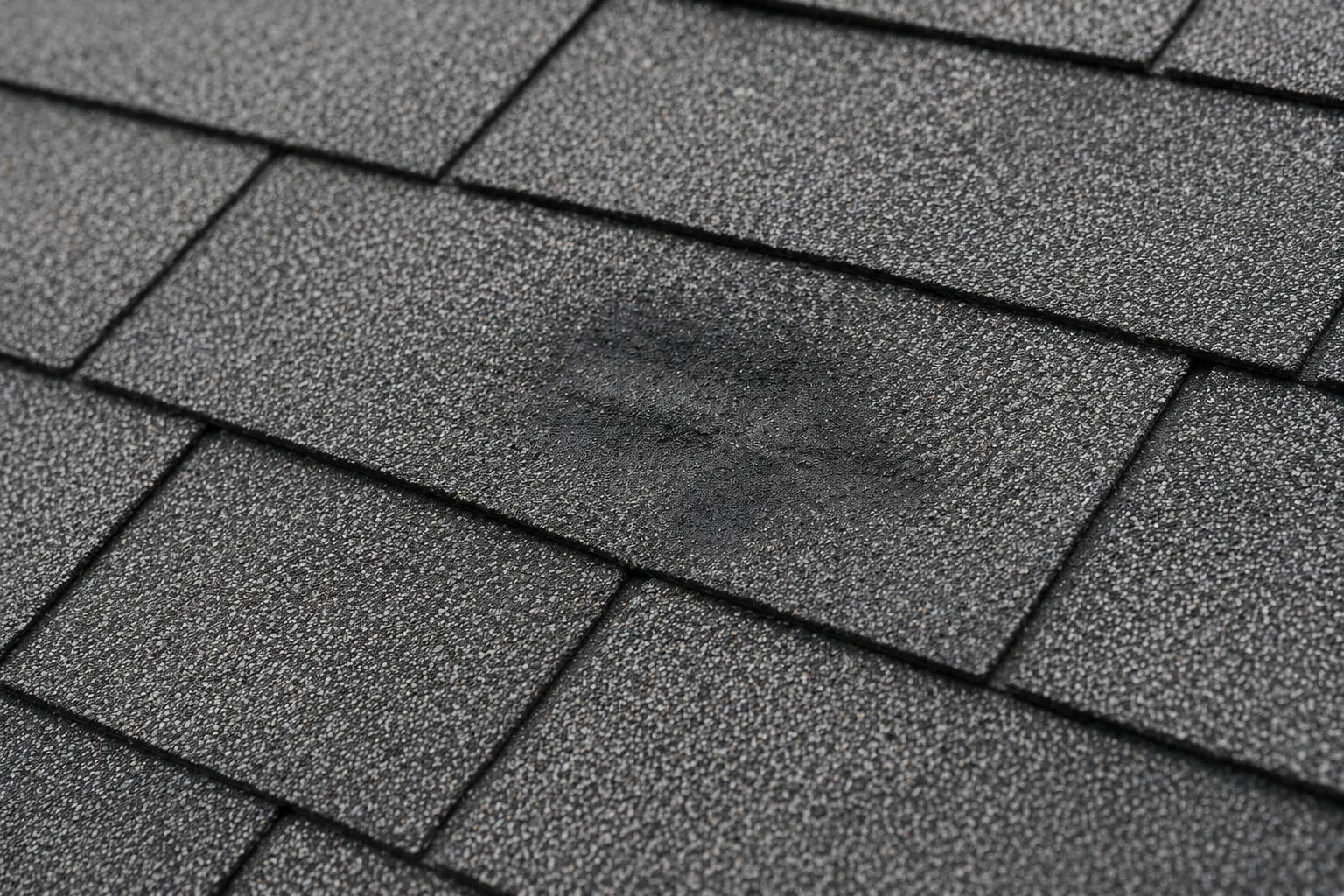
2. Dark or Soft Spots from Hail Impact
Hail damage is one of the most commonly missed issues.
When hail hits asphalt shingles, it can knock off protective granules and create soft, bruised areas beneath the surface. These spots may appear darker or feel slightly spongy if inspected up close.
Over time, these weakened areas deteriorate faster than the rest of the roof and often become the starting point for leaks.
3. Granules Building Up in Gutters
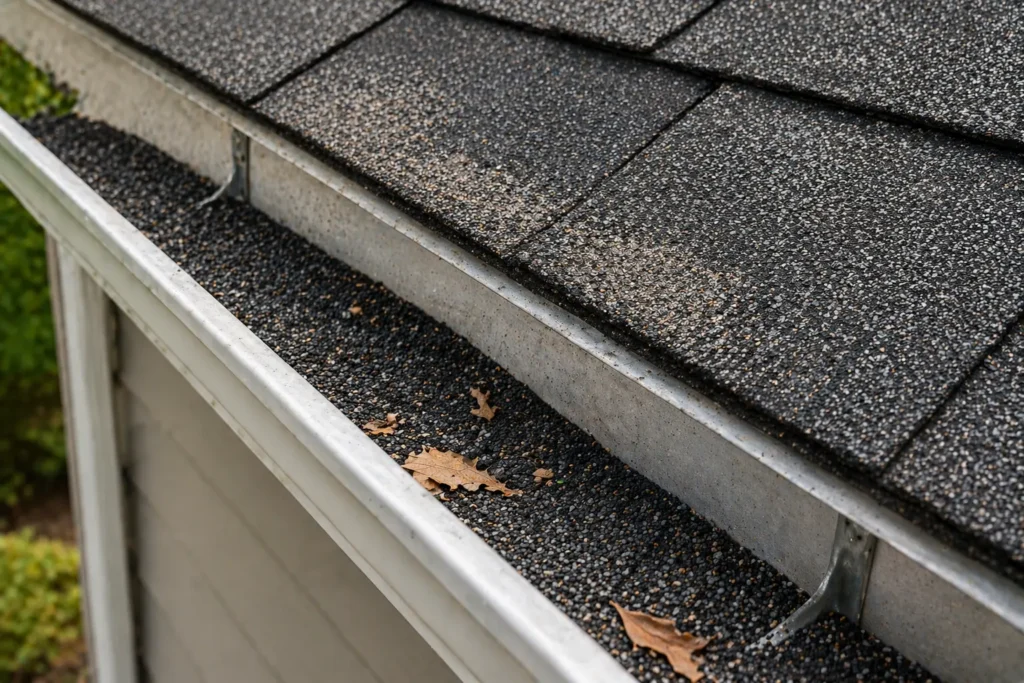
After a storm, take a look at your gutters and downspouts.
If you notice an unusual amount of sand-like material, those are shingle granules. Their job is to protect your roof from UV rays and weather exposure.
When a storm strips those granules away, your shingles lose that protection, which accelerates aging and increases the risk of damage.
4. Flashing That’s Bent, Loose, or Separated
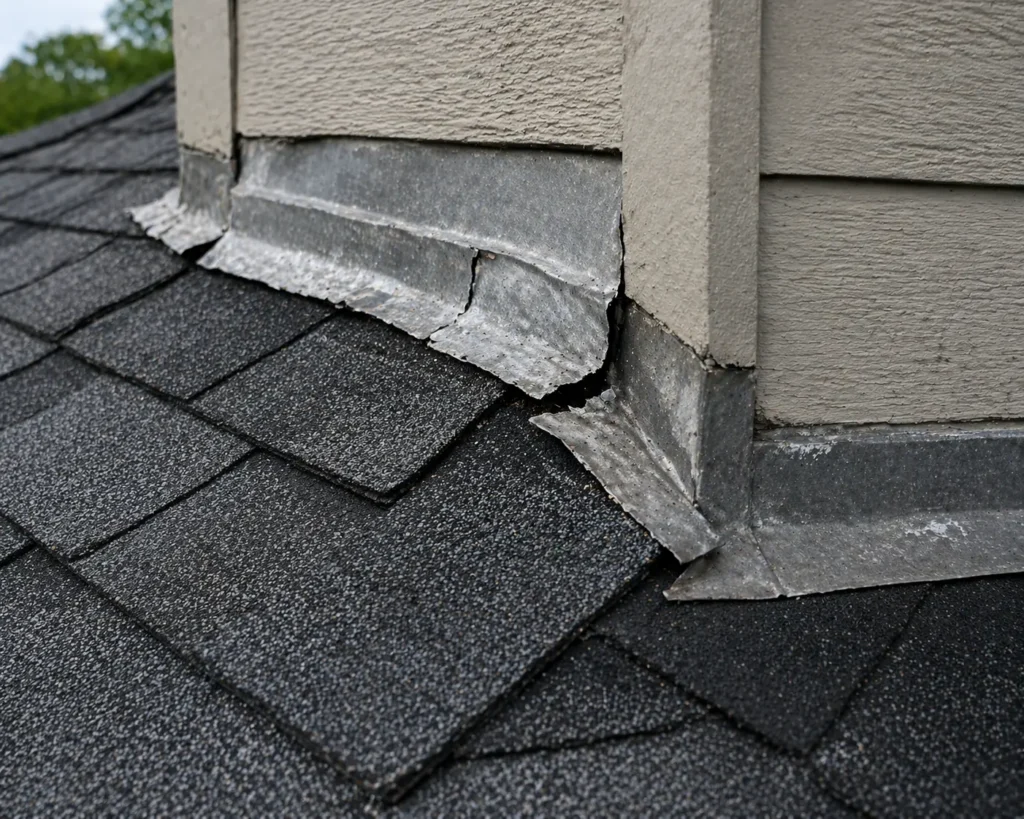
Flashing is installed around critical areas like vents, chimneys, skylights, and valleys.
During a storm, these metal components can shift, bend, or pull away from the roof slightly. Even a small gap can allow water to enter, especially during heavy rain.
Because flashing protects some of the most vulnerable areas of your roof, even minor damage here can lead to major problems if left unaddressed.
5. Debris Trapped in Roof Valleys
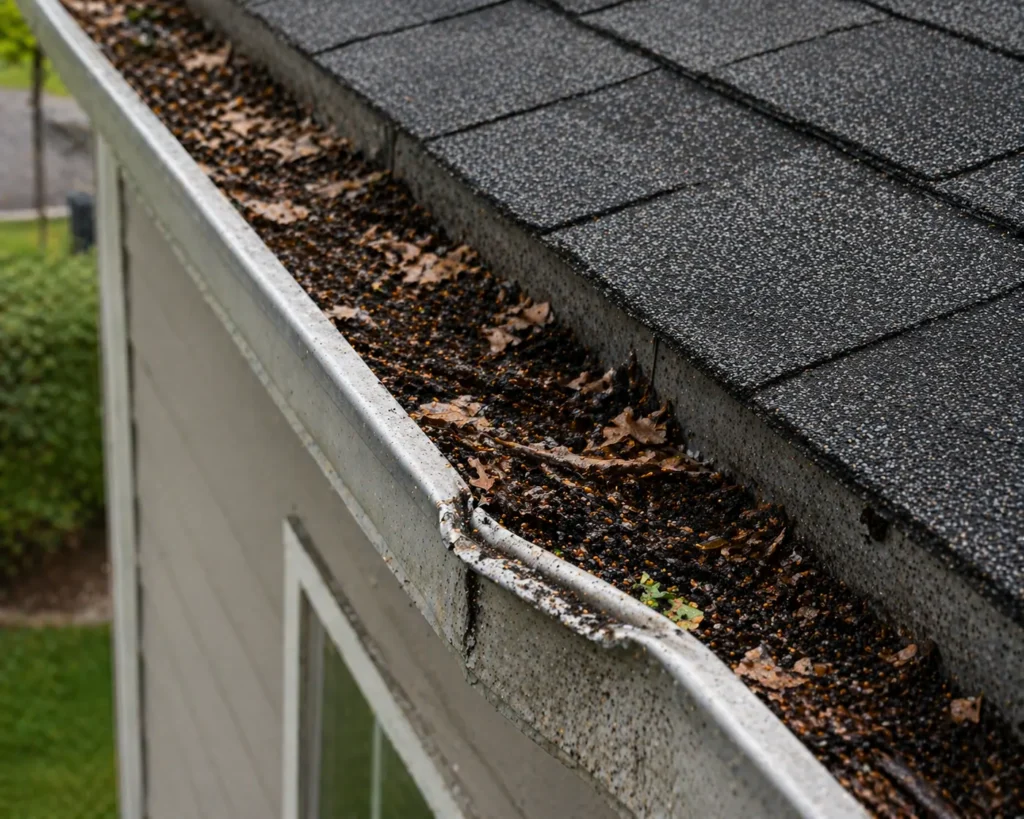
Storms often push leaves, branches, and debris into roof valleys and edges.
While it might not seem like a big deal, this debris can trap moisture and prevent proper water drainage. Over time, that standing moisture can break down roofing materials and lead to leaks.
It’s one of those “small” issues that quietly turns into a bigger one.
6. Interior Water Stains or Discoloration
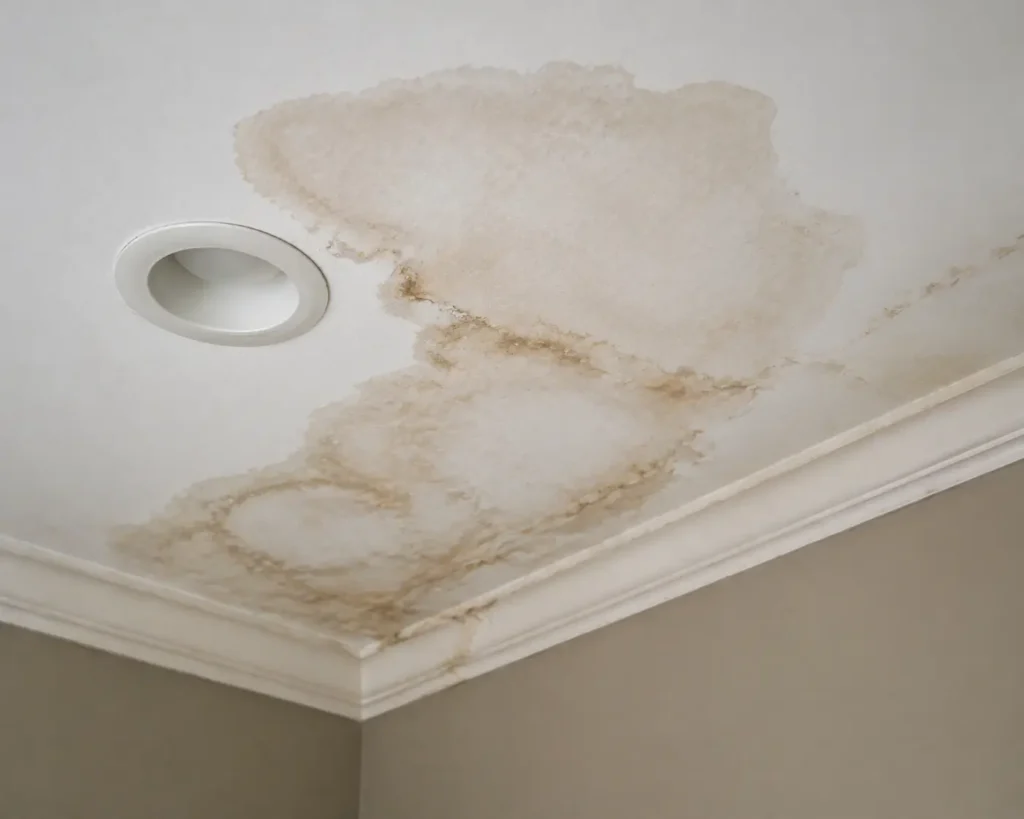
Sometimes, the first visible sign of roof damage shows up inside your home.
You might notice a faint stain on the ceiling, slight discoloration near a wall, or even a musty smell in certain areas. These are early indicators that moisture has already made its way through the roofing system.
And if water is getting in, it’s only going to get worse with the next storm.
7. Pieces of Shingles or Roofing Material on the Ground
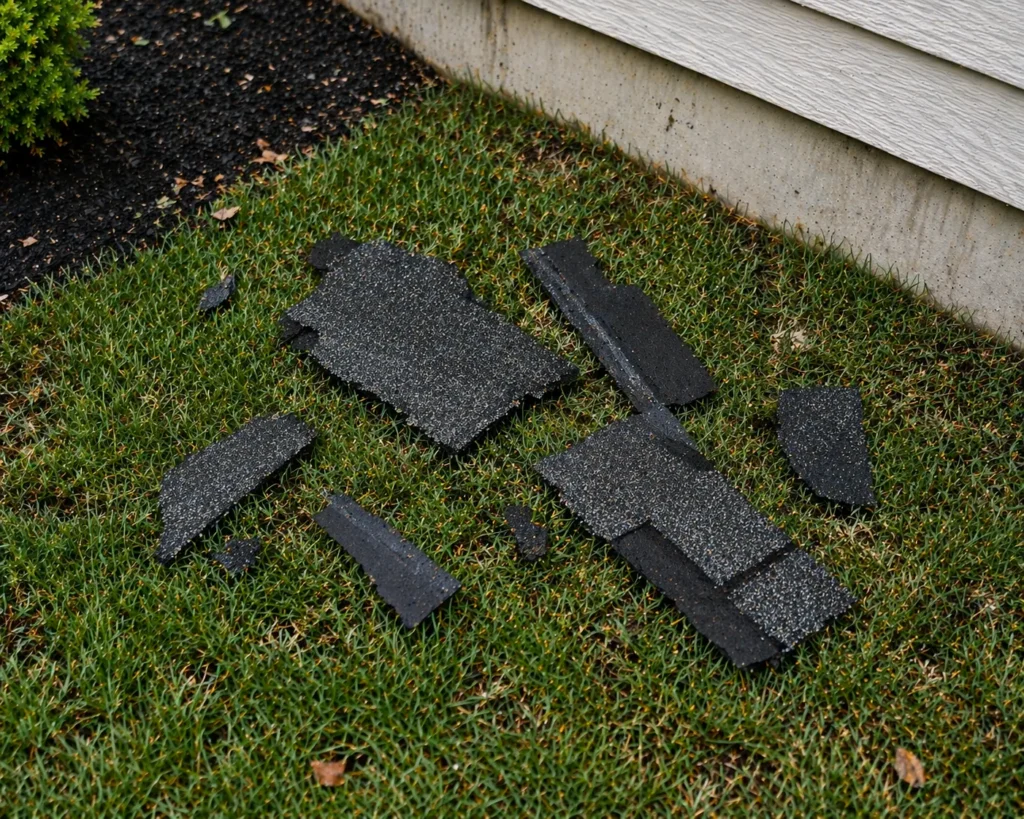
After a storm, take a walk around your property.
If you find pieces of shingles, flashing, or other roofing materials, it’s a clear sign your roof took some level of damage, even if it still looks intact from above.
This is often the most obvious external clue that something needs attention.
Why Acting Early Can Save You Thousands
Storm damage doesn’t fix itself.
What starts as a minor issue, like a lifted shingle or a small impact mark, can quickly escalate once moisture gets involved. Water spreads beneath the surface, affecting underlayment, decking, and even interior structures.
This is where costs begin to climb.
There’s also the insurance factor to consider.
Storm damage is often covered by homeowners’ insurance, but only if it’s identified and documented within a reasonable timeframe. If too much time passes, that same damage can be labeled as general wear and tear, making it much harder to get coverage.
In other words, waiting doesn’t just increase repair costs. It can eliminate financial assistance that might have been available.
The Most Common Mistake Homeowners Make
They assume everything is fine because nothing looks urgent.
This “no leak, no problem” mindset is one of the biggest reasons small roofing issues turn into major repairs.
By the time a leak becomes visible, water has usually been working its way through the system for a while. At that point, you’re no longer dealing with surface-level damage. You’re dealing with deeper structural concerns.
And those are always more expensive to fix.
What to Do After a Storm in Utah
After a storm hits, it’s worth taking a few minutes to assess your property.
Start with a ground-level check. Look for anything out of place—uneven shingles, debris buildup, or materials that may have fallen off the roof. Check your ceilings for any signs of staining or moisture.
But understand that this is only a first step.
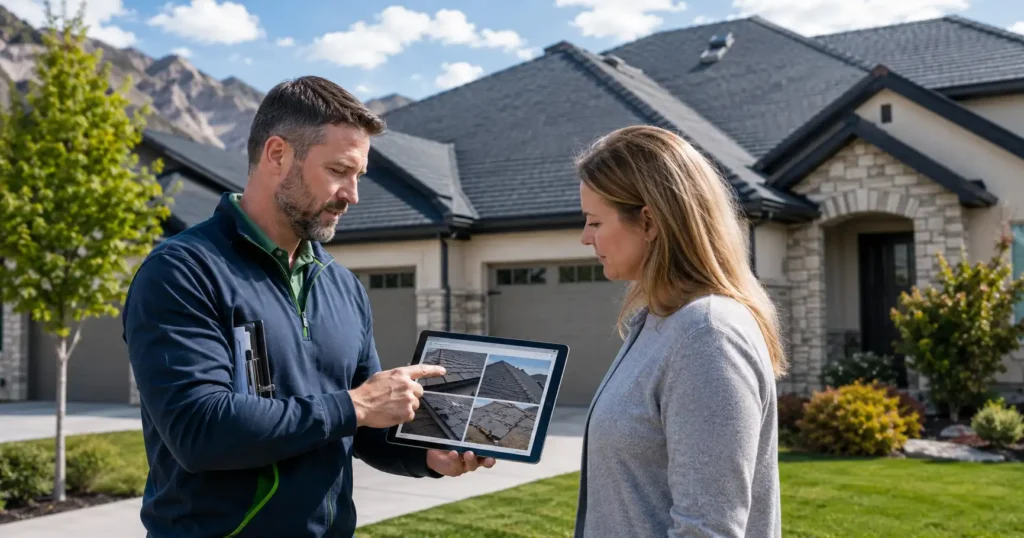
A proper inspection involves checking areas you can’t safely access and identifying damage that isn’t visible from the ground. That’s where the real value comes in.
If you want to understand how storm damage fits into the bigger picture of roof lifespan, costs, and replacement decisions, read The Complete Homeowner’s Guide to Roof Replacement in Utah (Costs, Timing, Storm Damage & What to Expect).
Schedule a Roof Inspection Before Damage Gets Worse
If your home has recently been through a storm, the smartest move you can make is to get clarity now before the next one hits.
Small issues don’t stay small for long, especially during Utah’s storm season.
At CTI Roofing, we provide detailed, no-pressure inspections designed to give you real answers about your roof’s condition.
Schedule your inspection today and find out if your roof took damage before it turns into a bigger problem.