
Attic ventilation often gets overlooked until something goes wrong. During winter, however, it plays one of the most important roles in protecting a home’s roof and structure. Poor ventilation can lead to moisture buildup, uneven roof temperatures, and ice dams that cause damage long before homeowners realize there’s a problem.
Understanding how attic ventilation works in cold weather helps explain why many winter roof issues start inside the home, not on top of it. This guide breaks down how ventilation affects your roof during winter, what warning signs to watch for, and why proper airflow is essential for long-term roof health.
How Attic Ventilation Works in Winter
Attic ventilation is designed to regulate temperature and moisture by allowing fresh air to move in and stale air to exit. During winter, this airflow helps keep the attic temperature closer to the outside air temperature.
When ventilation is working properly, it:
- Reduces heat buildup in the attic
- Prevents moisture from accumulating
- Helps maintain consistent roof temperatures
- Protects insulation and structural materials
Without proper ventilation, warm air from inside the home becomes trapped in the attic, creating conditions that lead to roof damage. If you suspect your system isn’t breathing correctly, a professional roof inspection can identify hidden airflow blockages or damaged vents that need immediate vent repair.
Why Warm Attics Cause Winter Roof Problems
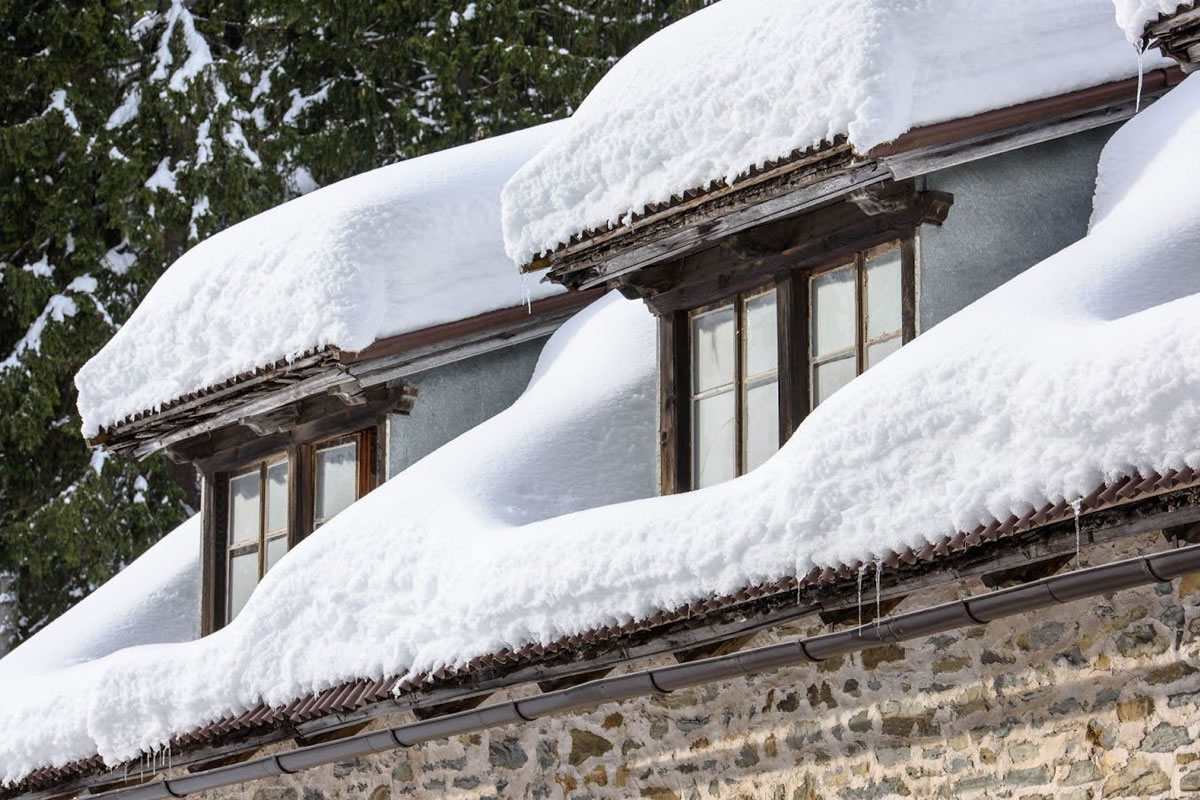
In winter, heat naturally rises from living spaces into the attic. If that heat cannot escape, it warms the underside of the roof. Snow on the roof begins to melt unevenly, even when outdoor temperatures are below freezing.
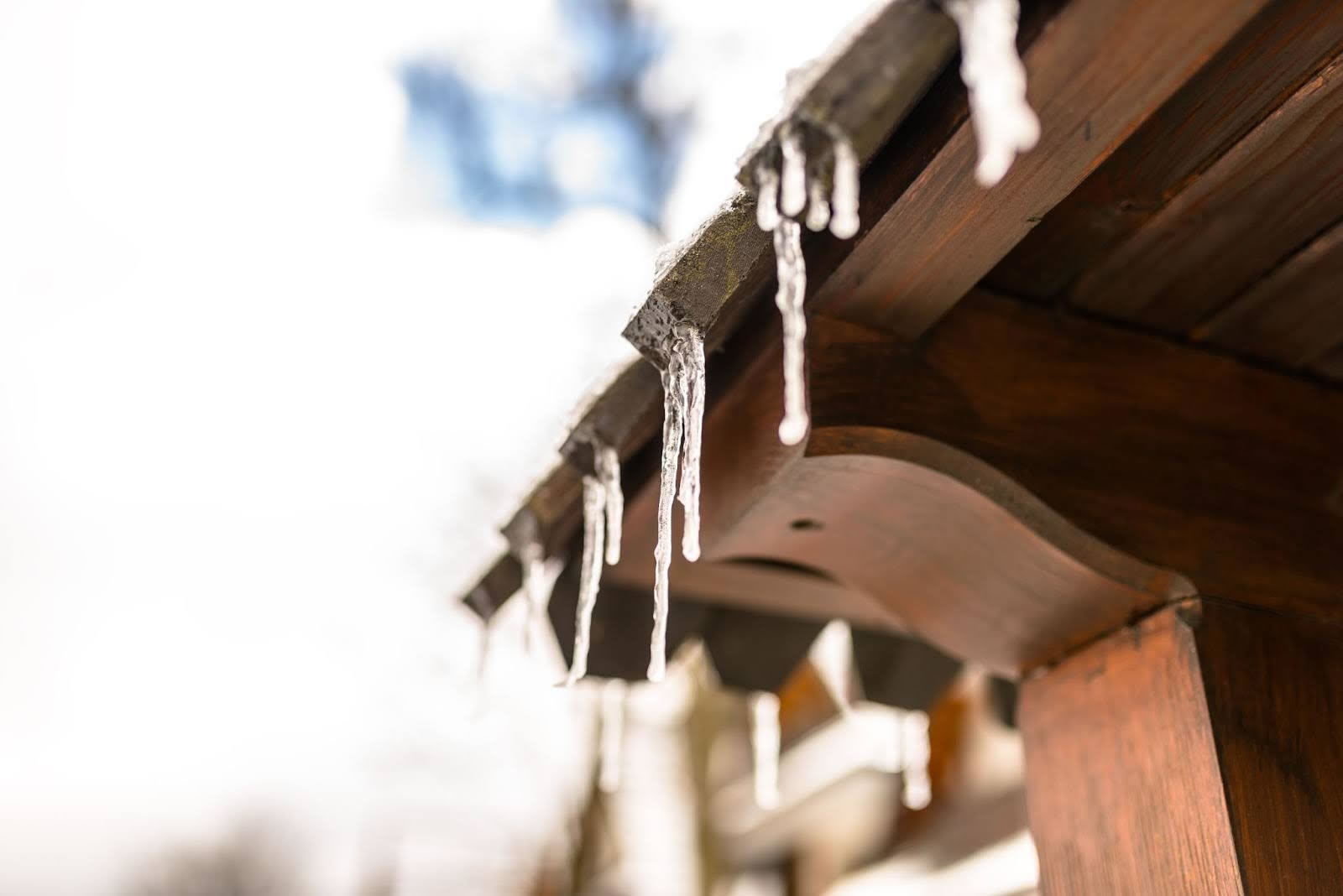
As melted snow runs down toward colder roof edges, it refreezes and forms ice. This cycle is one of the main causes of ice dams, which can trap water and force it under shingles.
Over time, this process can lead to:
- Ice dams along roof edges
- Moisture seeping into insulation
- Water stains on ceilings and walls
- Premature roof aging
This is why attic ventilation is directly connected to winter roof performance. If the damage becomes extensive, it may require more than a simple patch, potentially leading to a full residential roof replacement.
The Link Between Ventilation and Ice Dams
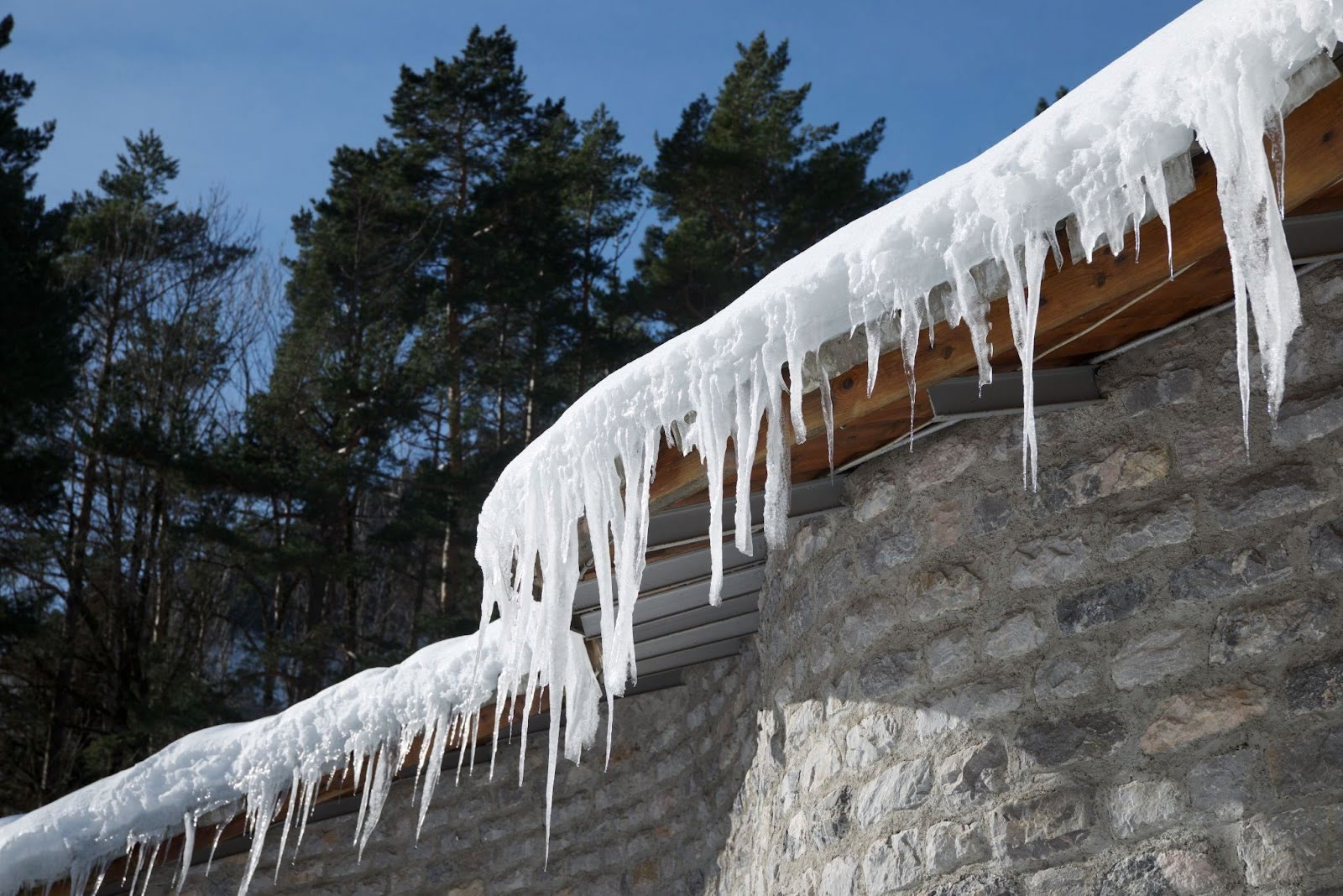
Ice dams are rarely caused by snow alone. In most cases, they are the result of warm air escaping into the attic and heating the roof surface unevenly.
Poor ventilation allows:
- Heat to build up under the roof
- Snow to melt prematurely
- Water to refreeze near the eaves
- Ice to block proper drainage
Once water becomes trapped, it can work its way beneath shingles and into the home. If you’re experiencing repeated ice buildup, our guide on ice dams and winter roof damage explains why this happens and how ventilation plays a key role.
Moisture Buildup: The Hidden Risk in Winter
Moisture is one of the most damaging elements for a home, especially in winter. Everyday activities such as cooking, showering, and heating the home release moisture into the air. Without proper ventilation, that moisture rises into the attic and condenses on cold surfaces.
Over time, this can lead to:
- Mold or mildew growth
- Wet or compressed insulation
- Reduced energy efficiency
- Wood rot and structural damage
Because this moisture buildup happens slowly, many homeowners don’t notice the problem until visible damage appears. Regular roofing services ensure that your vents remain clear and your underlayment is effectively protecting your home from internal condensation.
Signs Your Attic May Have Ventilation Issues
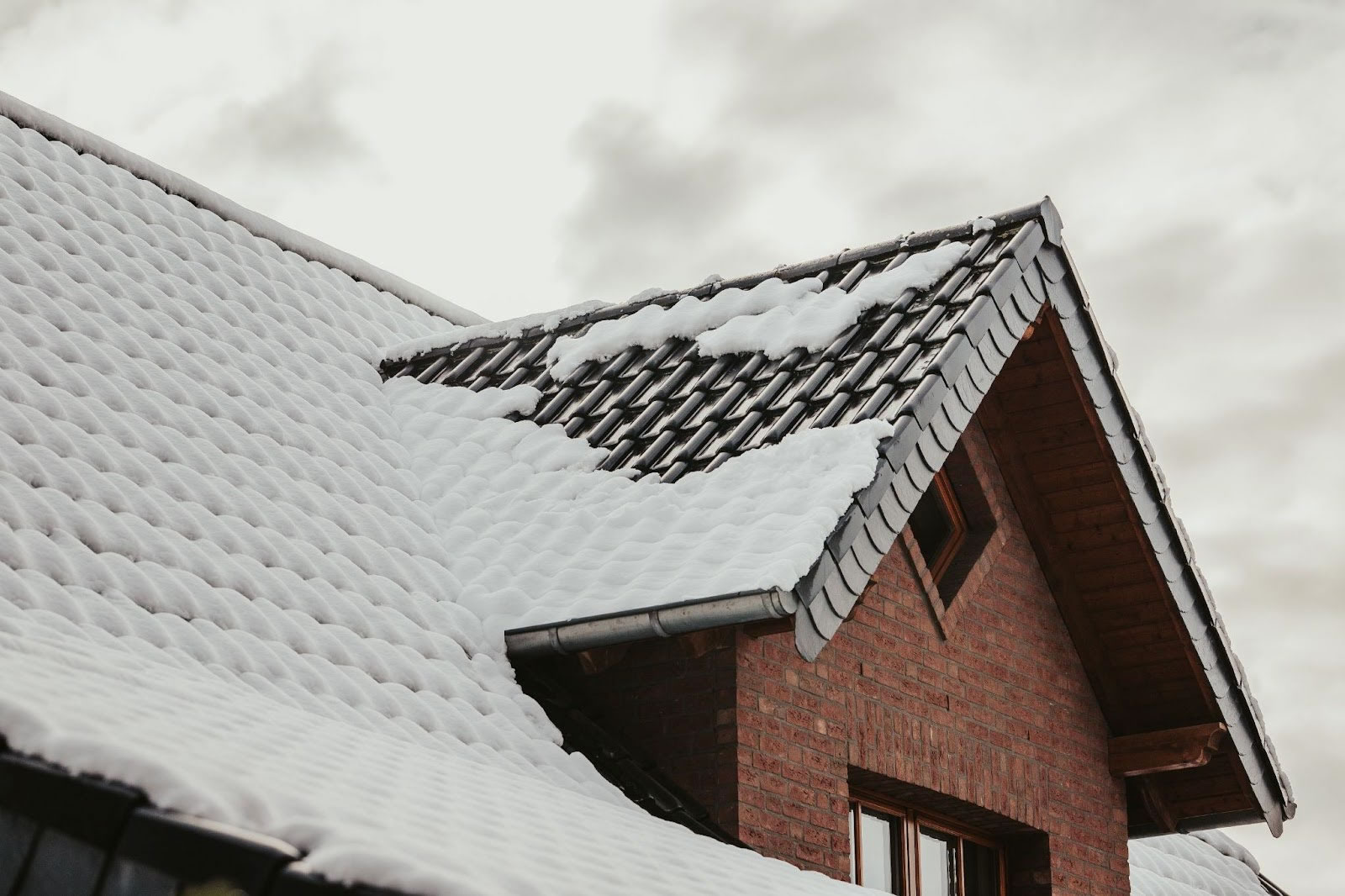
Ventilation problems aren’t always obvious, but there are warning signs homeowners can look for.
Common indicators include:
- Ice dams forming each winter
- Frost or moisture visible in the attic
- Uneven snow melt on the roof
- Higher heating bills
- Musty odors near ceiling areas
If these issues appear consistently, poor airflow may be contributing to the problem. In areas like Salt Lake City, where heavy lake-effect snow is common, these signs should be addressed immediately to avoid structural strain.
How Proper Ventilation Helps Prevent Winter Damage
Balanced attic ventilation helps keep roof temperatures consistent and reduces moisture buildup. When intake and exhaust vents work together, they allow warm, moist air to exit while drawing in cooler, drier air.
This helps:
- Prevent ice dam formation
- Protect insulation performance
- Reduce condensation
- Extend the life of roofing materials
Proper ventilation also supports other winter roof protections, such as effective insulation and gutter drainage. For a broader overview of how these systems work together, our complete winter roof maintenance guide explains how ventilation fits into overall roof protection.
The Role of Ventilation in Overall Winter Roof Care
Ventilation doesn’t work alone. It’s part of a larger system that includes insulation, roofing materials, and drainage.
When one part of that system fails, the others are affected. Poor ventilation often contributes to issues like snow buildup, freeze–thaw damage, and moisture intrusion. That’s why ventilation is a key topic in any complete winter roof maintenance plan.
For a broader overview of how these systems work together, our complete winter roof maintenance guide explains how ventilation fits into overall roof protection.
When to Have Your Attic and Roof Evaluated
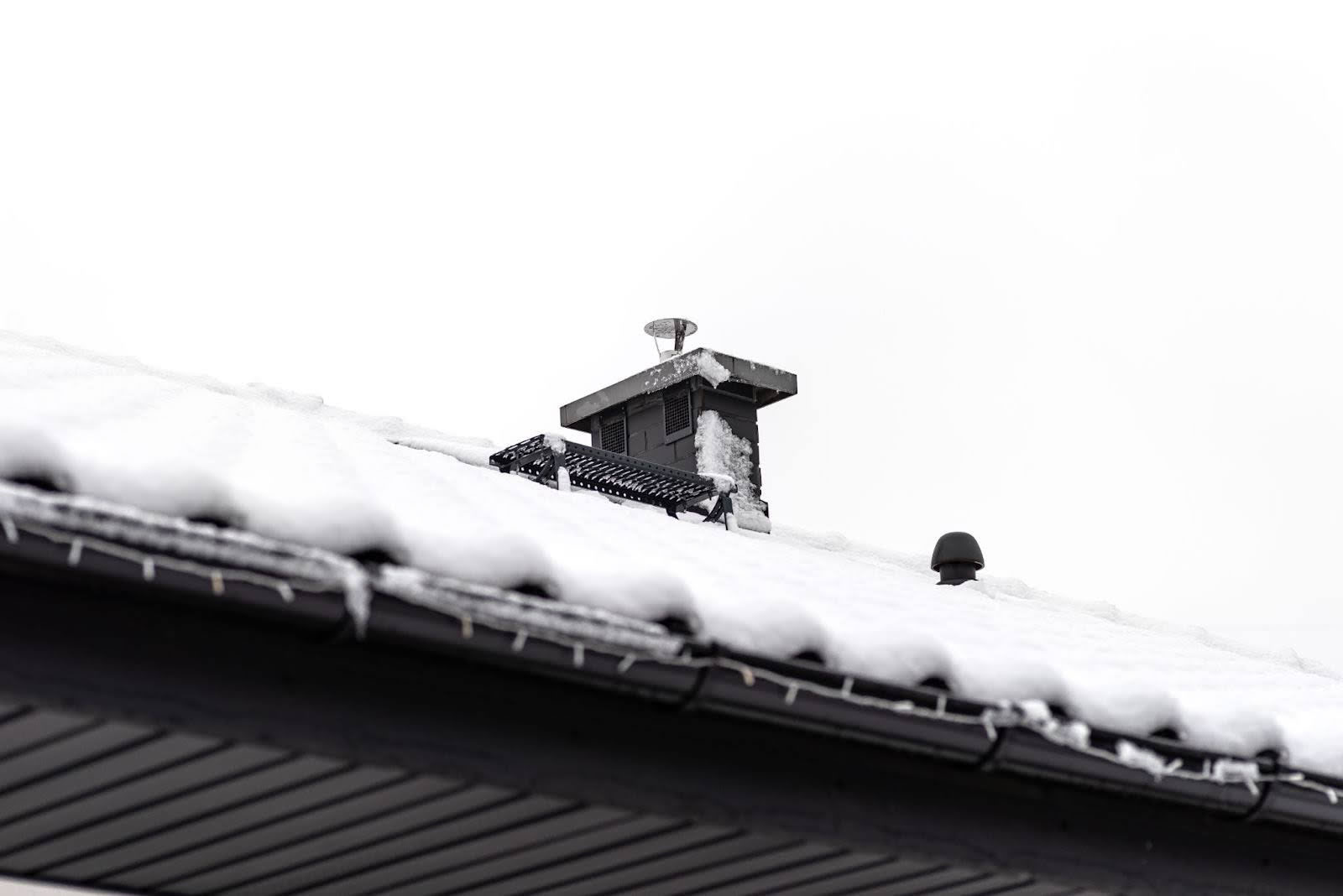
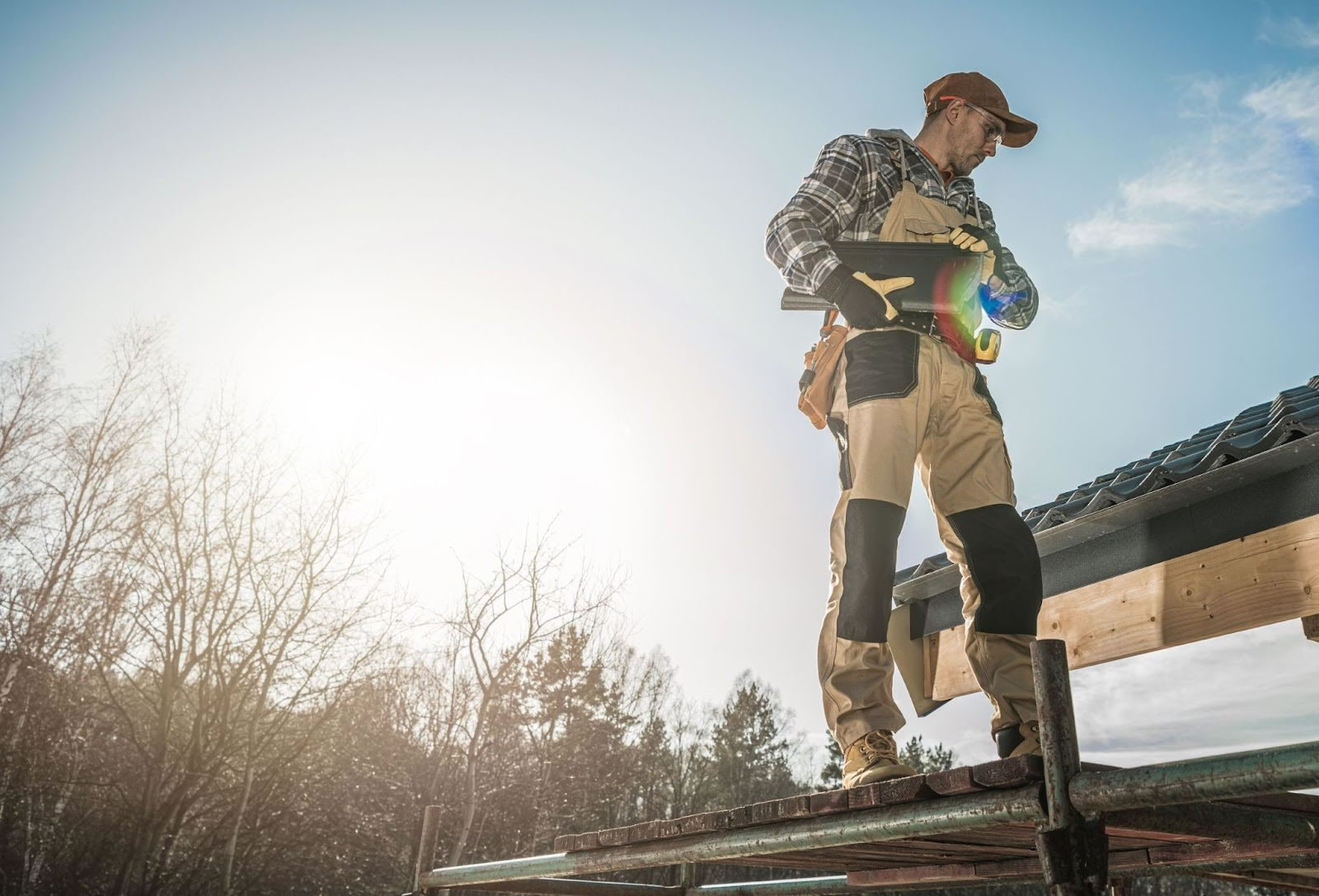
If winter problems keep returning year after year, it may be time to have your attic and roof evaluated together. A professional inspection can determine whether ventilation is adequate or if adjustments are needed.
You may want a professional opinion if:
- Ice dams form every winter
- You notice moisture in the attic
- Energy bills continue to rise
- Roof damage appears despite recent repairs
In these situations, a professional roof inspection can help identify airflow issues before they lead to more serious damage.
Ventilation Is Key to Winter Roof Protection
Attic ventilation plays a larger role in winter roof health than many homeowners realize. By controlling temperature and moisture, proper airflow helps prevent ice dams, reduces condensation, and protects roofing materials from long-term damage.
If your home struggles with winter roof issues, addressing ventilation is often one of the most effective long-term solutions. With the right airflow in place, your roof is better equipped to handle snow, ice, and fluctuating temperatures throughout the season. Schedule a free roof inspection today!