
Winter roof leaks often catch homeowners off guard. Unlike summer leaks caused by heavy rain, winter leaks usually develop slowly and aren’t always easy to spot right away. In many cases, the damage is already underway before any visible signs appear inside the home.
Understanding why winter roof leaks happen, how to recognize early warning signs, and what steps can help prevent them can make a significant difference in protecting your home during colder months. This guide explains the most common causes of winter roof leaks and what homeowners should know before small issues turn into larger repairs.
Why Roof Leaks Are Common in Winter
Winter creates a unique set of conditions that put stress on roofing systems. Snow, ice, freezing temperatures, and fluctuating weather all contribute to leaks in ways that don’t usually occur during other seasons.
Common winter-related causes of roof leaks include:
- Snow melting and refreezing on the roof
- Ice dams blocking proper drainage
- Condensation forming inside the attic
- Cracked or loosened shingles
- Compromised flashing around vents and chimneys
Unlike summer storms, winter leaks often result from gradual moisture buildup rather than sudden water entry. If you notice water entry around your chimney or pipes, you may specifically need vent repair to reseal those vulnerable penetration points.
How Ice Dams Lead to Roof Leaks
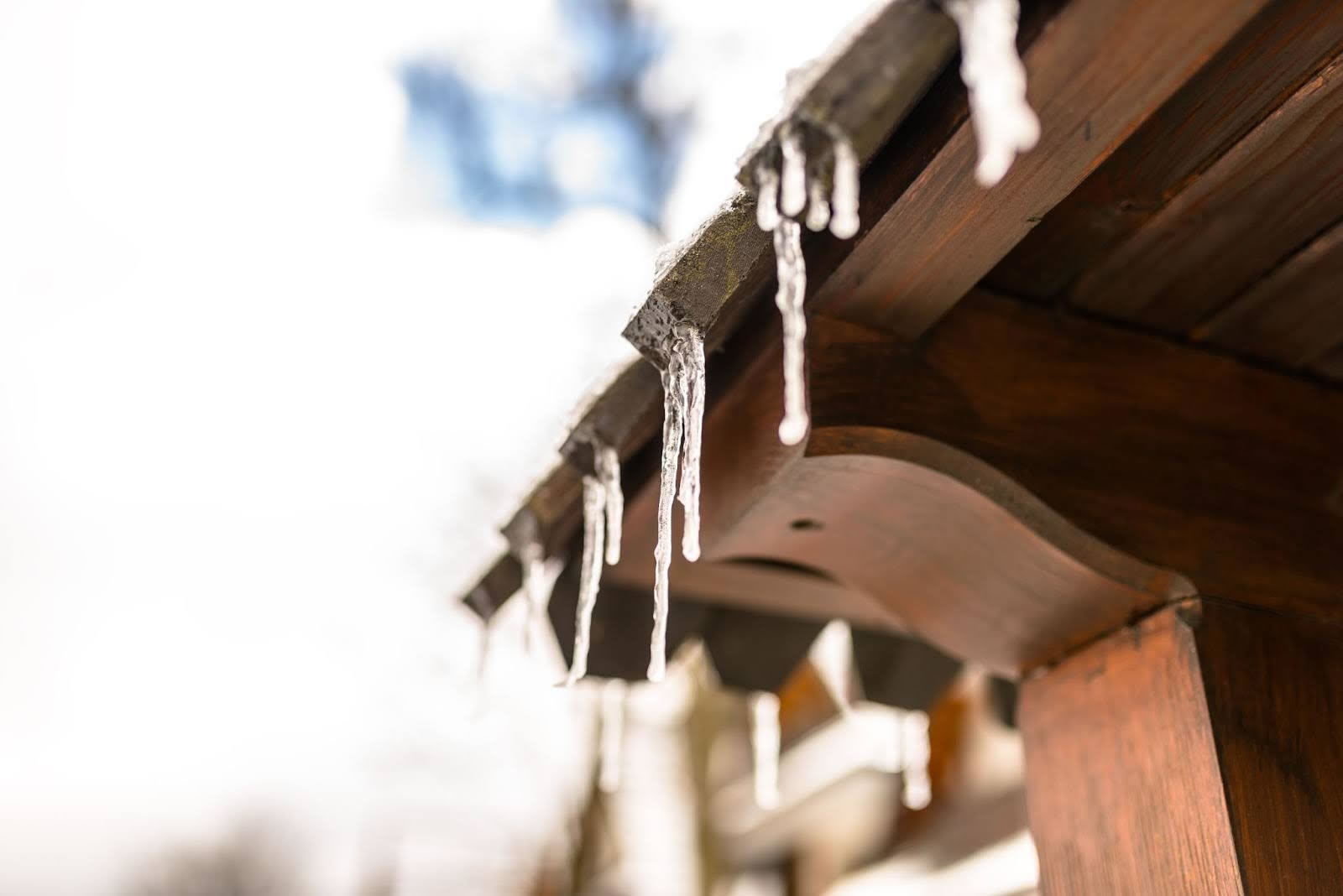
Ice dams are one of the most frequent causes of winter roof leaks. They form when warm air in the attic melts snow on the roof, which then refreezes near the roof’s edge.
As ice builds up, it traps water behind it. That water can seep beneath shingles and into the roof deck, eventually making its way into ceilings and walls.
If you’ve noticed recurring leaks during freezing weather, our guide on ice dams and winter roof damage explains how this process starts and why it’s so damaging over time.
What Winter Roof Leaks Usually Look Like
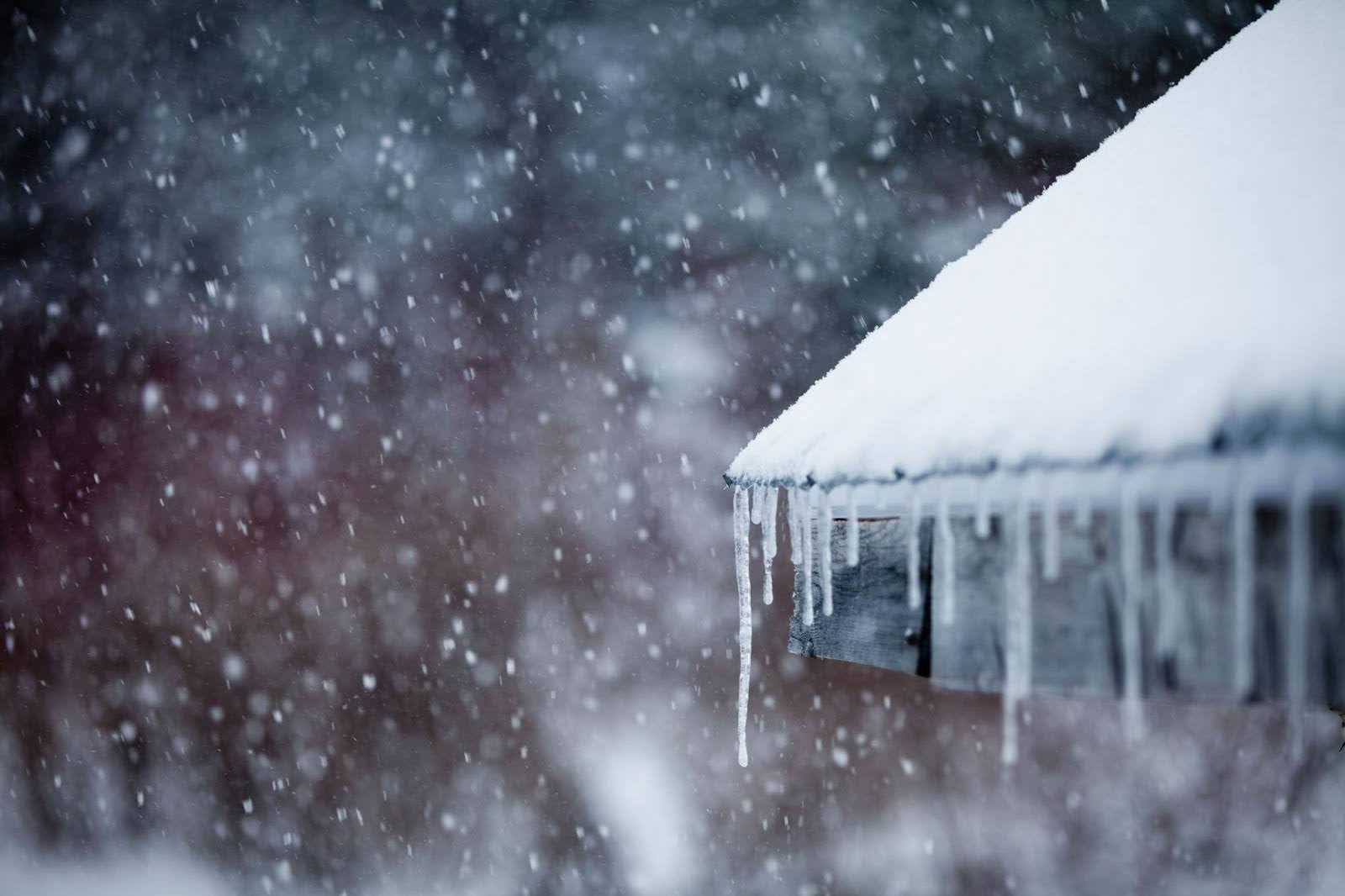
Winter roof leaks don’t always appear as dripping water. In many cases, the signs are more subtle and develop slowly.
Common warning signs include:
- Water stains on ceilings or walls
- Peeling or bubbling paint
- Damp insulation in the attic
- Musty odors near ceilings
- Dripping that occurs during thawing periods
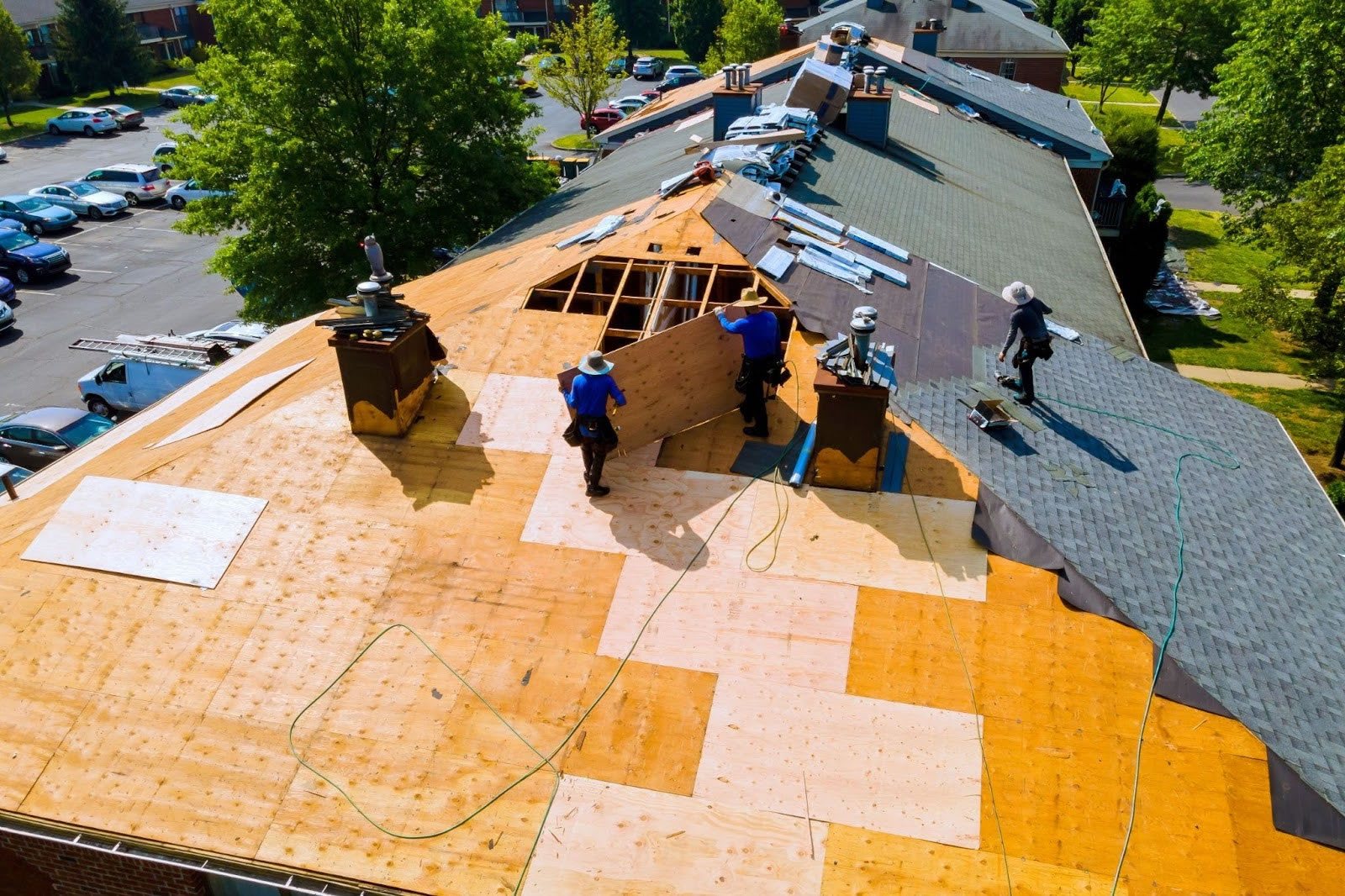
Because these leaks often appear only when snow begins to melt, they can be difficult to trace without a closer inspection. If you spot these signs, it is critical to act quickly. Ignoring a leak can lead to the need for a full roof replacement if the underlying decking rots over the winter.
Why Attic Moisture Plays a Major Role
Not all winter leaks come from outside the roof. In many homes, moisture buildup inside the attic is a major contributor.
Warm air from living spaces rises and carries moisture with it. When that air reaches cold attic surfaces, condensation forms. Over time, this moisture can soak insulation, weaken wood, and create conditions that resemble an active roof leak. Ensuring you have high-quality asphalt shingles and a breathable underlayment can help mitigate some of these temperature variances.
Proper airflow helps regulate temperature and moisture levels. Our article on why attic ventilation matters most in winter explains how ventilation helps prevent condensation-related leaks.
Common Areas Where Winter Leaks Start
Certain areas of the roof are more prone to winter leaks than others. These include:
- Roof valleys where snow collects
- Flashing around chimneys and vents
- Skylight edges
- Eaves and roof overhangs
- Areas with previous repairs
These spots experience more temperature fluctuation and water exposure, making them more vulnerable during freezing conditions. Comprehensive roofing services can help reinforce these “weak links” with ice and water shields.
How to Tell If a Leak Needs Professional Attention
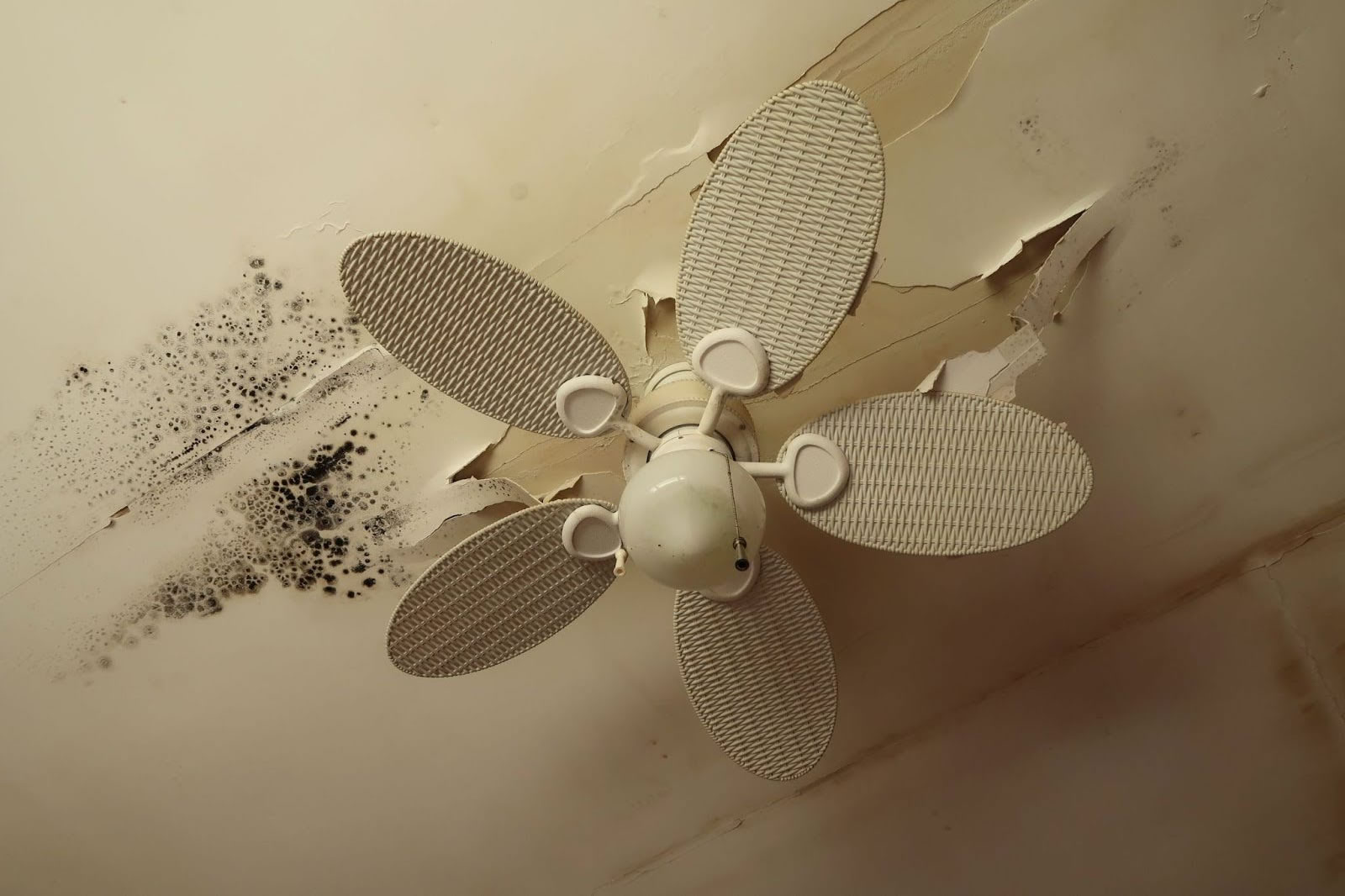
Some winter leaks may stop temporarily when temperatures drop again, but that doesn’t mean the issue is resolved. Ongoing moisture can cause hidden damage even when water isn’t actively dripping.
You should consider professional help if:
- Leaks appear repeatedly each winter
- Water stains continue to spread
- Ice dams form regularly
- You notice mold or musty odors
- Insulation appears wet or compressed
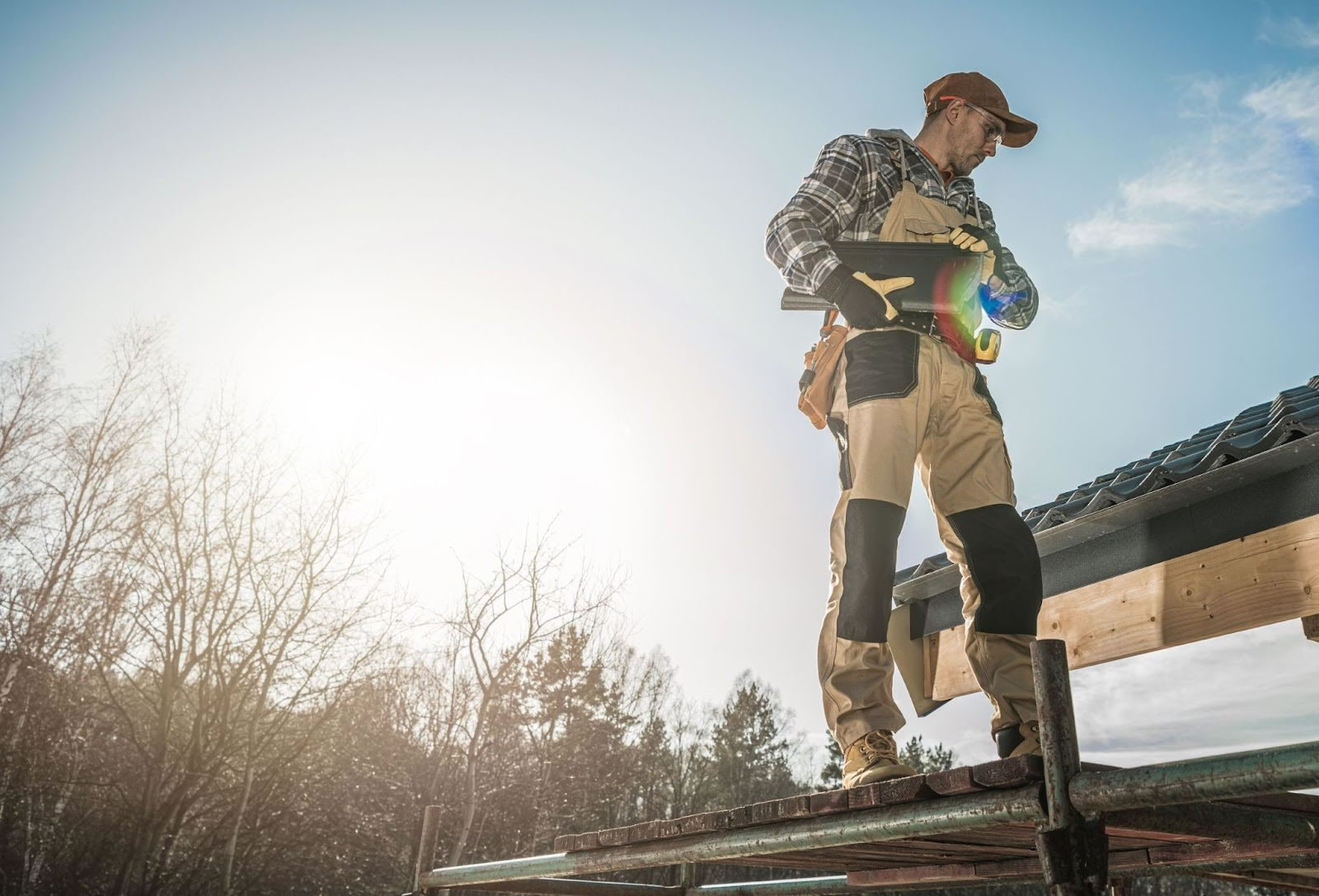
In these situations, a digital roof inspection can help identify the exact source of the leak. For residents in specific areas like Alpine, local weather patterns make these inspections even more vital before the heavy snow hits.
Preventing Winter Roof Leaks Before They Start
While not all winter leaks can be avoided, many can be prevented with proper preparation.
Helpful preventive steps include:
- Ensuring proper attic insulation
- Maintaining balanced attic ventilation
- Keeping gutters clear before winter
- Addressing small roof issues early
- Monitoring snow buildup after storms
In these situations, a digital roof inspection can help identify the exact source of the leak and prevent further damage to your home’s interior.
How Winter Roof Leaks Fit Into Overall Roof Maintenance
Winter roof leaks are often connected to broader roofing issues such as poor ventilation, ice dams, or aging materials. Addressing leaks early helps protect the roof system as a whole and reduces the risk of long-term damage.
For a more complete look at how winter affects roofing systems, our complete winter roof maintenance guide explains how leaks, ventilation, and snow load are all connected.
Addressing Leaks Early Protects Your Home
Winter roof leaks rarely resolve on their own. They tend to worsen as freeze–thaw cycles continue, and moisture builds up over time. Recognizing the signs early and understanding what causes these leaks allows homeowners to take action before damage spreads. If winter leaks are a recurring issue or if you’re unsure what’s causing moisture inside your home, having a roof inspection can help identify the problem and prevent costly repairs later on.