
The Best Type of Roof for Utah: What Homeowners Need to Know
Introduction
“If you don’t like the weather in Utah, wait five minutes.” Most people who live here have heard some version of that saying. Unfortunately, Utah’s unpredictable climate is no joke when it comes to roofing.
Snow, hail, high winds, intense sun, and wide temperature swings all take a toll on homes. Choosing the best type of roof for Utah isn’t about looks alone. Your roof needs to handle extreme conditions year after year.
If you’re building a home or planning a roof replacement, your roof is your first line of defense. It doesn’t just need to survive Utah weather. It needs to work against it. This guide explains the key design choices, materials, and systems that help roofs last longer in Utah’s climate.
Roof Design Matters in Utah
Most homeowners don’t choose a house because of the roof design. However, roof shape plays a major role in how well your home handles snow, rain, and wind.
When evaluating roof performance in Utah, design features like pitch, overhangs, and roofline complexity matter just as much as materials.
Roof Pitch
Roof pitch refers to how steep your roof is. Steeper roofs shed water and snow faster, which reduces the chance of leaks and structural stress.
Flat roofs are popular in modern architecture, but they require careful drainage design. Without slope, water and snow linger longer. Over time, that exposure increases wear from UV radiation and moisture.
Snow load is another concern. Heavy, wet snow is common in late winter and early spring. Flatter roofs collect more snow, which increases the risk of sagging or structural failure if the framing is not strong enough.
Overhangs
Overhangs are the portion of the roof that extends beyond the exterior walls. While aesthetics matter, overhangs play a key role in protecting your home.
They help push water away from siding and foundations. Overhangs also block high summer sun, which can reduce cooling costs and protect exterior materials.
Roofline Simplicity
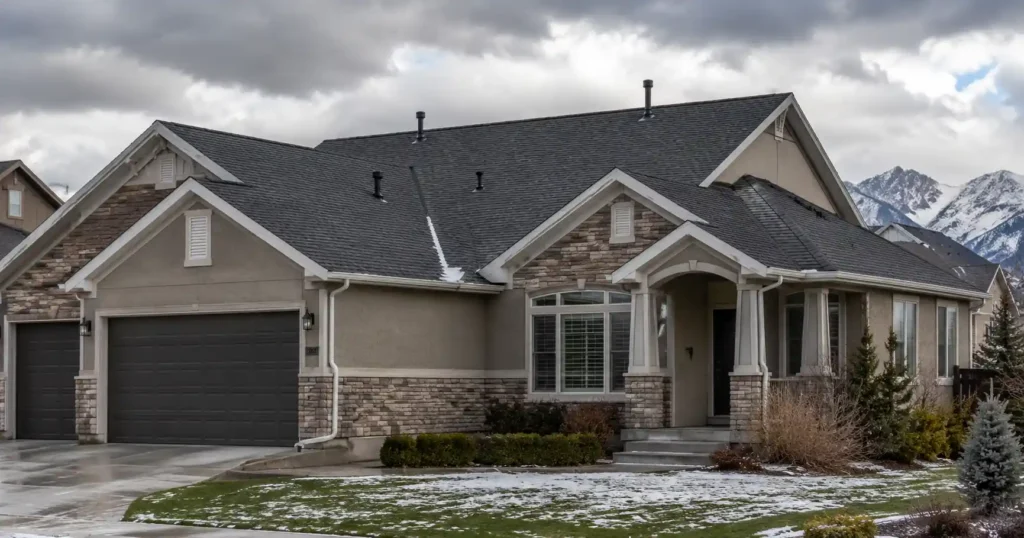
Complex rooflines look interesting, but they introduce more valleys and intersections. These areas collect water and snow and are common failure points.
Simpler roof designs tend to last longer and cost less to repair. Fewer intersections mean fewer opportunities for leaks.
Roofing Materials for Utah Homes
Choosing the right materials is critical when deciding on the best type of roof for Utah. Roofing systems must handle heat, cold, moisture, and wind without breaking down.
Every roof includes four core components: framing, sheathing, a moisture barrier, and a finishing material. Each part must work together to protect the home.
Structural Framing and Sheathing
Roof framing supports the weight of the roof, snow loads, and wind forces. Older homes may have lighter framing that limits material choices.
Sheathing, typically OSB or plywood, ties the roof structure together and provides a base for shingles or panels. Water intrusion can weaken sheathing over time, especially if older homes have gaps or outdated materials.
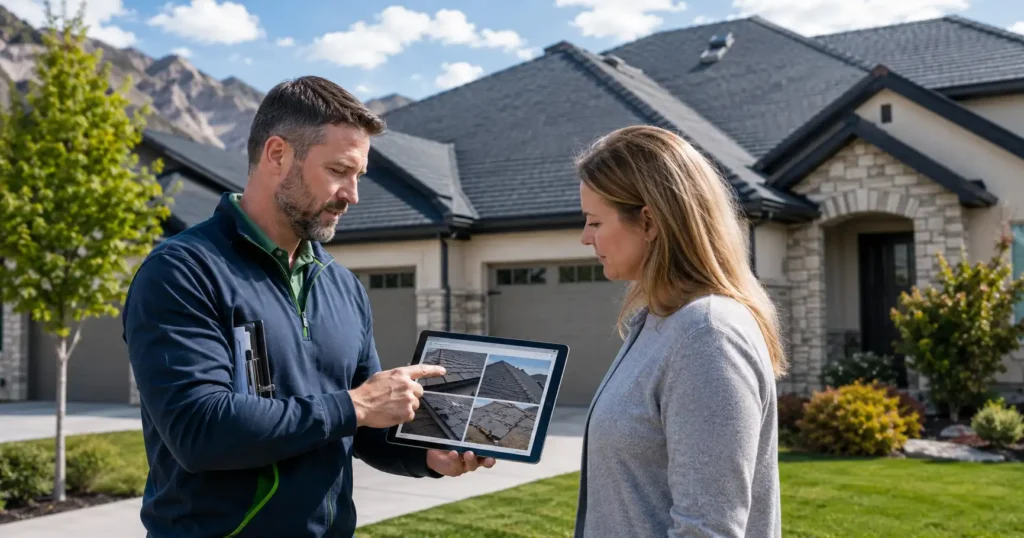
Before replacing a roof, a professional inspection helps ensure the structure meets current building codes and can support the chosen materials.
Moisture and Vapor Barriers
Vapor barriers allow airflow while preventing liquid water from entering the structure. They help materials dry out and reduce rot or mold.
Most roofs use underlayment or specialized membranes to control moisture. Proper installation is essential for long-term performance.
Roofing Finish Materials
Asphalt shingles remain the most common roofing material in Utah due to cost and availability. They perform well when installed correctly.
Tile and slate roofs handle heat and moisture well, but slate is heavy and may not be suitable for all structures. Weight limits should always be considered.
Metal roofing continues to grow in popularity. Metal roofs are lightweight, durable, and shed snow efficiently. They also perform well in both hot summers and cold winters.
Each material has tradeoffs. The best choice depends on budget, structure, and long-term goals.
If you’re exploring options, our roofing materials guide explains the differences in more detail.
Insulation and Ventilation
Heat loss through the roof is a major issue in Utah homes. Poor insulation leads to higher energy bills and increased moisture problems.
Proper insulation keeps homes warmer in winter and cooler in summer. It also reduces condensation that can damage framing and sheathing.
Attic Ventilation
Ventilation allows moisture and heat to escape from attic spaces. Most modern roofs use intake vents at the eaves and exhaust vents near the ridge.
This airflow helps materials dry and prevents condensation buildup that can lead to mold or rot.
Hot Roof Systems
Hot roofing systems eliminate ventilation by sealing insulation directly to the underside of the roof deck. Spray foam is commonly used.
While allowed by code, hot roofs require compatible materials. Some asphalt shingles fail faster when used without ventilation. Metal and slate handle hot roofs better.
Always confirm material compatibility before choosing this approach.
Gutters and Ice Dam Prevention
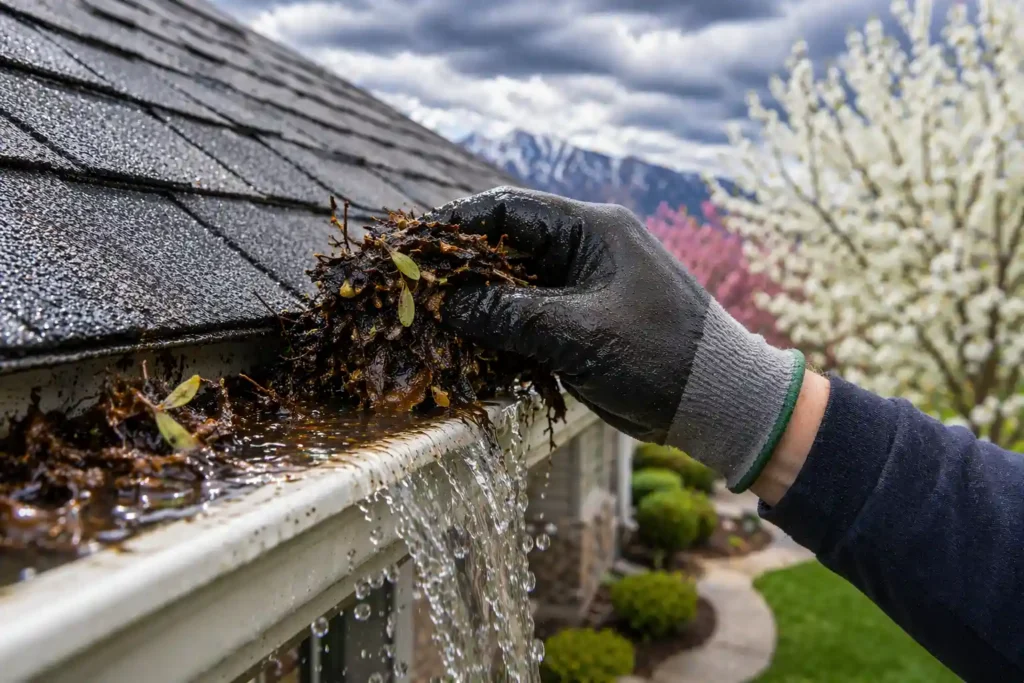
Gutters direct water away from the foundation. Without them, water collects near the home and causes structural issues.
Metal gutters outperform vinyl in Utah’s climate. Seamless gutters reduce leaks and require less maintenance.
Ice Dams
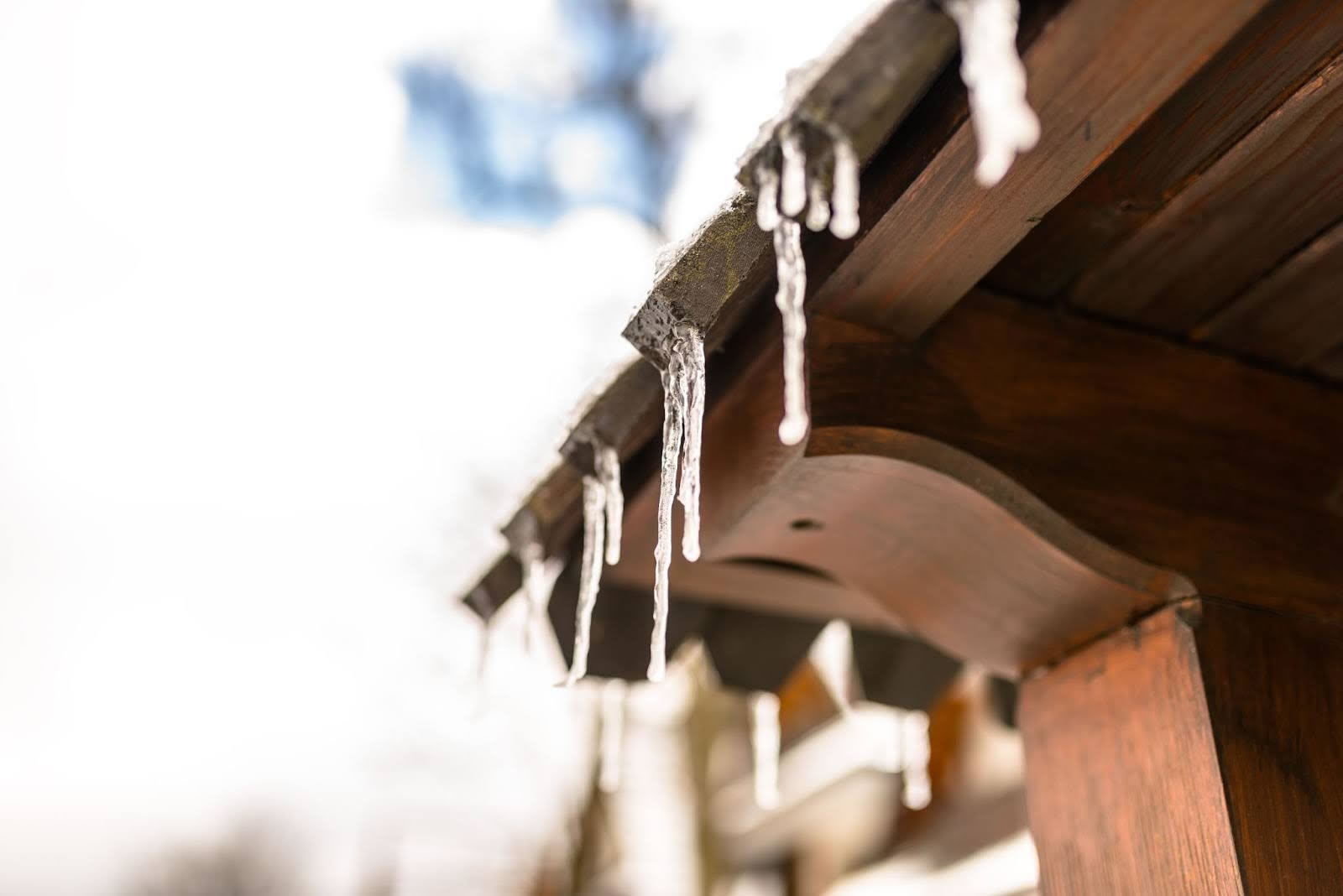
Ice dams form when snow melts and refreezes along the roof edge. They block drainage and force water under shingles.
Proper insulation and ventilation reduce ice dam risk. Heating cables can help in severe cases, but they increase energy use.
Preventing ice dams is far cheaper than repairing water damage.
Learn more in our ice dam prevention guide.
Flashing and Roof Penetrations
Flashing seals areas where the roof surface is interrupted, such as chimneys, vents, and skylights.
Most roof leaks start at flashing failures. Metal flashing installed correctly under shingles protects vulnerable areas.
Skylights and chimneys are common leak sources due to movement, freeze-thaw cycles, and sealant failure. Proper flashing is critical during installation.
If flashing fails, repairs must happen from the exterior. Interior fixes are temporary at best.
Next Steps
Utah roofs endure extreme conditions year after year. Choosing the right design, materials, and systems now can prevent major expenses later.
Understanding your roof helps you make smarter decisions, whether you’re buying a home or planning a replacement.
If you want a professional opinion, schedule a free roof inspection with CTI Roofing before problems grow.