Introduction
No matter where you live, periods of severe weather can strike from season to season. When weather takes a turn for the worst, your first priority should be keeping your family safe and secure.
While safety is paramount in the moment, many homeowners feel overwhelmed thinking about where they’ll live and how to file an insurance claim for roof damage. With proper planning and preparation, you can handle natural disasters confidently—knowing you have a plan for protecting your home and getting your insurance claim processed quickly.
When Natural Disasters Strike Your Roof
When natural disasters happen, or when extreme weather strikes (like hailstorms), your roof takes the first hit. Even when your home appears spared from the worst damage, hidden problems could be lurking beneath your shingles or small leaks forming that can cause serious issues if left unaddressed.
Regardless of damage extent, you need a plan to get your insurance claim for roof damage processed quickly so repairs can begin. The last thing you want after a natural disaster is endless insurance paperwork and waiting games. The longer your insurance claim is delayed, the longer you wait to hire a contractor—which can mean extended displacement from your home.
Planning ahead doesn’t have to feel overwhelming. This guide explains what you need to know to recoup home damage costs from your insurance company efficiently and effectively.
Filing Your Insurance Claim: Before The Storm
We’re fortunate to live in an era when storms can be tracked days in advance. Weather forecasting gives us insight into storm timing and intensity—a significant advantage when dealing with insurance claims for roof damage.
While forecasting systems aren’t perfect, having advance notice that severe weather is approaching makes a major difference. When weather reports call for dangerous conditions, take action early. Preparedness is 90 percent of the battle, especially regarding weather-related damage.
Contact Your Insurance Company Early
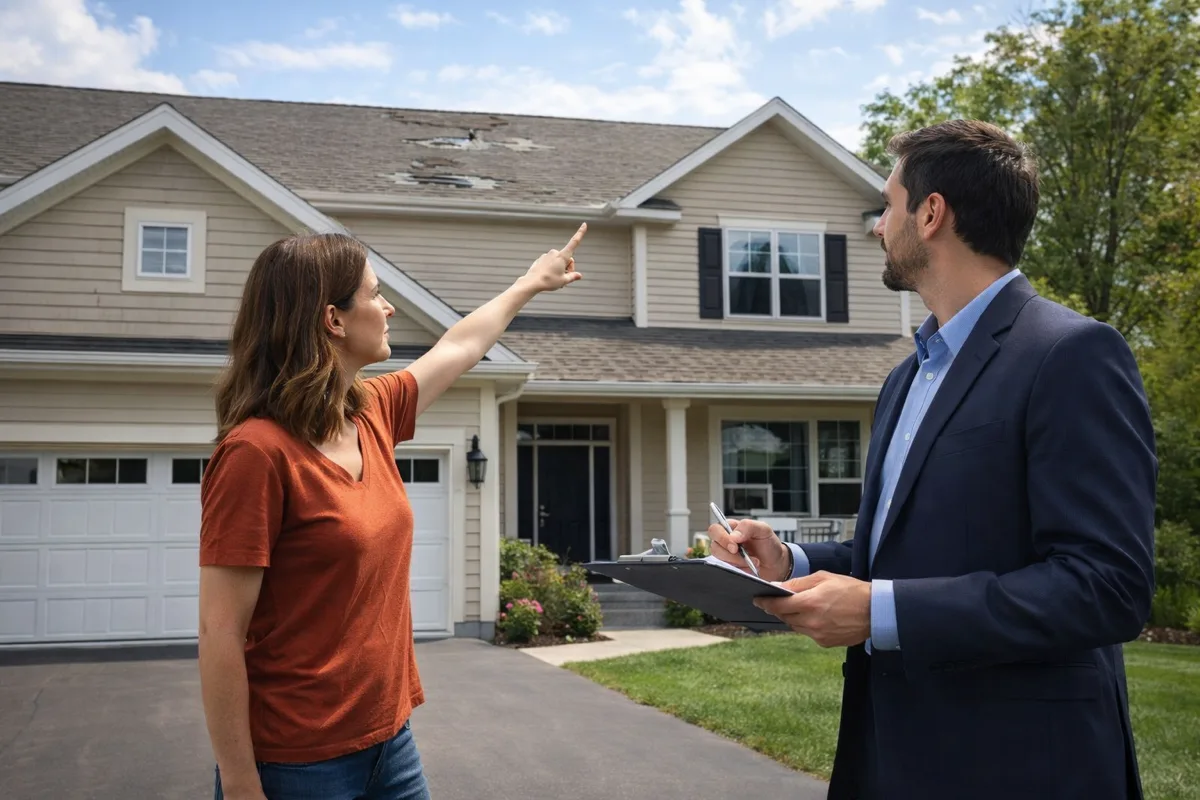
Most homeowners don’t realize you can contact an insurance adjuster before a storm hits. Local adjusters watch the same weather reports and can provide valuable advice. At minimum, they’ll recommend taking photos of your roof and home beforehand for comparison purposes after the storm.
They may even come assess your property before any weather occurs. When this happens, be present and document everything they say to facilitate smoother insurance transactions should your roof sustain storm damage.
When they can’t visit before the storm, schedule an appointment for the earliest possible time afterward. Should the storm end up less intense or miss your area entirely, simply cancel. It’s better to have an appointment scheduled and not need it than need one and face long delays.
By calling early, you’re following the “first come, first served” principle most insurance companies operate on. This improves your chances of quick claim processing and clarifies what the insurance company needs, their limitations, and how you can expedite the process.
Taking Pre-Storm Documentation Photos
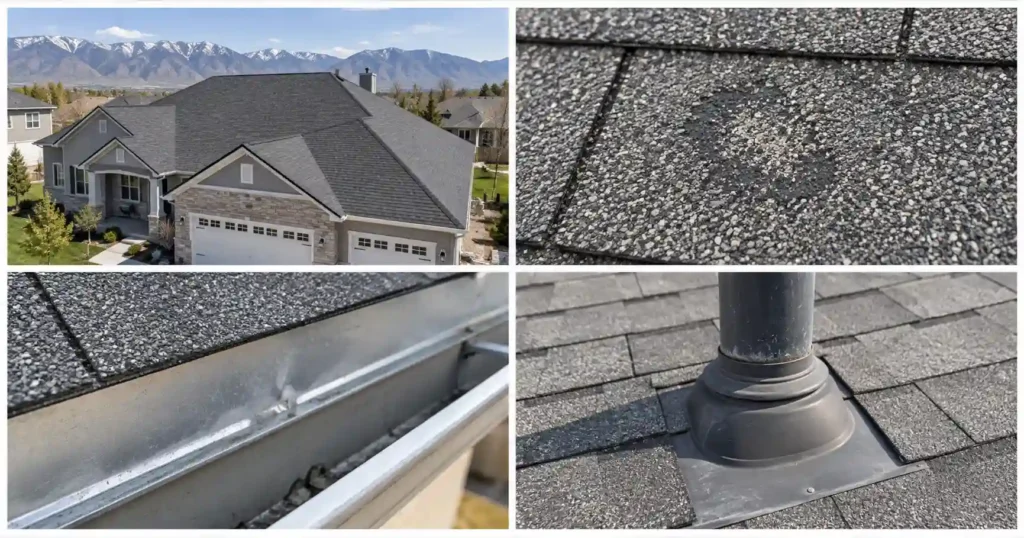
Regardless of adjuster timing, take comprehensive photos. Capture your roof from various angles showing the entire structure before and after. Use the same vantage points for easy comparison. Photograph roof junctures, lifted shingles, fascia, gutters, and any penetrations like vents. Areas most vulnerable over time will be hardest hit during severe weather.
Also photograph anything potentially problematic. When trees hang over your roof or gutters, capture their angle, size, and position. Many homeowners underestimate tree weight and potential destruction until one falls on their house. This documentation also helps if you need to remove major limbs before an adjuster arrives.
Understanding What Insurance Adjusters Need
After you’ve contacted an adjuster beforehand, ask what level of cleanup is acceptable before their visit. Some adjusters want nothing touched; others accept photographic evidence. Clarifying this is critical—if a tree falls on your house, you’ll know what you can or can’t do to maximize your insurance claim for roof damage.
Document your roof in every way possible. Use drones for video and snapshots if available. Should you be able to safely access your roof to photograph or note damage, do so (taking every safety precaution). There’s no such thing as too much evidence for insurance claims. Your due diligence could significantly impact your payout if severe weather damages your home.
As a side note, clear gutters and adjust downspouts before storms hit. While this doesn’t directly help your insurance case, it helps prevent water damage and reduces problems caused by natural disasters. For more seasonal preparation strategies, check out our complete winter roof maintenance guide.
Document Roof Damage During The Storm
Once a storm begins, you can’t prevent damage to your house. However, you can document everything. Storms can be unpredictable, dumping heavy rain and large hail in one spot while gently passing over others. When safe, take video or photos from inside your home showing weather severity. These supplement your before-and-after shots for your insurance claim for roof damage. The more you demonstrate storm severity and intensity, the easier backing up damage claims becomes.
Your safety is the absolute first priority. Roofs and houses can be replaced; people cannot. During serious weather like tornadoes or hurricanes, stay in a safe location. Never risk life and limb for insurance photos—it’s simply not worth it. However, if you can safely capture significant damage as it happens, that’s beneficial.
Documenting Active Leaks
Should a roof leak appear during the storm, document it from inside. Don’t recreate water pouring into your house for demonstration purposes. Taking phone video while water actively penetrates your roof helps your claim. Similarly, if you can safely access your attic during a storm, check that everything is holding up. Your roof might look fine from outside on sunny days, but future leaks could hide in your attic and not manifest for extended periods until events like natural disasters occur.
When the storm passes without significant damage, call to cancel your appointment. Storms are unpredictable, and freeing up adjuster time for severely damaged properties is appropriate. Even without visible major damage, having a professional inspection may prove worthwhile. They might spot potential issues or damage from previous storms you can still file claims for. Winter storms in particular can cause subtle damage that compounds over time—our guide on preventing ice dams explains common cold-weather roof vulnerabilities.
Filing Your Insurance Claim After The Storm
After severe weather passes, the real work begins. When you’ve scheduled your appointment, that’s one item checked off, but you’re not finished. Should you not have arranged an adjuster meeting yet, do that before anything else. Don’t be surprised by busy signals or voicemail—they’ll be swamped with calls after severe storms.
When you can’t reach someone immediately, keep trying until your appointment time and date are confirmed. They’re unlikely to call back given their workload, so persistently calling is necessary. Ensure you’re on their schedule and someone will assess your property damage. Delaying this step prolongs claim processing and may allow additional damage to your roof and house.
Document Everything Before Cleanup
Before touching anything inside or outside your home, take photos. Insurance adjusters want to see damage before anything gets moved or cleaned. Ideally, they’d arrive before major work like tree removal, but sometimes it can’t wait. When drastic action is necessary to save your home, document everything thoroughly, including cleanup. Save all receipts from this cleanup period—you may be eligible for reimbursement.
For houses with minor damage but nothing threatening, leave everything until an adjuster examines the property. Still take photos for your records, and marginal yard cleanup is acceptable, but don’t spend money until insurance approval.
Handling Severe Damage Situations
Should your house or roof sustain severe damage, contact your insurance agent before taking action. At minimum, leave a message about actions you’re taking while waiting. It’s understandable not wanting to wait before removing precarious items from your roof that could cause additional damage. Document everything meticulously because certain agencies won’t pay out if you took matters into your own hands without proper procedure. This may seem excessive, but depending on your insurance company, thorough preparation to defend your claim is essential.
For particularly severe weather events, general storm records and initial photographs often suffice for insurance companies. Sometimes adjusters take your word and simply request pre-storm photos. This might save considerable time, but don’t expect this outcome—corporate insurance offices typically follow standard operating procedures for checking and filing claims. Don’t take this personally or as distrust; they must protect their business and ensure claims aren’t fraudulent, regardless of how obvious they seem. When you’re unsure whether damage warrants repair or full replacement, our article on when to repair or replace your roof can help you understand what to expect.
Working With Insurance Adjusters on Roof Damage Claims
Dealing with adjusters and insurance systems can be frustrating and time-consuming, especially without personal connections or proper preparation. Hopefully your insurance is cooperative and processes payment quickly. That’s their purpose, after all. Regardless of insurance company quality, we have tips for smooth progress and ensuring best outcomes.
Meeting With Your Insurance Adjuster
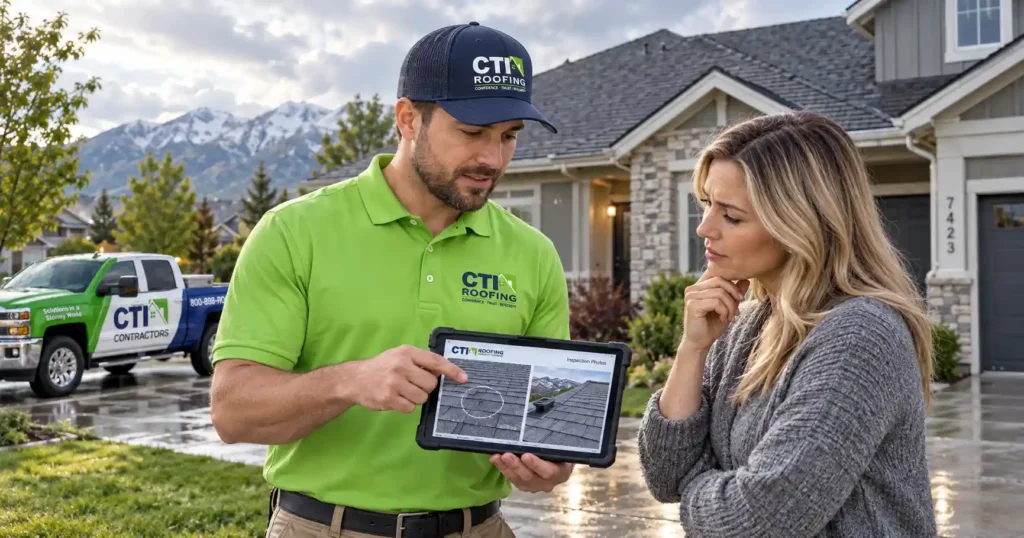
When the adjuster arrives, show photos taken before the storm and any videos or photos from during the storm. This helps them gauge weather severity at your location. Ask questions freely and document everything in writing or request permission to record conversations. There’s no such thing as excessive documentation with insurance. Record all meeting details—time, date, name, and contact information at minimum. Avoid ‘he said, she said’ scenarios entirely.
What To Do If You’re Displaced From Your Home
Should your house or roof sustain serious storm damage and be deemed uninhabitable until repaired, you’ll need alternative arrangements. Insurance companies don’t want anyone injured on your property. When displaced for extended periods, keep receipts—many are likely eligible for reimbursement. Ask the insurance company in advance for recommended accommodations more likely to be reimbursed or if daily rental allowances exist during home repairs.
Getting a Second Opinion on Roof Damage
Throughout the claims process, trust your instincts. When something feels wrong about the insurance company or adjuster, know that other options exist. You can request a second adjuster from the insurance company. You also have the right to call an independent adjuster. The National Association of Public Insurance Adjusters specializes in second opinions for homeowners who feel shortchanged by insurance companies. You’ll pay for this appointment, but the small cost now could be worth thousands when dealing with insurance later.
Documentation remains your best friend—record everything possible. Independent adjusters more likely advocate for you since they’re not trying to save company money. They’ll likely send analysis and findings you can use to strengthen your insurance claim for roof damage. When you’ve had past insurance company difficulties, arrange independent adjuster meetings from the start. You may spend unnecessary money, but you’ll have peace of mind knowing a third party views your situation objectively.
The more upfront work you do, the more money you’ll save or receive in payouts, with less worry. When severe weather happens, money shouldn’t be your highest concern.
Your role involves maintaining near-constant communication with insurance companies. The more you follow up, the more likely they’ll process your claim promptly. You don’t need to be annoying, but establishing regular, frequent communication keeps you top of mind. We can’t stress this enough: document every conversation—when it occurred and what was said. You’ll never regret it. Documentation makes adjusters’ jobs easier, which matters given their workload. Should making it your responsibility to keep them honest be necessary, do it. It’s your home, after all. For extensive storm damage requiring emergency services, review our storm damage restoration process.
Getting Your Insurance Claim Roof Damage Work Completed
When communicating with your insurance company, ask about their contractor policy. They may have preferred contractor lists, likely because it saves them money. While this can be standard practice, it doesn’t always guarantee best quality.
Choosing the Right Contractor
Should your insurance company have preferred vendors, get the list and research thoroughly. We’ve written extensively about finding the right contractor—check our guide on hiring a roofing contractor for what to look for. Apply this advice to insurance company contractor lists. None of these contractors may meet your standards. When so, inquire about their cash payout policy for work by outside companies. You might see significant payout reduction using outside contractors, but it could be worthwhile.
We’re not dictating right or wrong approaches to roof repairs, but understand what you’re willing to pay out-of-pocket if needed. A poor roof job could cost more than payout differences long-term. This is why thorough research and confidence in your decision before selecting any company or contractor for repairs or replacement is critical.
Final Documentation and Payment
Once work completes, ensure your contractor provides an itemized bill. Insurance companies want to minimize payouts, so they need to know expenditure details. Should they be preferred contractors, they’ll likely send bills directly to insurance, but getting your own invoice copy doesn’t hurt. The recurring theme: the more information you have and the more informed you are throughout the process, the smoother it goes and the more confident you’ll be in outcomes and your rights.
When Insurance Isn’t Enough
Even with due diligence and documentation, sometimes insurance money doesn’t cover all repairs. While they’ll still likely pay, the devastation amount won’t be reconciled with insurance payments. We hope you never face this situation, but if you do, start looking to government assistance for filling insurance gaps. When in this situation, The Red Cross and FEMA are probably already in your area. Connect with them to see what resources are available for immediate life stability and what money you can collect long-term for repair or rebuilding. Should you and your home escape major damage, look for ways to help those less fortunate.
Final Thoughts
We hope you never need major roof or home repairs after natural disasters or severe weather events. It’s not just costly—it’s mentally and emotionally exhausting dealing with all insurance intricacies and claim settlements. When you’ve followed the above advice, you’ll be well-positioned.
Rough spots may occur with insurance, but you’ll be considerably better prepared than most. Should you prepare and nothing happen, you’ve only lost minimal time. Truthfully, work done now could benefit you if another storm arrives. Either way, time invested is worth drastically less than all expenses potentially incurred replacing your roof or receiving lower-than-expected insurance settlements.
The key takeaway: document early and document often. Digital photos cost nothing, so take as many as you want and store them for when needed. You and your insurance adjuster will appreciate thorough documentation when the time comes. It saves them time, potentially means more money for you, and makes the entire process much easier.
Preparation and documentation are keys to quick, fair insurance claim settlements. Take these principles to heart when watching weather reports. You have nothing to lose by acting early and taking extensive photos. We hope your insurance claim for roof damage process never materializes, but if it does, we hope it’s smooth and fair, enabling you to restore order and return to normal life.
Should you need an objective roof estimate or assessment, don’t hesitate to reach out before or after storms or damaging weather events. You’ll receive a free inspection when you contact us. For additional help navigating the insurance process specifically, review our insurance claim assistance services.