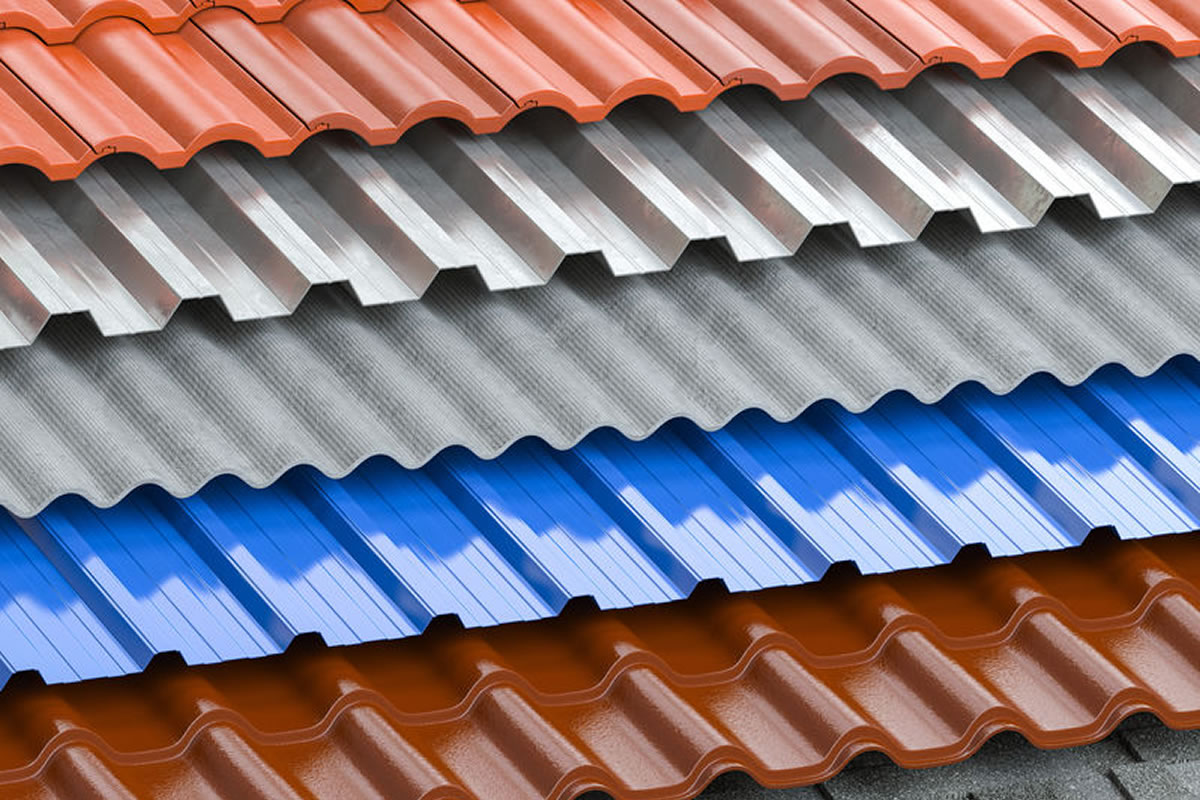
Choosing the right roof types for your home is one of the most important decisions you’ll make as a homeowner. Asphalt shingles dominate the roofing market across the country. However, numerous alternative roof types offer unique advantages. Each roofing system delivers distinct benefits in durability, aesthetics, and performance. This matters especially in Utah’s challenging climate.
This guide explores alternative roof types including steel, tile, slate, green roofs, and cedar shakes. You’ll understand their benefits and determine whether they’re right for your home. Before selecting a new roof type, check out our article on 5 signs you need a new roof to determine if it’s time for replacement.
Steel Roofs
Why Steel Roofing Continues to Grow in Popularity
Steel roofs have been growing in popularity at breakneck speeds. This material combines multiple benefits: lightweight construction, easy installation, affordability, and exceptional durability.
Construction professionals prefer steel for the same reasons it makes an excellent roofing material. Utah experiences wicked weather conditions. A roof that can not only survive but thrive in harsh conditions proves worth its weight in gold. Our professional roofing services ensure proper installation regardless of which material you choose.
How Steel Roofs Work
Steel roofs feature a simple design. Installers lay large steel sheets on your roof. They mechanically bond these sheets together using special tools. The system uses little to no adhesives. When installed properly, steel roofs match the waterproofing of any other system. This creates a top-notch roof perfect for any house.
Steel Roofing Costs and Considerations
The gauge of steel you select affects the price. Some installations prove much easier than others, which saves on labor costs. One drawback stands out: steel roofs can be very loud when it rains. Hard steel creates significant noise when rain pelts the surface. Some homeowners consider this a non-issue. For others, it may be a deal breaker. Try to check one out before making a final decision.
Steel offers an added benefit—it doesn’t require venting. This makes it ideal for tightly insulated houses or passive home standards. It also works well with exterior insulation. Steel sheds snow very efficiently. Large sections of snowpack simply slide right off on a sunny day (watch out below, though). Learn more about protecting your roof in our winter roof maintenance guide. According to the Metal Roofing Alliance, metal roofs can last 40-70 years with proper installation.
Tile Roofs
Tile Roofing in the Desert Southwest
Tile roofs have found a welcoming home in the desert southwest. Hot climates suit this roofing type perfectly. Tiles prove a naturally great choice for most of Utah. Their rounded elegance typically appears on luxury or HOA-controlled builds. You can find them pretty much anywhere if you look.
Clay forms the base of all tile shingles. Manufacturers fire them at high temperatures. This creates incredibly durable and heat-resistant products. Their dense mass creates two larger drawbacks. Tiles retain a decent amount of heat even after the sun goes down. They also weigh considerably more than other roofing materials. Even with heat retention, their domed shape allows efficient venting, unlike asphalt. Understanding how different materials handle heat is crucial—read our guide on choosing the best roofing system for Utah for more climate considerations.
Tile Weight and Sound Benefits
Weight can be problematic if you don’t frame with tiles in mind. Tiles weigh less than slate but more than regular shingles. All this weight and density delivers an added benefit—excellent sound blocking. Steel amplifies rain sounds. Tiles make precipitation nearly silent.
Tile has one vulnerability—brittleness. Something falling on it can cause breakage. However, these occasions are rare and shouldn’t weigh too heavily in your decision. If you’re considering a tile roof installation, our roof replacement team can assess whether your home’s structure can support the weight.
Pitch Requirements and Aesthetics
You need to check that your roof pitch suits tiles. Lower sloped roofs don’t benefit as much and may not work for tile. Ask a pro whether they’ve installed tile and if your roofline would be a good fit.
A nice tiled roof is hard to beat aesthetically. Builders have used them for centuries. They look great and stand up well to time!
Slate Roofs
The Heavyweight Champion of Roofing
Of all the roofing types, slate takes home the gold as the heavyweight champion. Manufacturers literally cut stone to create this roofing material. It offers all the same benefits of tile along with the drawbacks. One thing is certain—slate roofs last a long time.
Slate roofs appeal to environmentally conscious homeowners. The manufacturing process uses no nasty adhesives or other chemical components. It’s just stone! Workers cut it and prepare it for installation. This process takes a decent amount of time. Both labor and materials cost much more than any other roofing system we’ve mentioned. However, if you want this specific aesthetic, nothing else will achieve the same look.
Structural Requirements for Slate
Tiles are heavy, but slate takes the cake. You must ensure your roof trusses can support a slate roof’s weight before installation. Our free roof inspection can help determine if your structure is suitable. Check with an engineer if needed. Under-framing is the last thing you want. Your roof can sag or crack without proper framing.
Green Roofs
Modern Solutions for Heat Mitigation
Not every roof style can benefit from a green roof. Many modern, flat-top houses can. Simply put, no better option exists for mitigating heat than a green roof. You need to ensure the structure can support the weight of moisture-laden soil. These systems offer fantastic options for truly going green and keeping your roof cool. These living canopies excel at preventing heat from entering a house. This creates big wins for energy savings and reducing your carbon footprint. The EPA reports that green roofs can reduce urban heat island effects and improve air quality.
Working with Green Roof Specialists
You’ll likely need to work with a specialist to get your green roof sorted out. Installation requires intimate knowledge of the right plant types and soil. You’ll also pay a decent amount. If you’re considering it to begin with, money likely isn’t a major obstacle!
Commercial buildings traditionally feature green roofs. Now homeowners are adopting them too. Some countries have mandated them for new commercial builds. The market is certainly growing.
Cedar Shakes
America’s Historic Roofing Material
Cedar shakes served as the default roofing in the United States in days past. Cedar is abundant, renewable, resilient, and attractive. Cedar roofs can last as long as, if not longer than, traditional asphalt shingles. They offer the added benefit of breathing and shedding heat quickly. The natural wood fibers and lightweight nature protect your roof while keeping it cooler in summer.
Maintenance Requirements for Cedar
Proponents say cedar can last as long as any other roof if properly maintained. You’ll need to perform regular maintenance to reach that lifespan. Our roof repair services can help keep your cedar shake roof in optimal condition. Woodpeckers also target cedar shakes. They can create penetrations allowing water and bugs to enter.
If you want a historic look, cedar shakes are hard to beat. This part of the country has plenty of cedar trees. Prices could be more comparable (but still expensive). You’ve likely seen them in the northeast where they’re ubiquitous with early colonial development. Environmental considerations are driving a solid comeback into the residential market.
Choosing the Right Roof Type for Utah
Utah demands you get your roof right. It must properly protect your house. Punishing sun and wind along with nasty winters will take a toll on your canopy.
All the standard types of roofs—asphalt, tile, metal, slate—have their benefits and drawbacks. Manufacturers design all roof finishing products to handle the toughest conditions. The state building code approves them all for use. You need to investigate their pros and cons. Decide what works for you and fits within your budget. For expert guidance on selecting and installing the right roof types for your Utah home, contact CTI Roofing’s professional team today.
Aesthetics need consideration since roofing is one of the most visible parts of your home. Almost all finishing materials come in a wide variety of colors and styles. Whatever you decide on, you should find something that fits your taste.