
Why Your Roof is the Key to Lower Energy Bills
Your energy efficient roof is the single most important factor in keeping your Utah home comfortable without breaking the bank. In fact, your roof takes the full force of scorching summer sun and bitter winter cold. When it’s not properly optimized, you’re essentially air conditioning the great outdoors.
Here’s what most Utah homeowners don’t realize: you can lose up to 25% of your heating and cooling through an underperforming roof. As a result, that’s money evaporating into thin air every single month. However, the good news is that unlike wall insulation (which requires tearing into your home), roof improvements are relatively straightforward and deliver immediate returns.
Whether you’re battling $400 summer AC bills in St. George or trying to keep your Ogden home warm without running the furnace constantly, your roof holds the answer.
Is Your Roof Wasting Energy? Watch for These Warning Signs
Before you invest in upgrades, you need to confirm your roof is actually the problem. Therefore, here’s what to look for:
Winter Red Flags:
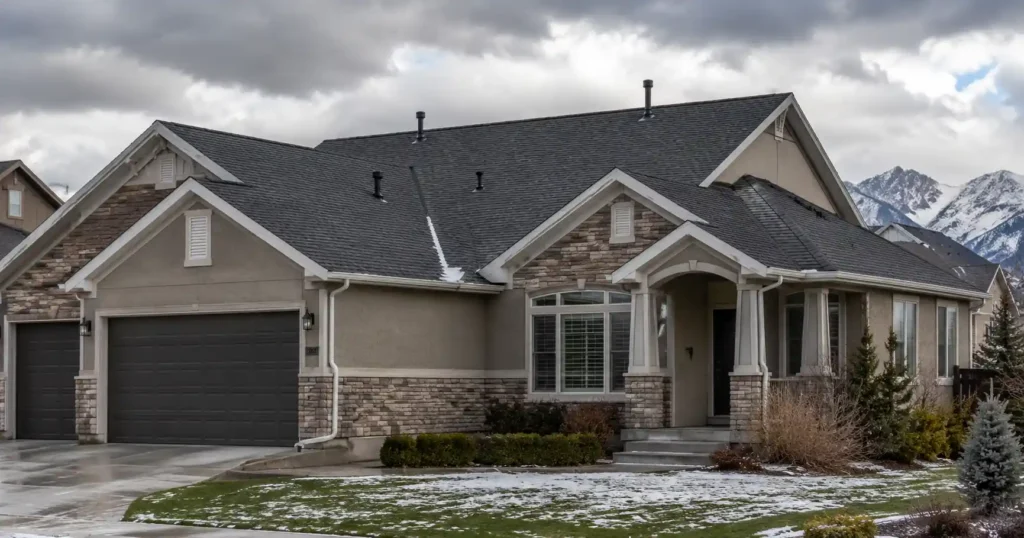
- Uneven snow melting on your roof (some areas bare while others stay covered)
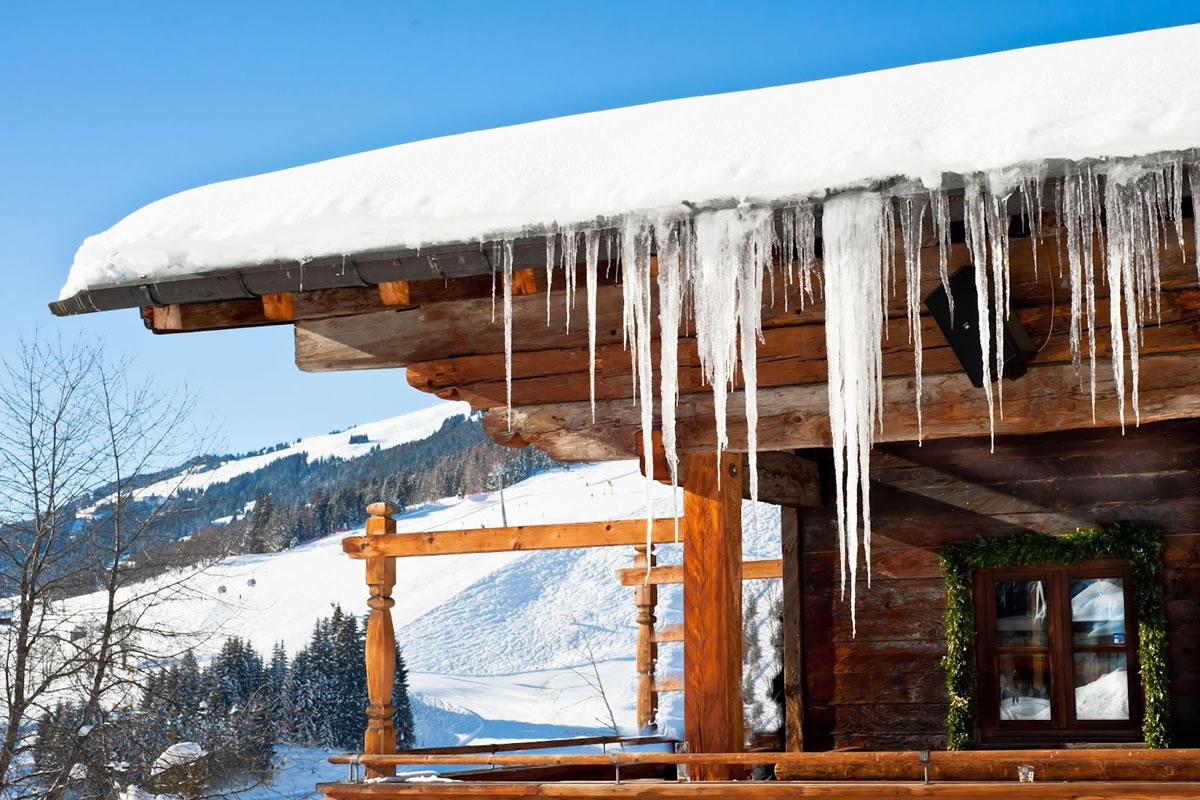
- Ice dams forming along your eaves (learn more about ice dam prevention)
- Second-floor rooms that stay noticeably colder than the main level
- Frost buildup in your attic space
Summer Warning Signs:
- Your AC runs constantly but the house never feels cool enough
- Upstairs bedrooms feel like a sauna by afternoon
- Energy bills spike dramatically June through August
- Your HVAC system struggles to keep up during peak heat
The Neighbor Test: Compare your energy bills with similar-sized homes nearby. If yours are consistently 20-30% higher, then your roof is likely the culprit.
Pro tip: Utah’s extreme temperature swings make energy loss more obvious here than in milder climates. For example, a roof that “gets by” in California will cost you serious money in Utah’s climate. Therefore, consider scheduling a free roof inspection to identify problem areas.
Attic Insulation: Your First Line of Defense
Most Utah homes built before 2010 are under-insulated by today’s standards. In addition, even if you have some insulation, adding more delivers exponential returns.
Before You Add Insulation—Critical First Steps
1. Fix Air Leaks
First, grab a can of expanding foam and seal every gap around:
- Plumbing penetrations
- Electrical boxes
- Attic hatches
- Chimney chases
These gaps undermine even the best insulation. In other words, think of it like heating your home with the windows cracked—you’re working against yourself.
2. Redirect Bathroom Vents
Never let bathroom fans exhaust into your attic. The moisture creates mold nightmares and rots your roof trusses from the inside. Consequently, if your fans currently vent to the attic, rerouting them through the roof is non-negotiable. This is something our roof repair services handle regularly.
Best Insulation Options for Utah Roofs
Blown-In Cellulose or Fiberglass
- Cost: $1.50-$2.50 per square foot (DIY: under $1)
- R-Value: R-3.5 per inch
- Best for: Adding to existing attic insulation
This is your most cost-effective option. For instance, Home Depot and Lowe’s rent the blowers for free with material purchase. You’ll need about 12-16 inches total depth for Utah’s climate zones.
Spray Foam (Closed-Cell)
- Cost: $3-$7 per square foot (professional installation required)
- R-Value: R-6.5 per inch
- Best for: Converting attic space to living area or creating a “hot roof”
Spray foam is premium performance but comes at a premium price. Moreover, it creates an air barrier and insulation in one shot. However, improper installation causes serious problems—off-gassing, shrinkage, and reduced effectiveness. Therefore, always hire certified professionals like our team at CTI Roofing.
Rigid Foam Boards
- Cost: $2-$4 per square foot
- R-Value: R-5 to R-6.5 per inch
- Best for: DIY projects and targeting specific problem areas
These work great for cathedral ceilings or finishing bonus rooms. Simply cut them to fit between rafters and seal edges with expanding foam.
Utah-specific tip: Aim for R-49 to R-60 in attic floors for optimal performance in our climate. In other words, that’s roughly 14-17 inches of blown insulation or 8-10 inches of spray foam.
External Insulation: The Gold Standard (If You’re Replacing Your Roof)
Installing insulation on top of your roof deck—underneath your shingles—is the most effective approach. In fact, it eliminates thermal bridging (where roof framing transfers heat), stops energy loss before it starts, and dramatically improves performance.
Why don’t more people do this?
It requires a complete roof replacement, adding $3,000-$8,000 to the project. However, if you’re already replacing your roof, the incremental cost is worth serious consideration.
What’s involved:
- Rigid foam or mineral wool boards installed directly on roof deck
- New sheathing over insulation
- Standard roofing installation on top
This approach changes your roof’s profile depth, requiring adjustments to:
- Fascia and trim
- Gutters and drip edges
- Ridge caps
Is it worth it? If you’re planning 20+ years in your home, absolutely. In addition, you’ll recoup the investment through energy savings and increased property value. Read our complete guide to roof maintenance to understand how proper care extends your investment.
The Importance of Proper Roof Ventilation
Unless you’re building a “hot roof” (sealed with spray foam), ventilation is critical for Utah homes. Here’s why:
Summer: Ventilation prevents your attic from becoming a 150°F heat trap. Cool air enters through soffit vents, flows under the roof deck, and exits through ridge vents—carrying away solar heat before it penetrates your insulation.
Winter: Proper airflow prevents ice dam formation by keeping your roof deck cold and preventing uneven snow melt. In fact, our winter roof maintenance guide covers this in detail.
Quick Ventilation Checklist
- ✓ Soffit vents are unobstructed (not blocked by insulation)
- ✓ Ridge vent runs the entire roof length
- ✓ 1 square foot of ventilation per 150 square feet of attic space
- ✓ Intake (soffit) and exhaust (ridge) are balanced
DIY fix: Install ventilation baffles between rafters to maintain airflow channels. They cost about $1 each and take minutes to install. However, watch your step—attic floors aren’t meant to support your weight. If you need professional help with vent repair, we’re here to assist.
Choosing Energy-Smart Roofing Materials
When replacement time comes, your material choice impacts energy efficiency significantly. Therefore, understanding the best roofing systems for Utah helps you make the right decision.
Asphalt Shingles: Color Matters
Dark shingles (black, dark brown, charcoal):
- Absorb maximum solar heat
- Increase cooling costs 10-15%
- Beneficial for snow melting in winter
Light shingles (tan, gray, white):
- Reflect more solar radiation
- Reduce attic temperatures 20-40°F
- Cut summer AC costs noticeably
Our recommendation for Utah: Medium to light colors offer the best year-round balance. Admittedly, you’ll sacrifice some winter snow melt but gain significant summer savings. Given Utah’s longer, hotter summers, it’s worth the tradeoff.
Bonus tip: “Cool roof” shingles with reflective granules can reduce surface temperature 50°F compared to standard shingles. For example, brands like GAF and Owens Corning offer these options.
Metal Roofing: The Efficiency Champion
Metal roofs heat up quickly in sun but dissipate heat rapidly after sunset—unlike asphalt which stays hot for hours. Benefits include:
- 25% lower cooling costs vs. dark asphalt
- Compatible with “hot roof” designs
- Perfect for solar panel installation
- 50+ year lifespan
Downside: Rain noise (easily solved with proper insulation). Learn more about different roofing materials and their benefits.
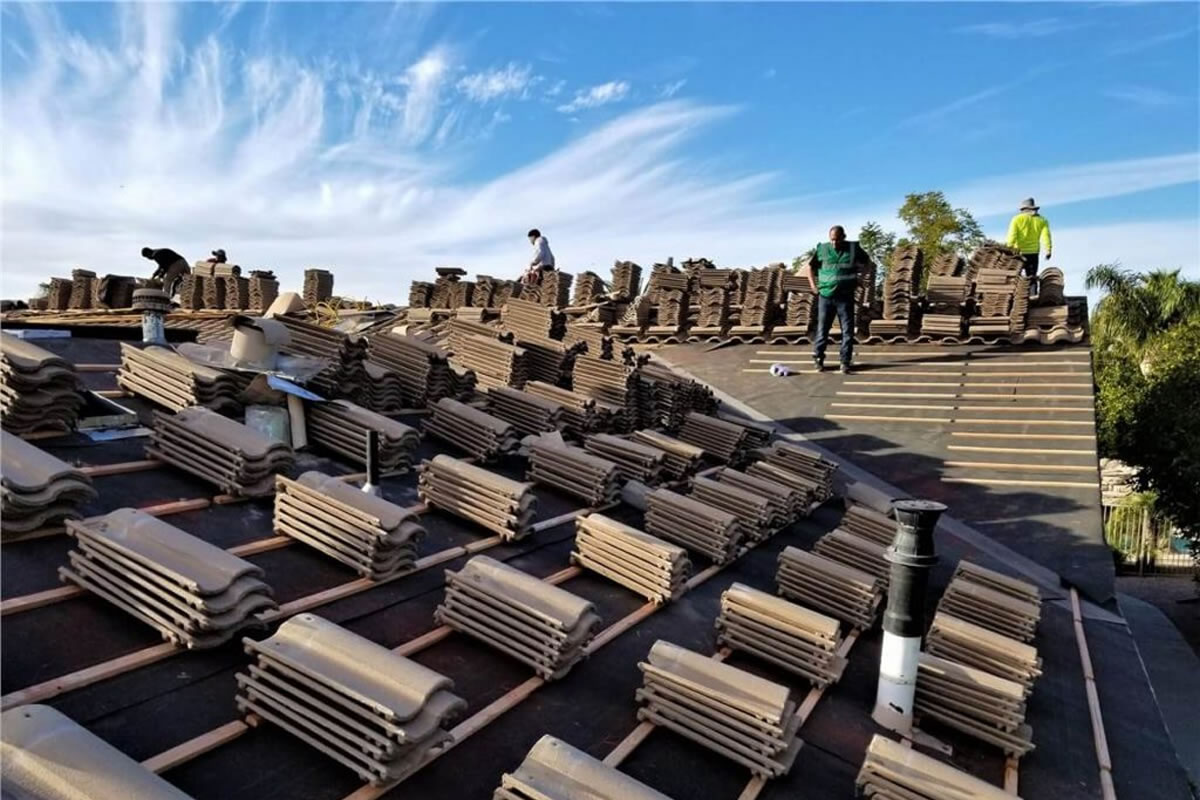
Tile Roofing: Mediterranean Efficiency
Clay and concrete tiles naturally ventilate due to their curved profile. Additionally, they’re:
- Extremely durable (75+ years)
- Excellent for hot-roof applications
- Naturally light-colored (reflects heat)
Tradeoff: Heavy (requires structural verification) and retains heat longer than metal. Nevertheless, the natural ventilation and light colors make tile a solid energy-efficient choice.
Solar Panels: Generate Energy While Saving It
Want the ultimate energy efficient roof? Add solar panels. Modern systems:
- Generate 8,000-12,000 kWh annually (Utah homes average 10,000 kWh/year)
- Qualify for 30% federal tax credit
- Create shade that cools your roof
Utah’s 220+ sunny days yearly make solar particularly effective here. In fact, read our complete guide to home solar systems in Utah for details.
Cost-Effective Upgrades You Can Do Today
Not ready for major renovations? These affordable improvements still make an impact:
Roof Coating ($1-$3 per sq ft)
Spray-applied reflective coatings contain ceramic microspheres that scatter solar radiation. As a result, they can lower roof surface temperatures 50-80°F. However, they make roofs slipperier when wet and cause snow to stick longer in winter.
Radiant Barriers ($0.25-$0.50 per sq ft)
Reflective foil installed on attic rafters bounces radiant heat away. Most effective in hot climates with significant AC use—perfect for Utah summers.
Attic Fans ($200-$600)
Solar-powered attic fans exhaust hot air automatically. They’re most beneficial if your existing ventilation is inadequate.
Government Rebates and Incentives
Don’t leave money on the table. Furthermore, these programs help offset efficiency upgrades:
Federal:
- Energy Efficient Home Improvement Credit – 30% tax credit up to $1,200 for insulation
- Solar Investment Tax Credit – 30% credit for solar installations
Utah State:
- Wattsmart Programs through Rocky Mountain Power
- Local utility rebates (varies by provider)
Check with your municipality – Many Utah cities offer additional incentives for energy efficiency upgrades.
Real Numbers: What You’ll Actually Save
Based on Utah’s average energy costs and typical home sizes:
- Adding R-30 attic insulation: $300-$600 annual savings
- Switching to cool-roof shingles: $150-$400 annual savings
- Installing metal roof with insulation: $500-$900 annual savings
- Complete roof optimization (insulation + materials + ventilation): $800-$1,500 annual savings
With Utah’s energy prices rising 3-5% annually, today’s $1,000 annual savings becomes $1,600+ in just 10 years.
CTI Roofing’s Energy Efficiency Recommendations
After thousands of Utah roof installations, here’s what delivers the best ROI:
If you’re not replacing your roof soon:
- Add blown insulation to R-49 minimum
- Install ventilation baffles
- Seal all air leaks
If you’re replacing your roof within 5 years:
- Choose light-colored, cool-roof shingles
- Consider metal if budget allows
- Install external insulation if staying 15+ years
- Ensure ventilation meets code
If money is tight:
Start with air sealing and adding blown insulation. In fact, these deliver 80% of potential savings at 20% of the cost.
Take the Next Step Toward Lower Energy Bills
Your roof is working against you every day it’s underperforming. Therefore, the question isn’t whether to upgrade—it’s which upgrades make sense for your situation and timeline.
Need an expert assessment of your roof’s energy efficiency? Our team provides free inspections throughout Utah. As a result, we’ll identify exactly where you’re losing energy and recommend solutions that fit your budget.
Ready to stop wasting money on energy bills? Contact CTI Roofing today or request your free inspection online. We’ll show you exactly what your roof needs to perform at peak efficiency year-round.