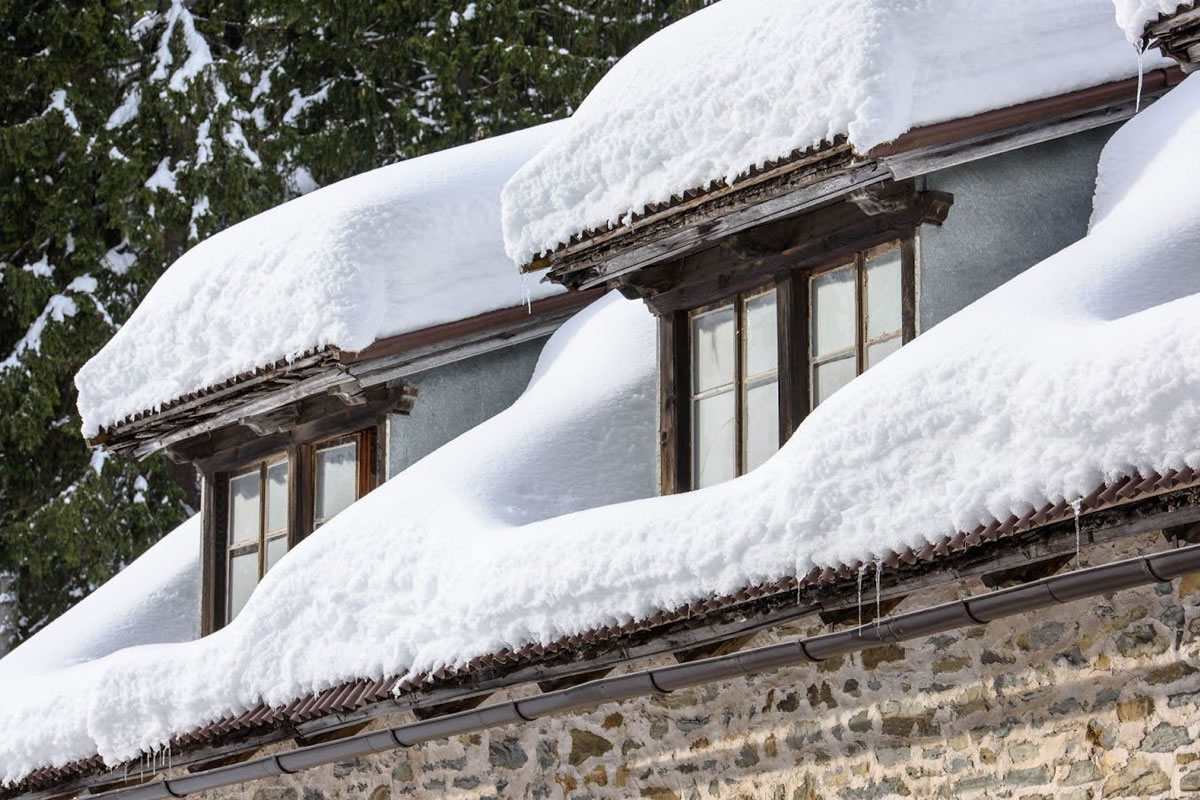

Storms are commonplace in Utah and across the Southwestern United States. From intense blizzards to ravishing thunderstorms, we see it all—and so do our roofs. Hiring a roofing contractor after a storm requires careful vetting to avoid scammers and storm chasers who can cost you thousands while compromising your home’s integrity.
After severe weather damages your roof, opportunistic contractors prowl neighborhoods looking for vulnerable homeowners. They know you’re stressed, uncertain, and need quick solutions. This guide will show you how to find trustworthy contractors and avoid the predators.
How to Start Hiring a Roofing Contractor After a Storm
Friends and Family: Your First Line of Defense
A referral from someone you trust acts as a pre-screener for potential scams. If a friend successfully used a contractor for their roof repair, you’ve got the most important tool: a verified starting point.
Storm chasers hunt for homeowners who don’t know their first steps. Without a plan, it’s easy to take the first path that presents itself—which may lead straight to a scam.
Pro tip: Call your referred roofing company before the storm even hits. If severe weather is predicted, schedule an inspection in advance. You’ll be at the front of the line and have a legitimate reason to turn away door-knockers.
Local Construction Companies Know Everyone
No one in your network? Call local home builders. Construction company owners know everyone in the business and won’t hesitate to refer quality contractors. They’re not getting kickbacks from residential storm work, so their recommendations are genuine.
Three Critical Questions When Hiring a Roofing Contractor
Never hire a contractor without getting clear answers to these questions:
1. Do You Have Insurance?
Do not hire a contractor without insurance. Period. If someone gets injured on your property, you could face a catastrophic lawsuit. Any legitimate contractor carries liability insurance. If they’re vague or uncertain, move on immediately.
2. Are You Licensed in This State?
This question filters out storm chasers fast. While licensing requirements vary, professional contractors take the time to get proper credentials. According to the Federal Emergency Management Agency (FEMA), verifying state licensure is essential when hiring contractors after natural disasters. Licensed contractors have accountability and standards to maintain.
If they’re licensed in another state or dodge the question, they’re probably following storms across state lines. Check other options first.
3. Do You Use Subcontractors?
Most contractors use subs for some work—that’s normal. What matters is whether warranties cover subcontractor work. Make sure any guarantees apply regardless of who’s on your roof.
Verify Your Referral Online
Referrals are great, but do your homework:
Google Reviews: Quick pulse check on reputation. Focus on 3-star reviews for realistic feedback.
Better Business Bureau: Check for complaints and resolution patterns.
Facebook: Verified customer reviews from real accounts.
Secretary of State Website: Verify their LLC is in good standing.
Between these sources, you’ll get a clear picture of who you’re dealing with. Professional roofing companies have transparent online presences.
How to Spot a Storm Chaser
After any major storm, sales people descend on neighborhoods to exploit vulnerable homeowners. Here’s how to identify them:
Red Flag #1: They Want a Decision NOW
Never make a spot decision. Take their information, verify their credentials, and check if they’re registered for door-to-door sales in your city. A job done slowly but right beats a rushed disaster.
Red Flag #2: They’re Available Immediately
“Everyone good is always busy.” If they can fit you in next week, be suspicious. Quality storm damage restoration contractors are booked out after severe weather.
Red Flag #3: Pressure Tactics
“We’re only in town for three days” or “I can give you this price today only” are classic scam signals. Legitimate contractors don’t manufacture urgency—the storm already did that.
Getting an Accurate Estimate
Once you’ve vetted a contractor, schedule an in-person estimate:
Be there in person. Take a long lunch if needed. This allows them to show you the damage, explain hidden issues, and creates accountability. If you’re comfortable, have them check your attic for structural problems.
Ask detailed questions:
- Have you done similar roofs in this neighborhood?
- What specific materials will you use?
- What’s included in the warranty?
- How long will the job take?
Research different roofing materials beforehand so you know what you want. This speeds the process significantly.
Get everything in writing:
- Itemized quote with materials and labor separated
- List of everything being replaced (gutters, fascia, shingles, sheathing)
- Timeline for completion
- Name of estimator and date
Compare quotes if needed, but if your roof has significant damage, go with the best qualified contractor who can start soonest—not necessarily the cheapest.
Before Work Begins
Document everything. Take photos of problem areas the contractor identified. This proves they actually fixed what they promised.
Verify materials pricing. Call your local building supply and check material costs. Contractors get discounts, but if you’re paying significantly more than retail, ask why.
Be available during work. Contractors would rather pause to ask a question than redo work later.
Consider scheduling a post-job inspection if you had any concerns during the process.
Insurance Claims and Financing
If insurance is covering your roof replacement, work with a contractor experienced in claims. They should help document damage and can provide insurance claim assistance to maximize your coverage.
The U.S. government’s home repair guide provides additional resources for funding major repairs. Learn about roof financing options for any out-of-pocket costs not covered by insurance.
Watch for Warning Signs Throughout
Even after hiring someone, stay vigilant:
- Materials different from what was quoted
- Crew members who can’t answer basic questions
- Shortcuts being taken
- Refusal to show you work in progress
If something feels off, it probably is. Trust your gut. A quality roof maintenance and repair job should give you peace of mind, not more stress.
Final Thoughts on Hiring a Roofing Contractor After a Storm
Your roof is one of your home’s most expensive components. Don’t entrust its repair to whoever knocks on your door first.
Remember:
- Good contractors are always busy—call early
- Get referrals from trusted sources
- Ask the three critical questions
- Verify everything online
- Get detailed written quotes
- Never make rush decisions under pressure
If your roof can wait for the better contractor, wait. Fast means nothing if it comes with poor workmanship.
Not sure if you need a complete roof replacement or just repairs? We can help you assess the damage honestly.
Need a trusted inspection after storm damage? Schedule your free roof inspection with CTI Roofing. We’re local, licensed, and have been serving Utah homeowners for years—not chasing storms across state lines.