Winter Roof Maintenance Guide
Winter can be tough on a roof, even when everything looks fine from the ground. Snow, ice, temperature swings, and moisture all place stress on roofing materials in ways that don’t happen during warmer months. Understanding proper winter roof maintenance makes it easier to prevent damage, spot early warning signs, and avoid costly repairs. Many homeowners don’t realize there’s an issue until they notice a stain on the ceiling or water where it doesn’t belong.
This guide walks through what happens to roofs during winter, what to watch for, and how regular maintenance helps protect your home through the coldest months of the year.
Why Winter Is Hard on Your Roof System
Cold weather affects roofing systems in several ways at once. Materials contract when temperatures drop and expand again when the sun comes out. Over time, this movement can loosen shingles, weaken seals, and create small openings for moisture.
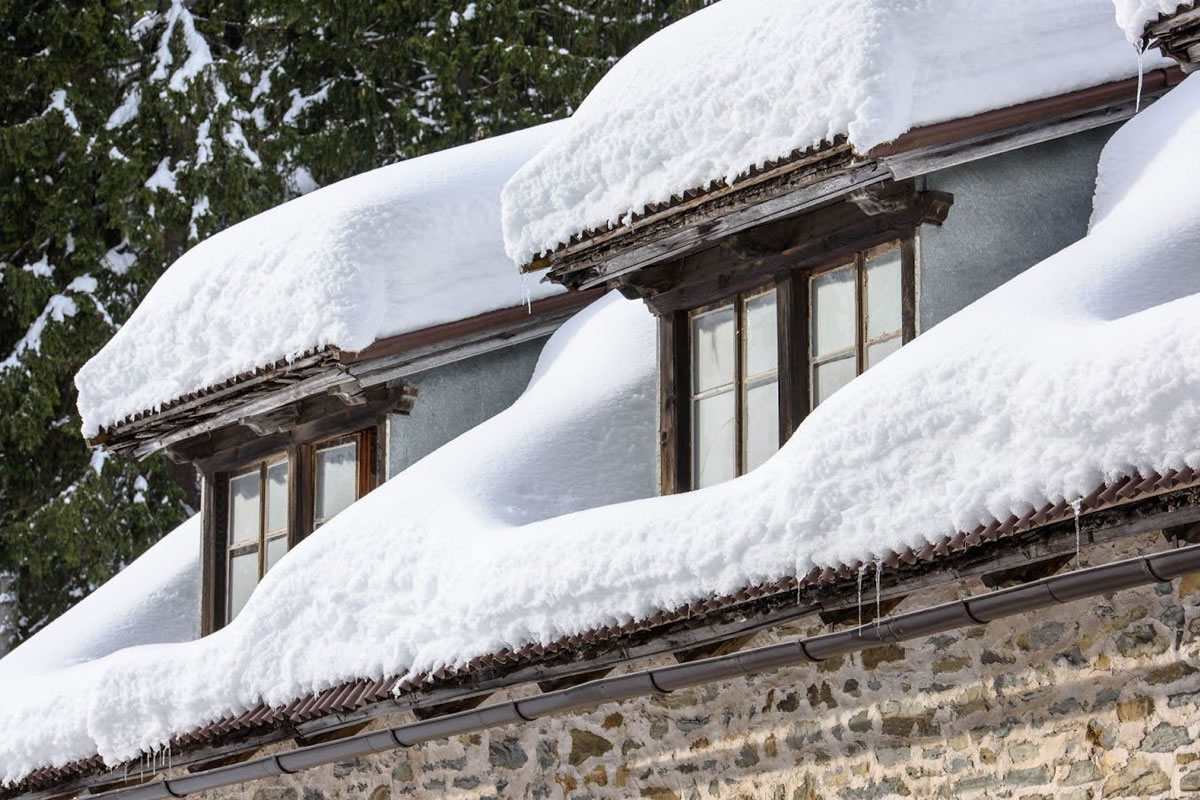
Snow adds weight, especially when it melts and refreezes. Ice buildup can block drainage and force water under shingles, while trapped moisture inside the attic can lead to condensation and long-term damage.
These problems often develop slowly, which is why winter roof issues are easy to miss until they become serious. If you’re experiencing any of these issues, our professional roof repair services can help assess the damage and prevent further problems.
Ice Dams and Why They Form
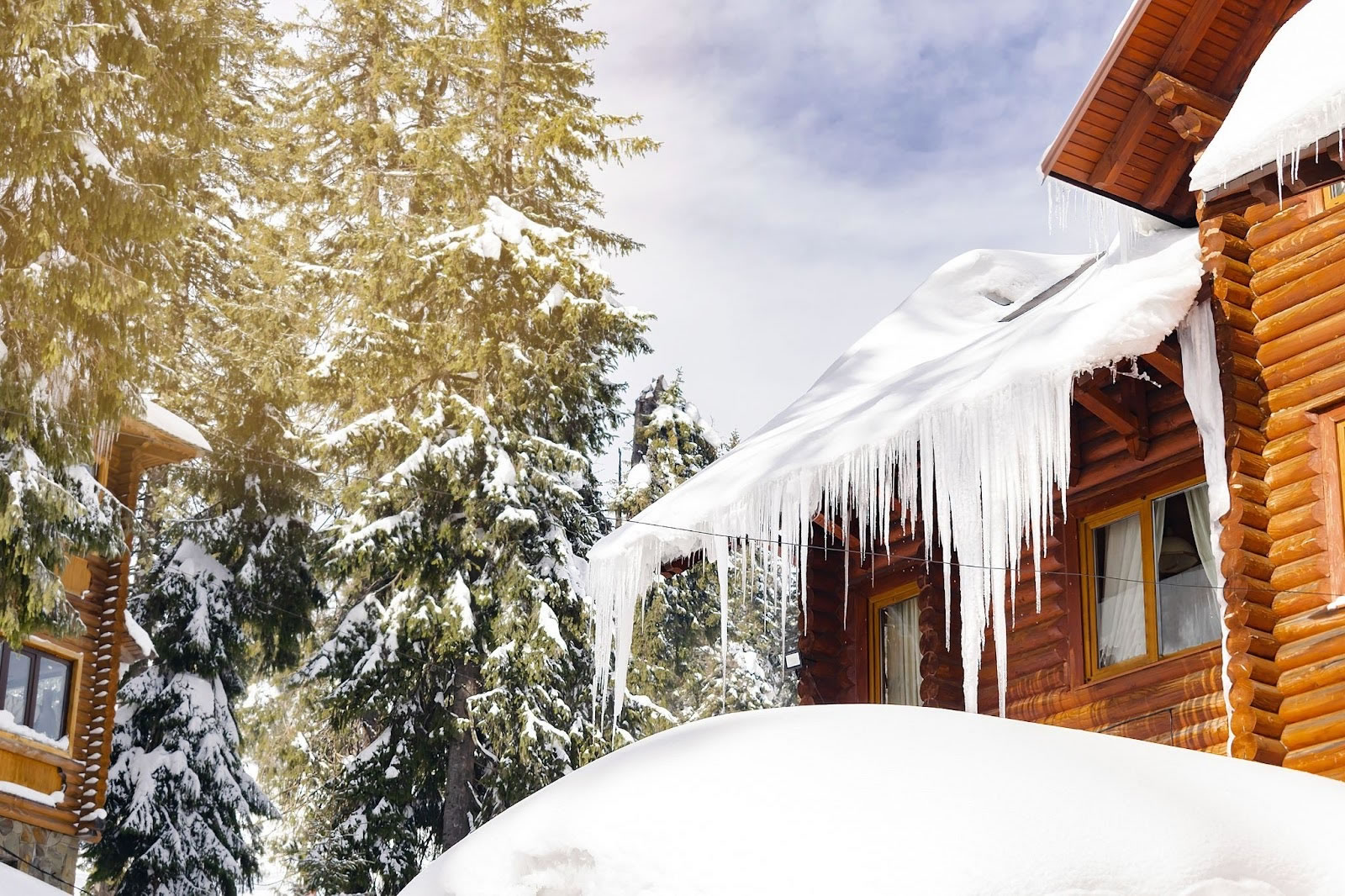
Ice dams are one of the most common winter roofing problems homeowners experience.
They typically form when:
- Heat escapes into the attic
- Snow melts unevenly on the roof
- Melted snow refreezes near the roof edge
- Ice blocks proper drainage
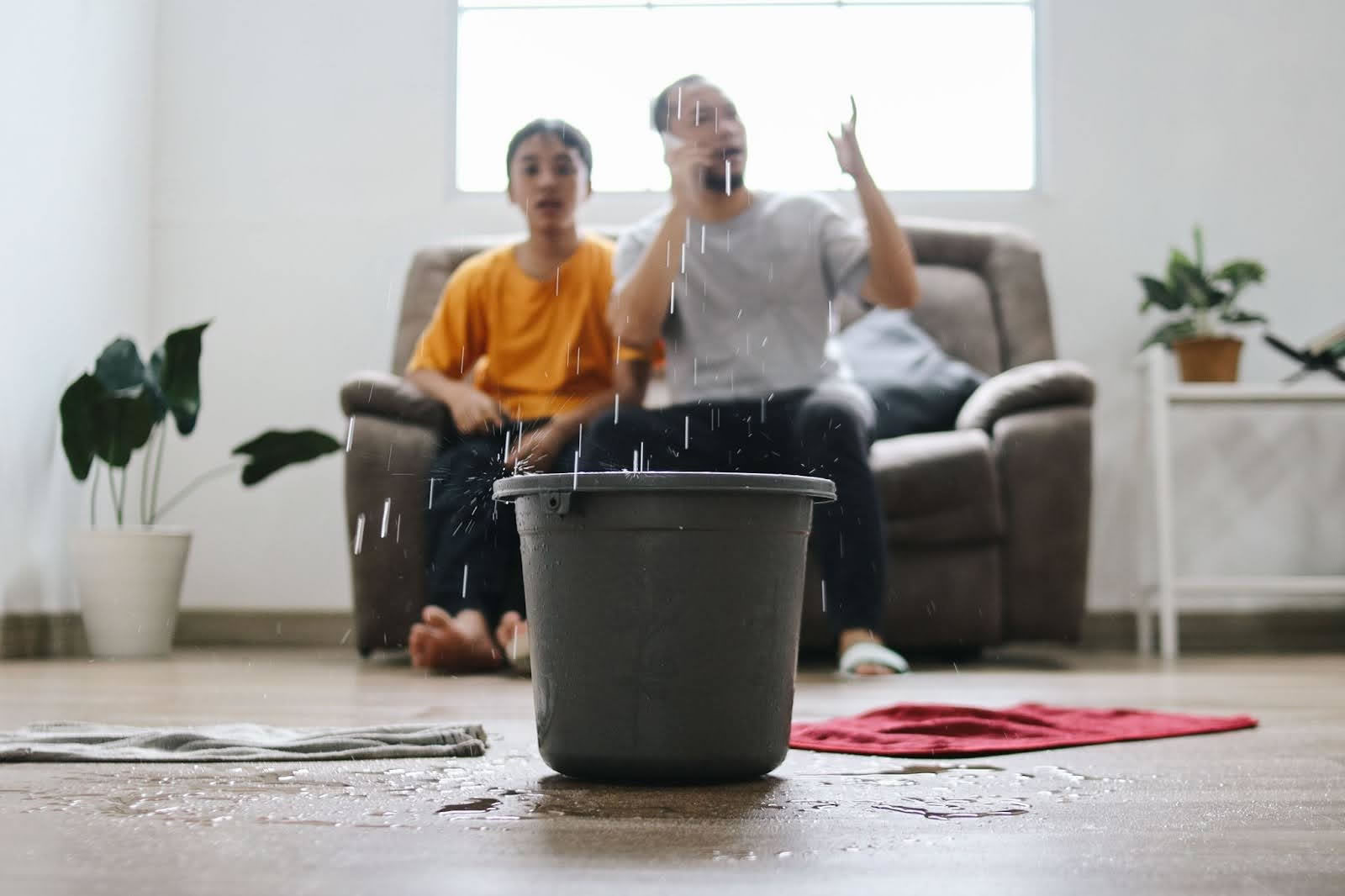
As water backs up behind the ice, it can work its way under shingles and into the home. Ceiling stains, peeling paint, and wet insulation are common signs.
If you want a deeper explanation of how this happens and how to prevent it, our comprehensive guide on ice dam prevention and winter roof protection breaks it down in more detail.
The Role of Attic Ventilation in Winter
Proper attic ventilation plays a major role in preventing winter roof problems. When warm air becomes trapped in the attic, it increases snowmelt and raises the risk of ice dams and moisture buildup.
Good ventilation helps:
- Maintain consistent roof temperatures
- Reduce condensation
- Protect insulation
- Extend roof lifespan
Homes with poor airflow often see winter-related issues earlier and more frequently. Our article on why attic ventilation matters in winter explains what proper ventilation looks like and why it’s so important during colder months. According to the U.S. Department of Energy, proper ventilation can reduce cooling costs by up to 10% and extend the life of your roof.
Common Signs of Winter Roof Damage
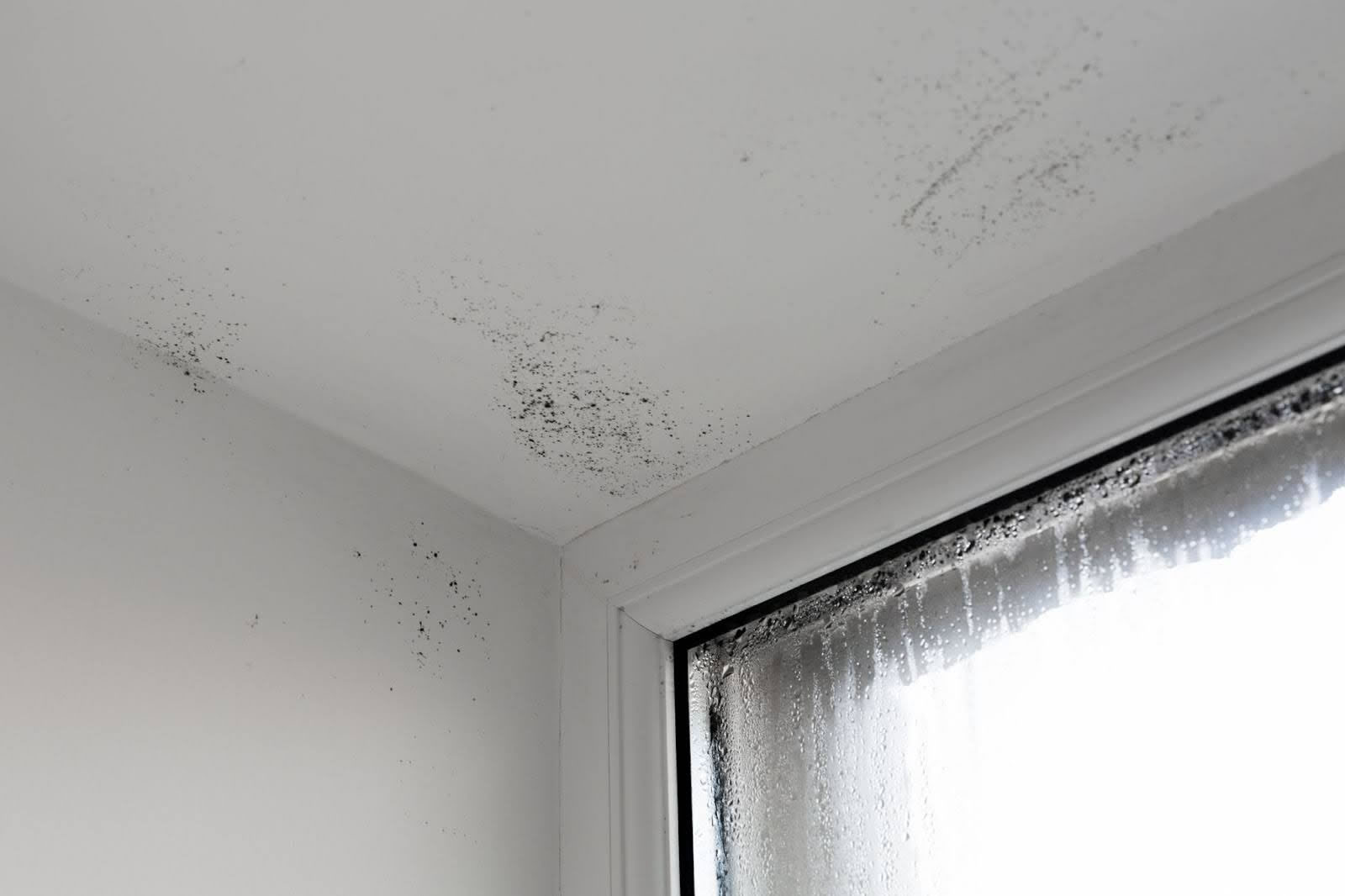
Not all roof problems are obvious. Many start small and worsen over time if left unchecked.
Common warning signs include:
- Water stains on ceilings or walls
- Frost or moisture in the attic
- Missing or lifted shingles
- Sagging rooflines
- Increased heating bills
If you notice any of these, it’s worth investigating further. Our breakdown of winter roof leaks and how to spot them explains what these symptoms often mean and when they should be addressed. Early detection through proper winter roof maintenance can save thousands in emergency repairs.
Snow Load: When Weight Becomes a Concern
Snow may look light, but it can add significant weight to a roof—especially when it becomes wet or compacted. Roofs are designed to handle normal snow loads, but prolonged storms or repeated freeze–thaw cycles can increase stress.
Factors that affect snow load include:
- Roof slope and design
- Amount of accumulated snow
- Ice buildup beneath snow layers
- Roof age and condition
If you’re unsure how much your roof can handle, our guide on snow load and winter roof safety explains when action may be necessary. Understanding your roof’s capacity is an essential part of winter roof maintenance.
Why Gutter Maintenance Matters in Winter
Gutters play a critical role in moving melting snow away from the roof. When they’re clogged, water has nowhere to go and often refreezes at the roof’s edge.
This can lead to:
- Ice dams
- Fascia and soffit damage
- Water intrusion behind siding
- Foundation issues
Keeping gutters clear before and during winter reduces the risk of these problems. You can learn more in our article on winter gutter maintenance and drainage. Regular gutter cleaning is a small investment that prevents major winter roof maintenance issues down the line.
How Freeze–Thaw Cycles Affect Roofing Materials

Winter weather isn’t just cold. It’s constantly changing. Repeated freezing and thawing can slowly weaken roofing materials over time.
This cycle can:
- Crack shingles
- Separate flashing
- Worsen small leaks
- Reduce overall roof lifespan
Understanding how temperature changes affect your roof helps explain why winter maintenance matters. Our guide on freeze–thaw damage and roof protection covers this process in more detail. The National Roofing Contractors Association emphasizes that proactive winter roof maintenance significantly extends material lifespan.
What a Winter Roof Inspection Looks For
A professional winter roof inspection focuses on areas most vulnerable to cold-weather damage. During an inspection, roofers typically check:
- Shingle condition and fastening
- Flashing around vents and chimneys
- Attic insulation and airflow
- Signs of moisture or leaks
- Gutter alignment and drainage
These inspections help identify minor issues before they turn into major repairs. If you’d like to know what professionals look for, our overview of winter roof inspections explains the process step by step. Regular inspections are the cornerstone of effective winter roof maintenance.
When to Consider Professional Help
Not every winter issue requires immediate repair, but some situations should be evaluated by a professional:
- Repeated ice dams
- Ongoing leaks or moisture stains
- Drafts or cold spots in the home
- Visible roof damage after storms
In these cases, a professional inspection can help determine whether repairs, maintenance, or future planning is needed. Homeowners who want a thorough evaluation can schedule a free roof inspection to assess current conditions and identify potential concerns. Don’t wait until small winter roof maintenance issues become major problems requiring our emergency roof repair services.
Planning Ahead for Spring Repairs
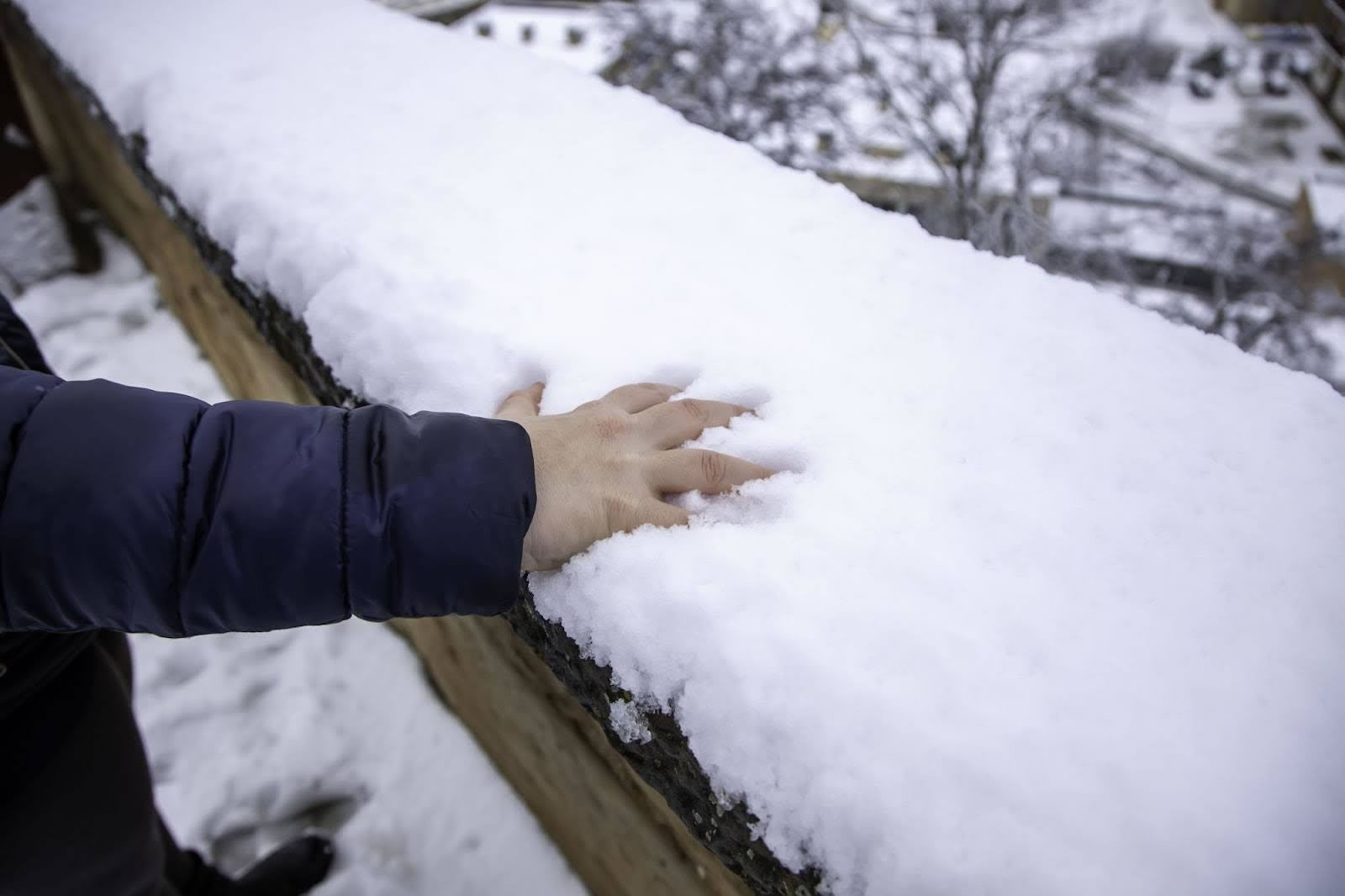
Winter is often the best time to plan ahead. Inspections done during colder months make it easier to:
- Identify damage early
- Budget for repairs
- Avoid emergency work
- Prepare for spring projects
Many homeowners use winter inspections to decide whether roof repairs, roof replacement, or roof installation may be needed once temperatures rise. Planning early helps avoid delays during peak roofing season and ensures your winter roof maintenance efforts translate into long-term protection.
Frequently Asked Questions About Winter Roof Maintenance
How often should a roof be inspected during winter?
Most homes only need one professional inspection during winter unless a major storm occurs. If you notice leaks, ice dams, or unusual drafts, an inspection can help identify issues early before they worsen or cause interior damage. Regular winter roof maintenance inspections are especially important for roofs over 10 years old.
Can snow sitting on my roof cause damage?
Yes, heavy or compacted snow can place added stress on roofing materials, especially on older roofs or those with low slopes. Problems usually arise when snow melts and refreezes, leading to ice buildup and restricted drainage. Proper winter roof maintenance includes monitoring snow accumulation.
What causes ice dams to form?
Ice dams form when warm air escapes into the attic, melting snow on the roof. That water refreezes near the edges, trapping additional runoff. Poor insulation and ventilation are the most common underlying causes, which is why winter roof maintenance should include checking attic conditions.
Are winter roof leaks always easy to spot?
Not always. Some leaks develop slowly and may only appear as stains, peeling paint, or moisture in the attic. By the time water is visible inside the home, the issue may already be more advanced. This is why proactive winter roof maintenance is essential.
Should I remove snow from my roof?
In most cases, natural snow melt is fine. However, heavy accumulation or repeated freeze–thaw cycles can increase risk. Roof raking should be done carefully, and homeowners should avoid climbing onto icy roofs. Part of good winter roof maintenance is knowing when professional snow removal is necessary.
How does attic insulation affect winter roof performance?
Proper insulation helps prevent heat from escaping into the attic. When heat stays inside the home, snow melts more evenly and reduces the risk of ice dams, condensation, and moisture-related damage. Checking insulation should be part of your winter roof maintenance routine.
Can winter weather cause long-term roof damage?
Yes. Repeated freezing and thawing can weaken shingles, loosen flashing, and shorten a roof’s lifespan. Even small issues can compound over time if they aren’t addressed early. This is exactly why consistent winter roof maintenance is so important.
When should I schedule a professional roof inspection?
If you notice leaks, ice dams, rising energy bills, or visible roof damage, an inspection can help identify the cause. Many homeowners also schedule inspections during winter to plan for spring maintenance or repairs as part of their comprehensive winter roof maintenance strategy.
Protecting Your Roof Through Winter
Winter roof issues rarely happen overnight. They develop gradually as snow, ice, and temperature changes put stress on the structure. Understanding what to look for and why these problems occur gives homeowners the ability to act before damage spreads.
Routine inspections, proper ventilation, clear gutters, and early attention to warning signs can go a long way toward protecting your home. If you’re unsure about your roof’s condition or want peace of mind before the next storm, a professional roof inspection can provide clarity and direction. Effective winter roof maintenance today prevents costly emergencies tomorrow.